
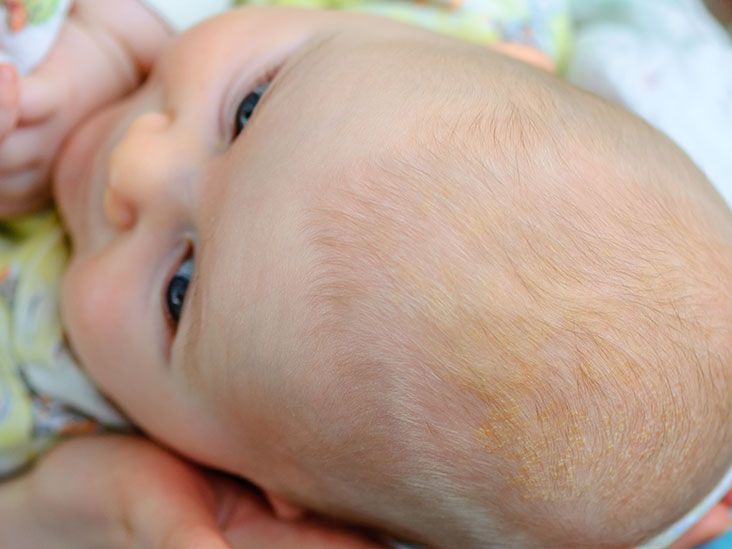
A baby’s dry scalp can look surprisingly dramatic for something that is usually harmless. One day your little one has the softest head in the universe, and the next day there are flakes, crusty patches, or tiny scales that make you wonder whether you accidentally brought home a baby and a snow globe. The good news: most cases of baby dry scalp are common, manageable, and not a sign that you are doing anything wrong.
Still, it is completely understandable to worry. Babies have delicate skin, and their scalps can react to weather, shampoo, oil production, eczema, or a condition called cradle cap. This guide explains the most common causes of dry scalp in babies, safe treatments you can try at home, what to avoid, and when to call the pediatrician.
Note: This article is for general education and should not replace medical advice. Always ask your pediatrician before using medicated shampoos, steroid creams, essential oils, or home remedies on a baby.
What Is Baby Dry Scalp?
Baby dry scalp refers to flaking, scaling, roughness, or dryness on an infant’s scalp. It may appear as tiny white flakes, thicker yellow patches, rough dry spots, or crusty areas that cling to the hair. Sometimes the scalp looks normal except for flakes. Other times, it may look pink, greasy, irritated, or scaly.
Parents often use the phrase “dry scalp” for several different conditions. True dry skin happens when the scalp lacks moisture. Cradle cap, however, is usually more oily than dry, even though it can look flaky. Baby eczema can also cause dry, itchy, inflamed skin that may involve the scalp, face, or body. Because these conditions overlap in appearance, the best treatment depends on what is causing the flakes.
Common Causes of Baby’s Dry Scalp
1. Cradle Cap
Cradle cap, also called infant seborrheic dermatitis, is one of the most common reasons a baby has flaky or scaly patches on the scalp. It often appears during the first weeks or months of life. The scales may look white, yellow, greasy, waxy, or crusty. Despite its appearance, cradle cap usually does not hurt, itch, or bother the baby.
The exact cause is not fully understood, but several factors may contribute. Babies have active oil glands, and extra oil can trap dead skin cells on the scalp. A natural yeast that lives on the skin may also play a role. Cradle cap is not contagious, not caused by poor hygiene, and not proof that your baby needs a luxury spa membership, though your baby may act like they deserve one.
2. Normal Dry Skin
Some babies simply have dry skin. Newborn skin is still adjusting to life outside the womb, where the climate was basically a warm waterbed with room service. After birth, air, bathing, indoor heating, air conditioning, and low humidity can dry the skin. Dry scalp from simple dryness usually causes fine white flakes rather than thick yellow crusts.
Dry skin may become more noticeable during cold months, after frequent baths, or when harsh soaps are used. Babies with sensitive skin may react even to products labeled gentle, especially if they contain fragrance, dyes, or botanical extracts.
3. Baby Eczema
Eczema, also called atopic dermatitis, can cause dry, itchy, red, rough, or scaly patches. In babies, eczema often appears on the cheeks, scalp, arms, legs, or folds of the skin. Unlike cradle cap, eczema is more likely to itch or make a baby uncomfortable. A baby may rub their head against bedding, fuss during flare-ups, or develop irritated patches that come and go.
Eczema is linked to a sensitive skin barrier. That means moisture escapes more easily and irritants can enter more easily. Fragrance, heat, sweat, rough fabrics, drool, and certain skin products can all make eczema worse. If your baby’s scalp flakes are paired with itchy rashes elsewhere, eczema may be part of the story.
4. Contact Irritation
Sometimes the culprit is not a medical condition but a product. Baby shampoo, lotion, laundry detergent, fabric softener, hats, wipes, or fragranced oils can irritate the scalp. Contact irritation may cause dryness, redness, stinging, or a rash in areas where the product touches the skin.
This is why fragrance-free baby care is often a better choice than products that smell like lavender cupcakes on a beach vacation. A sweet scent may be pleasant for adults, but a baby’s skin barrier may file a formal complaint.
5. Overwashing or Under-Rinsing
Bathing routines matter. Washing too often with drying products can strip moisture. On the other hand, not rinsing shampoo well can leave residue that irritates the scalp. For many babies, washing the scalp a few times a week with mild baby shampoo is enough. If cradle cap is present, more frequent washing for a period of time may help loosen scales.
6. Weather and Indoor Air
Cold weather, dry air, forced heat, and air conditioning can all pull moisture from the skin. A baby’s scalp may become flaky during winter or in very dry climates. In these cases, the scalp may improve when the environment is less drying and the baby’s skin care routine becomes more moisturizing.
7. Less Common Skin Conditions
Rarely, persistent scaling may be caused by psoriasis, a fungal infection, bacterial infection, or another skin condition. These are less common in young babies but worth considering if the scalp is very red, swollen, painful, oozing, bleeding, has broken skin, shows hair loss, or does not improve with gentle care.
How to Tell Dry Scalp and Cradle Cap Apart
Dry scalp and cradle cap can look similar, but there are clues. Dry scalp often causes small, dry, white flakes that fall away easily. The skin may look slightly rough but not oily. Cradle cap often creates thicker patches that stick to the scalp. The flakes may look yellow, greasy, waxy, or crusted.
Eczema is more likely if the skin is itchy, red, inflamed, or present on the cheeks and body as well. Contact irritation may appear after starting a new shampoo, lotion, detergent, or oil. If you are not sure, take a photo in good lighting and show it to your pediatrician. Baby scalps can be mysterious, and pediatricians have seen enough flaky heads to qualify as scalp detectives.
Safe Treatments for Baby’s Dry Scalp
Use a Gentle Baby Shampoo
For mild dry scalp, wash your baby’s hair with a mild, fragrance-free baby shampoo. Use lukewarm water, not hot water. Gently massage the scalp with your fingertips, then rinse thoroughly. Shampoo residue can make dryness worse, so rinse as if the shampoo owes you money.
If the scalp is simply dry, washing two or three times a week may be enough. If your baby has cradle cap, your pediatrician may recommend washing more often for a while to help loosen scales. Babies with eczema may need a more customized routine, so ask your doctor if frequent washing seems to worsen irritation.
Brush Gently With a Soft Baby Brush
After shampooing, use a soft baby brush to gently loosen flakes. Move in small circles or light strokes. The goal is to lift loose scales, not excavate the scalp like an archaeological dig. Never scrape, pick, or force off stubborn flakes. Picking can irritate the skin and increase the risk of infection.
Soften Thick Scales Before Bath Time
For thicker cradle cap scales, a small amount of petroleum jelly, baby oil, or mineral oil may help soften the patches before washing. Apply a tiny amount to the affected area, let it sit briefly, then gently brush and shampoo it out. The important part is rinsing well. Leaving oily products on the scalp can sometimes worsen buildup.
Ask your pediatrician before using oils if your baby has eczema, broken skin, or a widespread rash. Avoid olive oil unless your clinician specifically recommends it, as some pediatric guidance warns it may encourage yeast growth or irritate the skin in certain cases.
Moisturize Dry Skin Carefully
If the scalp looks dry rather than greasy or crusty, a small amount of fragrance-free moisturizer may help. Choose a simple baby-safe ointment or cream rather than a scented lotion. Thicker products usually protect the skin barrier better than thin lotions. Apply only a light layer, and keep products away from the eyes.
If your baby has eczema, moisturizing after bathing can help trap water in the skin. Pat the skin so it remains slightly damp, then apply a fragrance-free cream or ointment. This “seal it in” approach is often more effective than trying to moisturize skin that is already completely dry.
Try a Humidifier
If your home has dry air, a cool-mist humidifier may help reduce dryness. Clean it regularly according to the manufacturer’s instructions so it does not become a tiny fog machine for germs. A comfortable indoor humidity level can support your baby’s skin, especially during winter or in air-conditioned rooms.
Choose Fragrance-Free Products
Fragrance-free is usually better than “unscented.” Unscented products may still contain masking fragrances that hide chemical smells. Look for simple, gentle, dye-free, fragrance-free baby shampoo, cleanser, moisturizer, and laundry detergent. Avoid bubble baths and heavily scented products, even if they promise your baby will smell like a meadow wearing pajamas.
What Not to Do
Do Not Pick or Scratch the Scales
It is tempting to remove every flake, especially when the scales look loose. Resist the urge. Picking can cause redness, bleeding, scabs, and infection. If a scale does not come off with gentle washing and brushing, leave it for another day.
Do Not Use Adult Dandruff Shampoo Without Advice
Some medicated shampoos can help seborrheic dermatitis, but they may be too strong or irritating for babies. Do not use adult dandruff shampoo, antifungal shampoo, salicylic acid products, or tar shampoo unless your pediatrician tells you to. Baby eyes and baby skin are sensitive, and “more powerful” is not always better.
Do Not Use Essential Oils
Essential oils are not automatically safe because they are natural. Tea tree oil, peppermint oil, lavender oil, and other concentrated oils can irritate a baby’s skin and may be unsafe if used incorrectly. Skip essential oils unless your child’s healthcare provider specifically approves them.
Do Not Overbathe With Harsh Soap
Long, hot baths and harsh soaps can worsen dryness. Keep baths warm and brief. Use cleanser only where needed, and choose gentle products. For many babies, plain water is enough for much of the body most days.
When to Call the Pediatrician
Most baby dry scalp improves with gentle care, but some signs deserve medical attention. Call your pediatrician if the scalp becomes very red, swollen, warm, painful, bleeding, or oozing. You should also call if there is a bad smell, pus, fever, spreading rash, significant itching, hair loss, or if your baby seems uncomfortable.
Make an appointment if the flakes do not improve after a few weeks of gentle home treatment or if the rash spreads beyond the scalp to the face, neck folds, armpits, or diaper area. Your pediatrician may recommend a medicated shampoo, antifungal cream, mild prescription medicine, or a different diagnosis.
How to Prevent Baby Dry Scalp From Coming Back
Keep a Simple Routine
Baby skin care does not need a 12-step routine. In fact, your baby would probably prefer that you spend the extra time making silly faces. Use a mild shampoo, rinse well, brush gently, and moisturize dry areas when needed. Simple routines are easier to maintain and less likely to irritate sensitive skin.
Watch for Triggers
If dryness appears after a new product, switch back to what worked before. Keep track of shampoo, lotion, laundry detergent, hats, weather changes, and bath frequency. Patterns can reveal the trigger. For eczema-prone babies, heat, sweat, drool, and rough fabrics may also contribute to flare-ups.
Protect the Scalp
Use soft, breathable hats when needed, but avoid overheating. Wash hats regularly in fragrance-free detergent. If your baby has hair, comb or brush gently. If your baby has very little hair, the scalp still needs protection from sun, cold, and dryness. Tiny bald heads are adorable, but they are not weatherproof.
Experience-Based Tips From Real-Life Baby Scalp Care
Many parents learn quickly that baby scalp care is less about perfection and more about patience. A common experience is noticing flakes right before a family photo, a pediatrician appointment, or a visit from a relative who has opinions about everything. The first instinct may be to scrub the scalp clean. Usually, the better move is to slow down. Gentle care over several days works better than one heroic bath-time mission.
One practical approach is to treat the scalp during a calm bath routine. Before the bath, gather a soft brush, mild baby shampoo, a towel, and any moisturizer your pediatrician has approved. If the scales are thick, soften them briefly before washing. During the bath, massage the scalp with fingertips, not nails. After rinsing, use the soft brush lightly. Parents often find that only a small amount comes off each time, and that is fine. Baby skin did not create the flakes in one minute, and it does not need to lose them in one minute either.
Another useful lesson is to avoid turning scalp checks into a daily stress ritual. If the baby is feeding well, sleeping normally, and not bothered by the scalp, the flakes may be more upsetting to adults than to the baby. Cradle cap often looks worse than it feels. Many babies remain perfectly happy, smiling through the whole situation as if their head has not just developed a flaky little helmet.
Parents also discover that product labels matter. A shampoo that smells lovely may not be the best choice for sensitive skin. Switching to fragrance-free shampoo and detergent can make a noticeable difference for some babies. The same goes for moisturizers: simple ointments and creams are often more helpful than fancy lotions with long ingredient lists. When in doubt, boring is beautiful. Your baby’s scalp does not need botanical drama.
Consistency helps. A gentle routine two or three times a week may keep mild dryness under control. For cradle cap, a temporary period of more frequent washing may help, but it should still be gentle. If the scalp becomes redder or the baby seems irritated, stop and ask your pediatrician. Skin care should make the scalp calmer, not angrier.
Finally, many families find reassurance in knowing when to ask for help. You do not need to solve every scalp mystery alone. If the rash spreads, the skin breaks, the baby seems itchy, or home care does not help, a pediatrician can guide treatment. Sometimes a tiny tube of prescribed medicine or a small change in routine solves what weeks of guessing could not. Parenting already includes enough detective work; it is perfectly acceptable to call in the professionals.
Conclusion
A baby’s dry scalp is usually caused by cradle cap, normal dry skin, eczema, irritation, or environmental dryness. Most cases improve with gentle shampooing, soft brushing, careful moisturizing, and fragrance-free products. The most important rule is to be kind to the scalp: do not pick, scrape, over-wash, or experiment with strong products. If symptoms are severe, spreading, infected-looking, itchy, or persistent, your pediatrician can help identify the cause and recommend safe treatment.
In short, baby dry scalp is common, treatable, and usually not a crisis. With a calm routine and a little patience, those flakes often fade away. Your baby can then return to more important work, such as chewing on tiny fists, making mysterious facial expressions, and somehow losing one sock every 11 minutes.













