
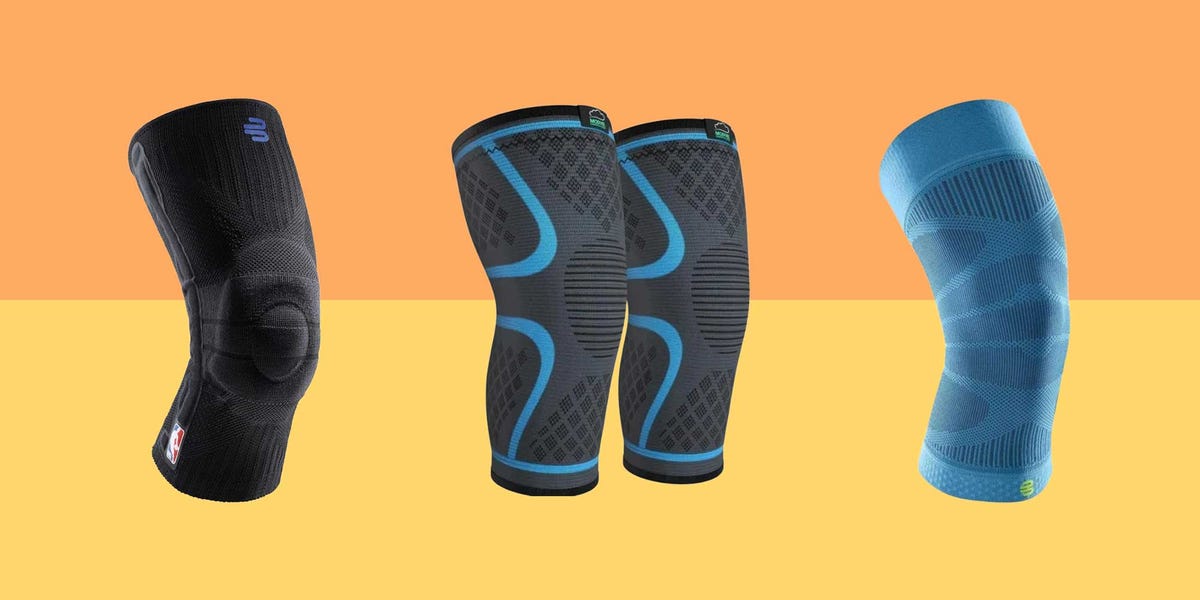
Knees are heroic little troublemakers. They help you run, squat, jump, climb stairs, carry groceries, chase toddlers, and occasionally remind youloudlythat you are not, in fact, still 19. Whether you are dealing with a sports injury, nagging knee pain, patellar tendon irritation, mild arthritis, post-workout soreness, or simple “my knee makes popcorn sounds” discomfort, the right knee brace can make movement feel more controlled and less dramatic.
The best knee braces for sports injuries and everyday support are not all built the same. A compression sleeve may be perfect for mild swelling and gym sessions, while a hinged knee brace is better for added stability after ligament sprains or unstable side-to-side movement. A patellar tendon strap can help runners and jumpers with pain below the kneecap, while an adjustable wrap is useful when your knee size changes throughout the day because swelling has entered the chat.
This guide breaks down eight strong knee brace options for different needs, from high-impact sports to walking, lifting, running, and daily wear. It also explains how to choose a knee brace without accidentally buying a medieval leg cage. As always, if you have sharp pain, major swelling, locking, buckling, numbness, or a recent injury, talk with a healthcare professional before relying on a brace.
How to Choose the Best Knee Brace
Match the brace to your knee problem
A knee brace should solve a specific problem. For mild soreness, stiffness, or light swelling, a compression sleeve may be enough. For ligament support, such as MCL, LCL, ACL, or PCL concerns, a hinged knee brace offers more structure. For pain around or below the kneecap, look for a patellar stabilizer, gel pad, open-patella design, or tendon strap. For osteoarthritis, especially one-sided joint pain, an unloading brace may be recommended by a clinician.
Think about your activity level
A runner usually needs breathability, low bulk, and no slipping. A basketball or volleyball player may need a brace that handles jumping, landing, and quick direction changes. A lifter may prefer thicker compression and warmth. Someone who stands at work all day may care more about comfort under pants than “maximum protection.” Your brace should fit your life, not turn every movement into a hardware installation project.
Prioritize fit over hype
A great knee brace that does not fit is just expensive laundry. Measure your thigh, knee, and calf according to the brand’s sizing chart. A brace should feel snug and supportive, not painfully tight. If your toes tingle, your skin changes color, or the brace leaves deep marks, loosen it or remove it. Support is good. Accidentally cutting off circulation is not a performance upgrade.
The 8 Best Knee Braces for Sports Injuries and Everyday Support
1. Bauerfeind Sports Knee Support NBA Best Overall Knee Brace for Active Support
The Bauerfeind Sports Knee Support NBA is a premium compression knee brace designed for athletes who want support without feeling like their leg is wrapped in a car tire. Its lightweight knit fabric is breathable and moisture-wicking, which matters when you are playing basketball, running drills, or simply walking on a hot day and hoping your knee does not file a complaint.
The standout feature is the molded pad around the kneecap. It helps distribute pressure and improve the feeling of stability around the joint. The brace also uses targeted compression, which can help reduce the feeling of fatigue during activity. It is not a rigid brace for severe instability, but for everyday sports support, mild knee pain, and general movement confidence, it is one of the most comfortable high-end options.
Best for: basketball, gym workouts, walking, light running, mild patellar discomfort, and athletes who want premium compression.
Skip it if: you need rigid ligament protection or post-surgical stabilization.
2. DonJoy Performance Bionic FullStop Knee Brace Best for ACL and Ligament Protection
If the Bauerfeind is the sleek sports car of knee braces, the DonJoy Performance Bionic FullStop is the SUV with reinforced doors. This brace is built for serious support, especially for athletes concerned about ACL protection, hyperextension, meniscus irritation, or ligament instability. It uses bilateral hinges and a four-strap design to help guide the knee and reduce risky motion during aggressive movement.
The FullStop hinge technology is designed to resist the final degrees of extension, which may help discourage the knee from moving into vulnerable positions. That makes it especially interesting for sports with cutting, pivoting, and landing, such as football, basketball, soccer, skiing, and lacrosse. It is bulkier than a sleeve, but that is the trade-off for more structured control.
Best for: ACL support, hyperextension concerns, high-impact sports, and athletes returning from ligament injuries with professional guidance.
Skip it if: you only need light everyday compression or want something invisible under slim pants.
3. McDavid 429X Hinged Knee Brace Best Heavy-Duty Hinged Knee Brace
The McDavid 429X is a strong choice for people who want serious medial and lateral support without stepping into fully custom medical brace territory. It features bilateral geared polycentric hinges, steel supports, cross straps, and a padded open patella design. Translation: it tries to keep your knee moving naturally while reducing unwanted side-to-side and rotational movement.
This knee brace is popular among athletes dealing with sprains, instability, meniscus issues, or recovery from moderate knee injuries. The cross straps add compression and a more locked-in feel, while the hinged design provides structure during movement. It is not the lightest option, and it may feel warm during long sessions, but for protection and stability, it earns its place.
Best for: meniscus irritation, MCL or LCL support, ligament sprains, court sports, field sports, and heavier-duty training.
Skip it if: you want a soft sleeve for casual walking or mild stiffness.
4. Shock Doctor Ultra Knee Support with Bilateral Hinges Best for Contact Sports
The Shock Doctor Ultra Knee Support with Bilateral Hinges is designed for maximum protection and joint stability. It uses bilateral hinges, support stays, and a wrap-style strap system to create a secure, reinforced fit. For athletes in contact or collision sports, this brace offers a reassuring level of structure without feeling as clinical as some orthopedic braces.
Its pre-curved design helps it sit more naturally around the knee, while the open-patella area supports the kneecap and improves comfort. The back panel is often more flexible than the front, which helps reduce bunching behind the knee. This is not the brace you wear because you “sort of feel tight after yoga.” It is better for people who need real support during demanding movement.
Best for: football, hockey, wrestling, basketball, heavy gym sessions, and moderate-to-major support needs.
Skip it if: you dislike bulky braces or only need gentle compression.
5. NEENCA Professional Knee Brace Best Value Stabilized Sleeve
The NEENCA Professional Knee Brace is a smart middle ground between a basic compression sleeve and a full hinged brace. It usually includes a patella gel pad, side spring stabilizers, anti-slip strips, and stretchy knitted fabric. That combination makes it useful for people who want more guidance around the kneecap but do not want the bulk of metal hinges.
This brace works well for mild knee pain, general sports support, gym training, walking, and everyday movement. The patella gel pad helps center and cushion the kneecap area, while the side stabilizers add a little extra confidence during bending and stepping. It is not a substitute for a medical brace after a significant injury, but for the price, it offers a lot of features.
Best for: budget-friendly support, patellar tracking concerns, mild arthritis discomfort, workouts, and daily wear.
Skip it if: you need rigid support for major instability or post-operative protection.
6. CAMBIVO 2-Pack Knee Compression Sleeves Best Budget Knee Sleeves
The CAMBIVO 2-Pack Knee Compression Sleeves are simple, affordable, and practical. They are designed with stretchy knitted compression fabric that helps keep the knee warm and supported during workouts, running, hiking, walking, or daily tasks. The two-pack format is especially useful because knees, like socks, often prefer having a backup.
These sleeves are best for mild support, light swelling, stiffness, and general comfort. They do not provide the structure of a hinged brace, and they will not stop major side-to-side movement. But for people who want an easy sleeve to wear at the gym, during chores, or on long walks, they are a strong low-cost option.
Best for: mild soreness, gym workouts, walking, hiking, budget shoppers, and people who want support for both knees.
Skip it if: your knee buckles, shifts, or needs ligament-level stabilization.
7. ACE Adjustable Knee Support with Side Stabilizers Best Everyday Adjustable Knee Brace
The ACE Adjustable Knee Support with Side Stabilizers is a dependable everyday brace for stiff, weak, or sore knees. It has adjustable straps, dual side stabilizers, breathable neoprene-blend material, and a flexible design that allows a full range of motion. In plain English, it is easy to use, widely available, and friendly to people who do not want to study an instruction manual before walking the dog.
The adjustable design is the main advantage. If your knee swells during the day, you can loosen the straps. If you need more compression for a short walk or light activity, you can tighten them. It is not a high-performance sports brace, but for daily support, errands, work, and casual activity, it is very practical.
Best for: everyday support, adjustable compression, mild instability, walking, errands, and occasional knee soreness.
Skip it if: you need a sport-specific brace for cutting, jumping, or contact play.
8. Pro-Tec Athletics Gel Force Knee Support Best for Patellar Comfort and Running
The Pro-Tec Athletics Gel Force Knee Support is designed for people who want moderate support around the kneecap without wearing a heavy brace. It includes a gel oval around the patella, medial and lateral spiral stays, and breathable compression fabric. That makes it especially useful for runners, walkers, and athletes dealing with patellofemoral discomfort or kneecap-area irritation.
The gel ring helps cushion and stabilize the patella, while the spiral stays add support on the inside and outside of the knee. It is lower profile than many hinged braces and easier to wear during repetitive movement. For anterior knee pain, runner’s knee symptoms, and general patellar support, it is a comfortable option.
Best for: running, walking, patellar tracking support, patellofemoral pain, and moderate everyday stability.
Skip it if: you need maximum support for ligament injuries or severe instability.
Knee Brace Types Explained
Compression sleeves
Compression sleeves are the easiest knee supports to wear. They slide over the knee and provide warmth, mild compression, and a feeling of support. They are best for soreness, minor swelling, gym workouts, and everyday comfort. They are not ideal for serious ligament instability.
Hinged knee braces
Hinged braces add mechanical support on both sides of the knee. They are commonly used for ligament sprains, instability, and higher-risk sports. Some are soft and flexible; others are rigid and medical-grade. If your knee feels like it shifts or buckles, a hinged brace may be more appropriate than a sleeve.
Open-patella braces
An open-patella brace has a hole or support ring around the kneecap. This design may reduce pressure on the patella and help guide tracking. It can be useful for kneecap pain, patellofemoral discomfort, or people who dislike pressure directly over the kneecap.
Patellar tendon straps
Patellar straps sit below the kneecap and apply targeted pressure to the patellar tendon. They are small, lightweight, and often used for jumper’s knee or pain below the kneecap. They are not designed to stabilize the entire knee joint.
What to Look for Before Buying
Support level
Choose light compression for mild soreness, moderate support for patellar discomfort or minor instability, and hinged support for ligament concerns. More support is not always better. Wearing a bulky brace for mild stiffness can feel like bringing a snowplow to sweep a porch.
Breathability
If you plan to wear a brace during sports or all-day activities, breathable fabric matters. Neoprene is warm and supportive but can feel sweaty. Knit compression sleeves are usually cooler and lower profile.
Anti-slip design
A brace that slides down every five minutes is not a brace; it is a migration event. Look for silicone grip strips, adjustable straps, contoured sizing, or anti-migration technology if you plan to run, jump, or move for long periods.
Ease of cleaning
Sweaty braces need cleaning. Check whether the product can be hand-washed or machine-washed. Hinged braces usually require more careful cleaning, while basic sleeves are often easier to maintain.
When Should You Wear a Knee Brace?
You may benefit from a knee brace during activities that trigger discomfort, such as running, hiking, lifting, playing sports, climbing stairs, or standing for long periods. Some people wear braces during recovery from injury, while others use them for confidence during exercise. However, a brace should not become a permanent replacement for strength and mobility work unless your clinician advises it.
The muscles around the kneeespecially the quadriceps, hamstrings, calves, and hipsplay a major role in knee stability. If you rely on a brace all the time and avoid strengthening, your knee may feel supported temporarily but not improve long-term. A brace is best used as part of a bigger plan that may include exercise, stretching, physical therapy, load management, better footwear, and proper recovery.
Safety Tips for Using a Knee Brace
Start by wearing the brace for short periods and checking your skin afterward. Make sure it does not pinch, roll, slide, or cause numbness. Do not sleep in a knee brace unless your healthcare provider specifically recommends it. Avoid wearing a brace so tight that it causes swelling below the knee. If pain gets worse while using it, stop and reassess.
Seek medical care if you hear a pop during injury, cannot bear weight, have severe swelling, experience locking or catching, feel repeated buckling, or notice redness, heat, fever, or calf pain. Braces are helpful tools, but they are not magic wands. Sadly, no brace has yet been approved to turn a weekend warrior into an Olympic sprinter by Tuesday.
Real-World Experience: What Wearing a Knee Brace Actually Feels Like
Using a knee brace in real life is less glamorous than product photos suggest. Nobody is standing on a mountain at sunrise every time they slide on a sleeve. Most of the time, you are trying to get through a workout, a work shift, a grocery run, or a walk around the neighborhood without your knee acting like it has unionized. The first thing most people notice is confidence. A good brace can make the knee feel warmer, more supported, and less unpredictable. That psychological boost matters, especially after an injury when every step feels like a negotiation.
For sports, the experience depends heavily on the brace type. A compression sleeve feels easy and natural during warmups, treadmill work, cycling, or light lifting. It adds gentle pressure without changing your stride too much. The downside is that sleeves can slip if the size is wrong or if sweat turns your leg into a water slide. Hinged braces feel more protective, especially during cutting or side-to-side movement, but they are bulkier. The first few sessions may feel awkward, and you may need to adjust straps several times before finding the sweet spot between secure and “why is my foot asleep?”
For everyday support, comfort becomes the king. A brace that feels great for a 30-minute workout may feel annoying after six hours at work. Behind-the-knee bunching is one of the most common complaints. Breathable fabric helps, but proper sizing matters even more. If you sit often, choose a brace that bends comfortably and does not dig into the back of your knee. If you stand all day, look for stable compression and anti-slip features.
Another real-world lesson: braces work best when paired with smarter habits. If running downhill always causes pain, a brace may help, but shortening your stride and strengthening your hips may help more. If squats hurt, the answer may involve load, depth, footwear, form, or mobilitynot just a thicker sleeve. The brace should support better movement, not give you permission to ignore every warning sign your body sends.
Cleaning also matters more than people admit. A knee brace can become impressively fragrant after sports. Hand-wash it, air-dry it, and avoid tossing a hinged brace into a dryer unless you enjoy expensive sadness. Keep a second sleeve if you train often. Your kneesand everyone within six feet of your gym bagwill appreciate it.
The best personal test is simple: after wearing the brace, do you move better, feel more stable, and recover without increased pain? If yes, you may have found a useful tool. If the brace causes new discomfort, slips constantly, or makes you move unnaturally, try another size or style. The best knee brace is not the fanciest one. It is the one you will actually wear correctly.
Final Verdict
The best knee brace depends on what your knee needs most. For premium athletic compression, the Bauerfeind Sports Knee Support NBA is a standout. For ACL and ligament protection, the DonJoy Performance Bionic FullStop offers serious structure. For heavy-duty hinged support at a more accessible level, the McDavid 429X is a strong pick. For contact sports, the Shock Doctor Ultra Knee Support brings maximum protection. For value, NEENCA and CAMBIVO offer practical support without emptying your wallet. For everyday adjustable comfort, ACE is dependable. For patellar support and running comfort, Pro-Tec’s Gel Force Knee Support is a smart choice.
A knee brace can help you stay active, reduce discomfort, and feel more secure during movement. But it should be chosen carefully, fitted properly, and used wisely. The goal is not to become emotionally dependent on elastic and hinges. The goal is to move better, recover smarter, and keep your knees happy enough to let you enjoy life without sounding like a haunted staircase.
Note: This article is for informational and shopping guidance only. It is not a substitute for medical advice, diagnosis, or treatment. For persistent pain, swelling, instability, or injury recovery, consult a licensed healthcare professional.














