
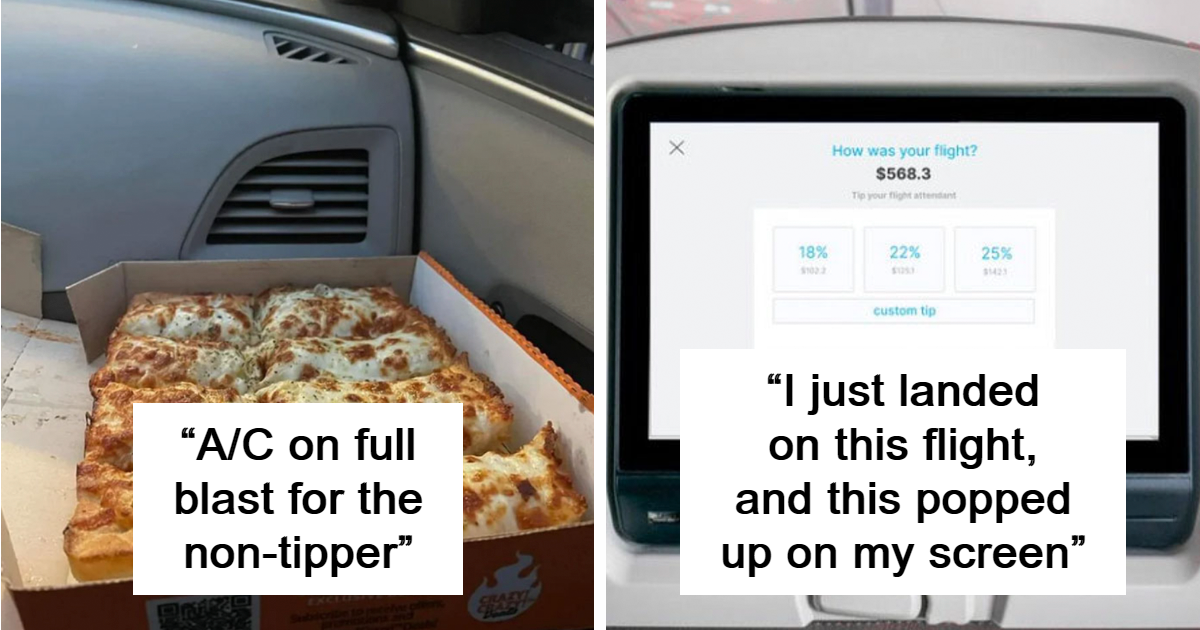
If the modern internet had a soundtrack, one of the background noises would be the soft, emotionally manipulative swivel of a payment tablet. You know the move. The cashier rings up a muffin, rotates the screen toward you like they are unveiling the Mona Lisa, and suddenly your choices are 20%, 25%, 30%, or the tiny, shame-colored “other” button hiding in the corner like it owes somebody money.
That little moment has become one of the most roasted experiences online. Over the last few years, Americans have argued, joked, complained, and posted screenshots about “tip creep,” “tipflation,” and “guilt tipping” with the kind of passion normally reserved for gas prices and playoff officiating. The backlash is not really about generosity. Most people still want to reward good service. What they do not love is being asked to tip in places where tipping used to make absolutely no sense, or being hit with a mystery fee and then a tip line on top of it like the bill is running a side hustle.
That is why posts about outrageous tip prompts spread so fast. They are funny, yes, but they also tap into a real frustration: customers feel social pressure, workers feel trapped in a system they did not design, and businesses keep experimenting with screens, fees, and prompts that can make buying a sandwich feel like a moral exam. So let’s talk about the 50 kinds of tipping moments that made people drag the whole situation online.
Why tipping backlash got so loud
The reason these stories keep catching fire is simple: tipping expectations expanded faster than social norms could keep up. Plenty of Americans are still comfortable tipping in traditional service settings like sit-down restaurants, bars, delivery, and salons. But once tip prompts started showing up at self-checkout kiosks, pickup counters, and fast-casual chains, the whole thing began to feel less like hospitality and more like a pop quiz nobody studied for.
Add in service charges, “wellness” fees, app surcharges, kitchen appreciation fees, and pre-entered percentages that start where old-school tipping used to end, and you get a perfect recipe for online mockery. People are not only asking, “Should I tip?” They are also asking, “Who gets this money?” “Is this replacing wages?” “Does this fee already count?” and “Why am I tipping a machine that just blinked at me?” Those are not small questions. They go straight to trust.
And trust is the whole game. When a tip feels like a thank-you, people are usually fine. When it feels like a pressure tactic, the screenshots come out. Fast.
50 times tipping crossed the line and the internet roasted it
- The self-checkout sandwich kiosk. You grabbed a premade sandwich, scanned it yourself, paid on your own, and then a tip screen popped up like the refrigerator had provided emotional support.
- The airport grab-and-go cooler. Nothing says “out of control” like being asked to tip 25% on trail mix and a lukewarm iced tea you fished out of a fridge yourself.
- The drip coffee screen that started at 25%. Americans will debate taxes, football, and pizza forever, but a tip prompt starting at 25% for plain coffee is what really unites the nation.
- The takeout counter asking before the food existed. Tipping before the kitchen even starts cooking feels less like gratitude and more like betting on a horse you have not seen run.
- The fast-casual burrito line acting like full service. If customers order standing up, carry their own tray, refill their own drink, and bus their own table, the 30% suggestion gets side-eye for a reason.
- The food truck wanting a big tip on a bottled soda. When the labor involved is opening a cooler, people online tend to become philosophers of fairness very quickly.
- The bakery guilt prompt over one croissant. Paying extra for a pastry already flirting with luxury pricing can make the checkout screen feel like a tiny French revolution.
- The frozen yogurt shop where customers did everything. You dispensed the yogurt, added the toppings, weighed the cup, and still got asked for a generous tip. At that point, who is serving whom?
- The pick-your-own strawberry farm tip request. When customers harvest the fruit themselves and still see a gratuity prompt, the internet usually responds with the digital equivalent of a long, tired stare.
- The dermatologist office tip prompt. Being asked to tip in a medical setting makes people feel like they accidentally wandered into a satire sketch.
- The car mechanic card reader. Americans already brace for impact at the auto shop. A tip prompt on top of the repair bill is how you create a viral rant before the oil change is even done.
- The movie theater ticket counter. Buying a ticket is not table service, and social media was more than happy to point that out with all the subtlety of a popcorn bucket to the head.
- The indoor golf checkout screen. A digital nudge for extra money at a recreational venue made people ask the obvious question: are we tipping the golf simulator now?
- The grocery prepared-foods counter going full tip theater. Pick up a boxed salad, tap your card, decline a 25% suggestion, and suddenly you feel like the villain in a very small drama.
- The hotel lobby snack shop. If the transaction is “scan chips, pay, leave,” many customers do not appreciate being treated like they just enjoyed a luxury concierge experience.
- The retail boutique checkout asking for gratuity. Buying a sweater should not feel like closing out a salon appointment.
- The stadium beer stand requesting a tip for cracking a can. Sports fans will tolerate a lot. Seventeen-dollar beer and a huge tip prompt on top of it is where the peace treaty starts to wobble.
- The online order page with fee after fee after fee. Service fee, delivery fee, small-order fee, and then a tip line. By the end, customers feel less like diners and more like accidental donors.
- The delivery app total that looked like a ransom note. People still tip drivers, but they roast the platforms when the checkout page turns into a surprise-fee obstacle course.
- The restaurant bill with a service charge and a blank tip line. If diners need a legal team to decode whether the staff already got paid, that bill is getting photographed.
- The “wellness fee” with no plain-English explanation. Customers are a lot calmer when restaurants simply raise prices than when they add mystery line items that sound like a spa surcharge for appetizers.
- The kitchen appreciation fee nobody fully understood. People are not against paying workers more. They just want to know where the money goes before being asked to add even more.
- The reservation platform asking for a tip before arrival. Tipping before anyone says hello is like applauding a movie trailer and then being billed for optimism.
- The coffee kiosk after a totally self-directed order. If a customer taps every option, enters their own name, and retrieves the drink from a pickup shelf, the tip prompt starts feeling aggressively optimistic.
- The merch table T-shirt tip request. Buying concert merch should not suddenly transform the customer into a patron of the performing arts endowment.
- The counter-service pizza slice with elite percentages. When the screen suggests 25% for handing over a slice on a paper plate, the comment section basically writes itself.
- The self-serve bagel counter. People are usually willing to pay for cream cheese. Paying a gratitude surcharge for assembling their own breakfast is another matter.
- The smoothie shop tablet flip with the employee watching. The pressure is not always the amount; sometimes it is the eye contact. Online, that detail gets mentioned every single time.
- The airport convenience store asking for kindness at scale. If the transaction feels indistinguishable from buying batteries at a pharmacy, customers tend to reject the emotional upgrade.
- The car wash kiosk requesting a tip before the wash even starts. Nothing inspires internet sarcasm quite like tipping a machine before it sprays soap on your windshield.
- The salon retail shelf checkout prompt. Most people understand tipping the stylist. Tipping on a bottle of shampoo you grabbed yourself is where the eyebrows go up.
- The dog treat boutique tip line. Americans adore pets. That does not mean they want a guilt screen attached to a bag of artisanal biscuits for Mr. Pickles.
- The museum café charging extra on bottled water and a muffin. A museum visit is supposed to expand the mind, not make you question whether the checkout screen has become sentient.
- The cookie shop suggesting “generous” percentages. The internet gets especially cranky when sugary impulse purchases come with moral pressure baked right in.
- The drive-thru tip prompt before the bag hits your hand. Customers do not love pre-tipping in situations where accuracy, speed, and sauce distribution are still unresolved.
- The QR-code order that still expected a full-service tip. If diners scan, order, pay, and maybe even fetch their own utensils, they want the math to reflect that reality.
- The ghost kitchen order stacked with fees and then a tip. People are often willing to reward the driver, but they get irritated when the rest of the bill looks like a software subscription.
- The vending-style tech kiosk wanting appreciation. At some point, society has to decide whether automation wants efficiency or applause, because it probably cannot keep demanding both.
- The self-checkout at a stadium market. Customers doing unpaid cashier labor do not usually enjoy being invited to donate extra for the honor.
- The take-and-bake pizza pickup screen. Bringing home an uncooked pizza and still facing a heavy gratuity prompt is the kind of moment that turns regular people into amateur economists.
- The office lunch catering pickup suggestion. Tipping for a carefully prepared catering order makes sense. Tipping like it was a white-tablecloth experience when you simply collected boxes can feel off.
- The farmer’s market stall on bagged produce. Customers generally love supporting local vendors. They just do not always love adding a digital tip to prepacked peaches.
- The candy store checkout nudge. When the product was scooped or boxed long before you arrived, a tip prompt can feel like the store is trying to crowdsource payroll through nostalgia.
- The hotel breakfast buffet tip request by the waffle maker. If you poured your own batter, flipped your own waffle, and found your own syrup, the screen’s boldness becomes the main course.
- The digital receipt email asking for a tip after the sale. Customers do not expect a follow-up relationship with the checkout process. Nobody wants an invoice that circles back for feelings.
- The pickup locker app requesting gratuity. Zero human interaction, zero table service, one giant tip prompt. The internet tends to classify that as comedy, not hospitality.
- The tiny “No Tip” button hidden like state secrets. People especially resent interfaces designed to make declining feel awkward, inconvenient, or vaguely criminal.
- The 20% suggestion on top of already inflated prices. Customers are not blind. They notice when menu prices climb, portions shrink, and tip suggestions still act like 2019 never happened.
- The “custom tip” box doing emotional damage. Nothing screams subtle pressure quite like forcing someone to manually type “0” while another human waits in silence three feet away.
- The charge that was not called a tip but sure behaved like one. Service charge, hospitality fee, operational support add-on, wellness contribution. If the wording gets too creative, people assume the bill is hiding something.
- The payment screen that made generosity feel mandatory. This is the common thread in almost every viral post. People do not mind tipping. They mind being cornered by design.
What these viral tipping complaints are really about
It is not just stinginess
A lot of these posts get dismissed as people being cheap. That misses the point. The real complaint is about mismatch. Americans still largely understand traditional tipping in places where service is personal, ongoing, and labor-intensive. The anger rises when the ask no longer matches the service. A tip is supposed to feel earned, not automatically attached to every card transaction like a software update nobody requested.
Digital payment changed the psychology
Cash jars were easy to ignore. Tablet prompts are harder to escape because they are built into the flow of the sale. Suggested percentages also changed the emotional baseline. Once 18%, 20%, and 25% became the default screen, choosing nothing began to feel socially louder than it should. That is why so many people describe these moments as “guilt tipping.” The technology did not just digitize generosity; it also weaponized awkwardness.
Workers are caught in the middle
This is also why the conversation gets messy. Many employees do depend on tips, and in some parts of the country the wage structure still leans heavily on them. That makes customers reluctant to punish workers for a system they did not invent. But it also makes customers furious when businesses appear to outsource compensation to confusing screens and surprise fees. In other words, people are not always rebelling against workers. Often, they are rebelling against the business model.
Service fees made everything murkier
Restaurants and food businesses have experimented with service charges, wellness fees, kitchen fees, and no-tipping models to handle labor costs, benefits, inflation, and wage pressures. Some operators explain those policies clearly. Others do not. Once diners stop knowing whether a charge goes to staff, to the house, or to some blend of both, resentment sets in. Online, confusion travels fast, and nuance usually arrives late.
The everyday experience behind tipping fatigue
To understand why this topic feels so personal, picture a totally normal American day. You stop for coffee before work. The person at the register is polite, but the interaction lasts maybe 20 seconds. The tablet asks for 20%, 25%, or 30%, and the person is standing there while you decide whether declining makes you look stingy. At lunch, you grab a salad at a counter, fill your own drink, and clean up your own table. The payment screen asks for another big tip. That evening, you order delivery because you are exhausted. The app adds a delivery fee, service fee, taxes, maybe a small-order fee, and then still asks for a tip. By the time dinner arrives, you are no longer thinking only about food. You are thinking about systems, fairness, wages, pricing, and whether every transaction in modern life is now also a tiny ethics seminar.
That is the emotional engine behind tipping fatigue. It is not one outrageous prompt by itself. It is the accumulation. It is death by a thousand swiveling tablets. People feel nickeled-and-dimed, but they also feel guilty for feeling that way because they know workers are trying to survive. So the frustration gets redirected into jokes, screenshots, memes, and angry posts that say, in essence, “I am happy to be generous, but can we please stop pretending every checkout screen deserves the same social rules as a sit-down meal?”
There is also a class issue buried in the conversation. Plenty of people simply do not have much margin left. When food prices, rent, transportation, and everyday essentials all climb, every extra prompt feels heavier. A customer who says no to a tip on a muffin is not necessarily anti-worker; they may just be doing mental math in real time. Meanwhile, the worker on the other side of the screen may also be underpaid, overworked, and hoping customers will help close the gap. That is what makes the whole situation so combustible. Both sides can feel squeezed at once.
And yet, the internet keeps returning to humor because humor is how people process absurdity. A dermatologist office asking for a tip sounds ridiculous because it violates the script people thought they understood. A self-checkout kiosk asking for 25% sounds ridiculous because it exposes how far automated generosity can stretch before it snaps. Those posts go viral not just because they are funny, but because they make people feel less alone in their confusion. They say, “Wait, you got asked for that too?”
Ultimately, the most successful businesses will probably be the ones that stop playing games. Clear prices, clear policies, clear explanations, and tip requests that actually fit the service tend to feel more respectful than digital nudges and mystery fees. Customers do not need perfection. They need honesty. Workers do not need awkward guilt rituals. They need fair compensation. And the internet, frankly, would love one less insane tip screen to roast before breakfast.
Final take
Tipping did not become controversial because people forgot how to say thank you. It became controversial because the rules got blurry, the prompts got pushier, and the line between appreciation and obligation started looking like it had been drawn by a committee using disappearing ink. The online shaming, jokes, and screenshots are really a public demand for clarity. People are saying they still believe in rewarding great service. They just do not want to tip a kiosk, decode a secret fee menu, or feel socially blackmailed into subsidizing every transaction in America.
So yes, tipping went too far online because tipping went too far offline first. And until businesses make the experience simpler, fairer, and more transparent, the internet is going to keep doing what it does best: screenshotting the madness and laughing so it does not scream.














