
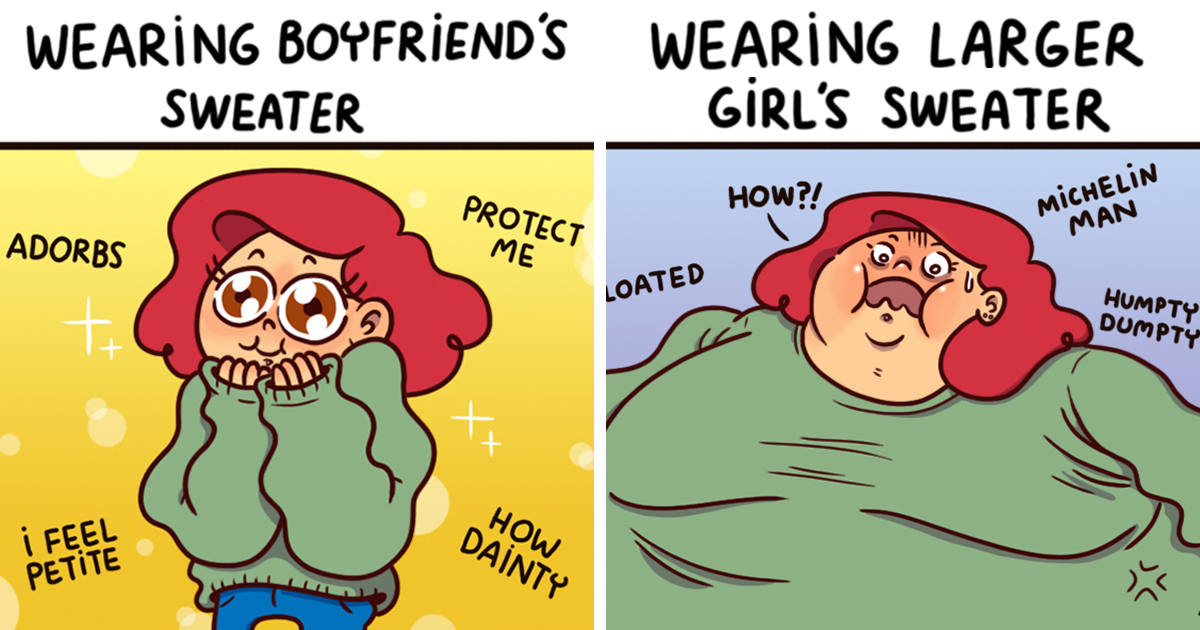
Note: This article is written from publicly available creator information, comics coverage, publisher records, and general webcomic industry context. No comic panels, copyrighted captions, or source-code-style reference tags are reproduced.
Some comics try to explain the meaning of life. Others simply point at your most embarrassing habits, hand you a mirror, and whisper, “Behold, your true form: snack goblin.” The webcomic series It’s Weinye, created by Malaysian illustrator and webcomic artist Weinye Chen, lives deliciously in that second category. It is funny, self-aware, visually charming, and powered by a redheaded cartoon avatar who looks like she has survived one too many awkward social interactions and has chosen sarcasm as a wellness practice.
The title “Hilariously Relatable Comics About A Malaysian Redhead (Who Is Actually Me)” works because it instantly tells readers what they are getting: autobiographical comics, a strong character identity, and humor that feels suspiciously personal. These are not giant fantasy battles or superhero universes where everyone has perfect hair during explosions. These are slice-of-life comics about everyday emotions, love, food cravings, tiny frustrations, and the strange comedy of being a human with Wi-Fi, feelings, and possibly too many potato chips nearby.
At the center is Weinye’s grumpy, brutally honest redheaded avatar, a fictionalized version of herself. Born in Kuala Lumpur, Malaysia, and later educated in illustration in San Francisco, Weinye built a comic voice that blends Malaysian background, American city experience, digital-age humor, and the eternal truth that adulthood is mostly pretending to know what you are doing while your laundry watches silently from a chair.
Who Is Weinye Chen?
Weinye Chen is a Malaysian illustrator, webcomic artist, and digital content creator best known for the slice-of-life comic series It’s Weinye. Her creator story has the perfect origin-story ingredients: a childhood love of drawing, a move from Malaysia to San Francisco, a formal illustration background, and a return to comics as the medium where her personality could run freely without shoes.
Her work has grown beyond casual social posting. She has been associated with comic anthologies such as Block Party – Webcomics Anthology, SHIPS: Comics About Love & Relationships, and HUMANIA: Comics About Pets & Animals. She has also been credited as a colorist on published graphic novels, including work connected to Huda Fahmy’s Huda F Cares? and Huda F Wants to Know?. That matters because it shows the difference between “person who posts funny doodles online” and “professional artist with a recognizable style, publishing experience, and a loyal audience.”
Still, the heart of her appeal remains simple: she turns ordinary experiences into compact visual jokes. Her comics are short, direct, expressive, and easy to share. In an online world where people scroll at the speed of panic, that is a superpower.
Why the Malaysian Redhead Character Works So Well
A redheaded Malaysian cartoon avatar is memorable before the punchline even arrives. Visually, the character stands out in a crowded feed. Narratively, she works because she is not presented as an unreachable fantasy version of the artist. She is messy, annoyed, hungry, loving, awkward, and emotionally honest. In other words, she is relatable because she is not trying to look like the official spokesperson for Having Everything Together.
The best relatable comics often depend on a strong character silhouette. Weinye’s avatar is instantly recognizable: expressive hair, sharp reactions, and a face that can communicate “I am fine” while clearly meaning “I have made a terrible decision and will now blame the universe.” This kind of character design helps readers form a quick emotional connection. You do not need a long introduction. You see the character, read a few panels, and understand the vibe immediately.
The redhead detail also gives the comics a playful contrast. Malaysian identity is not often represented in mainstream Western webcomic spaces, and the unexpected visual choice makes the character feel both personal and distinctive. She is not a generic “girl in comic.” She is Weinye’s comic self: a specific, exaggerated, funny avatar built for confession, comedy, and side-eye.
The Magic of Relatable Slice-of-Life Comics
Slice-of-life comics are powerful because they make tiny moments feel important. A funny bedtime problem, an awkward crush, a bad mood, a snack craving, a pet’s weird behavior, or the emotional drama of choosing what to eat can become a complete story. No dragon required. Unless the dragon is your inbox, in which case, yes, we all understand.
It’s Weinye succeeds because it understands that small experiences are rarely small while we are living them. Being too warm under a blanket but unwilling to remove it? That is not a minor inconvenience; that is a domestic thriller. Wanting affection but also wanting personal space? That is not confusion; that is the human operating system glitching in real time. Seeing a meme, recognizing yourself in it, and feeling personally attacked by a drawing? That is modern literature wearing sneakers.
The humor often comes from exaggerating the emotional truth of a situation. The situation may be simple, but the reaction is enormous. This is why readers share these comics with friends and say, “This is literally me.” The word “literally” is doing Olympic-level exaggeration there, but the feeling is real.
Autobiographical Humor Without Oversharing
One reason autobiographical webcomics are so popular is that they offer intimacy without requiring a diary-length confession. The creator can reveal personality, memory, cultural background, romantic chaos, or social anxiety in a way that feels light and approachable. The reader feels invited in, not trapped in someone else’s emotional basement.
Weinye’s comics use this strength well. Her redheaded avatar is “actually me,” but still stylized enough to function as a comic character. That small distance matters. It lets the artist turn real feelings into playful scenes. The avatar can be more dramatic, more blunt, more expressive, and more cartoonishly defeated by daily life than a real person might be in public. It is honesty with a safety helmet.
This is also why the comics appeal beyond Malaysia. The setting and identity may be specific, but the emotional beats are universal. Awkward conversations, romantic expectations, introvert logic, food obsession, sleep struggles, and pet-related nonsense do not need passports. They travel extremely well.
Common Themes in “It’s Weinye” Comics
Love, Dating, and Relationship Logic
Relationship comics are a natural home for Weinye’s style because love is basically a group project where everyone forgot to read the instructions. Her comics often explore the push-and-pull of affection: wanting attention, needing space, feeling insecure, being silly with a partner, or discovering that romance and ridiculousness are not enemies. They are roommates.
Instead of presenting relationships as polished movie scenes, the comics lean into the everyday details. The funny part is not always the grand romantic gesture. Sometimes it is the small misunderstanding, the tiny jealous thought, the weird habit, or the moment when two people realize they are both deeply strange and somehow still compatible.
Food, Cravings, and Snack-Based Identity
Food humor is another major engine of relatability. Many readers recognize the emotional seriousness of cravings. A snack is not just a snack. It is comfort, reward, procrastination fuel, and sometimes the only thing standing between a person and becoming a public menace.
Weinye’s Malaysian background also gives food-related art extra personality. Her portfolio includes Malaysian snack-inspired illustrations, and that sensibility fits beautifully with the comic world. Food is culture, memory, comfort, and comedy. It is also the reason many of us open the fridge repeatedly as if new plot developments will appear between the eggs and the leftover rice.
Social Awkwardness and Brutal Honesty
The redheaded avatar’s grumpy honesty is part of the charm. She says, reacts, and emotes in ways many people secretly understand but would not dare perform in a meeting, classroom, group chat, or family dinner. That is the fun of comics: a cartoon can express your internal scream while you sit politely in real life saying, “No worries!” when there are, in fact, several worries.
Relatable comics often act like emotional subtitles. They translate the things we feel but rarely announce. Weinye’s style is especially good at this because the face, body language, and timing do so much of the work. A raised eyebrow or exaggerated posture can land a joke before the final line even appears.
Pets, Animals, and Tiny Domestic Chaos
Weinye’s broader creative work includes pet and animal-related comic projects, and that makes sense. Animals are natural comic partners because they behave like tiny roommates who do not pay rent but somehow control the household. Cats, dogs, and imaginary creatures can turn ordinary life into a low-stakes circus.
Pet humor also expands the emotional range of the comics. It can be silly, warm, chaotic, and oddly tender. A pet comic can begin as a joke about inconvenience and end as a reminder that love often looks like cleaning up a mess you did not make while saying, “I would die for you, tiny disaster.”
Why Readers See Themselves in These Comics
The phrase “relatable comics” gets used everywhere, but true relatability is not just about common situations. It is about recognition. A reader laughs because the comic captures a feeling with suspicious accuracy. The best panels make people think, “How did this artist get into my head, and did they also see the browser tabs I forgot to close?”
Weinye’s comics work because they balance specificity and universality. The redheaded Malaysian avatar is specific. The moods she experiences are universal. The result feels personal without becoming narrow. A reader does not need to have the same background, hairstyle, or life path to understand the emotional joke. They only need to have been tired, hungry, awkward, affectionate, dramatic, or briefly defeated by a blanket.
This is the secret sauce of many successful Instagram-era comics. They are fast to read, easy to understand, visually branded, emotionally recognizable, and shareable. A comic can function as a joke, a confession, and a social signal all at once. When someone shares a panel, they are often saying, “This explains me better than I can.”
The Role of Instagram and Web Platforms
Modern webcomics thrive on platforms that reward visual clarity and emotional immediacy. Instagram, Facebook, Pinterest, and other image-driven spaces helped many independent artists reach audiences without waiting for traditional gatekeepers. For a creator like Weinye, social media is not just a gallery. It is a distribution system, community space, portfolio, and comedy stage.
Short comics fit naturally into the scroll. They can be consumed quickly but remembered for a long time. They also invite comments, tagging, and sharing. A reader sees a comic about sleep, love, food, or social awkwardness and immediately sends it to a friend with the digital equivalent of pointing across the room and yelling, “You.”
This shareability helps explain why It’s Weinye has built such a strong following. The comics do not ask readers to study a complicated fictional universe before laughing. They start with life. The universe is already complicated enough.
What Makes the Art Style So Effective?
Weinye’s comic style is clean, expressive, and character-focused. That matters because webcomics often have only a few seconds to grab attention. Overly busy panels can get lost on small screens. A clear character, strong expression, and readable composition make the joke land faster.
The redheaded avatar’s exaggerated reactions are especially important. In comedy comics, facial expression is timing. A deadpan stare can be the punchline. A dramatic pose can turn a tiny inconvenience into an epic collapse. A simple change in the eyes can communicate suspicion, joy, panic, or the very specific emotion of seeing someone eat the snack you were saving.
Color also helps build brand recognition. The warm visual identity around the redheaded character makes the comics easy to spot. In a feed full of thumbnails competing for attention, recognizability is not just artistic flair. It is survival.
Why Malaysian Representation Matters in Webcomics
Representation in comics does not always need to arrive wearing a parade banner. Sometimes it appears through voice, food, habits, family references, language rhythms, or the simple presence of a Malaysian creator making work that travels globally. Weinye’s visibility adds texture to the online comics landscape because it shows that relatable humor does not belong to only one cultural center.
For Malaysian readers, the comics may carry an extra layer of recognition. For international readers, they offer a reminder that specific identities can create broader connection, not limit it. The more personal the comic feels, the more real it becomes. The more real it becomes, the easier it is for people elsewhere to connect with it.
This is why “Malaysian redhead” is more than a quirky description. It is a compact identity marker. It says: this creator has a particular background, a distinctive visual persona, and a comic voice that does not need to flatten itself to be widely understood.
What Writers, Artists, and Creators Can Learn from “It’s Weinye”
Creators hoping to build relatable comics can learn several lessons from Weinye’s approach. First, a strong avatar helps. Readers remember characters before they remember usernames. Second, honesty matters more than perfection. A polished comic with no emotional truth is forgettable; a simple comic that nails a real feeling can live rent-free in people’s minds for years.
Third, everyday life is full of material. You do not need to wait for a dramatic event. Pay attention to tiny annoyances, weird habits, emotional contradictions, and moments when you behave like a raccoon in human clothing. Fourth, cultural specificity is a strength. The goal is not to erase identity to reach everyone. The goal is to tell the truth so clearly that people can recognize the feeling, even when the details differ.
Finally, humor works best when it has affection inside it. Weinye’s comics may be grumpy, sarcastic, and brutally honest, but they do not feel cruel. They laugh at human behavior with warmth. That is why readers come back. Nobody wants to be mocked by the internet. But being lovingly exposed by a cartoon? Apparently, yes. We crave it.
Experiences Related to “Hilariously Relatable Comics About A Malaysian Redhead (Who Is Actually Me)”
Reading comics like It’s Weinye feels a lot like overhearing your own inner monologue in a coffee shop, except the monologue has better hair and cleaner line art. The experience is funny because the stories are small enough to feel familiar but sharp enough to feel intentional. You are not just laughing at a cartoon character. You are laughing at the part of yourself that has absolutely made the same dramatic face over a minor inconvenience.
One of the most relatable experiences is the way these comics capture emotional overreaction. For example, everyone knows the feeling of planning a productive day and then being spiritually defeated by one tiny task. You tell yourself, “I will answer emails, clean my space, exercise, organize my life, and become the kind of person who owns matching storage containers.” Then you sit down, open your phone for “five minutes,” and wake up in a different century. A good relatable comic does not shame that behavior. It turns it into a joke you can survive.
Another familiar experience is the relationship between comfort and chaos. The redheaded avatar often feels like someone who wants peace, snacks, affection, independence, and maybe revenge on whoever invented responsibilities. That mix is funny because many people live there. We want to be mature, but we also want to cancel plans when the couch starts making valid arguments. We want to eat healthy, but fries exist. We want to be graceful, but doorframes keep attacking our shoulders.
These comics also reflect the experience of living between cultures and expectations. A Malaysian creator with a global audience can turn personal moments into cross-cultural comedy without making them feel like a lecture. That is valuable. Many readers know what it feels like to move, adapt, translate yourself, explain your habits, or carry home with you in food, jokes, family memories, and small rituals. Humor becomes a bridge. It says, “This is my life,” while leaving space for the reader to say, “Somehow, same.”
The redheaded avatar’s honesty also makes the comics comforting. In real life, people often perform politeness. We smile through awkwardness, pretend not to be bothered, and say “I’m okay” with the emotional stability of a shopping cart with one bad wheel. A comic character can tell the truth for us. She can look annoyed, tired, hungry, confused, or delighted without filtering every reaction through social expectations. That is freeing.
For artists, the experience is inspiring because it proves that personal stories do not have to be grand to matter. A tiny interaction can become a comic. A bad mood can become a punchline. A snack craving can become character development. A moment of homesickness, embarrassment, or affection can become something strangers understand. That is the quiet magic of autobiographical comics: they turn private feelings into public connection.
For readers, the experience is even simpler. You scroll, pause, laugh, and feel seen. Maybe you send the comic to a friend. Maybe you save it because it explains your personality better than your actual personality does. Maybe you simply enjoy the company of a redheaded Malaysian cartoon who appears to be navigating life with humor, attitude, and an impressive tolerance for chaos. Either way, the comic has done its job. It made ordinary life feel funnier, lighter, and a little less lonely.
Conclusion
Hilariously Relatable Comics About A Malaysian Redhead (Who Is Actually Me) is more than a catchy title. It captures the charm of Weinye Chen’s comic identity: personal, funny, specific, and instantly recognizable. Through her redheaded avatar, Weinye turns everyday life into bite-sized comedy that feels honest without becoming heavy. Love, food, awkwardness, pets, cultural identity, and emotional chaos all become material for comics that readers want to tag, save, and send to someone who “needs to see this.”
In a crowded digital world, It’s Weinye stands out because it understands the power of small truths. The comics do not need giant twists or dramatic speeches. They find humor in the moments people actually live: the blanket problem, the snack problem, the social battery problem, the relationship problem, and the eternal problem of being a person with feelings. That is why Weinye’s Malaysian redhead is not just “actually me” for the creator. For many readers, she is also “actually me,” which is both comforting and mildly alarming.














