
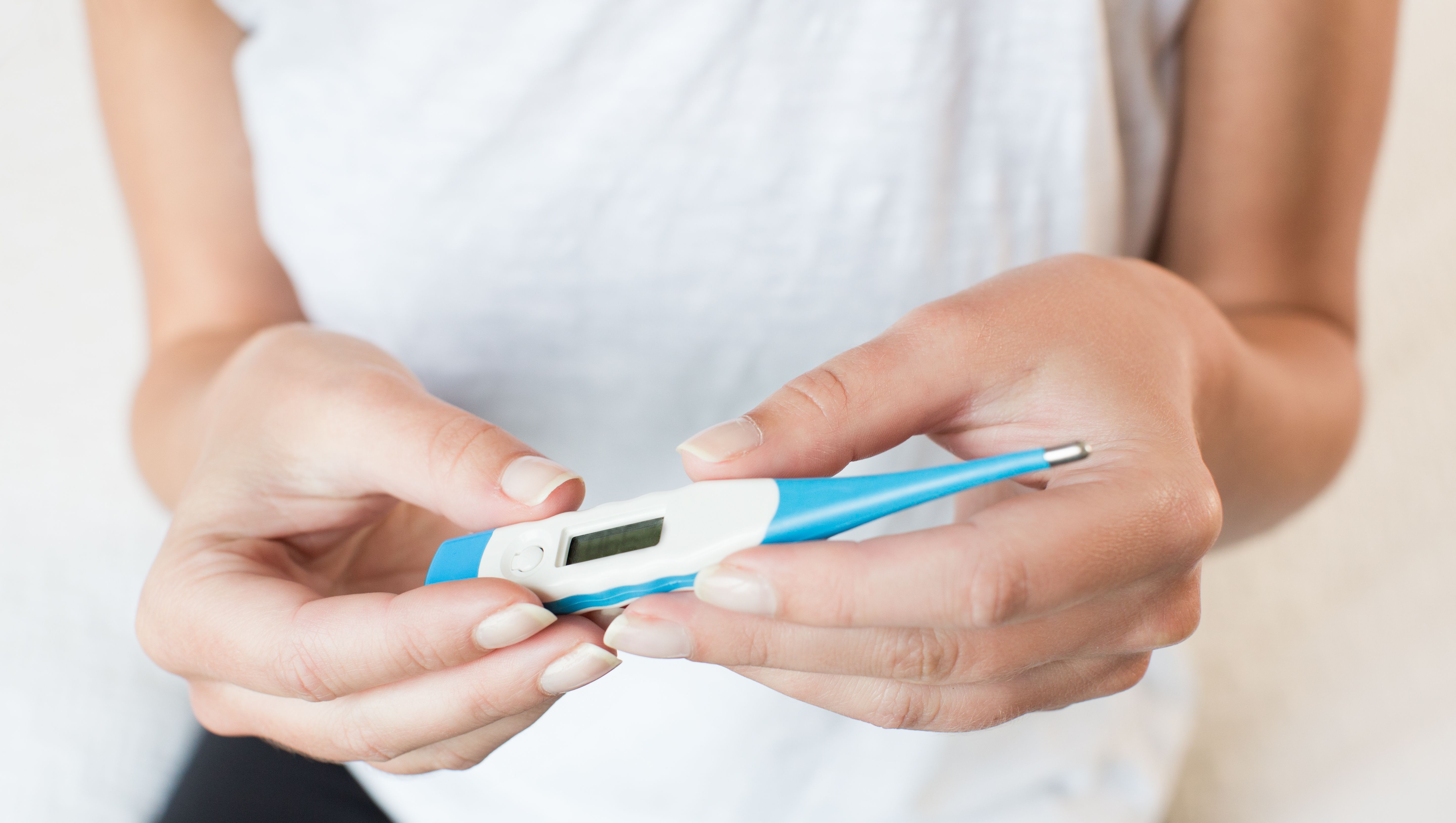
A “low” temperature reading can feel weirdly unfair. You’re shivering, you feel awful, you do the responsible thing and grab a thermometer…
and it basically shrugs at you with a 96-point-something. No fever. No dramatic numbers. Just a reading that makes you wonder:
Am I sick, or am I turning into a human popsicle?
Low body temperature can be totally harmless (hello, cheap thermometer and cold iced coffee). But it can also be a warning signsometimes
an emergencyespecially when the body’s core temperature drops too far or the “low” comes with concerning symptoms.
Let’s break down what low body temperature really means, how hypothermia works, when illness can drive temperature down instead of up,
and what to do next.
What Counts as “Low” Body Temperature?
Normal isn’t a single magic number
Most of us grew up believing normal body temperature is 98.6°F. That’s a useful reference point, not a strict rule. Your temperature
naturally shifts based on the time of day, your activity level, what you’re wearing, and where you’re measuring (mouth vs. ear vs. rectum).
Some healthy people run a little lower than “classic normal,” especially first thing in the morning.
The line that matters: 95°F
In most medical guidance, hypothermia is defined as a core body temperature below 95°F (35°C).
That’s the point where organs and body systems can start malfunctioning, and it’s treated as a medical emergency.
In other words: 96°F might be “huh, interesting,” but 94.9°F is “act now.”
A thermometer reality check
Before you blame your body, consider your gear. Oral readings can run lower than rectal (core) readings. Ear and forehead thermometers
can be sensitive to technique, earwax, sweat, and room temperature. Even an otherwise accurate thermometer can get thrown off if you just
drank something cold or you’re breathing through your mouth.
If the number looks suspicious, recheck after 10–15 minutes: sit indoors, avoid hot/cold drinks, and follow the device instructions like
your comfort depends on it (because sometimes it does).
Hypothermia: When “Cold” Becomes a Medical Emergency
Hypothermia happens when your body loses heat faster than it can make it. Cold air, wind, wet clothes, and cold water all speed up heat
loss. You don’t have to be climbing Everest. Hypothermia can happen outdoors and indoorsespecially in poorly heated homes, during power
outages, or in people who can’t move around easily.
Common signs and symptoms
Early hypothermia often starts with shiveringthe body’s built-in “turn the furnace on” function. As it worsens, symptoms can include
confusion, clumsiness, slurred speech, exhaustion, and drowsiness. In babies, signs can look different: cold skin and low energy are big
red flags.
Mild, moderate, severe: what changes as temperature drops
Clinicians commonly describe stages by core temperature. Mild hypothermia is often in the 90–95°F range and may still involve shivering.
As hypothermia becomes moderate to severe, shivering can decrease or stop, and the brain and heart become more vulnerableleading to
dangerous rhythm problems, loss of consciousness, and potentially death without prompt treatment.
Who’s at higher risk
- Older adults (less efficient temperature regulation; higher risk in cool homes)
- Infants (they lose heat faster and regulate temperature less effectively)
- People with medical conditions affecting metabolism or awareness
- People exposed to wet/windy conditions or cold water
- Those using alcohol or sedating drugs that impair judgment and heat conservation
Low Body Temperature from Illness
Not every low temperature is classic hypothermia from the environment. Sometimes the thermostat in your body gets nudged (or body systems
get overwhelmed) by illness. And yescertain infections can cause low body temperature instead of fever.
Infections and sepsis
Many infections cause fever, but severe infection can cause temperature dysregulation in either direction. Sepsisthe
body’s extreme response to infectionmay show up with fever or hypothermia, along with symptoms like confusion, rapid
breathing, fast heart rate, low blood pressure, or extreme weakness.
This is one reason clinicians take “low temperature plus feeling really unwell” seriously. A low reading can be a clue that the body
is struggling, especially in older adults or immunocompromised people.
Hypothyroidism (underactive thyroid)
Your thyroid helps set your metabolic “idle speed.” When it’s underactive, you may feel cold easily, tired, sluggish, and foggy.
While hypothyroidism doesn’t automatically mean your thermometer will read dangerously low, it can contribute to feeling chilled and
can make you more vulnerable to low temperature under stress (like cold exposure or illness).
If you’re persistently cold, fatigued, constipated, gaining weight unexpectedly, or noticing dry skin and hair changes, it’s worth
discussing thyroid testing with a clinician.
Low blood sugar (hypoglycemia)
The brain and muscles rely on glucose. When blood sugar drops too lowespecially in people with diabetes on insulin or certain
medicationsyou might get sweaty, shaky, confused, weak, or dizzy. Temperature regulation can also get messy when your body is running
on empty fuel.
Shock, blood loss, and severe dehydration
When circulation is compromised (from bleeding, severe dehydration, or other types of shock), the body prioritizes vital organs.
Skin and extremities can become cold, and temperature can drop. This isn’t “bundle up and take a nap” territorythis needs urgent medical
evaluation.
Neurologic problems that disrupt thermoregulation
The hypothalamus is part of the brain that helps regulate temperature. Certain neurologic conditions, brain injuries, or disorders affecting
this system can interfere with how your body responds to cold and heat. If low temperature is paired with neurologic symptoms (confusion,
unusual sleepiness, new weakness, or altered mental status), don’t self-diagnoseget assessed.
Medications and substances
Some medications can raise hypothermia risk by affecting alertness, blood vessel constriction, or the ability to shiver effectively.
Sedatives and certain psychiatric medications can be factors, especially in older adults. Alcohol is a classic troublemaker too: it can
make you feel warm while actually increasing heat loss and impairing judgment.
Malnutrition and exhaustion
Your body needs energy to generate heat. If you’re not eating enough, are severely ill, or have depleted energy stores, you may struggle
to maintain temperatureparticularly in cold environments. This is one reason hypothermia risk rises in frail individuals and people
experiencing prolonged exposure without adequate food.
When the “Low” Reading Is Mostly a Measurement Problem
Sometimes the biggest cause of low body temperature is… where you put the thermometer (and what you were doing right before).
Oral temperatures can be influenced by mouth breathing, recent drinks, and ambient conditions. Forehead scanners can be fooled by sweat
or a chilly room. Ear thermometers can be thrown off by technique.
If you feel fine and a single reading is mildly low (for example, mid-96°F), recheck using the same method correctlyor a different
method if you have it. Consistency matters more than perfection in the moment: you’re looking for a pattern.
What To Do Right Now
If you suspect hypothermia (or the temperature is below 95°F)
- Get to a warm shelter as soon as possible.
- Remove wet clothing and replace with dry layers.
- Warm the core first (chest, neck, head, groin) using blankets, warm packs, or skin-to-skin warmth under dry layers.
- Offer warm, sweet, nonalcoholic drinks only if the person is awake and can swallow safely.
- Call emergency services if there are concerning symptoms: confusion, slurred speech, severe sleepiness, or inability to rewarm.
- Start CPR if there’s no breathing or you can’t detect a pulse and you’re trained to do so.
Avoid “quick fixes” like hot baths for someone who’s significantly hypothermicrapid rewarming can be risky in severe cases.
When in doubt, treat it as an emergency.
If your temperature is mildly low but you’re alert and stable
- Move to a warm environment and add layers.
- Drink something warm (nonalcoholic) and eat a small snack.
- Recheck your temperature after resting indoors for 15–30 minutes.
- Look at the whole picture: symptoms matter more than a lonely number.
If you keep getting low readings or you feel unwellespecially with dizziness, confusion, shortness of breath, chest pain, or severe weakness
contact a healthcare professional or seek urgent care.
How Clinicians Evaluate Low Body Temperature
In medical settings, providers focus on core temperature, symptoms, and possible causes. They’ll ask about environmental exposure, recent
illness, medications (including alcohol and sedatives), nutrition, and underlying conditions.
Depending on the situation, evaluation may include checking blood sugar, looking for infection, and assessing thyroid function or other
contributors. The goal is to treat the low temperature and whatever is driving it.
Prevention: How to Avoid the “Why Do I Feel Like a Penguin?” Moment
Dress for the math, not the vibe
Cold plus wind is a different beast than cold alone. Wind chill increases heat loss. Layering helps trap warm air; staying dry is crucial
because wet clothing accelerates heat loss. If you’re outside in cold weather, protect hands, feet, and headand don’t forget that wind can
sneak under collars and cuffs like it pays rent.
Older adults: indoor cold can still be dangerous
Hypothermia doesn’t require snowdrifts. Cooler indoor temperatures can be risky for older adults, especially when combined with limited
movement, illness, or poor nutrition. Keeping living spaces adequately heated and using warm clothing and blankets indoors can reduce risk.
Water rules are stricter than air rules
Cold water pulls heat from the body much faster than cold air. If you’re boating, fishing, or doing any cold-water recreation, wear proper
gear and take safety seriously. “It’s only a little chilly” is not a reliable survival plan.
FAQ: Quick Answers to Common Worries
Is a 96°F temperature always bad?
Not always. Some people naturally run lower, and measurement methods can read differently. But if you feel sick, weak, confused,
or unusually sleepyor if the reading is trending downtake it seriously. If the temperature is below 95°F, treat it as
an emergency.
Can you be sick without a fever?
Absolutely. Some infections never cause fever, and severe infection can sometimes cause hypothermia instead. Medications, immune response,
age, and underlying conditions all influence whether you spike a temperature.
Why do babies and older adults get hypothermia more easily?
Babies have a larger surface-area-to-body-mass ratio and immature temperature regulation. Older adults may produce less heat, have different
circulation patterns, and may not sense cold as strongly. Both groups deserve extra cautionespecially during cold weather or power outages.
Experiences People Commonly Describe (And What They Teach You)
When people talk about “low body temperature,” they often don’t start with a number. They start with a feeling: a strange, persistent cold
that doesn’t match the room, or a fatigue that makes the couch feel like quicksand. Here are a few common experiences people describeand
the practical lessons baked into them.
1) The outdoor surprise: Someone goes for a winter walk or run thinking, “I’ll warm up once I get moving.” At first, that’s
trueuntil sweat shows up. Sweat plus wind is basically nature’s way of turning you into a refrigerator coil. People often describe an
early phase of intense shivering and clumsy hands: zippers become advanced engineering, and tying a shoe turns into a TED Talk. The lesson:
dress in layers you can vent, avoid cotton when you’ll sweat, and treat getting wet as an emergencynot an inconvenience.
2) The “I’m indoors, so I’m safe” myth: Many older adultsor anyone riding out a cold snap with unreliable heatreport feeling
sleepy, slow, and “just not right.” What makes this tricky is that hypothermia can creep in quietly. People may shrug it off as “I’m just
tired,” especially if they’re living alone. The lesson: indoor cold counts. If you’re older or caring for someone older, keep the space
warm, layer up indoors, and check in regularly during cold weather.
3) The illness curveball: Some people take their temperature when they feel sick and get a low reading instead of a fever.
They describe chills, weakness, and a sense that their body can’t “find the gear” to feel normal. This can happen with viral illnesses,
but it’s also reported in more serious scenarios like severe infection, especially when paired with confusion, rapid breathing, or a
faint/washed-out feeling. The lesson: don’t rely on fever as the only sign of trouble. If you feel significantly worse than your thermometer
suggests, get evaluated.
4) The medication or alcohol factor: People sometimes notice they feel unusually cold or sedated after drinking alcohol or
taking certain medicationsespecially at night. Alcohol can create the illusion of warmth while increasing heat loss, and sedating meds
can reduce your ability to respond to cold appropriately. The lesson: if you’ll be in cold environments, be extra cautious with substances
that impair judgment or thermoregulation. “I felt fine” is not the same as “I was safe.”
5) The chronic “always cold” story: Some people describe years of cold hands and feet, fatigue, and intolerance to cool
rooms. The thermometer may not be dramatically low, but the lived experience is constant discomfort. Sometimes it’s related to anemia,
thyroid issues, low body weight, or circulation problems. The lesson: persistent cold sensitivity isn’t a personality trait. If it’s
affecting your quality of life, it’s worth a medical conversation and basic labs.
The thread through these experiences is simple: temperature is a vital sign, but symptoms are the plot. If the plot is getting dark
(confusion, severe weakness, slurred speech, worsening drowsiness), don’t keep reading the thermometer like it’s going to offer a surprise
twist. Get help.
Conclusion
Low body temperature can be a harmless blip, a measurement hiccup, or a sign your body is under real stress. The big threshold to remember
is 95°F: below that, hypothermia is a medical emergency. Above that, context mattersespecially symptoms, illness severity,
and risk factors like age, exposure, and medications.
If your temperature is persistently low or you feel seriously unwell, don’t try to out-stubborn biology. Warm up safely, recheck, and seek
medical care when the situation calls for it. Your organs would like to remain fully operational. Preferably all at once.













