
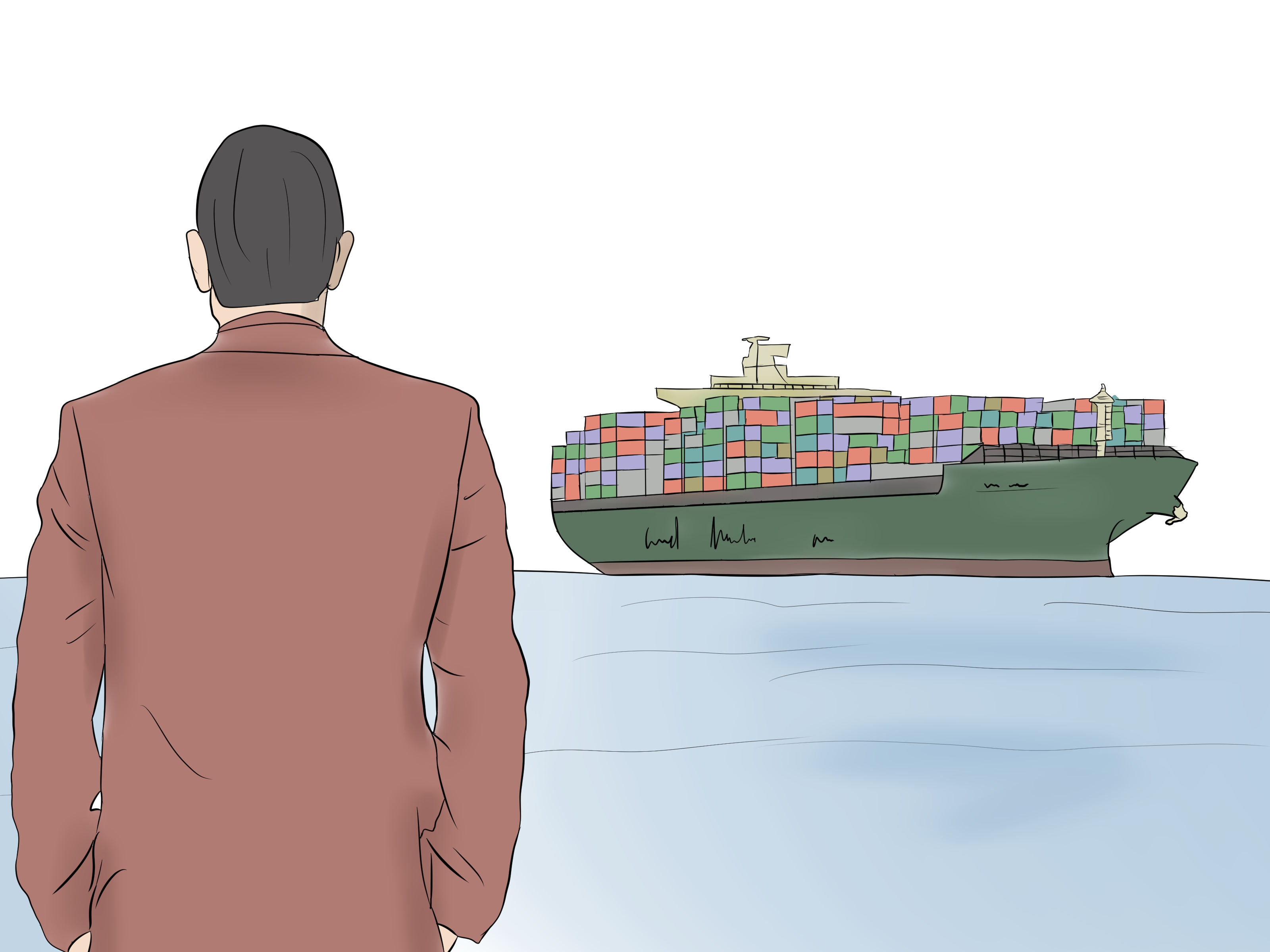
Flying from Britain to America is fast, efficient, and about as romantic as a crowded elevator. Crossing the Atlantic by ship is different: the journey becomes part of the vacation, complete with open ocean, changing clocks, formal dinners, live entertainment, and a slow-motion arrival in New York.
There is no regular public ferry between the United Kingdom and the United States. For most travelers, the simplest direct option is a scheduled transatlantic crossing from Southampton to New York, most famously aboard Cunard’s Queen Mary 2. Seasonal repositioning cruises provide alternatives, but they may depart elsewhere, make several stops, or finish in another U.S. city. Here is how to plan the trip in four practical steps.
Step 1: Choose and Book the Right Transatlantic Sailing
Start with Southampton to New York
The classic westbound route sails from Southampton, England, to New York City. A direct crossing commonly takes about seven nights, although some itineraries last longer. Unlike a port-heavy cruise, a true crossing may spend the entire voyage at sea. The Atlantic is the destination, which sounds poetic until you realize nobody can pop ashore for forgotten toothpaste.
Queen Mary 2 is built for ocean crossings and remains the best-known direct passenger option. Published schedules often include several westbound departures, but dates and voyage lengths vary. Confirm the ship, embarkation terminal, destination terminal, and number of nights before paying.
Consider repositioning cruises carefully
Other cruise lines sometimes move ships from Europe to North America for a new season. These repositioning voyages can offer good value per night and may call in Ireland, Iceland, Portugal, the Azores, Canada, or the Caribbean. However, they may take two weeks or more, begin outside the UK, or end in Florida rather than New York. Choose one only when your dates are flexible and the longer itinerary is part of the attraction.
Compare the complete cost
Fares depend on season, demand, and cabin category. Check what the price includes and budget for port charges, gratuities, drinks, specialty dining, Wi-Fi, spa services, transfers, insurance, and onward transportation. Add the cost of reaching Southampton and, ideally, a hotel the night before sailing. A delayed train should not be allowed to defeat an ocean liner.
Enter every passenger’s name exactly as shown in the passport. Review cancellation rules, final-payment dates, accessibility needs, cabin location, and dining arrangements. Pet owners should ask about limited kennel availability on eligible crossings rather than assuming an animal can stay in the cabin.
Step 2: Arrange Your Passport, ESTA, or Visa
Identify the correct U.S. entry permission
Most eligible British citizens visiting for tourism or certain business purposes for no more than 90 days can use the U.S. Visa Waiver Program. They need an eligible electronic passport and an approved Electronic System for Travel Authorization, or ESTA, before boarding.
ESTA authorizes travel but does not guarantee entry; U.S. Customs and Border Protection makes the admission decision on arrival. Apply through the official U.S. government system, use the passport you will carry, and apply well before embarkation. A replacement passport normally requires a new ESTA.
A visa may be necessary when a traveler is not eligible for the Visa Waiver Program, plans to stay longer than 90 days, intends to work or study, or has circumstances that fall outside ESTA rules. Visa processing can take time, so investigate early.
Check every traveler’s documents
Your passport must satisfy both cruise-line and U.S. requirements. Even where nationality-specific rules allow a passport to remain valid only for the planned stay, generous remaining validity reduces problems. Check children’s passports, dual-national requirements, and residency documents long before departure. U.S. citizens, including dual U.S.-British citizens, generally enter with a valid U.S. passport rather than ESTA.
Keep passports, authorization details, cruise confirmation, insurance information, medication records, emergency contacts, and onward plans in hand luggage. Save secure digital copies separately, but do not depend entirely on a phone whose battery has the emotional resilience of a biscuit in tea.
Step 3: Reach Southampton and Pack for the Atlantic
Arrive early and protect essential items
Southampton can be reached from London by train, coach, or private transfer. Terminal assignments vary, so use the address in the final boarding documents. Arriving one day early provides a valuable buffer against road delays, rail disruption, or missing luggage.
Keep passports, medication, valuables, chargers, travel documents, and one change of clothes in a carry-on bag. Checked luggage may not reach the cabin immediately. Follow the assigned check-in time and allow room for baggage drop, security, and document inspection.
Pack layers and suitable evening clothes
North Atlantic weather can change quickly. Bring a waterproof outer layer, a warm sweater, comfortable shoes, and clothing that can be layered. Open decks may feel cool and windy even in summer, while indoor public areas can also be brisk.
Daytime clothing is generally casual. Traditional ocean-liner evenings are smarter, and gala-style nights are common. Pack according to the cruise line’s current dress guidance. Travelers who prefer casual evenings can usually use designated relaxed venues, but a favorite hoodie is unlikely to receive a surprise promotion to tuxedo.
Prepare for motion sickness and medical needs
Large liners have stabilizers, but rough water is still possible. Anyone prone to motion sickness should ask a physician or pharmacist about appropriate treatment before traveling; some products work best before symptoms begin and may interact with other medicines. Fresh air, a horizon view, light meals, hydration, and reduced screen reading can also help. Cabins near the middle of the ship and on lower decks may feel less movement.
Buy insurance that addresses cancellation, interruption, medical care, and emergency evacuation as appropriate. Carry enough prescription medicine for the voyage plus extra days, preferably in original labeled packaging. Wash hands carefully and report vomiting or diarrhea to the ship’s medical staff instead of assuming every symptom is seasickness.
Step 4: Cross the Ocean and Enter the United States
Use sea days as part of the vacation
A direct crossing offers several uninterrupted days for dining, lectures, performances, exercise, reading, afternoon tea, and doing absolutely nothing with impressive commitment. Westbound ships generally adjust clocks gradually toward New York time, allowing passengers to gain hours over the voyage instead of absorbing a large time-zone change at once.
Weather can alter speed or route. The official Atlantic hurricane season runs from June through November, while powerful North Atlantic storms can occur at other times. Leave flexibility after arrival and avoid booking a tight flight, train, wedding, or career-defining audition immediately after docking.
Complete immigration and customs formalities
Direct crossings commonly use the Brooklyn Cruise Terminal in Red Hook, though travelers must confirm the actual terminal. Follow instructions for luggage tags, disembarkation groups, passport checks, and customs procedures.
Declare food, plants, seeds, meat, animal products, and other agricultural items when required. Fresh fruit from breakfast is not a charming souvenir; it may be restricted. When uncertain, declare the item and let an officer decide.
Allow time for immigration, baggage collection, traffic, and onward travel. Red Hook has limited direct subway access, so many passengers use a taxi, ride service, or prearranged transfer. Verify whether your next journey leaves from JFK, LaGuardia, Newark, Penn Station, or another terminal; New York transportation rewards precision.
Quick Questions About Sailing from Britain to America
Can you take a ferry from England to the United States?
No regular passenger ferry operates on this route. Book an ocean crossing or a seasonal transatlantic cruise.
Is traveling by ship cheaper than flying?
Usually not compared with economy airfare, but the fare includes transportation, several nights of lodging, many meals, and entertainment.
Can you sail one way and fly home?
Yes. Many travelers combine a westbound sailing with a U.S. vacation and return flight. Ensure your entry permission, insurance, and onward plans cover the full itinerary.
What the UK-to-US Boat Journey Really Feels Like
The first experience is not the ocean. It is Southampton: luggage wheels rattling over pavement, passengers checking documents for the sixth time, and the ship rising above the terminal like a floating apartment block that has developed excellent posture. Boarding feels similar to entering a hotel, except the hotel will shortly leave the country.
After the safety briefing and the first exploration of the decks, departure creates the emotional turning point. The shoreline begins to slide away, tugboats shrink, and ordinary mobile service becomes less reliable. Travelers who are used to airports may notice an unfamiliar absence of urgency. Nobody announces that the Atlantic is delayed because the previous Atlantic arrived late. The ship simply heads west.
The second day often reveals whether the sea will be friendly. On calm water, the vessel’s movement may be barely noticeable. In stronger conditions, corridors seem to tilt gently and outdoor decks become dramatic wind tunnels. Most passengers adjust, but anyone susceptible to motion sickness quickly learns that prevention is more pleasant than bravery. Fresh air, a horizon view, light food, and correctly used medication can rescue the day.
Time aboard develops its own structure. Breakfast is followed by a lecture, a walk, perhaps a swim, lunch, reading, tea, music, dinner, and a show. That list sounds busy, yet the crossing can feel wonderfully unhurried. There are no ports to conquer and no alarms for a 7:15 a.m. excursion. You can spend an hour watching waves without needing to explain your productivity.
Evenings bring a change of atmosphere. Passengers who enjoy dressing up treat gala night as part of the theater, while others choose relaxed venues. The pleasure comes less from obeying a dress code than from participating in an occasion. A staircase, live orchestra, and polished shoes can make an ordinary Tuesday feel suspiciously cinematic.
The westbound clock changes are another small luxury. Instead of crossing several time zones in one airborne leap, the ship typically adjusts time gradually. Waking to an extra hour makes breakfast feel earned. By the end of the voyage, the body has already moved much closer to New York time, although enthusiasm may still wake you before sunrise on arrival day.
The most memorable moment is often the approach to New York. Passengers gather on open decks early, wrapped in coats and carrying cameras. The harbor lights, Verrazzano-Narrows Bridge, Statue of Liberty, and Manhattan skyline appear in stages. After days with nothing on the horizon but sea and sky, a city looks almost invented.
Disembarkation returns everyone to practical life: luggage, immigration lines, customs declarations, transportation, and phone notifications arriving in a stampede. Yet the voyage changes the meaning of arrival. You have not merely appeared in America after a meal and two movies. You have crossed an ocean, watched distance accumulate, and reached New York at the speed of anticipation. That is why traveling from the UK to the US by boat remains appealing even when an airplane is faster. The ship does not save time; it gives the time a story.
Conclusion
To travel from the UK to the US by boat, choose a suitable crossing, secure the correct travel documents, prepare for embarkation and sea conditions, and leave flexibility for arrival formalities. Flying wins on speed, but a ship offers room to walk, time to think, and a New York skyline that arrives slowly enough to deserve applause.
SEO Metadata
Note: Sailing schedules, fares, terminal assignments, dress guidance, health recommendations, and U.S. entry rules can change. Verify details with the cruise line and official U.S. government sources before booking or traveling.













