
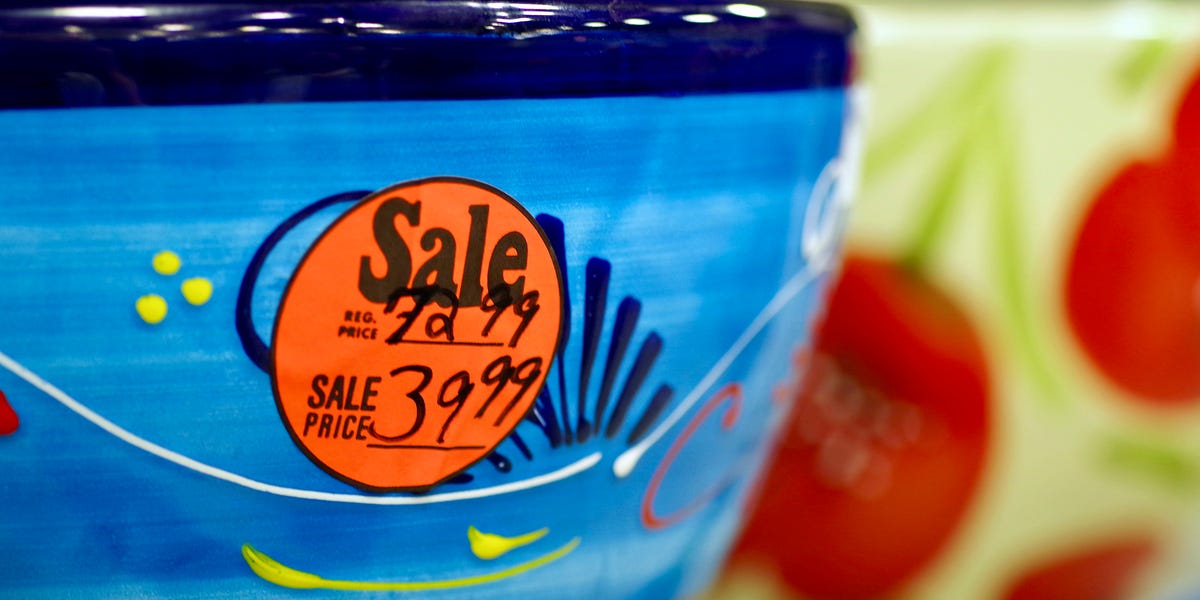
There is something deeply unfair about buying a beauthe price sticker has apparently been attached with industrial bridge-building adhesive. The paper peels away. The glue remains. Dust immediately joins the party, and your brand-new purchase looks as though it has spent three years under a teenager’s bed.
Fortunately, learning how to remove sticker residue is less about aggressive scrubbing and more about choosing the right method for the surface. Warm water may be perfect for a glass jar but disastrous for unfinished wood. Rubbing alcohol can work wonders on metal while clouding certain plastics. Acetone may dissolve stubborn adhesive, but it can also remove paint, finishes, and your enthusiasm for DIY cleaning.
This guide explains how to get sticker residue off glass, plastic, metal, wood, walls, clothing, electronics, car surfaces, and other materials without turning a minor sticky problem into a major repair project.
Why Sticker Residue Is So Difficult to Remove
Most stickers use pressure-sensitive adhesive. Pressing the label against a surface helps the glue spread into tiny pores and irregularities. Heat, sunlight, age, and pressure can strengthen that bond. Over time, the paper portion becomes dry and brittle while the adhesive remains flexible, which is why an old sticker may come off in seventeen pieces and leave behind one perfectly intact layer of goo.
Adhesives also vary. Some respond to water, while others soften in oil or dissolve in alcohol-based cleaners. The surface underneath matters just as much. Nonporous glass tolerates treatments that fabric, unfinished wood, painted furniture, natural stone, and electronic screens may not.
Before You Start: Follow the Least-Aggressive Rule
The golden rule of adhesive removal is simple: begin with the gentlest reasonable method and escalate gradually. Do not reach for nail polish remover simply because it happens to be within arm’s reach.
Identify the Surface
Determine whether you are working with glass, coated glass, acrylic, plastic, painted metal, stainless steel, finished wood, unfinished wood, fabric, leather, natural stone, laminate, or an electronic display. Two objects that look similar may react very differently to the same cleaner.
Test in a Hidden Spot
Apply a tiny amount of the proposed cleaner to an inconspicuous area. Wait several minutes, wipe it away, and check for discoloration, cloudiness, softening, dullness, or damage to the finish.
Gather Gentle Tools
A microfiber cloth, cotton swabs, mild dish soap, a plastic scraper, and an old credit card are useful starting tools. Avoid knives, metal putty blades, and abrasive scrubbers unless the surface manufacturer specifically approves them.
Work Safely
Use solvents in a ventilated area, keep flammable products away from heat and open flames, and follow the product label. Never mix household cleaning chemicals. When cleaning electronics, disconnect the power and apply liquid to a cloth rather than spraying the device directly.
The Basic Five-Step Method for Removing Sticky Residue
- Peel slowly: Lift one corner and pull the sticker back at a low angle instead of yanking it straight upward.
- Add gentle heat: Warm the sticker with a hair dryer for approximately 15 to 30 seconds, keeping the dryer moving.
- Roll away loose glue: Rub the residue with a clean finger, rubber eraser, microfiber cloth, or plastic scraper.
- Apply a surface-safe remover: Begin with soapy water, then consider oil, vinegar, rubbing alcohol, or a commercial adhesive remover when appropriate.
- Wash and dry: Remove the cleaner and dissolved adhesive with mild dish soap, then dry the surface completely.
This progression solves many sticker problems without exposing the item to a stronger chemical than necessary.
How to Remove Sticker Residue From Glass and Ceramic
Glass jars, mirrors, windows, dishes, and glazed ceramic are generally among the easiest surfaces to clean because they are nonporous.
- Soak removable items in warm water mixed with a few drops of dish soap.
- After 10 to 20 minutes, lift the sticker with a plastic scraper.
- Cover remaining glue with a cloth dampened with white vinegar or rubbing alcohol.
- Let it sit briefly, then wipe or scrape again.
- Wash with soap and water to remove streaks or oily residue.
Cooking oil can also loosen adhesive on jars, but the item will need a thorough wash afterward. Avoid metal razor blades on mirrors, coated glass, tinted windows, decorative finishes, and glass of uncertain construction because scratching or coating damage may occur.
How to Get Sticker Residue Off Plastic
Plastic requires restraint. Heat can warp it, abrasives can scratch it, alcohol can cloud certain formulations, and acetone may soften or permanently damage it.
- Wash the area with warmnot boilingsoapy water.
- Apply a small amount of vegetable oil or mineral oil to the residue.
- Wait five to ten minutes.
- Rub gently with a microfiber cloth or scrape with an old plastic card.
- Wash away the oil with dish soap.
For especially stubborn glue, spot-test rubbing alcohol before using it. Avoid acetone, paint thinner, strong citrus solvents, and concentrated heat unless the product manufacturer confirms that the plastic can tolerate them.
How to Remove Adhesive Residue From Metal and Stainless Steel
Unpainted metal and stainless steel usually tolerate rubbing alcohol well, although every finish should still be tested.
- Warm the sticker briefly with a hair dryer.
- Peel it away slowly.
- Dampen a cloth with rubbing alcohol and wipe in the direction of the metal grain.
- For persistent residue, try a small amount of oil or a labeled adhesive remover.
- Finish with dish soap and dry the surface to prevent streaks.
Do not use steel wool on stainless steel. Painted, powder-coated, anodized, and lacquered metals are more sensitive than bare metal, so avoid strong solvents until you have checked the manufacturer’s instructions.
How to Remove Sticker Residue From Wood
Wood is one of the trickiest materials because the correct method depends on the finish. A sealed tabletop is not the same as unfinished lumber, antique veneer, or painted cabinetry.
Finished Wood
Warm the adhesive gently, then roll it away with your thumb or a plastic card. If residue remains, use a barely damp cloth with diluted dish soap. Dry the area immediately. A tiny amount of mineral oil may help on some finishes, but it must be spot-tested because oil can alter sheen or color.
Unfinished Wood
Avoid soaking the area. Begin with gentle heat and a plastic scraper. A clean rubber eraser may lift small patches. If the residue is embedded in the grain, careful sanding with fine-grit sandpaper may be safer than saturating the wood with a solvent.
Rubbing alcohol, vinegar, acetone, citrus removers, and commercial adhesive products can haze, soften, or strip some wood finishes. Valuable furniture deserves advice from a furniture conservator rather than an improvised chemistry experiment.
How to Remove Sticker Residue From Painted Walls
Painted walls can lose color or sheen when scrubbed aggressively. Flat and matte paints are particularly vulnerable.
- Warm the sticker on a low setting while keeping the dryer moving.
- Peel slowly, pulling close to the wall.
- Roll remaining glue with a clean fingertip.
- Wipe gently with a cloth dampened in warm water and a small amount of dish soap.
- Pat dry rather than rubbing repeatedly.
Melamine foam cleaners may remove adhesive, but they are mildly abrasive and can produce a shiny patch on matte paint. Alcohol and commercial removers may also lift color, so test them carefully.
How to Remove Sticker Residue From Clothes
The most important laundry rule is to treat the adhesive before putting the garment in the dryer. Dryer heat can set the residue and make the problem more difficult.
- Check the care label.
- Scrape away loose sticker material with a spoon or plastic card.
- Work liquid laundry detergent or grease-cutting dish soap into the residue.
- Let it sit for several minutes.
- Rinse and wash at the warmest temperature permitted by the care label.
- Air-dry the garment and inspect it before using the dryer.
Rubbing alcohol may help on washable fabrics, but test it for colorfastness. Oil-based products can create a second stain, while acetone can damage acetate and modacrylic fibers. Dry-clean-only clothing should be taken to a professional.
Upholstery and Carpet
Remove as much dry material as possible without spreading it. Apply a fabric-safe cleaner to a white cloth and blot from the outside of the spot toward the center. Do not pour solvent directly onto upholstery or carpet, where it may reach backing, padding, dyes, or adhesives beneath the visible surface.
Continue blotting with clean sections of cloth, then remove cleaning residue according to the material’s care instructions. Silk, velvet, antique textiles, and delicate upholstery are best handled professionally.
Electronics, Phones, Laptops, and Screens
Electronic screens may have delicate anti-glare, fingerprint-resistant, or protective coatings. The goal is to remove the adhesive without removing the coating along with it.
- Turn off and unplug the device.
- Remove loose sticker material with a dry microfiber cloth or plastic edge.
- Use only a cleaner approved by the device manufacturer.
- Apply the cleaner to the clothnever directly to the screen.
- Keep moisture away from ports, seams, speakers, and openings.
Do not use acetone, window cleaner, ammonia, abrasive powder, aerosol spray, or an unapproved adhesive remover on a display. Some manufacturers permit a lightly dampened cloth or a specific concentration of isopropyl alcohol on certain exterior surfaces, but those instructions vary by product.
Car Paint, Windows, and Bumpers
For bumper stickers, decals, and dealership labels, work in the shade on a cool surface.
- Wash dirt away so it cannot scratch the finish.
- Warm the sticker gently with a hair dryer.
- Peel it back slowly at a low angle.
- Use an automotive-safe adhesive remover on remaining glue.
- Wash the treated area and reapply wax or sealant if necessary.
Do not use a metal blade on painted panels. Avoid household acetone, gasoline, paint thinner, and other aggressive solvents that may damage clear coat, plastic trim, or rubber seals.
Natural Stone, Countertops, and Tile
Glazed tile often responds well to warm soapy water, but natural stone needs special care. Acidic vinegar can damage calcium-based stone such as marble, limestone, and travertine. Oil may also darken porous stone.
Begin with a plastic scraper and pH-neutral stone cleaner. When stronger treatment is necessary, choose an adhesive remover specifically labeled safe for the countertop or stone type. Quartz, laminate, solid-surface material, granite, and marble do not all tolerate the same chemicals.
Leather, Books, and Other Delicate Surfaces
Leather
Use gentle warmth and carefully roll away the adhesive. Follow with a leather cleaner recommended by the manufacturer. Alcohol, acetone, oil, and water can discolor or dry leather, so avoid improvising on valuable items.
Books and Paper
Liquids can stain paper and cause ink to run. Apply mild warmth from a distance, peel slowly, and use a clean art-gum eraser for small amounts of residue. Rare books, photographs, artwork, and archival materials should be handled by a conservator.
Rubber and Silicone
Start with dish soap and warm water. Use alcohol or commercial removers only after testing because solvents may swell, dry, or weaken some rubber compounds.
Which Household Sticker Removers Work Best?
Dish Soap and Warm Water
This is the best first choice for washable, nonporous items. Soap helps loosen dirt and oily adhesive without introducing a strong solvent.
Heat
A hair dryer softens many adhesives and makes the sticker easier to peel. Keep the dryer moving and avoid high heat on plastic, vinyl, paint, electronics, thin glass, and delicate finishes.
Rubbing Alcohol
Isopropyl alcohol can dissolve label glue on glass, many metals, and some hard plastics. It may damage paint, printed graphics, wood finishes, acrylic, and certain plastics, so spot-testing is essential.
White Vinegar
Vinegar can help loosen labels on glass and other acid-resistant surfaces. Do not use it on marble, limestone, travertine, or other acid-sensitive stone.
Cooking Oil or Mineral Oil
Oil can soften adhesive on glass, ceramic, and some plastics. It is less suitable for fabric, unfinished wood, porous stone, paper, or any surface that may absorb an oily stain.
Baking Soda and Oil Paste
A paste made with baking soda and cooking oil combines solvent action with mild abrasion. It can work on durable glass or metal, but it may scratch polished plastic, coated surfaces, paint, and high-gloss finishes.
Commercial Adhesive Remover
Commercial products can save time on stubborn residue, but “multipurpose” does not mean “safe for everything.” Read the permitted-surface list, follow ventilation directions, and test before treating a large area.
Acetone
Acetone is a powerful last resort for certain bare glass and unpainted metal surfaces. It can dissolve plastic, remove paint, damage finishes, affect fabric fibers, and harm electronic coatings. Use it only when you know the underlying material can tolerate it.
Common Sticker-Removal Mistakes
- Scraping too aggressively: A scratch can last much longer than the adhesive would have.
- Starting with the strongest solvent: Stronger is not automatically better or faster.
- Using excessive heat: High temperatures may warp plastic, crack glass, soften paint, or damage electronics.
- Skipping the spot test: A five-minute test can prevent a permanent cloudy patch.
- Mixing cleaners: Combining household chemicals can create dangerous reactions or fumes.
- Putting stained clothing in the dryer: Heat may set adhesive or oil stains.
- Leaving remover on too long: Extended contact can damage a surface that would tolerate a brief application.
- Forgetting the final wash: Oil and solvent residue may attract dirt, create odors, or leave the surface slippery.
Practical Experiences: What Real-World Sticker Cleanup Teaches You
The following are composite cleanup experiences based on common household scenarios rather than claims of personal hands-on testing.
One of the most familiar sticker battles begins with a glass pasta-sauce jar. The label appears ready to cooperate, then tears directly down the middle and leaves a fuzzy layer of paper attached to the glue. The tempting response is to scrape harder. A better experience usually comes from patience: soak the jar in warm, soapy water while doing something else. After the paper softens, a plastic card removes most of it. A vinegar- or alcohol-dampened cloth handles the thin adhesive film. The lesson is that waiting ten minutes often saves twenty minutes of angry scraping.
Plastic storage containers teach a different lesson. A method that works beautifully on glass may cloud or soften plastic. A common mistake is reaching for acetone because it removes nail polish quickly and therefore seems qualified for every cleaning emergency. It is not. Cooking oil followed by dish soap is usually slower but considerably safer. The larger lesson is that the value of the item matters more than the speed of the cleanup. Saving three minutes is not impressive when the result is a permanently cloudy container.
Painted walls demonstrate why mechanical force can be more damaging than the adhesive itself. A child’s sticker may peel away easily after mild warmth, yet the remaining glue encourages repeated scrubbing. On matte paint, that scrubbing can create a smooth, shiny patch visible from across the room. Gentle rolling with a fingertip and light blotting with diluted dish soap may feel less heroic, but it protects the paint. Cleaning is sometimes an exercise in knowing when not to attack.
Clothing offers perhaps the most frustrating experience because the sticker is often discovered only after washing. A name tag left on a shirt can turn into a gummy patch covered with tiny paper fibers. The critical decision comes before drying. Treating the spot with detergent, rinsing it, and allowing the garment to air-dry preserves the chance to repeat the process. Tossing it into a hot dryer may bake the adhesive into the fibers. The practical lesson is to inspect first and celebrate later.
Electronics remind us that a clean-looking result can still hide damage. A solvent might remove residue from a laptop display in seconds while also weakening an anti-reflective coating. The safer experience involves turning off the device, using a dry microfiber cloth, and consulting the manufacturer’s cleaning instructions before introducing moisture. When liquid is allowed, it belongs on the cloth rather than the screen. A slightly slower cleanup is preferable to explaining why half the display now has a mysterious rainbow haze.
Old furniture presents the greatest test of restraint. A sticky price tag on a vintage dresser may sit over lacquer, shellac, varnish, wax, paint, or a finish that nobody has manufactured since the first moon landing. Applying alcohol or commercial remover without testing can produce a pale ring, a soft spot, or missing finish. Gentle warmth and finger-rolling are safer first moves. When they fail, the correct experience may be deciding that a small amount of residue is less serious than permanent damage.
Across all these situations, the recurring lesson is escalation, not force. Peel first. Warm carefully. Wash gently. Test the next cleaner. Give it time. Remove the dissolved glue without grinding it into the surface. The best adhesive-removal method is not the one with the most dramatic chemical reaction; it is the one that leaves no evidence that a stickeror a cleaning crisiswas ever there.
Final Thoughts
Knowing how to remove sticker residue from any surface begins with recognizing that no single remover is universally safe. Warm soapy water is an excellent first step for many washable objects. Heat can soften adhesive before peeling. Oil, vinegar, rubbing alcohol, and commercial removers each have useful roles, but they also have surfaces on which they should not be used.
Match the method to the material, test in a hidden area, work from gentle to strong, and stop if the surface changes color, texture, or shine. The sticker may have started the disagreement, but there is no reason to let it winor take the finish with it.














