
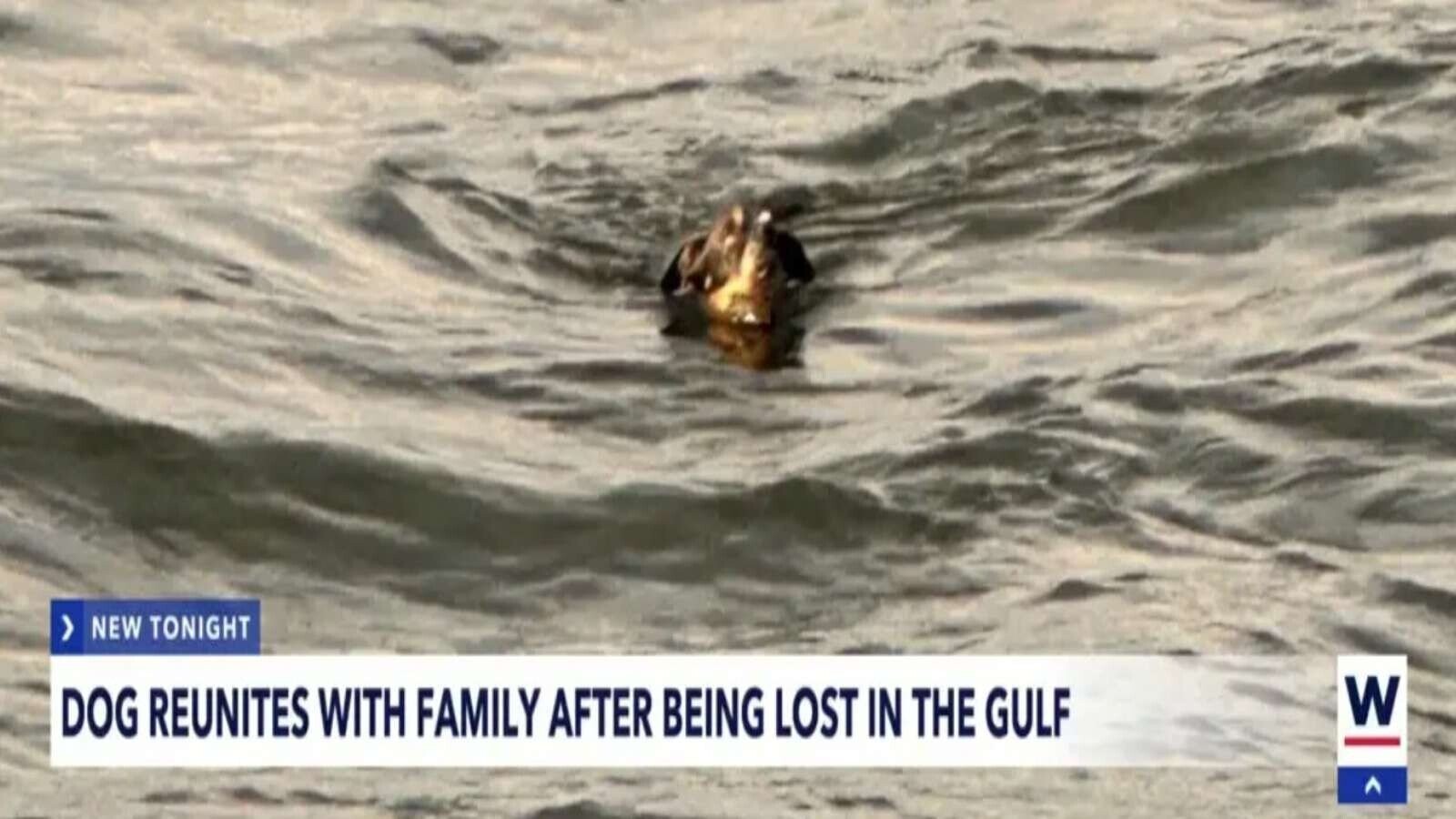
Every pet owner knows the feeling. One second your dog is snoozing in a sunbeam like a furry philosopher. The next, the gate is open, the leash hook is empty, and your stomach drops straight through the floor. A lost pet story begins with panic, but the best ones do not end there. Some end with a dog trotting up the driveway as if nothing happened. Some end with a cat reappearing miles away, thinner, scruffier, and somehow still offended by your tone of voice. And some end with a shelter worker scanning a microchip and setting off the kind of reunion that can make a whole room cry.
That is what makes stories about lost pets so powerful. They are not just animal stories. They are stories about memory, instinct, grit, luck, community, and the stubborn refusal of love to admit defeat. When people say a pet “moved heaven and earth” to get home, they are not always being dramatic. Sometimes that dog really did cross neighborhoods, storms, highways, or months of uncertainty. Sometimes that cat really did vanish on a trip and return to the doorstep of a life it somehow remembered. And often, just as important, the humans back home moved heaven and earth too.
Why These Stories Hit So Hard
Lost pet stories tap into something primal. Home is not just a house. For animals, home is a map made of scent, routine, sound, and attachment. It is the smell of the couch, the rattle of the treat bag, the route of the evening walk, the voice that means dinner is coming and the world is safe again. When that map is broken, the animal is forced into survival mode. That is why reunions feel so miraculous. They are not just about being found. They are about a bond surviving confusion, distance, fear, and time.
Real-world data makes these stories even more compelling. Lost pets are not rare flukes. They are a regular part of animal welfare in the United States. And while many pets are recovered, the odds look different depending on the species, the search method, and whether the pet has current identification. Dogs are generally more likely to be recovered than cats, while cats are famously mysterious little vanishing magicians who can be hiding in silence five houses away while the entire family imagines they have crossed state lines. Cats: adorable, lovable, emotionally complicated smoke.
The Science Behind Getting Home
Dogs: Nose First, Compass Maybe
Dogs do not need a GPS app. They come with one pre-installed in the snoot. Their sense of smell is so extraordinary that they can build a mental landscape out of scent trails, familiar routes, other animals, weather shifts, and human activity. That alone explains a lot about how many lost dogs orient themselves. If a dog has traveled a route often enough, the way home may be written in smell.
But the science gets even more interesting. Research discussed by animal behavior experts suggests that some dogs may use magnetic cues while navigating. In other words, a lost dog may not be relying only on its nose. It may also be using a biological compass. Scientists are still working out exactly how this works, and the research is not a permission slip to assume every runaway Lab has become a four-legged navigation satellite. Still, the evidence helps explain why some dogs make surprisingly efficient return trips instead of simply wandering in random circles like a panicked Roomba.
That matters because many lost dogs are found close to home. In one community-level analysis, a large share of stray dogs were recovered within a mile of where they lived, and many were found only a few hundred feet away. That means a dog that seems “gone” may actually be in the same orbit, trying to reconnect with familiar territory. The takeaway is simple: the epic movie soundtrack in your head may be justified, but the search should start right outside the door.
Cats: Tiny Ninjas With a Home Address
Cats are a different story entirely. A lost dog may run; a lost cat often freezes, hides, and becomes a furry ghost. Frightened cats are notorious for going silent and tucking themselves into impossible hiding spots: under porches, behind sheds, in garages, under decks, beneath shrubs, or in that one place no human with normal knees would ever think to inspect.
That is why so many cat reunions seem improbable. The cat was “missing” for days or weeks, but in some cases it was close by the whole time. Other times, though, cats pull off journeys that sound like they were written by an overexcited screenwriter. One of the best-known examples is Holly, the Florida housecat who disappeared on a trip and later reappeared near her family’s home after a trek of roughly 200 miles. More recently, Rayne Beau, a cat who vanished near Yellowstone during a camping trip, was found back in California two months later after a journey tied to a nearly 900-mile mystery. Those stories are unusual, but they are real. They also remind us that while cat behavior often looks inscrutable, “inscrutable” is not the same thing as directionless.
Real Pets, Real Journeys, Real Homecomings
Some lost pets do not simply get found. They become legends with whiskers.
Take Holly, the cat whose story fascinated scientists and cat lovers alike. She disappeared while away from home in Florida and later turned up near the neighborhood where her family lived. Skinny, worn down, but unmistakably herself, she became a living argument for the idea that cats may possess homing abilities we still do not fully understand. Holly did not come home in perfect condition, which is part of what makes the story feel less like a fairy tale and more like a testimony. She had been somewhere. She had endured something. And still, she got back.
Then there is Rayne Beau, whose case feels almost absurd in the best possible way. He disappeared during a road trip near Yellowstone and later surfaced in California, where a woman fed him, trapped him safely, and took him to a shelter. A microchip connected the dots, and suddenly a family that had been living with heartbreak got the call every pet owner dreams about. That story contains all the ingredients of modern lost-pet reunification: an animal with astonishing resilience, a good Samaritan, a shelter, and technology doing exactly what it was meant to do.
And these are not isolated miracles. Reunification platforms now document story after story that sounds impossible until you remember how often it really happens. A dog separated by hundreds of miles gets matched back to family. A senior dog missing for months comes home through photo-matching technology. An older cat lost late in life is found again because someone posted, searched, scanned, and refused to shrug. Beneath the heartwarming headlines is a very practical truth: extraordinary reunions often happen because ordinary people keep doing the next right thing.
What Humans Do When Pets Go Missing
This is the part people tend to underestimate. Lost pets do not get home through instinct alone. They often get home because their people turn into a one-household search-and-rescue unit powered by caffeine, poster tape, and sheer emotional refusal.
Owners search neighborhoods. They knock on doors. They call shelters, animal control, veterinarians, rescue groups, and anyone else who might have seen a wandering dog or a silent cat. They post flyers where people actually look. They check under porches. They ask neighbors to inspect garages and sheds. They use community Facebook pages, local lost-pet groups, and digital reporting tools that can spread a pet’s photo fast.
That old-fashioned effort still matters. In survey data, many dogs are recovered because someone searched the neighborhood, while a large share of cats are eventually recovered because they return home on their own. In other words, neither strategy should be ignored. Go looking, but also make it possible for the pet to reconnect with home.
Technology has changed the game too. Microchips remain one of the most important safety nets in lost-pet recovery, especially when collars come off. Studies from animal shelters have shown that microchipped dogs and cats are much more likely to be reunited with their families than animals without microchips. The catch, and it is a big one, is that a microchip is only as useful as the contact information attached to it. A chip with an old phone number is basically a locked front door with the wrong key under the mat.
Photo-matching tools have also become a major part of the modern search. Platforms such as Petco Love Lost allow people to upload found and lost pet reports, then compare them across a broad network. That is especially powerful in cases where a pet is found by someone outside the owner’s immediate neighborhood. A dog may be posted in one place, searched in another, and reunited because software noticed what exhausted humans missed.
Why Some Pets Make It Home Against All Odds
So why do some animals beat the odds? Part of the answer is biology. Dogs use scent brilliantly. Some may use magnetic orientation. Cats have strong territorial awareness and can show impressive homing behavior in some circumstances. Part of the answer is also personality. A bold dog may keep moving until it encounters help. A cautious cat may hide until the environment feels safe enough to re-emerge. A friendly pet might approach strangers. A fearful one may need trapping, quiet searching, or patient waiting.
But part of the answer is far less scientific and far more human: people care. The woman who notices a cat hanging around and decides to feed it. The shelter staff member who scans a chip immediately. The neighbor who shares a flyer instead of ignoring it. The family member who keeps the microchip information current, even years after hope has started to wobble. Miracles do happen, but a lot of them wear work boots.
How to Give Your Pet Better Odds
Start Before Anything Goes Wrong
The best lost-pet strategy begins while your pet is still very much on your couch, staring at you judgmentally for folding laundry too loudly. Use a collar with current ID tags. Microchip your pet. Register the chip. Then update the contact information whenever you move, change numbers, or hand off emergency contacts. Do not assume you will remember later. Later is where chaos lives.
Search the Way Your Pet Actually Behaves
Dogs and cats do not go missing in the same way. Dogs may travel, follow movement, or stay near familiar routes. Frightened cats often hide nearby and stay quiet. A one-size-fits-all search plan is a bad plan. The smartest response is behavior-based, fast, and local.
Use Every Layer of the Community
Call shelters. Contact vets. Post online. Put up flyers. Alert neighbors. Use photo-matching tools. Ask people who move through the neighborhood regularly, including mail carriers and delivery drivers. Lost pets are often found because information reached the right eyes at the right moment.
The Experience of Waiting, Hoping, and Finally Seeing Them Again
Anyone who has lost a pet knows the emotional calendar gets weird. Day one feels like an emergency. Day three feels like a lifetime. By week two, you start bargaining with the universe in ways that would sound unhinged if anyone transcribed them. You promise to become a better person. You promise to stop complaining about fur on the sofa. You promise that if this animal comes home, you will personally build a palace out of orthopedic beds and premium treats.
Then comes the second strange part: hope and realism start arm-wrestling. You try to stay practical. You print flyers. You refresh neighborhood groups. You replay the moment they disappeared until your brain turns it into a cruel little highlight reel. Some owners start sleeping lightly so they can hear a scratch at the door. Others leave out food, familiar bedding, or a camera. Some keep driving the same streets because doing something feels better than doing nothing.
And when the call finally comes, people often do not believe it at first. A shelter says they scanned a chip. A neighbor says there is a dog that looks familiar. A stranger sends a blurry photo that somehow makes your heart beat like it is trying to escape your rib cage. The brain, after protecting itself for days or months, struggles to catch up. Is it really your pet? Is this actually happening? Are you about to be reunited, or about to be crushed all over again?
That is why the reunion itself can look so overwhelming. Some pets explode with recognition instantly. The tail goes wild. The body wiggles. The person drops to the ground crying into fur in a parking lot while shelter staff pretend they are not crying too. Other reunions are quieter. A cat comes home stiff, tired, and deeply unimpressed by the emotional theater. But then it leans into a hand. It eats with the confidence of somebody who knows the kitchen. It curls up in the old spot, and suddenly the whole house exhales.
These experiences also change people. Owners who get a pet back after a disappearance rarely shrug the lesson off. They update chips. They replace latches. They buy stronger tags, GPS trackers, brighter collars, better crates, and maybe enough backup plans to launch a small space program. They become the people who tell everyone else, kindly but urgently, to check the chip information tonight. Not tomorrow. Tonight.
Most of all, they remember the feeling of absence turning back into presence. The leash by the door is not just a leash anymore. The empty food bowl is not just a bowl. The ordinary routines become charged with gratitude. The walk around the block feels less like a chore and more like a small parade. Even the annoying habits become precious. Suddenly the barking at delivery drivers has character. The 5 a.m. cat yowl has emotional texture. Home feels repaired.
That is the real reason stories about lost pets hit so hard. They remind us that love does not become less real because it has fur, whiskers, muddy paws, or a talent for escaping through a gap that seemed mathematically impossible. When these animals get home, they are not just returning to an address. They are returning to the place where they are known. And that, for both pets and people, is no small thing.
Conclusion
Lost pets that move heaven and earth to get home are not just internet-famous exceptions. They are the visible tip of a much larger truth: animals are more resourceful, more determined, and more connected to home than we often realize. Some find their way back through scent, instinct, memory, or sheer stubbornness. Others need the help of strangers, shelters, chips, apps, and families who refuse to stop searching. Usually, it is a mix of all of the above.
That is what makes these stories worth telling. They are hopeful without being naive. They celebrate instinct, but they also honor preparation. They remind us that a collar tag is not boring, a microchip is not optional fluff, and a neighborhood flyer can be the beginning of a miracle. Most of all, they prove that when love is involved, “home” can become a very powerful destination indeed.













