
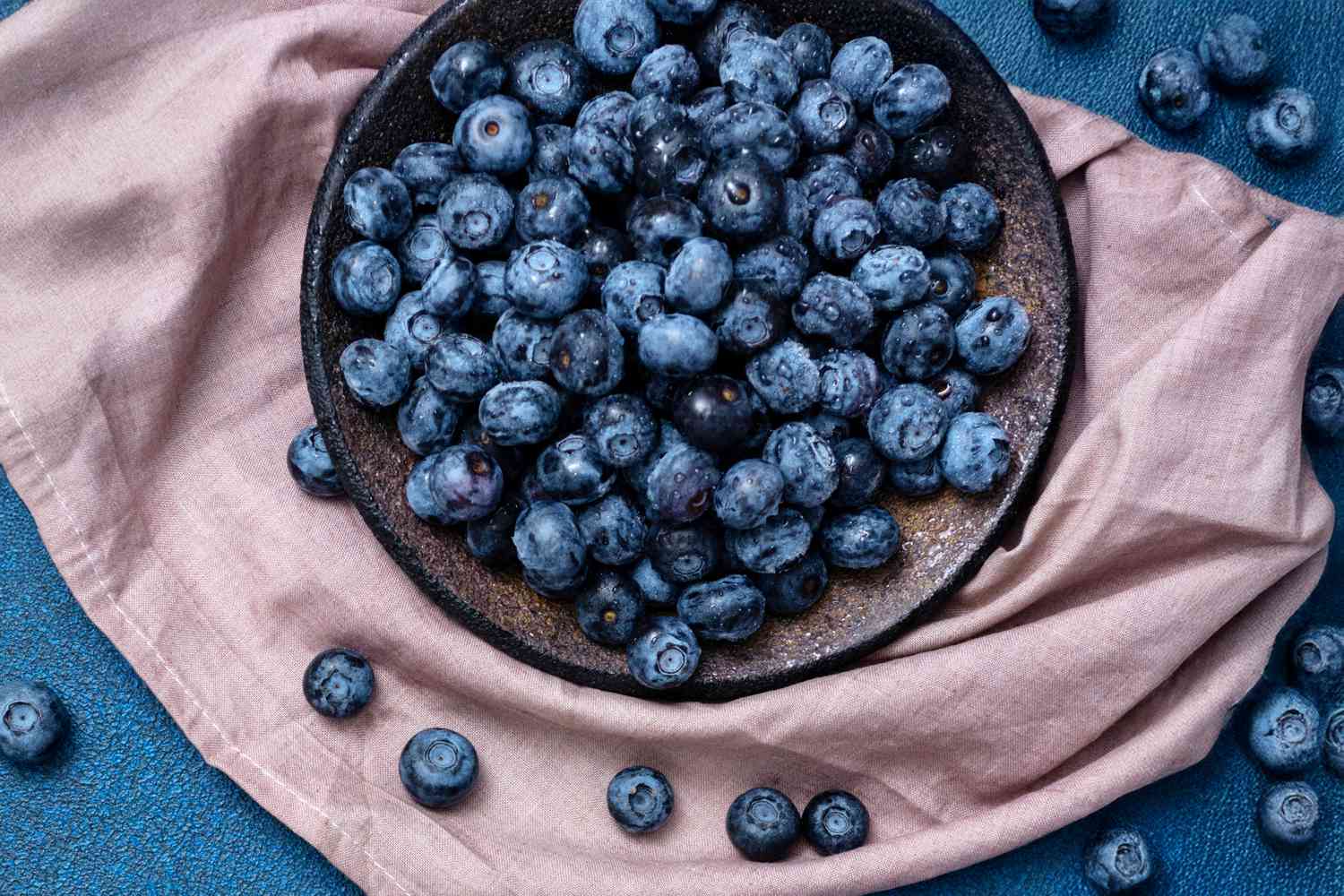
If the word superfood makes you picture a blueberry wearing a cape, you are not alone. Nutrition experts do not usually hand out superhero badges to individual foods. Still, certain foods show up again and again in the eating patterns linked to healthy aging, better heart health, sharper brain function, and a lower risk of the chronic diseases that tend to steal quality of life one doctor’s appointment at a time.
That is the real story here. No single food can magically add a decade to your birthday cake. But experts consistently point to a short list of nutrient-dense staples that belong in Mediterranean, DASH, and MIND-style diets. These foods are rich in fiber, healthy fats, vitamins, minerals, antioxidants, and plant compounds that support your body over the long haul. In plain English: they help your body age with a little more grace and a little less chaos.
Below are nine superfoods worth eating more often if your goal is not just to live longer, but to live better while you are at it.
1. Beans and Lentils
Beans and lentils are the quiet overachievers of the healthy-aging world. They are affordable, filling, versatile, and packed with fiber and plant protein. That combination helps support heart health, steady blood sugar, digestive health, and long-lasting fullness. In a world full of flashy nutrition trends, beans are basically the sensible friend who actually reads the instructions and remembers to bring snacks.
They also make it easier to eat less red and processed meat without feeling deprived. Black beans, chickpeas, lentils, cannellini beans, and split peas all work. Toss them into soups, grain bowls, salads, tacos, pasta, or stews. If you rely on canned beans, rinse them well and choose low-sodium versions when possible.
Easy ways to eat more
Stir lentils into soup, blend chickpeas into hummus, add black beans to eggs, or swap half the ground meat in chili for beans. Your wallet and your arteries may both send thank-you notes.
2. Berries
Blueberries, strawberries, raspberries, and blackberries are small, colorful, and suspiciously good at making healthy food feel less like homework. They are loaded with fiber and antioxidant compounds, especially anthocyanins, which are often linked to healthy aging and brain health. Berries also deliver sweetness without pushing your meal into dessert territory.
Another bonus: they are easy. Fresh or frozen both work beautifully, which means you do not have to time your entire life around berry season. Add them to oatmeal, yogurt, smoothies, chia pudding, or salads. If your breakfast is looking sad, berries can fix both the nutrition and the mood.
3. Leafy Greens
Leafy greens are the undisputed MVPs of the longevity plate. Spinach, kale, arugula, romaine, collards, and Swiss chard bring fiber, folate, potassium, carotenoids, vitamin K, and a long list of plant compounds that support overall health. Experts regularly highlight greens in brain-healthy and heart-healthy dietary patterns, and for good reason: they are nutrient-dense without being calorie-dense.
You do not need to become a person who joyfully eats plain kale out of a mixing bowl. Greens can slide into your routine in easier ways. Add spinach to eggs, soups, smoothies, pasta, tacos, or sandwiches. Build dinner around a hearty salad. Sauté collards with garlic and olive oil. The goal is not perfection. The goal is making greens a regular guest instead of a rare holiday appearance.
4. Cruciferous Vegetables
Yes, leafy greens deserve their own category, and so do cruciferous vegetables. Broccoli, Brussels sprouts, cauliflower, cabbage, and bok choy bring their own special lineup of fiber, vitamins, and sulfur-containing plant compounds. These vegetables are frequently recommended because they support a healthy eating pattern while adding bulk, flavor, and serious nutrient density to meals.
Broccoli in particular plays well with just about everything. Roast it, steam it, stir-fry it, chop it into grain bowls, or fold it into pasta. Brussels sprouts become much more lovable when roasted until crisp. Cabbage can stretch tacos, soups, and slaws on the cheap. If vegetables had a utility department, cruciferous vegetables would run it.
5. Whole Grains
Whole grains help replace the nutrition that refined carbs often leave behind. Oats, barley, quinoa, brown rice, farro, bulgur, and 100% whole-grain bread bring fiber, vitamins, minerals, and a slower, steadier release of energy. That can support heart health, digestive health, and better blood sugar control over time.
The trick is to think of whole grains as a base, not a punishment. A bowl of oatmeal with berries and nuts is comforting. Farro salad with vegetables and olive oil is excellent. Brown rice under salmon and broccoli is not glamorous, but it absolutely gets the job done. Whole grains are the kind of food that quietly keeps life running on schedule.
Smart swaps
Choose oatmeal instead of sugary cereal, whole-grain toast instead of white bread, or brown rice and quinoa instead of refined grains when you can. Small swaps add up faster than most people realize.
6. Nuts
Almonds, walnuts, pistachios, pecans, peanuts, and other nuts are tiny packages of healthy fats, fiber, plant protein, minerals, and antioxidants. They are satisfying, portable, and helpful for turning a snack from “random handful of crackers” into something your body can actually use.
Walnuts and almonds tend to get the spotlight, but variety is your friend. A small handful can top oatmeal, yogurt, salads, roasted vegetables, or grain bowls. Nut butter works too, as long as the ingredient list is not trying to audition for a chemistry fair. Nuts are calorie-dense, so moderation matters, but that is not a reason to fear them. It is just a reminder that a handful is a serving, not a dare.
7. Extra-Virgin Olive Oil
Extra-virgin olive oil is one of the most recognizable stars of Mediterranean-style eating, and it earns the attention. It provides mostly unsaturated fat and helps replace less helpful fats from butter, shortening, and heavily processed foods. It also makes healthy food taste better, which may be the most underrated nutrition strategy on earth.
Use it to roast vegetables, drizzle over beans, whisk into salad dressing, finish soups, or brush onto fish before baking. The smartest move is not pouring it on everything like confetti. It is using olive oil to shift your overall cooking pattern toward more vegetables, legumes, grains, and fish.
8. Fatty Fish
Salmon, sardines, trout, herring, and mackerel bring high-quality protein plus omega-3 fats that experts frequently connect to heart and brain health. Fish also makes a useful swap for processed meats or heavier red meat meals. In other words, it is doing double duty: adding something good while nudging something less helpful off the plate.
If fresh fish is not always practical, canned salmon or sardines can still be excellent options. Use them in salads, grain bowls, sandwiches, patties, or pasta. Start with one or two fish-based meals each week and build from there. It is not fancy unless you insist on making it fancy.
9. Yogurt and Kefir
Plain yogurt and kefir bring protein, calcium, and, in many cases, beneficial live cultures. Fermented dairy products are often recommended as part of a balanced eating pattern because they can support gut health while also contributing nutrients that matter as people age, especially for bones and muscle maintenance.
The best choices are usually plain or low-added-sugar varieties. Sweetened yogurts can turn a decent breakfast into sneaky dessert cosplay. Dress yogurt up yourself with berries, nuts, cinnamon, chia seeds, or a spoonful of oats. Kefir works well in smoothies or as a drinkable breakfast when mornings are chaotic and your toaster has emotionally checked out.
Why These Foods Matter More Together Than Alone
Here is the part experts keep emphasizing: healthy aging is about patterns, not food mythology. Beans are great, but beans next to fries and soda every day are not a magic loophole. Olive oil helps, but not if the rest of your diet is built on ultra-processed snacks and heroic quantities of takeout. The foods on this list work best when they consistently crowd out the things that tend to harm long-term health: heavily processed foods, excess added sugar, frequent refined grains, and too much red or processed meat.
That is why the most evidence-backed eating patterns keep sounding similar. They are rich in plants, built around minimally processed staples, include healthy fats, and make room for moderate amounts of fish and dairy. It is not glamorous, but it is effective. Longevity nutrition is often less about discovering one magical ingredient and more about repeating boringly smart choices until they become normal.
How to Start Without Rebuilding Your Entire Personality
You do not need a dramatic pantry purge, a color-coded meal plan, or a refrigerator that looks like it belongs to a wellness influencer with unlimited free time. Start small and stack your wins.
Try this simple formula
Build meals around four pieces: a vegetable, a protein, a whole grain or bean, and a healthy fat. For example:
Breakfast: plain yogurt, berries, oats, and walnuts.
Lunch: brown rice bowl with salmon, broccoli, and olive oil.
Dinner: lentil soup with a leafy green salad and whole-grain toast.
Snack: apple with peanut butter or kefir with cinnamon.
That is the secret. Not secret powders. Not mystery gummies. Just repeatable meals that make healthy eating easier on a Tuesday than ordering something regret-shaped at 10:30 p.m.
What Eating More of These Foods Often Feels Like in Real Life
One of the most interesting things about eating more of these superfoods is that the payoff often shows up in ordinary, non-dramatic ways first. People do not usually wake up after one bowl of lentils and suddenly feel immortal. What they often notice is that they feel steadier. Breakfast keeps them full longer. Lunch does not lead to a 3 p.m. crash that makes them want to nap under a desk. Dinner feels satisfying without the heavy, overstuffed feeling that usually comes with fast food and oversized portions.
A lot of people also describe a shift in convenience. That sounds backward at first, because healthy eating is often marketed like a second full-time job. But once foods like oats, beans, frozen berries, yogurt, greens, brown rice, and nuts become household staples, meals can actually become easier. A container of cooked lentils turns into soup, salad, or taco filling. A bag of frozen spinach disappears into eggs, pasta sauce, or stew. Plain yogurt becomes breakfast, a snack, or a quick sauce with lemon and herbs. Instead of staring into the fridge like it has betrayed you personally, you start seeing ingredients that can become something useful in ten minutes.
There is also the flavor factor, which does not get enough respect in health conversations. Olive oil makes vegetables taste richer. Roasted broccoli develops crispy edges that even former broccoli skeptics can get behind. Salmon feels hearty and satisfying. Berries make breakfast feel like an upgrade instead of a compromise. When healthy foods actually taste good, consistency becomes much easier. No one wants to white-knuckle their way through every meal.
Some people notice digestive changes too, especially when they begin eating more fiber from beans, whole grains, berries, greens, and cruciferous vegetables. The adjustment can take time, and it is smart to increase fiber gradually and drink enough water. But once the routine settles in, many people report that meals feel more balanced and predictable. That is not exactly glamorous dinner-party conversation, but your body tends to appreciate it.
Mentally, there is something reassuring about eating in a way that feels sustainable instead of extreme. These foods are not exotic, fragile, or impossible to pronounce. They are supermarket foods. Regular foods. Foods your grandparents would recognize. That matters because the best longevity habit is the one you can keep doing. A bowl of oatmeal with berries and walnuts is not exciting in a social media sense, but it is a lot more useful than an expensive wellness trend that disappears from your life in eight days.
Perhaps the biggest real-life experience is this: the shift starts small, then becomes normal. A little more beans. A little less processed food. Fish once or twice a week. Greens showing up more often. Yogurt replacing sugary snacks. Over time, your plate begins to look different without your life needing a dramatic reboot. That is how many healthy habits work. Quietly. Repeatedly. And with much less fanfare than the internet would have you believe.
Final Thoughts
If experts agree on anything in nutrition, it is that healthy aging does not come from one magic ingredient. It comes from eating patterns built around real, minimally processed foods that support your heart, brain, metabolism, bones, muscles, and gut over time. The nine superfoods on this list are not magic beans. They are better than that. They are practical foods with strong nutrition credentials and a long track record of showing up in the diets experts trust most.
So start where you are. Add berries to breakfast. Swap refined grains for whole grains. Use olive oil more often. Put beans in the rotation. Eat fish regularly. Invite greens and broccoli to dinner even if they are not the life of the party. When those foods become part of your normal routine, your future self may be very glad you did.
Note: This article is for educational purposes only and is based on current nutrition guidance. It is not a substitute for personalized medical advice, especially if you have allergies, digestive conditions, kidney disease, diabetes, or other medical needs that affect what you should eat.










