
Note: This article is written as ready-to-publish HTML body content. It contains the recipe, cooking tips, serving ideas, storage guidance, an experience-based section, and SEO tags in JSON format at the end.
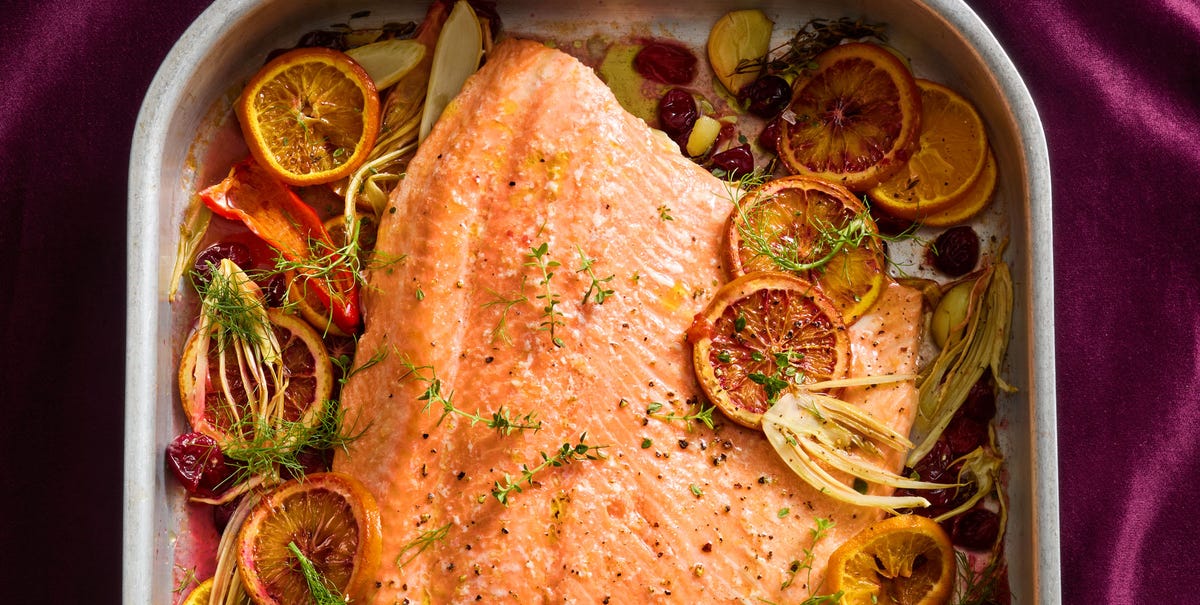
If salmon had a holiday sweater, this cranberry-citrus roasted salmon recipe would be it: bright, bold, slightly fancy, and somehow still comfortable enough for a Tuesday night dinner. The dish brings together buttery salmon, tart cranberries, juicy orange, sunny lemon, a little maple sweetness, and fragrant herbs. The result is a sheet-pan seafood dinner that looks like it escaped from a magazine spread but does not require you to speak fluent chef.
This recipe is ideal for anyone searching for an easy roasted salmon recipe that feels special without becoming dramatic. You do not need complicated equipment, mysterious ingredients, or a culinary degree taped to the fridge. You need a baking sheet, good salmon, fresh or frozen cranberries, citrus, a quick glaze, and about 30 minutes. That is less time than it takes most people to decide what to watch while eating dinner.
The flavor works because salmon is naturally rich, and it loves acidity. Cranberries cut through the fish’s buttery texture with a tart pop. Orange adds sweetness and fragrance. Lemon keeps everything awake. Dijon mustard gives the glaze a gentle sharpness, while maple syrup rounds the edges. It is elegant, balanced, and colorful enough to make your dinner table look like it has a publicist.
Why This Cranberry-Citrus Roasted Salmon Recipe Works
The best salmon recipes usually understand one simple truth: salmon does not need to be buried under heavy sauces. It needs support. In this recipe, the cranberry-citrus mixture acts like a bright, glossy companion instead of a blanket. The salmon roasts on a bed of citrus and onions, absorbing subtle aroma while the cranberries soften and burst around it.
Roasting is also one of the easiest methods for cooking salmon evenly. Unlike pan-searing, which asks you to manage heat, timing, and splatter like a tiny kitchen circus, oven-roasted salmon is forgiving. The oven surrounds the fish with steady heat, helping the fillets stay moist while the glaze thickens slightly on top.
The cranberry-orange glaze is another reason this dish succeeds. Fresh cranberries are famously tart, which is wonderful in small amounts and slightly alarming if you eat a handful raw. When roasted with maple syrup, orange juice, and olive oil, they mellow into juicy, ruby-colored bursts. They do not become jammy in a heavy way; instead, they create a light pan sauce that tastes festive but fresh.
Ingredients for Cranberry-Citrus Roasted Salmon
This recipe serves four people generously. If you are cooking for a larger group, use a full side of salmon and double the cranberry-citrus topping. The method stays almost exactly the same, which is excellent news for anyone hosting dinner and pretending to be calm.
Main Ingredients
- 4 salmon fillets, about 6 ounces each, or 1 1/2 pounds center-cut salmon
- 1 1/2 cups fresh or frozen cranberries
- 1 large orange, thinly sliced
- 1 lemon, thinly sliced
- 1 small red onion or fennel bulb, thinly sliced
- 2 tablespoons extra-virgin olive oil
- 1 tablespoon chopped fresh rosemary or thyme
- 1 teaspoon kosher salt, divided
- 1/2 teaspoon black pepper
For the Cranberry-Citrus Glaze
- 1/4 cup fresh orange juice
- 1 tablespoon fresh lemon juice
- 1 tablespoon maple syrup or honey
- 1 tablespoon Dijon mustard
- 1 teaspoon orange zest
- 1 garlic clove, finely grated or minced
- 1 teaspoon apple cider vinegar or balsamic vinegar
- 1 tablespoon olive oil
- Optional: pinch of red pepper flakes for gentle heat
How to Make Cranberry-Citrus Roasted Salmon
Step 1: Preheat the Oven
Preheat the oven to 400°F. Line a rimmed baking sheet with parchment paper or lightly oil a baking dish. A rimmed pan is important because cranberries and citrus release juices as they roast. A flat cookie sheet may betray you, and nobody wants cranberry glaze on the oven floor.
Step 2: Build the Citrus Base
Arrange the orange slices, lemon slices, and red onion or fennel on the baking sheet. Toss them with 1 tablespoon olive oil, a pinch of salt, and a few grinds of black pepper. This layer keeps the salmon lifted slightly from the pan and adds fragrance from below.
Step 3: Mix the Glaze
In a small bowl, whisk together orange juice, lemon juice, maple syrup, Dijon mustard, orange zest, garlic, vinegar, olive oil, and red pepper flakes if using. The glaze should taste bright, tangy, lightly sweet, and a little savory. If it makes your mouth water, it is doing its job.
Step 4: Add the Salmon
Pat the salmon dry with paper towels. This helps the surface roast instead of steam. Place the salmon skin-side down over the citrus base. Brush or spoon half of the glaze over the fish, then season with the remaining salt and black pepper.
Step 5: Add Cranberries and Herbs
Scatter cranberries around and partly over the salmon. Spoon the remaining glaze over the cranberries and citrus. Sprinkle with rosemary or thyme. If using frozen cranberries, add them straight from the freezer; there is no need to thaw them first.
Step 6: Roast Until Flaky
Roast for 12 to 16 minutes for individual fillets, depending on thickness. A thicker center-cut piece or whole side of salmon may take 18 to 22 minutes. The salmon is done when it flakes easily with a fork and reaches 145°F in the thickest part according to U.S. food-safety guidance. For the juiciest texture, remove it from the oven as soon as it reaches doneness and let it rest for 3 to 5 minutes.
Step 7: Spoon and Serve
Before serving, spoon the warm cranberry-citrus juices from the pan over the salmon. Garnish with extra orange zest, chopped parsley, or a few fresh herb leaves. Serve immediately while the fish is tender and the cranberries are glossy.
Flavor Variations and Easy Substitutions
This cranberry-citrus roasted salmon recipe is flexible. Think of it as a reliable dinner template wearing a very attractive scarf.
Use Blood Orange for a Deeper Flavor
Blood orange adds a berry-like citrus note and a dramatic color. It pairs beautifully with cranberries and makes the dish look even more special.
Swap Maple Syrup for Honey
Maple syrup gives the glaze a cozy, woodsy sweetness. Honey creates a more floral flavor and slightly stickier finish. Both work well, so use what you have.
Add Warm Spices
A pinch of cinnamon, smoked paprika, or ground ginger can make the glaze feel warmer and more holiday-inspired. Use a light hand. Salmon appreciates seasoning, but it does not want to taste like a candle.
Try Shallots Instead of Red Onion
Shallots roast into soft, sweet ribbons and make the finished dish taste more delicate. Fennel adds a subtle anise flavor that works especially well with orange and lemon.
What to Serve With Cranberry-Citrus Roasted Salmon
This salmon is bright, rich, and tangy, so the best side dishes are simple and grounding. You want sides that catch the sauce, balance the acidity, and let the salmon remain the star of the plate.
- Wild rice or brown rice: Nutty grains absorb the cranberry-citrus juices beautifully.
- Roasted potatoes: Crispy potatoes make the meal heartier and very dinner-party friendly.
- Garlic green beans: Their fresh crunch balances the richness of salmon.
- Brussels sprouts: Roasted sprouts pair well with cranberries and citrus.
- Arugula salad: Peppery greens with a lemon vinaigrette keep the meal light.
- Mashed sweet potatoes: Their natural sweetness echoes the maple glaze.
Tips for Perfect Roasted Salmon Every Time
Choose Evenly Sized Fillets
Even thickness means even cooking. If one fillet is much thinner than the others, it will cook faster and may dry out before the rest are done. Center-cut salmon is usually the easiest option for roasting.
Do Not Overcrowd the Pan
Give the salmon and fruit enough space. If everything is packed too tightly, the ingredients steam instead of roast. Steaming is fine for some foods, but here you want concentrated flavor and lightly caramelized edges.
Use a Thermometer
A food thermometer removes the guesswork. Salmon can go from silky to dry quickly, especially in a hot oven. Checking the thickest part of the fillet is the easiest way to avoid disappointment.
Let the Salmon Rest
Resting allows juices to settle, which helps the fish stay moist. Three to five minutes is enough. Do not cover it tightly with foil, or the trapped steam may keep cooking the fish.
Storage and Reheating
Store leftover cranberry-citrus salmon in an airtight container in the refrigerator for up to three days. Keep extra pan juices with the fish if possible; they help prevent the salmon from drying out.
To reheat, place the salmon in a covered baking dish at 275°F until warmed through. Low heat is best. The microwave works in emergencies, but use short intervals and low power. Otherwise, the salmon may become firm, and your kitchen may smell like seafood made a dramatic announcement.
Cold leftover salmon is also excellent. Flake it over a salad with arugula, avocado, and toasted walnuts. Add it to a grain bowl with quinoa and roasted vegetables. You can also tuck it into a sandwich with a little Greek yogurt, lemon juice, and herbs.
Nutrition Benefits of Salmon, Cranberries, and Citrus
Salmon is rich in protein and provides omega-3 fatty acids, especially EPA and DHA. These fats are often associated with heart health, and major health organizations recommend eating fish, particularly fatty fish such as salmon, regularly as part of a balanced diet. Salmon also supplies nutrients such as vitamin B12 and selenium.
Cranberries bring tart flavor, color, fiber, and plant compounds to the recipe. They are naturally sharp, which is exactly why they work so well with a rich fish like salmon. Citrus contributes vitamin C, fragrance, and acidity. Together, the ingredients create a dish that feels indulgent but still fits beautifully into a balanced eating pattern.
Of course, this is still dinner, not a magic spell. One salmon recipe will not solve every nutritional problem, but it is a smart way to put more seafood, fruit, herbs, and healthy fats on the table without turning mealtime into homework.
Common Mistakes to Avoid
Using Too Much Sweetener
The goal is balance, not dessert salmon. Cranberries need a little sweetness, but too much maple syrup or honey can overpower the fish. Start with the recommended amount and add more only if your cranberries are extremely tart.
Skipping the Acid
Orange juice alone can taste sweet. Lemon juice and vinegar sharpen the glaze and keep the flavors lively. Without acidity, the dish may taste flat.
Cooking Straight From Wet Packaging
Always pat salmon dry before roasting. Excess moisture prevents the glaze from clinging properly and can make the fish watery.
Forgetting the Pan Sauce
The roasted cranberries, citrus juices, and salmon drippings create a quick sauce right on the baking sheet. Spoon it over the fish before serving. Leaving it behind would be a tiny culinary tragedy.
500-Word Experience Section: Cooking Cranberry-Citrus Roasted Salmon at Home
The first thing you notice when making cranberry-citrus roasted salmon is the color. Before the pan even reaches the oven, it already looks promising: pink salmon, ruby cranberries, orange slices, yellow lemon, and purple-red onion. It is the kind of dish that makes you feel more organized than you actually are. Even if the sink is full and someone has left one lonely spoon on the counter for reasons unknown, this salmon brings instant confidence.
The prep is also pleasantly simple. There is no complicated marinade that needs to sit overnight, no special sauce that requires reducing for 47 minutes, and no flipping fish in a pan while whispering prayers. You slice citrus, whisk the glaze, place everything on a sheet pan, and let the oven do the heavy lifting. The whole process has the calm energy of a recipe that knows you have other things to do.
As the salmon roasts, the kitchen starts to smell bright and cozy at the same time. The citrus warms first, releasing that fresh orange-lemon aroma. Then the cranberries begin to soften and burst, mingling with maple, garlic, and herbs. It smells festive without being heavy. If you cook this around the holidays, it feels right at home next to roasted vegetables and sparkling drinks. If you cook it in the middle of a regular week, it makes Wednesday feel like it has upgraded itself.
Serving the dish is one of the best parts. The cranberries look glossy, the citrus edges soften, and the salmon flakes apart with just a fork. The first bite has contrast: rich fish, tart fruit, sweet glaze, savory herbs, and a clean citrus finish. It is not bland “healthy food.” It is healthy food that remembered to bring personality.
This recipe is especially useful for entertaining because it looks impressive but does not trap you in the kitchen. You can prepare the glaze ahead, slice the citrus earlier in the day, and assemble everything right before roasting. Guests see a colorful salmon centerpiece; you know the whole thing was easier than making a complicated appetizer. That is not deception. That is strategy.
For weeknight cooking, the leftovers are another bonus. The next day, cold cranberry-citrus salmon over greens tastes fresh and satisfying. The cranberries act almost like a relish, so you do not need much dressing. Add a few nuts, leftover rice, or roasted sweet potato, and lunch is handled. Future you will be grateful, possibly even emotional.
The biggest lesson from cooking this dish is that salmon loves bold flavors. Cranberry and citrus might sound like a holiday-only pairing, but they work because they solve the same problem: they cut richness and add brightness. Once you try it, plain salmon with only salt and pepper may start looking a little underdressed. Delicious, yes, but perhaps missing its cranberry jewelry.
Conclusion
Cranberry-citrus roasted salmon is the kind of recipe that delivers more than its effort suggests. It is fast enough for a weeknight, beautiful enough for a holiday table, and flexible enough for personal twists. The combination of tender roasted salmon, tart cranberries, sweet orange, bright lemon, herbs, and a simple maple-Dijon glaze creates a balanced dish that tastes fresh, festive, and satisfying.
If you want an easy salmon recipe that feels special without becoming stressful, this one deserves a spot in your rotation. It brings color, flavor, and reliable technique to the table. Best of all, it proves that dinner can be elegant without requiring a sink full of pans or a pep talk from a celebrity chef.













