
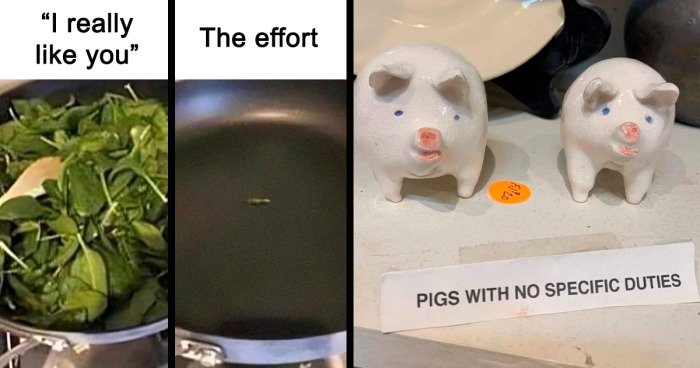
Mental health memes are the internet’s way of whispering, “You are not the only person who has cried because your sock felt weird.” Somewhere between therapy appointments, unread self-help books, and the third cup of coffee that promises emotional stability but delivers jazz hands, people found a new language for stress, anxiety, burnout, depression, overthinking, and the tiny daily dramas of being human: memes.
The best mental health memes do not make fun of people who struggle. They make fun of the struggle itselfthe overthinking gremlin, the suspiciously loud inner critic, the “I’m fine” performance worthy of an Oscar, and the calendar reminder that says “therapy” while your brain says “maybe I can fix my entire personality in 47 minutes.”
Humor is not therapy, and memes are not a replacement for professional support. But a well-timed joke can make a heavy feeling easier to name. It can turn shame into recognition, isolation into “same,” and emotional chaos into a screenshot you immediately send to your best friend with no caption because the meme has already testified in court.
Why Mental Health Memes Are Everywhere
People love relatable mental health memes because they compress complicated feelings into something quick, visual, and emotionally accurate. A meme about anxiety might say more in six words and a raccoon picture than a full journal entry written at 1:13 a.m. under the glow of poor decisions.
Modern life has made emotional overload feel almost ordinary. Work messages follow us home. Social media gives everyone a front-row seat to everyone else’s highlight reel. Sleep schedules are held together with hope and phone chargers. In that environment, funny mental health memes offer a tiny pressure valve. They say, “Yes, this is ridiculous. Yes, you are exhausted. No, you are not uniquely broken.”
They Make Invisible Feelings Visible
Anxiety, depression, burnout, ADHD overwhelm, loneliness, and therapy fatigue often happen inside the mind, where other people cannot see them. Memes turn those internal experiences into shared objects. Suddenly, the thought “I rehearsed a phone call for three hours and still did not make it” becomes a joke thousands of people understand instantly.
They Reduce Shame Without Minimizing Pain
Good mental health humor walks a careful line. It does not say, “Your pain is silly.” It says, “This symptom is hard, but the way our brains handle it can be absurd.” That distinction matters. A meme can help people talk about panic, sadness, therapy, medication, boundaries, and emotional healing without turning the conversation into a fluorescent-lit lecture with stale pamphlets.
50 Relatable Mental Health Meme Ideas That Hit a Little Too Close
Below are 50 mental health meme concepts that capture the everyday comedy of coping. They are written as original examples, captions, and scenarios you might see in the wildminus the stolen images, because plagiarism is not self-care.
- The “I’m fine” meme: A person smiling calmly while their inner world looks like a raccoon driving a shopping cart downhill.
- The overthinking spiral: “Me: says ‘thanks, you too’ to the waiter. My brain for the next seven years: interesting choice.”
- The therapy homework meme: “My therapist: try journaling. Me: writes one sentence and then organizes pens for emotional support.”
- The anxiety notification: “No new messages. Anxiety: exactly. Suspicious.”
- The burnout battery: Phone battery: 82%. Human battery: emotionally buffering since Tuesday.
- The depression laundry chair: Not clean. Not dirty. A textile-based monument to executive dysfunction.
- The boundary-setting starter pack: One brave text, three hours of guilt, and a sudden need to lie down.
- The self-care misunderstanding: “I practiced self-care by buying a candle. Did I also answer my urgent emails? Let’s not get political.”
- The social battery meme: Arrives at party cheerful. Leaves 26 minutes later spiritually unplugged.
- The intrusive thought pop-up: Brain: “Would you like to remember every embarrassing thing from middle school?” No unsubscribe button.
- The panic-cleaning paradox: Cannot handle one email, but suddenly deep-cleaning baseboards like a Victorian housekeeper.
- The “healing era” meme: Healing, but still arguing with imaginary critics in the shower.
- The sleep revenge meme: Body: exhausted. Brain: perfect time to analyze the tone of a 2019 text.
- The emotional support water bottle: Hydration? Maybe. Personality trait? Absolutely.
- The therapy breakthrough: “I realized I use humor as a defense mechanism.” Immediately makes joke about it.
- The calendar anxiety: One appointment at 3 p.m. means the entire day is legally unusable.
- The meditation attempt: “Clear your mind.” Mind: here is a full musical number about taxes.
- The people-pleaser meme: Saying “no” with healthy boundaries, then checking the sky for consequences.
- The group chat support system: One friend has memes, one has practical advice, one says “burn it down,” and somehow all are necessary.
- The Sunday scaries: Sunday at 4:07 p.m. enters the room wearing a tiny villain cape.
- The emotional regulation snack: “Am I upset, or have I forgotten to eat?” A timeless diagnostic mystery.
- The therapy voice: Using phrases like “I hear you” while internally screaming into a decorative pillow.
- The self-awareness curse: Knowing exactly why you do something and still doing it with academic confidence.
- The coping skills menu: Walk, breathe, call a friend, drink wateror stare at wall and become furniture.
- The ADHD tabs meme: Browser has 42 tabs open. Brain has 87. None are responding.
- The “quick errand” anxiety: Requires shoes, keys, courage, and a full character arc.
- The emotional flashback: Today’s problem is small, but the nervous system brought backup dancers.
- The therapist’s notes: “Client uses jokes to avoid feelings.” Client: “At least the jokes are improving.”
- The fake productivity meme: Made a to-do list. Rewarded self with three hours of scrolling. Balanced.
- The crisis nap: Sometimes the healthiest coping tool is unconsciousness with a blanket.
- The “new personality after therapy” meme: Learns one coping skill and begins speaking like a licensed houseplant.
- The anxiety soundtrack: A tiny violin, a car alarm, and someone whispering “what if?”
- The emotional support hoodie: Worn for comfort, warmth, and protection from mild human interaction.
- The unread message meme: Wants connection. Avoids replying. Misses people. Repeats until season finale.
- The perfectionism meme: Cannot begin task because first attempt might not win an award.
- The inner critic review: Zero stars. Harsh tone. Needs management training.
- The coping playlist: Starts with calm piano. Ends with dramatic breakup songs from relationships you never had.
- The appointment reminder: “Therapy tomorrow.” Brain: time to prepare a TED Talk and forget every symptom.
- The “I should go outside” meme: Nature is healing, but so is not wearing pants.
- The doomscrolling loop: Opens phone to relax. Leaves emotionally informed and spiritually dented.
- The gratitude journal meme: “Today I am grateful for coffee, Wi-Fi, and not replying ‘per my last nervous breakdown.’”
- The minor inconvenience collapse: Handles major life events. Loses it because the fitted sheet fought back.
- The “trust the process” meme: Process currently looks like soup, but apparently we are trusting it.
- The emotional boundaries meme: “I am not responsible for everyone’s feelings.” Nervous system: bold claim.
- The mental health walk: Went outside for ten minutes and returned acting like a wellness influencer.
- The self-compassion struggle: Can comfort every friend beautifully. Talks to self like a disappointed gym teacher.
- The medication reminder meme: “Did I take it?” A daily mystery thriller starring a pill bottle.
- The “one small task” meme: Task takes four minutes. Avoidance takes three business days.
- The crying-but-functional meme: Tears in eyes, spreadsheet open, capitalism remains undefeated.
- The therapist-approved punchline: “Progress is not linear, but apparently it is very meme-able.”
What Makes a Mental Health Meme Actually Funny?
A funny mental health meme works because it reveals the truth without hitting people over the head with a clipboard. The humor usually comes from contrast: a tiny problem with a giant emotional reaction, a serious coping strategy paired with chaotic execution, or a deeply personal experience described with casual internet nonsense.
The most relatable memes are specific. “Anxiety is hard” is true, but it is not especially funny. “My brain treats a two-word email like a haunted treasure map” is more memorable because it captures the exact texture of anxious thinking. Specificity is what makes readers point at the screen and say, “Unfortunately, yes.”
Good Mental Health Humor Punches Up, Not Down
The safest and kindest mental health humor makes fun of symptoms, systems, awkward moments, and universal coping strugglesnot people with conditions. A joke about forgetting why you entered a room is relatable. A joke that labels someone as “crazy” is lazy, outdated, and about as charming as a wet sock.
It Leaves Room for Real Help
The best memes make people feel seen while still leaving space for support, treatment, rest, medication, therapy, community, and change. A meme can open the door to a conversation, but it should not lock the door behind professional care. Laughing at a panic spiral is fine. Using jokes to avoid telling anyone you are not okay may be a sign to reach out.
Why Therapists Might Laugh Too
Therapists hear a lot of pain, but they also hear a lot of deeply human absurdity. Therapy often includes moments where people discover that their brains have been running old software, making dramatic predictions, or trying to protect them with strategies last updated in childhood. That can be tender, serious, and occasionally hilarious.
A therapist might laugh at a good mental health meme because it captures a real pattern in a gentle way. The meme about rehearsing a phone call? That is anxiety and anticipatory stress. The meme about the laundry chair? That is executive dysfunction meeting daily life. The meme about making jokes during emotional vulnerability? That is a defense mechanism wearing tap shoes.
Humor can help people talk about difficult material without feeling swallowed by it. In therapy, laughter sometimes becomes a bridge: not a way to dismiss pain, but a way to approach it without flinching. When used with care, humor can soften shame and make insight feel less like a courtroom and more like a conversation.
The Mental Health Benefits of Laughing at the Right Meme
Laughter is not magic, but it is not nothing either. A good laugh can ease tension, shift perspective, and help people feel connected. When a meme makes someone feel understood, the benefit is not only the jokeit is the recognition. The nervous system loves a little evidence that it is not alone in the wilderness.
Memes Can Create Micro-Moments of Connection
Sending a mental health meme to a friend can be a quiet way of saying, “This is me today,” or “I thought of you,” or “Please validate that my brain is being a dramatic squirrel.” These small exchanges matter. They can keep friendships alive during busy seasons when long conversations feel impossible.
They Can Help People Name Their Feelings
Sometimes a meme gives language to something people have not been able to explain. A person might not say, “I am experiencing emotional avoidance connected to overwhelm,” but they might send a meme that says, “Me ignoring my responsibilities until they form a government.” It is not clinical language, but it starts the conversation.
They Can Make Therapy Feel Less Intimidating
Mental health memes have helped normalize therapy culture. They joke about coping skills, breakthroughs, boundaries, inner children, attachment styles, and the classic “I told my therapist about you” energy. While not every meme is accurate, the larger trend can make people more comfortable discussing emotional health openly.
When Mental Health Memes Stop Being Helpful
Not every joke is healing. Sometimes mental health memes can drift into romanticizing suffering, spreading misinformation, or making symptoms seem like quirky personality accessories. “I like clean spaces” does not automatically mean obsessive-compulsive disorder. “I got distracted” does not automatically mean ADHD. “I felt sad today” does not automatically mean clinical depression.
Labels matter because real conditions affect real lives. Memes can be a starting point for curiosity, but they should not become a diagnosis machine powered by vibes and screenshots. If a meme feels painfully accurate again and again, it may be worth talking with a qualified professional instead of letting the algorithm become your therapist with worse boundaries.
Watch Out for Doom Humor
There is a difference between laughing at struggle and building a digital cave inside it. If your feed is only despair, burnout jokes, self-hatred, and “nothing matters” content, it may start reinforcing the mood it once helped you release. Curate your feed like you would curate your living room: fewer emotional raccoons, more sunlight.
Do Not Let Humor Replace Honesty
If jokes become the only way you talk about your mental health, people may not realize when you truly need help. A meme can say “I am struggling,” but direct words are sometimes necessary: “I am having a hard week,” “Can you check in on me?” or “I need support.” That kind of honesty is not dramatic. It is maintenance.
How to Enjoy Mental Health Memes in a Healthy Way
Use memes as a tool, not a home address. Laugh, share, relate, and then notice what comes up. Did the meme make you feel lighter? Did it help you message a friend? Did it reveal a pattern you want to discuss in therapy? Or did it pull you deeper into comparison, shame, or avoidance?
A healthy meme habit might look like following creators who balance humor with compassion, taking breaks from content that makes you feel worse, and remembering that your life is larger than your symptoms. You are not a diagnosis, a coping mechanism, or a punchline. You are a full person who occasionally needs a snack, a nap, a boundary, and a meme about all three.
Experiences That Make These Mental Health Memes Feel So Real
The reason mental health memes travel so far is that they are built from everyday experiences most people recognize, even if they rarely say them out loud. Take the classic “one appointment ruins the whole day” meme. It is funny because many people know the strange mental math of waiting. A dentist appointment at 2 p.m. somehow makes 9 a.m. feel unavailable, noon feel dangerous, and 1:45 p.m. feel like the final boss. The event may be simple, but anxiety turns it into an all-day weather system.
Then there is the experience of being functional on the outside while running on emotional fumes inside. You answer work messages, make small talk, pay bills, and remember to buy toothpaste, all while your inner monologue is doing parkour. That is why memes about “crying but still sending the email” land so hard. They reveal the gap between appearance and experience. Many people are not falling apart in visible ways; they are quietly over-performing while under-supported.
Another common experience is using humor before vulnerability. A person may walk into therapy ready to discuss a painful memory and open with a joke about being “the CEO of avoidance.” It gets a laugh, but it also creates safety. Humor can be a doorbell. It announces that something serious is nearby without forcing the whole emotional package into the room at once. Many people learn to joke because joking helped them survive awkward families, stressful schools, demanding jobs, or lonely seasons.
Mental health memes also capture the confusing nature of progress. Healing rarely feels like a movie montage. More often, it looks like noticing a trigger five minutes sooner than usual, apologizing without self-destruction, drinking water after crying, or choosing not to answer a message while angry. These tiny wins do not always feel dramatic, so memes help celebrate them with the appropriate level of absurdity. “I used one coping skill and now I am basically a licensed wizard” is funny because progress can feel both small and enormous.
There is also the shared experience of wanting connection while being too tired to maintain it gracefully. Many people send memes because they do not have the energy for a full conversation but still want to say, “I am here.” A meme can become a low-pressure check-in. It lets friendship survive the busy weeks, the depressive dips, the anxious avoidance, and the times when typing “How are you?” feels weirdly impossible.
Finally, these memes feel relatable because they remind people that mental health is not only about crisis moments. It is also about laundry, dishes, unread texts, awkward appointments, grocery store overstimulation, sleep schedules, family dynamics, perfectionism, and trying to be a decent person while your brain plays elevator music and disaster sirens at the same time. That is why a good mental health meme can be silly and meaningful at once. It catches ordinary emotional life in the act and says, “Look. This is hard. Also, kind of ridiculous. Let’s not do it alone.”
Conclusion: Laughing With Your Brain, Not At Yourself
Relatable mental health memes are popular because they turn private struggles into shared recognition. They help people laugh at the strange, frustrating, oddly specific realities of being human: overthinking, people-pleasing, therapy breakthroughs, burnout, emotional avoidance, social exhaustion, and the eternal mystery of whether we are sad or just need lunch.
The key is to let humor support your mental health without replacing real care. Share the meme, laugh at the meme, send it to your therapist if you are brave, and then pay attention to what it reveals. Sometimes the funniest joke is also a tiny map pointing toward what needs rest, support, honesty, or healing.
Note: This article is for informational and entertainment purposes only. Mental health memes can offer comfort and connection, but they are not a substitute for therapy, medical care, crisis support, or personalized guidance from a licensed professional.













