
Note: This guide is for everyday clothing care and moth prevention. If you discover a severe infestation, valuable antique textiles, or heirloom wool pieces, consider contacting a professional cleaner or pest-management expert before experimenting like a laundry-room scientist with too much confidence.
Wool is warm, beautiful, breathable, and quietly luxurious. Unfortunately, clothes moth larvae also think wool is a five-star buffet. The tiny adult moths fluttering around your closet are not the real sweater criminals; their larvae are the ones chewing holes through wool sweaters, cashmere scarves, wool coats, felt hats, and other animal-based fibers. They especially love dark, quiet spaces and garments seasoned with sweat, skin oils, food stains, pet hair, or the faint memory of last winter’s hot chocolate incident.
The good news is that keeping wool clothing safe from moths is less about panic and more about a simple system: clean, inspect, seal, monitor, and repeat. You do not need to turn your closet into a chemical bunker or live in fear of every tiny flying insect. With smart storage habits, regular cleaning, and a few practical moth-prevention tools, your wool clothing can survive season after season without becoming lace by accident.
Below are 15 practical steps for moth-proofing wool clothes, including what to clean, how to store wool sweaters, when to use cedar or lavender, how to handle mothballs safely, and what to do if you already see suspicious holes.
Why Moths Attack Wool Clothing
Clothes moth larvae feed on keratin, a protein found in animal fibers such as wool, cashmere, mohair, alpaca, fur, feathers, and felt. Synthetic fabrics are not usually their first choice, but blended clothing can still be damaged if it contains wool or if it carries stains made from sweat, food, or body oils. In other words, that “mostly acrylic” sweater is not automatically safe if it has wool content or if it has been living in a closet with crumbs, lint, and mystery debris.
The most common fabric-damaging moths prefer darkness and stillness. They are not impressed by bright lights, frequent movement, or tidy storage. That is why moth damage often shows up in off-season clothing, guest-room closets, basement bins, rarely worn coats, and the back corner of a drawer where one sweater has been hibernating since the last ice age.
How to Keep Wool Clothing Safe From Moths: 15 Steps
1. Identify the Real Problem Before You Treat It
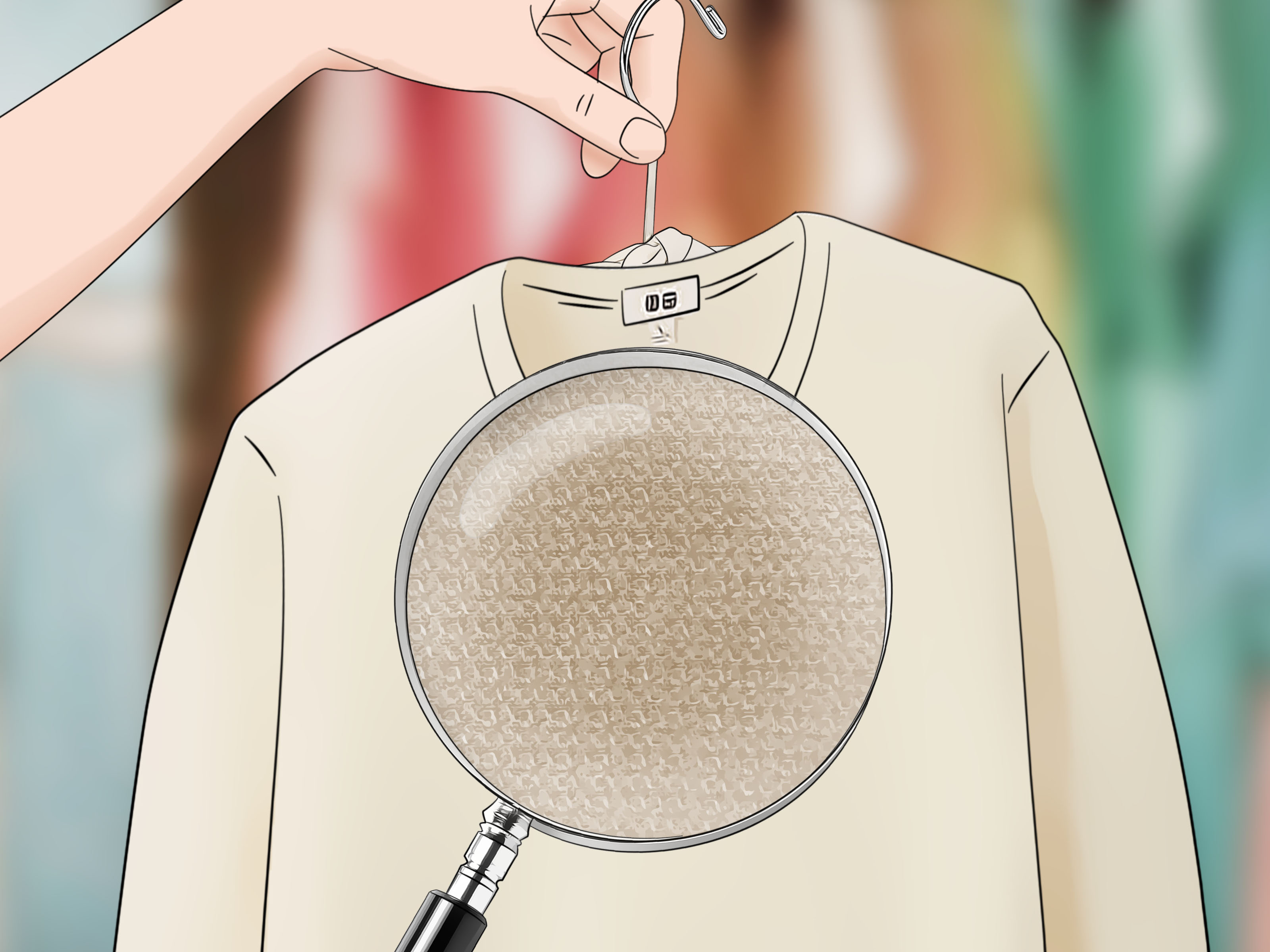
Before declaring war on your entire wardrobe, confirm that you are dealing with clothes moths. Look for tiny irregular holes, thin grazed patches, silky webbing, small tubes or cases, shed skins, or gritty debris in folds and seams. Adult clothes moths are small and usually beige or golden, but larvae cause the damage. Pantry moths flying around your kitchen are a different problem and are more interested in cereal than cashmere.
If the holes are clean, round, and located in one spot, they may be caused by friction, belt buckles, rough surfaces, or washing damage. Moth damage is often irregular and appears in hidden, undisturbed areas such as cuffs, collars, underarms, hems, folds, and stored stacks of sweaters.
2. Clean Wool Before Storage
This is the golden rule of moth prevention: never store dirty wool. Clothes moths are attracted to natural fibers, but stains make those fibers even more delicious. Sweat, skin oils, food spills, perfume residue, pet dander, and body soil can turn a perfectly innocent sweater into moth lasagna.
Before packing wool away for the season, wash it according to the care label or have it professionally dry-cleaned. Hand-wash washable wool with a wool-safe detergent, reshape it gently, and dry it flat. For structured wool coats, suits, lined garments, or delicate cashmere, dry cleaning is often the safer route. Clean clothing is not invisible to moths, but it is much less attractive.
3. Let Garments Dry Completely
Moisture is not your friend in wool storage. Damp clothing can invite mildew, odor, and pest activity. After washing wool, give it plenty of time to dry completely before folding or sealing it. Thick sweaters, wool coats, and tightly knit items may feel dry on the surface while still holding moisture inside the fibers.
For hand-washed sweaters, press out water with a towel instead of wringing. Lay the garment flat on a dry towel or mesh drying rack, reshape it, and allow air to circulate. Never pack wool while it feels cool, damp, or heavy. A sealed container plus damp wool equals a sad science experiment.
4. Vacuum Closets, Drawers, and Baseboards
Moth prevention is not only about the clothing. Eggs and larvae can hide in closet cracks, baseboards, rugs, carpet edges, lint, pet hair, and dust. Vacuuming removes debris that pests feed on and can physically remove insects at different life stages.
Pay special attention to closet floors, corners, shelving seams, drawer interiors, under furniture, behind storage bins, and along baseboards. If you have a vacuum bag, dispose of it promptly after cleaning a suspected infestation. If your vacuum has a canister, empty it outside into a sealed trash bag and clean the canister. This is not the moment to give moth larvae a second chance.
5. Brush and Air Wool Items Regularly
Wool clothing that is worn, moved, brushed, and aired is less inviting than wool that sits forgotten in the dark. Use a soft garment brush to remove lint, hair, dust, and surface debris from coats, trousers, skirts, and heavier wool pieces. For sweaters, shake them gently and inspect folds and seams.
Fresh air and light can help discourage moth activity, especially for garments not stored in airtight containers. Hang wool coats outside in indirect sunlight for a short airing session, or place sweaters on a clean surface where they can breathe. Avoid harsh direct sunlight for long periods because it can fade colors and weaken fibers.
6. Store Wool in Airtight Containers
Airtight storage is one of the most effective ways to protect wool clothing from moths. Use sealed plastic bins, compression bags, zippered storage bags, or garment storage boxes with tight-fitting lids. The goal is simple: once the garment is clean and pest-free, keep new moths out.
For folded sweaters, choose containers that allow the garments to rest without being crushed beyond recognition. Vacuum-sealed bags can save space, but they may flatten loftier knits if used for long periods. For expensive cashmere or heirloom wool, a roomy airtight bin is often better than squeezing the life out of the garment like it owes you money.
7. Avoid Cardboard for Long-Term Wool Storage
Cardboard boxes are cheap and convenient, but they are not ideal for moth-proof storage. They can absorb moisture, attract pests, and leave gaps where insects can enter. Cardboard also does little to protect clothing from dust, humidity, or household odors.
If you must use boxes temporarily, place clean wool items inside sealed garment bags first. For long-term storage, choose airtight plastic containers, archival textile boxes with proper liners, or sealed storage bags. Add labels so you do not have to open every bin in October while muttering, “Where did I put the good sweater?”
8. Use Cedar Correctly
Cedar has a long reputation as a natural moth repellent, but it is not magic. Cedar works best as a mild deterrent in enclosed spaces, especially when the scent is fresh. Cedar blocks, balls, rings, hangers, and sachets can help make closets less inviting, but they will not reliably kill an established infestation on their own.
Refresh cedar by lightly sanding the surface when the scent fades. Avoid placing cedar directly against delicate fabrics because its oils can stain. Put cedar chips in breathable cotton sachets, or hang cedar pieces where they will not rub on clothing. Think of cedar as a helpful security guard, not a superhero.
9. Add Lavender or Herbal Sachets as a Supporting Tool
Lavender sachets, rosemary, mint, thyme, and other aromatic herbs are popular natural moth deterrents. They smell better than chemical pesticides and can make drawers feel pleasantly civilized. However, herbal sachets are best used as part of a broader plan, not as the entire plan.
Refresh sachets regularly because weak, dusty herbs are mostly decorative. Do not let essential oils touch wool directly, as oils can stain or damage fabric. If you use essential oil, apply it to a cotton ball or sachet placed away from the garment. Also remember that strong scents may irritate sensitive people, so your closet should smell fresh, not like a spa got into a fight with a pine forest.
10. Use Mothballs Only With Extreme Care
Mothballs are pesticides, not casual closet perfume. They usually contain naphthalene or paradichlorobenzene and work by releasing vapors in a tightly sealed space. Those vapors can be harmful to people and pets when misused, and mothballs should not be scattered loosely in bedrooms, closets, drawers, attics, or open rooms.
If you choose to use mothballs, follow the label exactly. Use them only in airtight containers where fumes cannot escape into living areas. Never mix different mothball products, never place them directly on clothing, and keep them away from children and pets. For most households, careful cleaning, airtight storage, cedar, monitoring traps, and professional help when needed are safer and more pleasant options.
11. Freeze Suspect Wool Items
Freezing can help kill moth eggs and larvae in small wool items, especially if you catch a problem early. Place the garment in a sealed plastic bag, press out excess air, and freeze it for at least 72 hours. For extra caution, let it return to room temperature while still sealed, then repeat the freezing cycle.
This method is useful for sweaters, scarves, hats, yarn, and small wool accessories. It is not ideal for delicate antique textiles without expert advice, and it may not be practical for large coats unless you own a freezer the size of a studio apartment. Always seal the item first so condensation does not wet the fabric.
12. Use Heat When the Care Label Allows
Heat can kill clothes moths, but wool is famously dramatic about heat, agitation, and shrinking. Some wool items can tolerate controlled heat, while others will felt, shrink, warp, or become doll clothing. Always check the care label first.
For washable wool, laundering may help remove eggs and larvae, but hot water is often unsafe. A dryer may be appropriate for some non-delicate items, but many wool garments should never be tumble-dried. When in doubt, use freezing, dry cleaning, or professional textile care instead. Saving a sweater from moths only to shrink it into a decorative potholder is not a victory.
13. Set Pheromone Traps for Monitoring
Pheromone traps can help you monitor adult male clothes moth activity. They do not solve the whole problem because larvae do the eating and traps usually catch only part of the adult population. Still, they are useful early-warning tools.
Place traps in closets, storage rooms, or areas where you have seen moths. Check them regularly. If the trap suddenly collects several moths, inspect nearby woolens and clean the area thoroughly. Avoid placing too many traps in one small area, as this can confuse monitoring results. The goal is surveillance, not turning your closet into a moth nightclub.
14. Inspect Wool Clothing on a Schedule
Moth prevention works best when it becomes routine. At the start and end of each season, inspect wool sweaters, coats, scarves, suits, blankets, and storage bins. Look at seams, cuffs, underarms, collars, waistbands, pockets, folds, and areas that sit against shelves or hangers.
For wool items stored outside airtight containers, inspect them monthly during warm months. Shake them out, brush them, and let them air. This quick habit can catch small problems before they become expensive ones. A five-minute inspection now can save you from discovering in November that your favorite sweater has been converted into moth confetti.
15. Act Fast if You Find Damage
If you discover moth damage, do not simply fold the garment back into the drawer and hope the moths develop manners. Remove the affected item immediately. Inspect nearby clothing, vacuum the storage area, clean or freeze suspect items, and wash or dry-clean garments before returning them to storage.
Separate damaged clothing until you are sure it is pest-free. Small holes in wool sweaters can often be repaired with darning, visible mending, or professional reweaving. For valuable coats, suits, or heirlooms, contact a professional cleaner or textile repair specialist. Fast action keeps one damaged sweater from becoming a full wardrobe tragedy.
Best Storage Setup for Wool Sweaters
The ideal wool sweater storage system is simple. First, clean every sweater. Second, make sure each item is completely dry. Third, fold sweaters instead of hanging them, because hanging can stretch the shoulders. Fourth, place them in an airtight bin or sealed garment bag. Fifth, add cedar or lavender sachets away from direct fabric contact. Finally, label the container and store it in a cool, dry area.
Avoid storing wool in damp basements, hot attics, or crowded closets with poor airflow. Temperature swings and humidity can weaken fibers and encourage pests. A bedroom closet shelf or interior storage area is often better than a garage or attic. If space is tight, rotate seasonal clothing so wool is not left undisturbed for years.
Common Mistakes That Invite Clothes Moths
One common mistake is storing wool after “only wearing it once.” Unfortunately, one wear can leave sweat, skin oils, perfume, or food residue behind. Another mistake is relying only on cedar blocks without cleaning or sealing clothing. Cedar may help repel moths, but dirty wool in an open closet is still vulnerable.
People also forget to vacuum closet floors, especially under shoes, storage baskets, and hanging garments. Lint and pet hair can support fabric pests. Another error is using mothballs casually in open spaces. Mothballs are regulated pesticides and should be treated with respect, not tossed around like unpleasant-smelling confetti.
Natural Moth Prevention vs. Chemical Control
Natural moth prevention focuses on cleanliness, airtight storage, regular inspection, cedar, lavender, freezing, and good housekeeping. This approach is safer for most homes and works well when practiced consistently. Chemical control may be appropriate in specific cases, but pesticides must be used according to label directions and should not replace cleaning.
If the infestation is widespread, recurring, or affecting valuable items, professional pest control may be the most efficient option. Professionals can identify the pest, find hidden sources, and recommend targeted treatment. Sometimes the real source is not the sweater drawer but an old wool rug, pet hair under furniture, a forgotten feather pillow, or even animal nesting material in an attic or wall void.
of Practical Experience: What Really Helps in Everyday Life
In real life, moth prevention succeeds when it becomes boring. That may not sound glamorous, but boring systems are what protect expensive wool. The people who rarely lose sweaters to moths are not necessarily using secret luxury products. They are usually doing the simple things repeatedly: cleaning before storage, sealing garments properly, vacuuming the closet, and checking their wool before the first cold snap.
One useful habit is creating a “wool closing day” at the end of winter. Pick a weekend, gather all wool sweaters, scarves, hats, and coats, and deal with them in one batch. Check pockets for tissues, receipts, candy wrappers, and other archaeological discoveries. Sort items into three groups: clean and ready to store, needs washing, and needs repair. This prevents the classic mistake of shoving everything into a bin while promising yourself you will “handle it later.” Later, of course, is when the moths open their tiny restaurant.
Another practical tip is to label storage bins clearly. A label such as “Clean Wool Sweaters – Winter” is more useful than “Clothes,” which could mean anything from cashmere to old gym shorts. Clear bins are helpful because you can see what is inside without opening them. If you prefer opaque bins, use large labels or painter’s tape. The less you rummage, the less you disturb carefully packed garments.
For people who wear wool often, a two-zone system works well. Keep current-season wool in an accessible area, but do not let it pile up on chairs or closet floors. Give frequently worn sweaters room to breathe. Brush coats after wear, let damp garments dry before returning them to the closet, and avoid hanging worn wool tightly between clean stored pieces. For off-season wool, use sealed bins with refreshed cedar or lavender sachets.
If you buy secondhand wool, inspect it before bringing it into your main closet. Thrifted cashmere, vintage coats, and estate-sale blankets can be wonderful finds, but they may also carry hidden eggs or larvae. Bag the item, inspect seams and folds, clean it promptly, and consider freezing it before storing it with your existing wardrobe. This one habit can save a lot of heartbreak.
Pet owners should be extra attentive. Pet hair collects in corners, rugs, closet floors, and laundry baskets, creating attractive conditions for fabric pests. Regular vacuuming matters more when you have cats or dogs. It also helps to keep wool clothing off the floor, because a sweater dropped beside the bed can quietly become a lint-covered moth snack.
Finally, do not wait for visible moths before taking action. Adult moth sightings are only one clue. The real damage can happen quietly in a drawer or storage bin. A clean, sealed, inspected wool wardrobe may sound fussy, but it becomes easy once you build the habit. Wool clothing is worth the care. A good sweater can last for years, a fine coat can last decades, and a cashmere scarf deserves better than becoming insect brunch.
Conclusion
Keeping wool clothing safe from moths is not complicated, but it does require consistency. Clean wool before storage, dry it completely, vacuum closets, store garments in airtight containers, refresh cedar or lavender, monitor with traps, and inspect your clothing regularly. If you find damage, act quickly by isolating, cleaning, freezing, or professionally treating affected items.
The best moth prevention strategy is a layered one. No single cedar block, sachet, trap, or storage bin can do everything. But when you combine clean garments, sealed storage, regular housekeeping, and quick response, you create a closet that is far less welcoming to moths. Your wool sweaters stay cozy, your coats stay elegant, and the moths are forced to take their tiny dinner plans elsewhere.














