
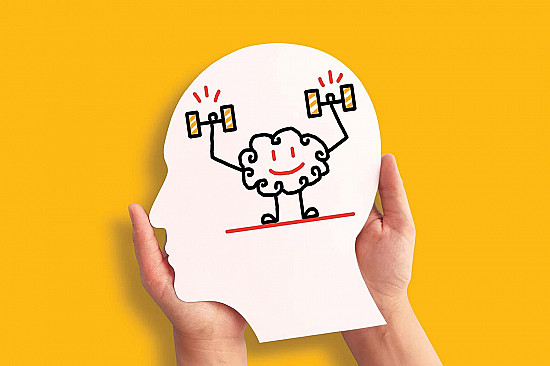
The new year has a funny way of making us believe we can become entirely different people by Tuesday. We buy planners, download habit apps, swear off cookies, promise to “read more,” and briefly consider becoming someone who enjoys kale without bargaining. But if there is one resolution worth keeping beyond the first week of January, it is this: improve your cognitive fitness.
Cognitive fitness means keeping your brain strong, adaptable, focused, and ready for real life. It is not about memorizing 300 digits of pi or becoming the family Scrabble tyrant, although both may earn you a certain dramatic reputation. It is about supporting the mental skills you use every day: memory, attention, decision-making, learning, emotional balance, problem-solving, and the ability to remember why you walked into the kitchen.
Harvard Health has long emphasized that brain health is not controlled by one magic supplement, one crossword puzzle, or one heroic smoothie with twelve ingredients and the personality of wet grass. Instead, cognitive fitness grows from a combination of habits: regular exercise, restorative sleep, a brain-friendly diet, social connection, stress management, lifelong learning, and medical prevention. The best part? You do not need to overhaul your life overnight. You need a smart plan, a little patience, and the willingness to treat your brain like the high-performance operating system it is.
What Is Cognitive Fitness?
Cognitive fitness is the brain’s ability to perform well across several mental functions. It includes clear thinking, learning new information, recalling useful details, staying focused, adapting to change, and managing emotions under pressure. In simple terms, cognitive fitness is what helps you pay bills, follow conversations, learn a new skill, plan a trip, cook dinner without turning the smoke alarm into a percussion instrument, and recover mentally when life gets noisy.
Normal aging can bring some changes in processing speed and memory. That does not mean decline is inevitable or that every misplaced phone is a medical emergency. Your brain remains capable of change throughout life, a quality often called neuroplasticity. The daily choices you make can either support that adaptability or make your brain work harder than necessary.
Why the New Year Is a Great Time to Start
The new year offers a natural reset. Calendars change, routines shift, and many people feel motivated to improve their health. But cognitive fitness works best when it is built through realistic habits, not dramatic declarations. “I will become mentally sharper this year” is a good intention. “I will walk for 20 minutes after lunch, sleep at a consistent time, call a friend twice a week, and learn Spanish for 10 minutes a day” is a plan.
The brain loves repetition. It also loves variety. That means your best cognitive fitness routine should be consistent enough to become automatic and interesting enough to keep your mind engaged. Think of it as a gym membership for your neurons, minus the confusing machines and the guy doing biceps curls in front of the mirror for 47 minutes.
Move Your Body to Wake Up Your Brain
Physical activity is one of the most reliable ways to support cognitive health. Movement increases blood flow, supports heart and vascular health, helps regulate blood sugar, improves mood, reduces anxiety, and supports better sleep. All of these matter for brain performance.
You do not have to train like an Olympic athlete. Walking, dancing, swimming, cycling, gardening, strength training, and even brisk household chores can help. A practical target for many adults is 150 minutes of moderate-intensity activity each week, plus strength training on at least two days. If that sounds intimidating, start smaller. Five to ten minutes of movement is better than waiting for the mythical perfect workout schedule, which usually lives next door to the perfectly organized junk drawer.
Simple ways to add brain-friendly movement
Try a 10-minute walk after breakfast, a short stretch break every hour, or a “phone call walk” when chatting with friends. Park farther from the store entrance. Take the stairs when possible. Use music as your personal trainer. If a song makes you want to dance in the kitchen, congratulations: your brain and body have scheduled a meeting.
Feed Your Brain Like It Has Important Work to Do
Your brain is a demanding organ. It needs steady energy, quality nutrients, and good circulation. Diet patterns associated with better brain aging often look a lot like heart-healthy eating: vegetables, leafy greens, berries, beans, nuts, whole grains, fish, olive oil, and limited amounts of highly processed foods, sugary snacks, fried foods, and saturated fats.
The MIND diet, which combines elements of the Mediterranean and DASH diets, is often discussed in cognitive health research. It emphasizes foods such as leafy greens, berries, nuts, beans, whole grains, fish, poultry, and olive oil. The goal is not perfection. Nobody’s brain resigns because you ate birthday cake. The goal is to make brain-supportive foods the normal rhythm of your week.
A brain-friendly plate example
For breakfast, try oatmeal with berries and walnuts. For lunch, choose a salad with beans, leafy greens, olive oil dressing, and whole-grain bread. For dinner, serve salmon or chicken with roasted vegetables and brown rice. For snacks, reach for fruit, nuts, yogurt, or carrots with hummus. This is not a punishment menu. It is fuel with a résumé.
Sleep: The Brain’s Night Shift
Sleep is not wasted time. It is when the brain sorts memories, supports learning, regulates emotions, and performs maintenance. Adults generally need at least seven hours of sleep per night, though the ideal amount can vary. Poor sleep can affect focus, memory, mood, decision-making, and reaction time. In other words, sleep deprivation can turn your brain into a browser with 83 tabs open and no idea where the music is coming from.
A cognitive fitness plan should include sleep hygiene. Keep a consistent bedtime and wake time, reduce late caffeine, dim screens before bed, make the bedroom cool and comfortable, and create a wind-down routine. If snoring, insomnia, restless sleep, or daytime sleepiness is persistent, it is worth discussing with a healthcare professional.
Challenge Your Mind With Something New
Your brain benefits from challenge, especially when the activity requires learning, attention, and persistence. Familiar hobbies are good, but new or slightly difficult activities are especially useful because they push the brain to form and strengthen connections.
Learning a language, practicing an instrument, taking a class, joining a book club, trying photography, studying history, playing strategy games, cooking unfamiliar recipes, or learning digital skills can all support cognitive engagement. The key is active learning. Watching a documentary is fine; taking notes, discussing it, and applying what you learned gives your brain more to chew on.
Make learning small enough to repeat
Do not start with “I will master Italian by March.” Start with “I will learn five Italian phrases this week.” Do not declare, “I will become a concert pianist.” Start with “I will practice one song for 10 minutes.” Small practice sessions repeated over time beat giant bursts of enthusiasm followed by three months of guilt.
Protect Your Brain by Protecting Your Heart
The heart and brain are deeply connected. Healthy blood vessels help deliver oxygen and nutrients to brain tissue. High blood pressure, diabetes, smoking, high cholesterol, and sedentary habits can affect vascular health, which can also influence cognitive health over time.
That is why cognitive fitness is not separate from physical wellness. Managing blood pressure, staying active, eating well, avoiding tobacco, limiting excess alcohol, treating diabetes, and keeping up with preventive medical care are all brain-supportive moves. Your brain may be the star of the show, but your heart is doing a lot of backstage work.
Stay Social: Your Brain Is Not a Solo Act
Social connection is a powerful part of cognitive fitness. Conversations require attention, memory, language, empathy, humor, and emotional regulation. In one chat with a friend, your brain may track tone, recall shared history, choose words, read facial expressions, and decide whether your joke is funny enough to risk saying aloud.
Loneliness and social isolation have been associated with poorer health outcomes, including cognitive decline. Building connection does not mean filling your calendar until you need a nap just to look at it. It can mean calling a friend, volunteering, joining a class, attending a faith or community group, walking with a neighbor, or scheduling regular family meals.
Manage Stress Before It Manages Your Memory
Stress can make anyone feel forgetful and scattered. In the short term, stress may hijack attention. In the long term, chronic stress can affect sleep, mood, blood pressure, inflammation, and daily decision-making. A stressed brain is often too busy scanning for threats to remember where you left your glasses.
Stress management does not have to be complicated. Mindfulness meditation, breathing exercises, yoga, tai chi, journaling, prayer, nature walks, music, and short breaks can help calm the nervous system. Even one minute of slow breathing before a difficult task can improve your sense of control.
Try the 3-breath reset
Before opening email, entering a meeting, or responding to a stressful message, pause for three slow breaths. Inhale through the nose, exhale longer than you inhale, and relax your shoulders. It will not solve every problem, but it can prevent your brain from sprinting into chaos wearing flip-flops.
Use Technology Wisely
Technology can support cognitive fitness when it is used with intention. Apps can help you learn languages, meditate, track habits, organize medication reminders, or connect with loved ones. But constant notifications, multitasking, doomscrolling, and late-night screen use can sabotage attention and sleep.
Try creating “focus windows” during the day. Turn off nonessential notifications. Keep your phone away during meals and conversations. Use calendar reminders to reduce mental clutter. Technology should act like a helpful assistant, not a tiny glowing boss that lives in your pocket.
Build a New Year Cognitive Fitness Plan
The best cognitive fitness plan is simple, measurable, and forgiving. Start with four categories: movement, sleep, learning, and connection. Choose one small habit from each category and practice it for two weeks.
Example two-week plan
Movement: Walk for 15 minutes five days per week.
Sleep: Turn off screens 30 minutes before bed.
Learning: Spend 10 minutes daily on a new skill.
Connection: Call or message two people each week.
After two weeks, review what worked. Keep the habits that felt realistic. Adjust the ones that felt too hard. Cognitive fitness is not a pass-fail exam. It is a long-term relationship with your brain, and like any good relationship, it improves with attention, patience, and fewer dramatic ultimatums.
When to Seek Medical Advice
Some forgetfulness is normal, especially during stress, poor sleep, grief, illness, or major life changes. However, it is wise to seek medical advice if memory problems interfere with daily life, worsen over time, cause confusion, affect safety, or are noticed by family members. Sudden confusion, weakness, speech trouble, severe headache, or vision changes require urgent medical attention.
Many treatable issues can affect cognition, including medication side effects, sleep disorders, vitamin deficiencies, depression, thyroid problems, infections, hearing loss, and chronic medical conditions. Getting evaluated is not a sign of failure. It is smart maintenance.
Real-Life Experience: What Cognitive Fitness Looks Like in Practice
Imagine someone named Linda, a 58-year-old office manager who starts the new year feeling mentally foggy. She is not experiencing serious memory loss, but she often feels distracted. She walks into rooms and forgets why, rereads emails three times, and keeps saying, “I need a vacation,” even when she has just returned from one. Her first instinct is to buy a brain-training subscription, three supplements, and a notebook titled “New Me,” because January has excellent marketing.
Instead, Linda decides to try a realistic cognitive fitness reset. In week one, she begins walking for 12 minutes after lunch. Nothing dramatic happens. No orchestra plays. But she notices that the afternoon slump feels less brutal. By the end of the second week, she is walking 20 minutes and using that time to listen to language lessons. She learns how to say basic travel phrases in Spanish, which makes her feel oddly powerful while passing the mailbox.
Next, Linda changes her sleep routine. She stops answering work emails in bed, because apparently “just one quick reply” is a trapdoor into 47 minutes of stress. She charges her phone across the room and reads a paper book before sleep. The first few nights feel awkward. By week three, she falls asleep faster and wakes up with fewer mental cobwebs.
Food becomes her next experiment. She does not become a perfect eater. She still loves pizza, because she is human and not a motivational poster. But she adds berries to breakfast, keeps walnuts at her desk, eats leafy greens most days, and swaps a few processed lunches for soups, salads, and whole-grain bowls. Her energy becomes steadier, and she stops treating vending-machine cookies as a project management tool.
Linda also schedules connection. Every Wednesday, she calls her sister while walking. On Saturdays, she joins a beginner watercolor class. At first, her paintings look like confused weather maps, but the class gives her conversation, laughter, novelty, and a reason to practice patience. She notices that learning something new makes her feel less stuck.
By March, Linda has not transformed into a memory champion. She still loses her keys occasionally. But she feels sharper, calmer, and more in control. Her improvement is not from one miracle trick. It is from stacking small habits: movement, sleep, nutrition, learning, social connection, and stress management. That is the real lesson of cognitive fitness. You do not need to become a different person. You need to give your brain better conditions to do what it already wants to do: adapt, learn, remember, and help you live well.
Conclusion: Make This the Year Your Brain Gets Better Support
Boosting your cognitive fitness in the new year is one of the most practical resolutions you can make. It supports memory, focus, mood, learning, independence, and long-term brain health. The science points in a clear direction: move regularly, sleep well, eat for heart and brain health, keep learning, manage stress, protect your vascular health, and stay connected with people who make life richer.
Do not chase perfection. Build momentum. Start with one walk, one better bedtime, one brain-friendly meal, one phone call, one new skill, and one calmer response to stress. Your brain does not need a grand speech. It needs repeated evidence that you are on its side.














