
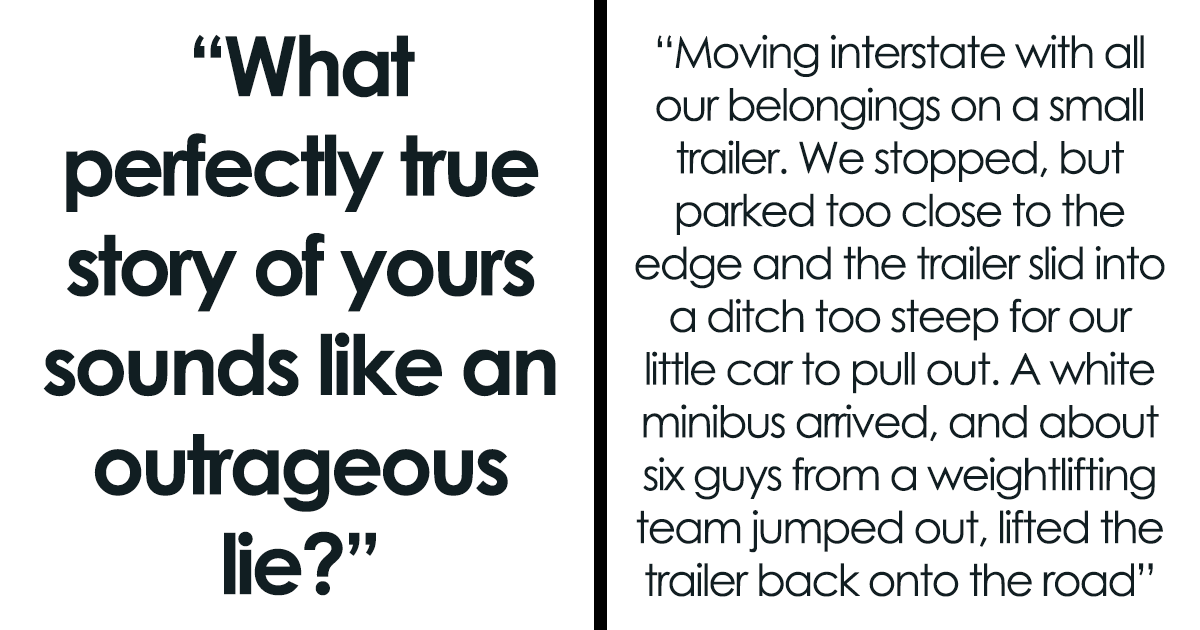
History is not a dusty hallway full of boring dates. It is more like a junk drawer owned by a wizard: open it, and you may find a town flooded by molasses, a lake that swallowed barges, a chicken that became a celebrity, and a soft drink company briefly tangled up in Cold War naval weirdness. These wild true stories sound like rejected movie pitches, but they really happened.
Below are 39 outrageous true stories from history, science, sports, crime, media, and everyday human overconfidence. Some are hilarious. Some are cautionary. Several prove that the phrase “what could possibly go wrong?” should be retired immediately and buried under concrete.
Why We Love Wild True Stories
Wild and outrageous stories work because they break the rules of what we expect reality to do. A fictional story about beer flooding a neighborhood might seem too silly. A real beer flood? Suddenly we are leaning forward, whispering, “Wait, how much beer?” These unbelievable historical events also remind us that people have always been creative, careless, brave, stubborn, and occasionally one bad meeting away from launching 1.5 million balloons into the sky.
39 Outrageous True Stories That Actually Happened
-
1. Boston Was Hit by a Deadly Molasses Flood
In 1919, a massive tank in Boston’s North End burst and released millions of gallons of molasses into the streets. The sticky wave damaged buildings, trapped horses, and turned an ordinary workday into one of America’s strangest industrial disasters.
-
2. London Once Had a Beer Flood
In 1814, a giant vat at a London brewery failed, sending a wave of porter through nearby streets. It sounds like a pub joke with plumbing issues, but the London Beer Flood was a real disaster and changed how large brewing vats were viewed.
-
3. Cleveland Released Nearly 1.5 Million Balloons
Balloonfest ’86 was supposed to be a cheerful fundraiser and world-record moment. Then weather pushed balloons back down across streets, waterways, and neighborhoods. The sky party became an environmental and logistical headache with a very colorful receipt.
-
4. Oregon Blew Up a Whale
In 1970, a dead sperm whale washed ashore near Florence, Oregon. Officials decided explosives would solve the problem. Instead, the blast scattered whale pieces over a wide area and created one of the most infamous local news clips ever recorded.
-
5. A Louisiana Lake Vanished Into a Salt Mine
In 1980, drilling near Lake Peigneur accidentally opened a path into a salt mine below. The lake drained like a bathtub with a terrifyingly ambitious plughole, pulling in barges, land, and equipment before refilling as a much deeper saltwater lake.
-
6. A Pennsylvania Town Has Been Burning Underground Since 1962
Centralia, Pennsylvania, sits above an underground coal fire that has burned for decades. The fire caused dangerous ground conditions and forced most residents to leave, turning a once-active town into one of America’s strangest modern ghost stories.
-
7. A Meteor Explosion Flattened a Forest
The 1908 Tunguska event in Siberia involved an object exploding in the atmosphere with enormous force. It flattened trees across a huge remote area, proving that space can occasionally throw a punch without even touching the ground.
-
8. Apollo 13 Turned Disaster Into Survival
Apollo 13 was supposed to land on the Moon in 1970, but an onboard explosion forced NASA and the crew to improvise a return to Earth. It became famous as a “successful failure,” which is the classiest possible way to describe space chaos.
-
9. D.B. Cooper Hijacked a Plane and Disappeared
In 1971, a man using the name Dan Cooper hijacked a flight, demanded ransom, and later parachuted from the aircraft. The FBI investigated for decades, but his identity remains one of America’s most famous unsolved mysteries.
-
10. America and Britain Almost Fought Over a Pig
The 1859 Pig War began on San Juan Island after a dispute involving a pig eating potatoes. Troops gathered, tempers rose, and somehow diplomacy won. The only casualty was the pig, which is still a rough day for the pig.
-
11. Australia Went to War With Emus
In 1932, Australian officials tried to control emus that were damaging crops. The birds proved fast, scattered, and impressively uncooperative. The operation became known as the Great Emu War, and the emus did not exactly lose the public-relations battle.
-
12. Pepsi Was Briefly Linked to Soviet Warships
During Cold War trade negotiations, Pepsi became involved in a bizarre barter arrangement connected to Soviet ships. The popular internet version gets exaggerated, but the underlying story remains wonderfully strange: cola diplomacy once got nautical.
-
13. The 1904 Olympic Marathon Was Absurd
The 1904 Olympic marathon in St. Louis included dust, heat, confusion, strange medical choices, and one runner who rode part of the route in a car. Compared with today’s sports science, it was less “elite athletics” and more “emergency picnic.”
-
14. A Radio Drama Convinced Some People Aliens Were Invading
Orson Welles’ 1938 “War of the Worlds” broadcast used realistic news-style storytelling. Reports of nationwide panic were later exaggerated, but some listeners truly were alarmed. It was an early reminder that media format matters.
-
15. A Newspaper Claimed Life Was Found on the Moon
In 1835, The New York Sun published the Great Moon Hoax, claiming astronomers had found bizarre creatures on the Moon. Readers were fascinated. The Moon, as far as we know, declined to comment.
-
16. A Con Man Sold the Eiffel Tower
Victor Lustig famously tricked a scrap-metal dealer into believing the Eiffel Tower was secretly being sold for parts. Even more outrageous, he reportedly tried the scam again. Confidence is powerful; fake government stationery also helped.
-
17. Mike the Chicken Lived for Months After Losing His Head
In 1945, a Colorado chicken named Mike survived far longer than anyone expected after a failed slaughtering attempt. He became a touring curiosity and remains one of the strangest animal survival stories ever documented.
-
18. Mary Toft Fooled Doctors With a Rabbit Hoax
In 1726, Mary Toft convinced several people, including medical men, that she had given birth to rabbits. The hoax collapsed, but not before it embarrassed experts and proved that skepticism is not just a hobby; it is a public service.
-
19. The Vasa Sank Almost Immediately
Sweden’s Vasa was an impressive 17th-century warship, richly decorated and politically important. Then it sailed a short distance on its maiden voyage and sank. It is now a museum treasure and a permanent group project warning sign.
-
20. Strasbourg Had a Dancing Plague
In 1518, people in Strasbourg reportedly danced uncontrollably for days or weeks. Historians debate the cause, including stress and social contagion. Either way, it remains one of the strangest mass-behavior episodes in European history.
-
21. Meat Reportedly Fell From the Sky in Kentucky
In 1876, residents in Bath County, Kentucky, reported pieces of meat falling from the sky. Theories ranged from strange weather to birds. The phrase “Kentucky Meat Shower” still sounds like a menu item invented by a haunted diner.
-
22. London’s “Great Stink” Helped Transform Sewers
In 1858, hot weather made the polluted River Thames smell so bad that Parliament could hardly ignore it. The result was a major push toward modern sewer engineering. Sometimes civilization advances because everyone agrees the smell is unacceptable.
-
23. A Pope Was Put on Trial After Death
The Cadaver Synod of 897 involved the posthumous trial of Pope Formosus. It was as bizarre as church politics gets, and that is a competitive category. The episode remains a darkly strange example of power refusing to let go.
-
24. People Being Thrown From a Window Helped Spark a Major War
The Defenestration of Prague in 1618 helped trigger the Thirty Years’ War. “Defenestration” means throwing someone out a window, which proves history sometimes hides chaos behind vocabulary that sounds like a furniture brand.
-
25. Two Italian Cities Fought Over a Bucket
The War of the Bucket is tied to conflict between Bologna and Modena. The famous bucket became a symbol of rivalry. Human civilization has built cathedrals, mapped genomes, and also argued spectacularly over household containers.
-
26. Tulip Bulbs Became Financial Mania
In 17th-century Dutch markets, rare tulip bulbs became objects of intense speculation. Tulip mania is often simplified in retellings, but the basic idea remains unforgettable: at one point, flowers became financial celebrities.
-
27. A Man Flew in a Lawn Chair
In 1982, Larry Walters rose thousands of feet over California in a lawn chair lifted by balloons. It was dangerous, unauthorized, and absolutely not something to copy. It also made “patio furniture” feel wildly underachieving.
-
28. Violet Jessop Survived Multiple Famous Ship Disasters
Violet Jessop worked aboard Olympic-class ocean liners and survived the Titanic sinking, the Britannic sinking, and an earlier Olympic collision. Whether you call that lucky or unlucky depends on how optimistic you feel before breakfast.
-
29. A U.S. President Was Reportedly Menaced by a Swimming Rabbit
In 1979, President Jimmy Carter encountered a rabbit while fishing from a boat. The story became a media punchline, but the weirdest part is simple: presidential history briefly became a rabbit-based aquatic thriller.
-
30. The Year Without a Summer Froze Crops in 1816
After the eruption of Mount Tambora, 1816 brought extreme weather disruptions across parts of the world. Snow and frost struck during months that should have been warm. It also helped inspire gloomy art and literature. Bad weather: productive, but rude.
-
31. A Volcano Created a Global Climate Shock
Tambora’s 1815 eruption was one of the most powerful in recorded history. Its atmospheric effects contributed to crop failures and strange skies. It reminds us that a mountain on one island can affect dinner tables far away.
-
32. A Town Elected Animal Mayors
Several small towns and communities have embraced honorary animal mayors for charity, tourism, or local fun. It sounds ridiculous until you compare it with some human political meetings. At least a dog mayor is unlikely to overuse PowerPoint.
-
33. A Fake Country Once Fooled Investors
In the 1800s, Scottish adventurer Gregor MacGregor promoted a fictional Central American territory called Poyais. Investors and settlers believed him. It remains one of history’s boldest scams: selling real dreams on imaginary land.
-
34. A Man Tried to Steal the Crown Jewels
In 1671, Thomas Blood attempted to steal England’s Crown Jewels. The plot failed, but Blood somehow managed to talk his way into a royal pardon. Some people bring charisma to job interviews; Blood brought it to grand theft.
-
35. A City Built a Giant Pineapple
Across the world, roadside attractions include giant fruits, animals, boots, bottles, and other oversized objects. The giant pineapple in Queensland, Australia, became a tourist icon. Humans see empty land and think, “This needs enormous produce.”
-
36. A “Rain of Animals” Has Been Reported More Than Once
Reports of fish or frogs falling from the sky appear in various places, often explained by waterspouts or strong weather systems lifting small animals. It is rare, strange, and terrible for anyone who forgot an umbrella.
-
37. New Zealand Once Had a Wizard on the Payroll
Christchurch, New Zealand, officially supported a public wizard for years as a cultural figure and tourist attraction. Hiring a wizard sounds medieval, but in this case it was civic branding with a pointy hat.
-
38. A Museum Preserves Failed Products
The Museum of Failure collects products and ideas that flopped, from strange food experiments to doomed gadgets. It is oddly comforting. Failure is not always the opposite of progress; sometimes it is progress wearing clown shoes.
-
39. Humans Keep Making Reality Weirder Than Fiction
The biggest outrageous story is the pattern itself. Across centuries, people have flooded cities, believed fake Moon news, engineered disasters, survived impossible odds, and turned mistakes into legends. Reality is not boring. Reality just needs better marketing.
What These Unbelievable True Stories Have in Common
These outrageous true stories are not just random trivia. Many of them share the same ingredients: confidence, weak planning, unusual weather, public excitement, and one person saying, “Relax, I know what I’m doing.” Industrial disasters like the molasses flood, beer flood, and Lake Peigneur accident show how ordinary infrastructure can become extraordinary when safety is underestimated. Media stories like the Great Moon Hoax and “War of the Worlds” show how easily presentation can shape belief. Survival stories like Apollo 13 and Violet Jessop reveal how preparation, calm thinking, and luck can turn catastrophe into legend.
The funny part is that these stories often become more believable when you look closely. The molasses flood was tied to industrial storage. The balloon disaster was tied to weather. The Vasa sank because design and politics did not cooperate. The Emu War happened because humans underestimated animals that had been sprinting through the landscape for far longer than paperwork had existed.
Experience Section: How to Read, Share, and Enjoy Wild True Stories
When writing or reading wild true stories, the best experience begins with curiosity and ends with verification. The internet loves a bizarre tale, but it also loves adding extra whipped cream to the truth until the original fact is buried under dessert. That is why the smartest way to enjoy outrageous history is to ask three questions: Who recorded it? What evidence exists? Has the story grown bigger over time?
For example, the Oregon exploding whale story is funny because it really happened, and because news footage helped preserve the event. But the lesson is not “try dramatic solutions.” The lesson is that simple problems can become legendary when handled with too much confidence and not enough planning. The same goes for Lawnchair Larry. His flight is unforgettable, but it was dangerous and illegal in important ways. A good storyteller can make the story entertaining without encouraging anyone to imitate it.
Another useful experience is learning to separate “true” from “true-ish.” The War of the Worlds broadcast did alarm some listeners, but the idea that the entire nation melted into panic has been challenged by later research. Pepsi’s Soviet ship story is real enough to be fascinating, but the viral claim that Pepsi became a mighty naval superpower is often overstated. Wild stories become better, not worse, when we keep the details honest.
If you are collecting these stories for a blog, classroom, podcast, or dinner conversation, mix the tone carefully. Some stories are funny, like the pig that nearly caused an international crisis. Others involve real loss, like the molasses flood or Vasa sinking, and deserve respect. Humor should point at human absurdity, not at people who suffered. The best version of this article’s topic is not “look how silly the past was.” It is “look how surprising real life can be.”
Finally, outrageous true stories are useful because they make history memorable. A student may forget a treaty date, but they will remember the Pig War. A reader may ignore industrial safety until molasses starts moving like a villain. Strange stories act like sticky notes on the brain. They teach skepticism, humility, and context. They also remind us that every era thinks it is modern and sensible, right before someone decides to solve a whale problem with explosives.
Conclusion
The world is packed with wild true stories that sound invented until the evidence walks in wearing a tiny historical name tag. From molasses waves and lunar hoaxes to animal wars and survival miracles, these events prove that reality has a spectacular imagination. The next time someone says, “That could never happen,” remember: history has receipts, and some of them are sticky.














