
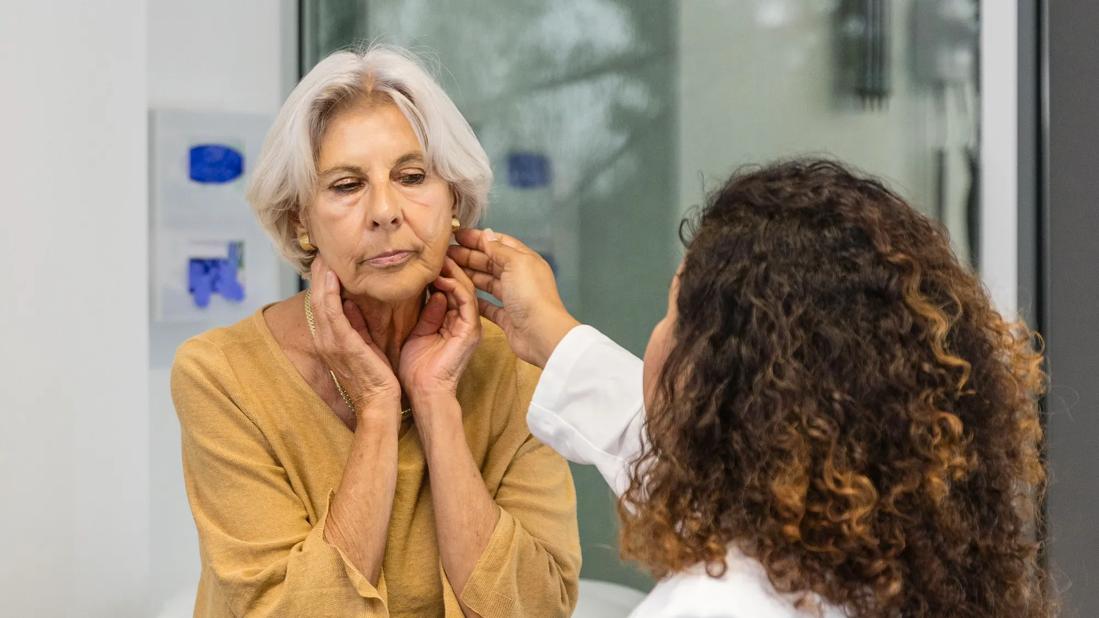
Headaches are excellent at ruining a perfectly normal day. One minute you are answering emails, pretending to enjoy your third cup of coffee, and being a functional adult. The next minute, your temples are pounding, your jaw feels like it has been bench-pressing furniture, and you are wondering whether your skull came with a warranty.
While stress, dehydration, poor sleep, sinus trouble, eye strain, and migraine disorders are all common headache suspects, there is one sneaky culprit many people overlook: the temporomandibular joint, better known as the TMJ. Technically, everyone has two TMJsone on each side of the jaw. The problem is not “having TMJ.” The problem is having a temporomandibular disorder, often called TMD, which affects the jaw joints, chewing muscles, and nearby nerves.
If your headaches show up with jaw pain, facial soreness, ear pressure, clicking, popping, teeth grinding, or morning stiffness, your jaw may be waving a tiny red flag. Unfortunately, it does not wave politely. It usually clicks, clenches, and complains during breakfast.
What Is TMJ, and Why Does It Matter?
The temporomandibular joint acts like a sliding hinge that connects your lower jaw to your skull. It helps you talk, chew, yawn, laugh, sing in the car, and take heroic bites of sandwiches that are absolutely too tall. Because the joint must move up and down, side to side, and slightly forward, it is more complicated than a basic door hinge.
Temporomandibular disorders can involve the joint itself, the disc inside the joint, the muscles that move the jaw, or the nerves that carry pain signals through the face and head. This is why TMJ-related headaches can feel confusing. The problem may start near the jaw but travel to the temples, forehead, ears, neck, or even behind the eyes.
Many people use “TMJ” as shorthand for jaw trouble, but “TMD” is the more accurate medical term for the disorder. In everyday conversation, however, people often say “TMJ headache” to describe headaches linked to jaw dysfunction. Search engines understand both terms, and so do people who have spent a week chewing soup because their jaw staged a rebellion.
How TMJ Problems Can Trigger Headaches
TMJ-related headaches usually happen because the jaw system is closely connected to the muscles and nerves of the head, face, and neck. When jaw muscles become overworked, inflamed, tight, or irritated, they can refer pain to nearby areas. That referred pain may feel like a tension headache, a migraine-like episode, ear pain, or pressure around the temples.
Muscle Tension Around the Temples
The temporalis muscle sits on the side of the head and helps close the jaw. If you clench your teeth during the day or grind them at night, this muscle can become sore and tight. The result may be a dull, aching headache around the temples. It is similar to how your shoulders can ache after hunching over a laptop, except your jaw muscles are doing the overtime shift.
Bruxism: The Midnight Jaw Workout Nobody Asked For
Bruxism means grinding or clenching the teeth. It can happen while awake or during sleep. Many people do not know they grind their teeth until a dentist notices tooth wear, a partner hears grinding noises, or they wake up with jaw soreness and morning headaches. Severe or frequent bruxism can strain the jaw joint, tire the chewing muscles, and contribute to cracked teeth, tooth sensitivity, facial pain, and headaches.
Shared Nerve Pathways
The trigeminal nerve is a major nerve involved in facial sensation and headache pain. It carries signals from the jaw, teeth, face, and parts of the head. Because of this shared pathway, pain from the jaw may be interpreted as head pain. This does not mean every headache is a TMJ headache, but it does explain why jaw disorders and migraine or tension-type headaches can overlap.
Posture and Neck Strain
Your jaw does not live alone. It has neighbors: the neck, shoulders, skull, tongue, and upper back. Forward head posture, long hours at a computer, phone scrolling, and shoulder tension can change how the jaw rests and moves. Over time, poor posture may increase strain on the jaw muscles and contribute to headaches. Yes, your phone may be part of the problem. No, it will not apologize.
Common Signs Your Headache Could Be TMJ-Related
A TMJ-related headache often arrives with clues. The most obvious is pain or tenderness in the jaw joint, especially near the ear. You may feel soreness when chewing, yawning, or opening your mouth wide. The jaw may click, pop, grind, or lock. Some people notice ear fullness, ringing, dizziness, neck pain, tooth sensitivity, or a tired feeling in the face.
Morning headaches are another important clue, especially if they come with jaw stiffness or tooth sensitivity. This pattern may suggest nighttime grinding or clenching. Headaches that worsen after chewing tough foods, talking for long periods, biting nails, chewing gum, or eating crunchy snacks may also point toward jaw involvement.
Here are common TMJ headache symptoms to watch for:
- Dull aching pain near the temples
- Jaw pain, stiffness, or fatigue
- Clicking, popping, or locking of the jaw
- Pain near the ear without an ear infection
- Headaches after chewing or talking
- Morning headaches with tooth sensitivity
- Neck and shoulder tension
- Facial soreness or pressure
Not every click means disaster. Occasional jaw clicking without pain is common and may not require treatment. But clicking with pain, locking, reduced mouth opening, or frequent headaches deserves attention.
Why TMJ Headaches Are Often Misunderstood
TMJ headaches can imitate other headache types. A person may think they have a tension headache because the pain sits at the temples. Another may suspect migraine because the pain is intense and one-sided. Someone else may blame sinus pressure because the discomfort spreads across the face. Meanwhile, the jaw is sitting in the background like, “I did it, but you cannot prove it.”
This overlap is why diagnosis matters. A dentist may evaluate tooth wear, bite patterns, jaw movement, and muscle tenderness. A physician may check for neurological symptoms, sinus issues, medication effects, migraine patterns, arthritis, or other medical causes. A physical therapist may assess posture, jaw mobility, neck function, and muscle coordination. In stubborn cases, a team approach is often more useful than chasing symptoms one at a time.
What Causes TMJ Disorders?
TMD does not have one single cause. It can develop from injury, arthritis, chronic teeth grinding, jaw clenching, stress-related muscle tension, poor posture, bite problems, connective tissue conditions, or a combination of several factors. Sometimes symptoms appear after dental work that required the mouth to stay open for a long time. Sometimes they flare during stressful seasons. Sometimes the jaw simply gets tired of being treated like a nutcracker.
Stress and Clenching
Stress does not cause every TMJ problem, but it can make symptoms worse. Many people clench their teeth when concentrating, driving, lifting weights, working under pressure, or reading emails with subject lines like “urgent quick question.” Daytime clenching can overload the jaw muscles and trigger headaches by late afternoon.
Chewing Habits
Chewing gum, biting pens, crunching ice, nail biting, and taking large bites can strain the jaw. These habits may seem harmless, but repeated pressure adds up. During a flare, even chewy bread, steak, hard candy, or giant bagels can feel like a personal attack.
Sleep Problems
Sleep bruxism may be linked with sleep quality, stress, medications, alcohol use, caffeine, and certain sleep disorders. If you wake up with headaches, jaw pain, dry mouth, snoring, or daytime sleepiness, it may be worth discussing sleep habits with a healthcare professional.
How TMJ Headaches Are Diagnosed
There is no single magic test for TMD. Diagnosis usually starts with a careful history and physical exam. A dentist or doctor may ask when the headaches occur, where the pain travels, whether chewing makes it worse, whether the jaw clicks or locks, and whether you grind or clench your teeth.
During an exam, the provider may feel the jaw joint and chewing muscles, listen for clicking or popping, measure how wide the mouth opens, check bite alignment, and look for tooth wear. Imaging such as X-rays, CT scans, or MRI may be used when joint damage, arthritis, disc displacement, injury, or another structural issue is suspected. Many mild cases do not need advanced imaging.
A proper evaluation is especially important because headaches can have many causes. New, severe, sudden, or unusual headaches should never be casually blamed on TMJ. Warning signs such as weakness, confusion, vision changes, fever, head injury, jaw swelling, chest pain, or the “worst headache of your life” need urgent medical care.
At-Home Relief for TMJ Headaches
Many TMJ symptoms improve with conservative care. The goal is to calm irritated muscles and joints, reduce strain, and avoid habits that keep the jaw angry. Think of it as convincing your jaw to come down from the drama balcony.
Rest the Jaw
During a flare, choose soft foods such as eggs, yogurt, smoothies, soup, oatmeal, fish, pasta, rice, and cooked vegetables. Avoid chewy, crunchy, or hard foods like gum, jerky, raw carrots, crusty bread, and jaw-stretching sandwiches. Cut food into smaller bites and chew evenly on both sides when possible.
Use Heat or Cold
Warm compresses may relax tight jaw muscles, while cold packs may reduce soreness and inflammation. Some people prefer moist heat; others do better with short cold applications. Use a barrier between your skin and the pack, and avoid extreme temperatures. Your face is not a cast-iron skillet.
Practice Jaw Awareness
A helpful resting position is: lips together, teeth apart, tongue gently resting on the roof of the mouth, and jaw relaxed. The teeth should not be touching unless you are chewing or swallowing. If you catch yourself clenching, pause, breathe, and let the jaw drop slightly.
Skip Gum and Nail Biting
Chewing gum may look casual, but for an irritated TMJ it can feel like a marathon. Nail biting, pen chewing, and using teeth as tools can also increase strain. Your teeth are not scissors, bottle openers, or emergency package openers. They have filed a complaint.
Try Gentle Stretching
Gentle jaw exercises may help some people, especially when guided by a dentist or physical therapist. Avoid aggressive stretching, forced mouth opening, or internet exercises that hurt. A good exercise should feel controlled, not like you are trying to win a jaw-flexibility contest.
Professional Treatment Options
If self-care is not enough, a healthcare professional may recommend additional treatment. Options depend on the cause, severity, and duration of symptoms.
Oral Splints or Night Guards
A dentist may recommend an oral appliance to reduce the effects of grinding or clenching. Custom appliances are designed to fit the mouth more precisely than over-the-counter guards. However, appliances should be monitored. A poorly fitting guard may worsen pain or alter the bite.
Physical Therapy
Physical therapy may include jaw mobility work, posture training, neck and shoulder treatment, muscle relaxation, manual therapy, and home exercises. This is especially useful when headaches are linked to jaw tension, neck stiffness, or poor movement patterns.
Medications
Short-term use of over-the-counter pain relievers or anti-inflammatory medication may help some people, but these are not a long-term solution for frequent headaches. In some cases, providers may prescribe muscle relaxants or other medications. Always follow medical guidance, especially if you have stomach, kidney, heart, liver, blood pressure, pregnancy, or medication-interaction concerns.
Behavioral and Stress-Based Care
Biofeedback, cognitive behavioral therapy, relaxation training, and habit awareness can help people reduce clenching and manage chronic pain triggers. This does not mean the pain is “all in your head.” It means the nervous system, muscles, habits, and stress response are connected. The jaw is attached to a person, not a spreadsheet.
Injections or Surgery
Injections or surgical treatment may be considered for select severe cases, but most guidelines recommend starting with reversible, conservative care first. Irreversible procedures, permanent bite changes, and surgery should be approached carefully and usually only after other options have failed.
When to See a Dentist or Doctor
Make an appointment if headaches are frequent, jaw pain lasts more than a few weeks, chewing becomes difficult, the jaw locks, the mouth opening becomes limited, or you notice tooth wear, cracking, or sensitivity. You should also seek care if headaches are new, changing, severe, or accompanied by neurological symptoms.
See a dentist if symptoms include jaw clicking with pain, tooth sensitivity, grinding, clenching, worn enamel, cracked teeth, or bite changes. See a doctor or headache specialist if symptoms look like migraine, include nausea or light sensitivity, happen often, or do not improve with jaw-focused care. Sometimes both professionals are needed, and that is not overkillit is teamwork.
Simple Daily Habits That May Prevent TMJ Headaches
Prevention is not about keeping your jaw perfectly still. That would make eating tacos extremely difficult and emotionally unacceptable. Instead, focus on reducing unnecessary strain.
- Keep your teeth slightly apart when not eating.
- Limit gum chewing and avoid chewing ice.
- Take screen breaks and relax your shoulders.
- Use a headset if you talk on the phone often.
- Avoid resting your chin in your hand for long periods.
- Choose softer foods during flare-ups.
- Manage stress with breathing, walks, stretching, or therapy.
- Ask your dentist about bruxism if you wake with headaches.
One practical trick is to place small reminders around your day: a sticky note on your monitor, a phone reminder, or a tiny dot sticker on your water bottle. When you see it, check your jaw. Are your teeth touching? Are your shoulders up near your ears? Is your tongue tense? Relax, reset, and continue being a person with slightly less facial tension.
Experience Notes: What TMJ-Related Headaches Often Feel Like in Real Life
People who deal with TMJ-related headaches often describe the experience as frustrating because it does not always feel like a “jaw problem” at first. The pain may begin as a dull temple ache after a long workday. At first, it seems logical to blame the computer screen, the weather, or the fact that lunch was a sad granola bar eaten at 3:17 p.m. But then a pattern appears. The headache is worse after chewing. The jaw feels tired in the morning. The ears feel full, but the doctor says there is no infection. The neck is tight. The teeth feel sensitive. Suddenly, the jaw becomes a very suspicious character.
A common experience is the morning headache. Someone wakes up feeling as though they spent the night arguing with a brick. The temples ache, the jaw feels stiff, and the teeth may feel sore. They may not remember grinding, because sleep bruxism is not exactly a conscious hobby. A partner might mention hearing grinding at night, or a dentist may point out flattened tooth surfaces. In this situation, the headache is not random. It may be the after-party of hours of clenching.
Another familiar scenario happens during stressful work periods. A person may clench while focusing, especially during deadlines, driving, gaming, studying, or emotionally intense conversations. By afternoon, the jaw muscles are exhausted and the temples start to throb. This type of headache can feel like a tight band around the head or a steady pressure near the sides of the skull. The person may rub their temples, stretch their neck, take pain relievers, and wonder why the headache keeps returning. The missing detail is often daytime jaw tension.
Food can also reveal the problem. During a flare, chewy pizza crust, steak, bagels, nuts, raw vegetables, and gum may trigger discomfort. Someone may notice that eating a big sandwich causes jaw fatigue and a headache later. That does not mean sandwiches are evil. It means the jaw may need a temporary vacation from heavy-duty chewing. Smaller bites and softer meals can make a surprising difference.
Some people experience TMJ symptoms as ear trouble. They may feel pressure, fullness, or pain near the ear, yet ear exams come back normal. Because the TMJ sits close to the ear canal, jaw irritation can feel like ear discomfort. This can be confusing, especially when the pain travels from the jaw to the temple or neck. The good news is that once the pattern is recognized, treatment can become more targeted.
The emotional side matters too. Chronic headaches can make people irritable, tired, and worried. TMJ symptoms may interfere with sleep, eating, exercise, and social plans. There is also the annoying uncertainty: “Is this migraine? Sinus pressure? Dental pain? Stress? Did I sleep weird?” Keeping a simple symptom diary can help. Track headache timing, jaw pain, foods, sleep, stress, clenching, caffeine, screen time, and menstrual cycle patterns if relevant. After two or three weeks, patterns often become easier to see.
Many people improve when they combine small changes: soft foods during flares, jaw relaxation reminders, warm compresses, stress management, posture breaks, dental evaluation, and physical therapy when needed. Progress may be gradual, but even modest relief can feel huge when headaches have been stealing your focus. The key is not to panic, not to ignore persistent symptoms, and not to assume the jaw is innocent just because the pain lives in your head.
Conclusion: Your Headache Might Be Talking Through Your Jaw
TMJ-related headaches are easy to miss because the pain does not always stay in the jaw. It can travel to the temples, ears, neck, face, and forehead. If your headaches come with jaw soreness, clicking, clenching, tooth sensitivity, chewing pain, or morning stiffness, temporomandibular disorder may be part of the story.
The encouraging news is that many TMD symptoms improve with conservative, reversible care: jaw rest, soft foods, heat or cold, posture changes, stress reduction, gentle exercises, dental appliances when appropriate, and physical therapy. The smartest next step is not to self-diagnose forever. It is to notice the pattern and bring it to a qualified professional.
Your jaw works hard. It helps you talk, eat, laugh, yawn, and occasionally regret biting into a caramel apple. Treat it kindly, and your head may thank you.













