
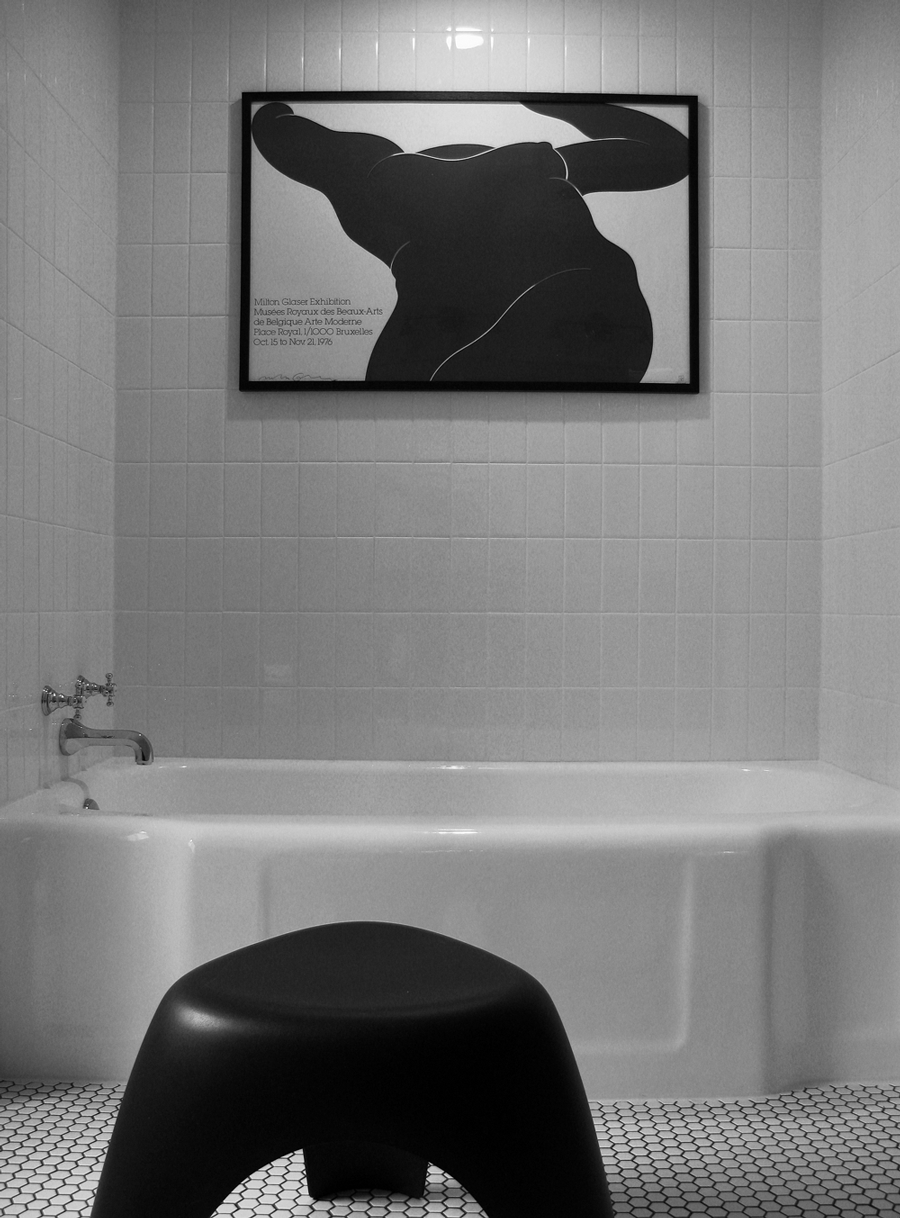
Sapo: A Portland bathroom remodel is never just about tile, faucets, and convincing yourself that “demo day” is a personality trait. It is about light, moisture, old-house charm, modern comfort, and the delicate art of making a small room feel like it finally exhaled. “Brighter Days – A Bathroom Overhaul in Portland” explores how a dated bath can become a warm, functional, character-rich retreat by blending vintage details with smarter fixtures, better ventilation, layered lighting, and materials that can handle the Pacific Northwest’s famously damp sense of humor.
A Portland Bathroom Story: From Dim and Tired to Bright and Timeless
Every old bathroom has a mood. Some whisper, “I have stories.” Others shout, “Please do not look behind the vanity.” In Portland, where Craftsman bungalows, 1920s cottages, midcentury ranches, and historic homes all live under one politely gray sky, a bathroom overhaul is often a balancing act between preservation and progress.
The idea behind Brighter Days – A Bathroom Overhaul in Portland is simple: keep the soul, lose the gloom. That might mean refinishing a clawfoot tub instead of replacing it, updating a vintage console with a cleaner sink and faucet, adding art above the bath, or bringing in a playful modern stool that says, “Yes, this room has plumbing, but it also has taste.”
Portland homeowners often love the character of older houses, but character can come with tiny layouts, tired ventilation, old wiring, mystery pipes, and tile choices from an era when beige was treated like a national treasure. A successful bathroom remodel respects the past without letting the past decide where the towel hooks go.
Why “Brighter Days” Is the Right Design Goal
Bathrooms are small rooms with big emotional consequences. A dark, cramped bathroom can make even a sunny morning feel like a Tuesday in February. A bright, well-planned bathroom, on the other hand, can turn the daily routine into something calmer, cleaner, and more civilized. You still have to brush your teeth, but at least the room is not judging you.
In Portland, brightness matters because natural light is seasonal, precious, and sometimes as rare as an empty brunch table on Sunday. The smartest bathroom overhauls use every trick available: reflective tile, pale wall colors, warm metals, glass shower panels, mirrors placed to bounce light, and layered lighting that flatters humans before coffee.
Keep the Old, Edit the Rest
The most memorable Portland bathroom renovations rarely erase the original personality of the home. Instead, they edit. A refinished tub, restored trim, vintage-inspired sconces, an old dresser turned vanity, or a classic black-and-white floor can preserve charm while new plumbing, better lighting, and water-efficient fixtures make the space livable for today.
This “old plus new” approach works especially well in Portland homes because many neighborhoods already have a strong architectural identity. A bathroom that honors that identity feels less like a showroom dropped from the sky and more like a room that belongs.
Planning a Bathroom Overhaul in Portland
Before anyone swings a hammer, the best remodels begin with questions. What feels wrong now? Is the room too dark? Is storage nonexistent? Does the fan sound like a helicopter filled with marbles? Is the tub charming or merely heavy? Does the layout work, or are you performing yoga every time you open a cabinet?
A Portland bathroom remodel should also consider practical realities: permits, ventilation, moisture control, lead-safe practices in older homes, energy use, and long-term durability. Pretty tile gets the compliments, but waterproofing, airflow, and safe electrical work are the quiet heroes. They are not glamorous, but neither is mold.
Know When Permits Matter
Cosmetic upgrades such as painting, replacing a mirror, changing hardware, or swapping a like-for-like fixture may be simple. But when a remodel involves moving plumbing, adding electrical circuits, changing walls, altering ventilation, or expanding the bathroom footprint, permits and inspections may be required. In Portland, it is wise to check local rules early so the project does not pause halfway through with exposed studs and a homeowner whispering, “I thought this was going to be easy.”
Respect Older Materials
Many Portland homes were built before 1978, which means lead-based paint may be present. Disturbing old paint during demolition, sanding, or repair can create hazardous dust. A responsible overhaul uses lead-safe practices, proper containment, and certified professionals when needed. This is not the exciting part of renovation, but it is the part that keeps a beautiful project from becoming a health hazard in designer overalls.
The Layout: Make Every Inch Work Harder
Most bathrooms are not blessed with ballroom proportions. The classic Portland bath may be narrow, oddly shaped, or tucked into a floor plan designed when indoor plumbing was still considered a thrilling upgrade. The goal is not always to make the bathroom bigger. Sometimes the better move is to make it smarter.
Clear floor space matters. A vanity should not block movement. A toilet should not feel like it was installed as a prank. A shower entry needs room to function comfortably. A tub should feel intentional, not stranded. Good design allows the body to move naturally through the space, which sounds obvious until you have lived with a cabinet door that hits your knee every morning for six years.
When to Keep the Tub
A vintage tub can be the star of a bathroom overhaul. If it is structurally sound, refinishing it may preserve character and reduce waste. A clawfoot tub, for example, can bring sculptural charm while leaving the room feeling airy beneath it. Pair it with updated plumbing fixtures, a clean surround, and proper splash protection, and the result feels classic without becoming costume drama.
When to Choose a Shower
For homeowners focused on accessibility, faster routines, or easier cleaning, a walk-in shower may be the better choice. A curbless or low-threshold shower can make a small bathroom feel larger, especially with clear glass and continuous flooring. The key is proper waterproofing, slope, drainage, and ventilation. A shower is not just tile; it is a water-management system wearing a nice outfit.
Lighting: The Secret Ingredient of Brighter Days
Lighting can make or break a bathroom remodel. One lonely overhead fixture is not a lighting plan; it is a ceiling-based apology. A brighter Portland bathroom needs layers: ambient lighting for the room, task lighting at the vanity, accent lighting for architectural details, and ideally some natural light if the layout allows.
Vanity lighting should reduce shadows on the face. Sconces on both sides of the mirror are often more flattering than a single fixture overhead. Warm-white bulbs can keep the space from feeling clinical, while dimmers allow the room to shift from “wake up and function” to “evening bath with dramatic main-character energy.”
Mirrors Are Light Multipliers
A large mirror can visually double light in a small bathroom. In a Portland remodel, where gray mornings are frequent guests, a well-placed mirror can reflect window light, brighten dark corners, and make the room feel more open. Bonus: it also helps you notice toothpaste on your shirt before leaving the house.
Materials That Can Handle Portland Moisture
Portland is not the wettest city in America, but it does have a long rainy season and a climate that rewards moisture-smart design. Bathrooms already generate steam, so materials need to be durable, washable, and properly installed.
Porcelain tile is a strong choice for floors and wet areas because it resists water and wear. Natural stone can be beautiful, but it often requires sealing and maintenance. Wood adds warmth, especially in older homes, but it should be used thoughtfully and protected from standing water. Wallpaper can work in powder rooms or well-ventilated baths, but in a shower-heavy family bathroom, choose carefully unless you enjoy peeling corners as a lifestyle.
Grout Deserves Respect
Grout is tiny, but it has opinions. Darker grout can hide wear better than bright white grout, while epoxy or high-performance grouts may offer improved stain resistance. Proper installation and sealing help tile surfaces stay cleaner longer. In a bathroom overhaul, grout is not just filler; it is part of the design and maintenance plan.
Ventilation: The Unsexy Hero
No bathroom renovation should ignore ventilation. A properly sized exhaust fan helps remove moisture, reduce odors, protect paint, and discourage mold. In a damp climate, this is especially important. The best bathroom fan is powerful enough for the room, quiet enough that people actually use it, and vented outdoors rather than into an attic, because sending shower steam into the attic is basically mailing an invitation to mildew.
For many bathrooms, fan capacity is calculated around room size, often using cubic feet per minute. Larger bathrooms, enclosed toilet rooms, long duct runs, or high ceilings may require extra planning. A humidity-sensing fan can be helpful for busy households, forgetful humans, and teenagers who treat hot showers as weather systems.
Water-Efficient Fixtures Without the Sad Drizzle
A modern Portland bathroom overhaul should look good and use water wisely. WaterSense-labeled faucets, showerheads, and toilets are designed to reduce water use while maintaining performance. That means homeowners can save water without turning every shower into a Victorian punishment ritual.
High-efficiency toilets, low-flow faucets, and smart showerheads are especially useful in a full remodel because they can be selected as part of a cohesive design. Matte black, polished nickel, unlacquered brass, chrome, and brushed stainless finishes can all work beautifully depending on the room’s style. The trick is consistency. Mixing metals can look intentional, but mixing every finish available at the store can make the bathroom feel like a hardware aisle had a party.
Storage: Because Bathrooms Collect Tiny Chaos
A beautiful bathroom still needs to store real life: towels, razors, hair tools, cleaning products, backup soap, and the mysterious bottle nobody uses but everyone refuses to throw away. Smart storage is what keeps a renovated bathroom from reverting to countertop civilization within two weeks.
In a compact Portland bath, consider recessed medicine cabinets, vanity drawers, wall-mounted shelves, hooks, niches, and built-in ledges. Drawers often work better than deep cabinets because they let you see what you own. A shower niche keeps bottles off the floor. A narrow wall shelf can turn unused space into storage without making the room feel crowded.
The Vanity Sets the Tone
The vanity is both furniture and workstation. A vintage console can be adapted for a sink, creating charm and individuality. A floating vanity can make a small room feel more open. A custom built-in can maximize awkward dimensions. Whatever the choice, the countertop should resist moisture, the sink should be easy to clean, and the faucet should not splash like it is auditioning for a water park.
Color Palette: Bright Does Not Have to Mean Plain White
White bathrooms are popular because they feel clean, bright, and timeless. But “bright” does not have to mean “white box with a towel.” Portland design often shines when it layers soft neutrals, warm woods, muted greens, deep blues, black accents, handmade tile, vintage art, and brass or nickel fixtures.
A brighter bathroom can use creamy walls, pale gray tile, warm oak shelving, marble-look porcelain, or a black-and-white floor for contrast. For a moodier home, deep green or charcoal can still feel bright if balanced with mirrors, good lighting, and reflective surfaces. The goal is not maximum whiteness. The goal is clarity, warmth, and comfort.
Design Details That Make the Room Memorable
The best bathroom overhauls have one or two details that make people smile. It might be a framed art print above the tub, a sculptural stool, a colorful rug, handmade tile, vintage sconces, or a charming hook rail. These choices give the bathroom personality without overwhelming the room.
In Portland, where homeowners often appreciate craft, reuse, and individuality, a bathroom should not feel copied and pasted. A rescued mirror, locally made ceramic cup, refinished tub, or antique cabinet can make the space feel collected rather than manufactured.
Art Belongs in Bathrooms
Yes, art can live in a bathroom. Choose pieces that can handle humidity, avoid placing delicate works directly in splash zones, and use proper framing. Art softens hard surfaces and makes the room feel like part of the home, not a tiled utility closet with ambitions.
Budget Strategy: Spend Where It Matters
Bathroom remodel costs vary widely based on size, layout changes, labor, materials, and the condition of existing plumbing and electrical systems. In Portland, costs can rise when older homes reveal hidden issues, when trades are in high demand, or when the design calls for custom work.
The smartest budget strategy is to spend on what protects the house and improves daily use: waterproofing, plumbing, electrical safety, ventilation, durable tile installation, and quality fixtures. Save money on items that are easier to change later, such as mirrors, paint, accessories, and decorative hardware.
Keeping the existing layout is often one of the best ways to control cost. Moving a toilet or tub can trigger more plumbing work, floor repair, wall repair, and permitting complexity. Sometimes the glamorous choice is not moving the plumbing. Adult life is thrilling like that.
Experience Notes: What a Portland Bathroom Overhaul Really Feels Like
Living through a bathroom remodel teaches patience, humility, and the true value of a second toilet. The first experience most homeowners encounter is decision fatigue. At the start, choosing tile feels delightful. By week three, you may find yourself staring at six nearly identical shades of white grout and wondering whether “warm snow” is a real color or a cry for help.
The second lesson is that old houses like to participate. A Portland home with decades of history may reveal uneven floors, old plumbing, patched walls, previous DIY surprises, or framing that does not match modern assumptions. This does not mean the project is doomed. It means the plan needs flexibility. A good contractor, designer, or experienced remodeler will build in time and budget for the unknown. The unknown, unfortunately, is often hiding behind tile and looking expensive.
The third experience is learning how much light changes everything. Many homeowners focus first on fixtures and finishes, but the emotional turning point often happens when the new lighting goes in. Suddenly the room feels taller, cleaner, and more intentional. The mirror reflects something other than shadows. The tile texture appears. The tub looks sculptural. Even the towel hook seems proud of itself.
Another practical experience is the daily disruption. Dust travels with the confidence of a squirrel in a bird feeder. Tools appear in hallways. The water may be turned off at inconvenient times. Someone will ask where the painter’s tape went. During this phase, clear communication matters. A simple weekly check-in about schedule, decisions, and next steps can prevent confusion. It also helps homeowners feel less like they are camping inside their own mortgage.
Material choices also feel different in real life than they do online. A tile that looks quiet in a photo may feel busy across an entire wall. A brass faucet may read warm and elegant in person, while a chrome one may feel crisp and period-appropriate. Samples are worth the trouble. View them in morning light, evening light, and rainy-day light, because Portland has a full emotional range of gray.
The most satisfying moment usually arrives near the end, after the fan is quiet, the caulk is clean, the mirror is hung, and the first towel lands on the hook. That is when the overhaul becomes more than a project. It becomes a room that supports daily life. A brighter bathroom does not just photograph well; it works well. It dries properly. It stores what you need. It feels calm at night and energizing in the morning. It lets an old home keep its character while giving the people inside a better start to the day.
Conclusion: A Brighter Bathroom, A Better Daily Ritual
Brighter Days – A Bathroom Overhaul in Portland is really about balance. It is about honoring old-house character while upgrading the systems that make a bathroom safe, efficient, and comfortable. It is about choosing materials that handle moisture, lighting that improves the mood, fixtures that save water, and details that make the room feel personal.
A successful Portland bathroom remodel does not need to chase every trend. It needs to solve real problems beautifully. Keep the tub if it sings. Replace the fan if it screams. Add storage where chaos gathers. Let the light in. And above all, remember that the best bathroom is not the fanciest one. It is the one that makes ordinary mornings feel a little more like brighter days.
Note: This article is written as an original, publication-ready synthesis based on real U.S. bathroom remodeling guidance, Portland renovation context, water-efficiency standards, ventilation best practices, older-home safety considerations, and design inspiration from reputable home improvement and design sources.










