
The ocean has a branding problem. From the comfort of dry land, it is often reduced to two moods: vacation brochure blue or horror-movie shark fins. But then a photographer like Daniel Sly shows up with a camera, a tank, a suspicious amount of patience, and the audacity to remind us that the underwater world is neither a screensaver nor a monster set. It is a living, breathing, wildly detailed universe full of drama, elegance, camouflage, courtship, chaos, and the occasional fish that looks like it forgot how faces work.
That is exactly why “From Coral Reefs To Deep Sea Creatures: 30 Stunning Underwater Photographs By Daniel Sly” works so well as a title and as a viewing experience. It promises range, mystery, and visual spectacle, and Sly delivers all three. His images move from colorful reef scenes to uncanny marine portraits, from tiny invertebrates that look hand-painted to larger predators that suddenly seem more thoughtful than terrifying. The result is not just a gallery of pretty ocean pictures. It is a reminder that underwater photography can do what raw science and raw storytelling sometimes struggle to do on their own: make people pause, stare, and care.
Sly, an Australian underwater photographer based in Sydney, has built a reputation for capturing marine life with a mix of precision and wonder. He is especially strong at making the ocean feel both intimate and enormous at the same time. One frame might zoom in on a shrimp hitching a ride on a nudibranch like the world’s weirdest commuter. Another might hold on a great white shark cruising calmly through the blue, completely ignoring the script humans wrote for it decades ago. That range is the magic trick.
Why Daniel Sly’s Underwater Photography Lands So Well
A lot of photographers can document wildlife. Fewer can make viewers feel as if they have been granted access to a private world. That is where Daniel Sly stands out. His work is rooted in familiarity with local ecosystems, especially around Sydney and the New South Wales coast, and that local knowledge gives the images texture. These are not random snapshots grabbed in passing. They feel studied, patient, and earned.
There is also a clear storytelling instinct behind the lens. Sly is not just interested in what a creature looks like. He is interested in what it is doing, how it moves, what environment frames it best, and how light can shift a scene from “nice nature shot” to “wow, that looks like a sci-fi movie directed by seaweed.” His portfolio mixes macro underwater photography with wider marine scenes, which keeps the collection from feeling repetitive. One moment you are studying fine textures and tiny appendages; the next, you are dealing with the elegant bulk of a shark or the athletic goofiness of an Australian fur seal.
That flexibility matters because the underwater world is not one thing. Coral reefs are busy, colorful, and crowded. Kelp forests can feel moody and cinematic. Night dives lean into suspense. Open water often strips a composition down to shape, shadow, and motion. Sly’s best images understand that different environments demand different visual languages.
What Makes the 30 Photos So Memorable
1. The collection embraces both beauty and oddity
Good underwater galleries usually give you beauty. Great ones give you beauty plus weirdness. Daniel Sly clearly understands that the ocean’s greatest strength is that it can be gorgeous and slightly ridiculous at the same time. A harlequin shrimp crossing a rubble bottom is beautiful, yes, but it is also the kind of animal that makes you wonder whether evolution was feeling especially creative that day. An emperor shrimp perched between the rhinophores of a donut nembrotha nudibranch is not just pretty; it is the sort of tiny drama most people would never notice without a camera getting very, very nosy.
That balance keeps the gallery lively. Instead of feeling like thirty versions of “fish but bluer,” the images showcase marine biodiversity in a way that feels surprising. Some animals look regal. Some look alien. Some look as if they are actively trying to become internet memes. All of them earn a second look.
2. The portraits feel personal
One reason viewers connect so quickly with wildlife photography is that we instinctively search for personality. Sly leans into that without turning the animals into cartoon characters. A pot-bellied seahorse sheltered among sea tulips feels delicate and dignified. A leafy seadragon seems almost too ornate to be real, like a floating piece of baroque design that somehow became biologically functional. A hairy frogfish caught mid-yawn has all the charm of a grumpy grandparent interrupted before coffee.
These are the kinds of images that make marine life memorable because they do not flatten creatures into abstract specimens. They make them feel present. You start noticing posture, behavior, environment, and attitude. That is powerful, especially in marine life photography, where the subjects often feel distant from everyday human experience.
3. The predator shots reject cheap fear
Perhaps the smartest move in the gallery is how it handles larger animals. When Sly photographs sharks, the point is not jump-scare energy. He has spoken about how diving with great whites changed the way he saw them, especially at depth, where they appeared calm, curious, and intelligent rather than chaotic and aggressive. That perspective matters. It shifts the visual narrative from fear to respect.
A great white cruising through deeper water becomes less a villain and more an apex animal doing its job. A whale shark entering to feed, accompanied by remoras and smaller fish, becomes a moving ecosystem rather than a one-note spectacle. This is where ocean wildlife photos can quietly do public service. They do not just show an animal. They challenge the lazy stories people attach to it.
From Coral Reefs to the Ocean’s Stranger Realms
The title of this collection works because it gestures toward the full emotional range of underwater life. On one end, you have the lush color and visual overload of reef environments. On the other, you have the eerie, less familiar side of marine ecosystems, where darkness, pressure, and adaptation create animals that seem borrowed from another planet.
Coral reefs deserve the spotlight here because they are among the most visually rich ecosystems on Earth. They support an astonishing share of marine life despite covering only a tiny portion of the ocean. They also protect coastlines, support fisheries, and contribute to local economies through tourism and other livelihoods. In plain English, reefs are overachievers. Tiny footprint, huge impact.
That makes reef photography more than decorative. When a photographer captures reef creatures in all their ridiculous splendor, the image doubles as a record of what is worth protecting. The colors, textures, and dense biological interactions in reef imagery are not just aesthetically pleasing. They are evidence of an ecosystem functioning at full volume.
The deeper ocean tells a different story. It is colder, darker, and harder to explore, which is part of why it continues to fascinate scientists and artists alike. Researchers still discover new deep-sea species, and modern tools like remotely operated vehicles have dramatically expanded what we can see. Even so, the deep remains one of the least familiar living spaces on Earth. That is why even the phrase deep sea creatures instantly triggers imagination. The public knows just enough about the abyss to be intrigued and not quite enough to stop being amazed.
The Science Hiding Inside the Spectacle
Camouflage is one of the ocean’s greatest visual tricks
Many of the creatures that appear in galleries like this are masters of disappearing. Leafy seadragons blend into seaweed with absurd effectiveness. Frogfish can vanish into textured surroundings. Reef creatures often use color, shape, and stillness as survival tools. For photographers, that means the challenge is not only technical. It is observational. You have to learn how to see what nature designed to be missed.
That is one reason underwater photography can feel so rewarding to viewers. It does the noticing for us. It points at a living detail we would have swum right past and says, “Actually, this tiny thing is incredible.”
Behavior matters more than beauty alone
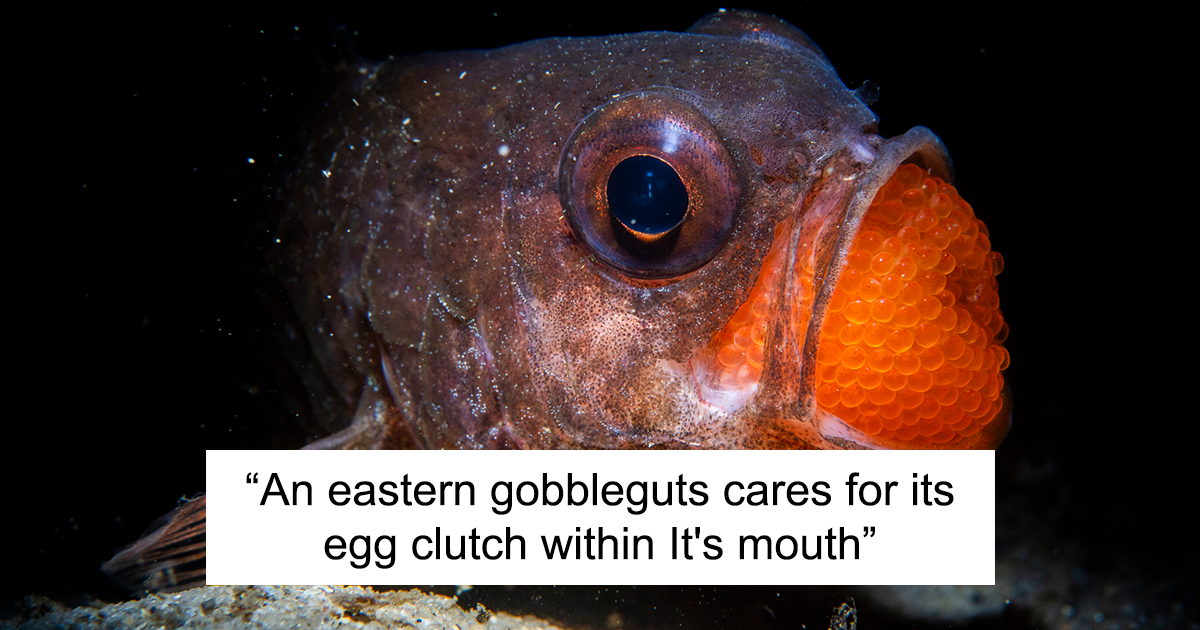
Some of Sly’s strongest images go beyond portraiture into behavior. A mouthbrooding fish carrying eggs. A cuttlefish aggregation charged with competition and mating. A shrimp riding another animal like a freeloading aristocrat. These moments pull viewers deeper because they show life in progress. The ocean stops being a still museum and becomes a stage.
That behavioral emphasis is a smart editorial choice. Pretty colors may grab attention, but action keeps it. It also gives the article and the gallery more depth, because viewers come away with a better sense that these are not ornamental creatures arranged for our benefit. They are busy living complicated lives that just happen to look spectacular on camera.
Light changes everything underwater
Underwater light is moody, difficult, and occasionally rude. It scatters, fades, shifts color, and turns every photographer into a negotiator. Yet that challenge is part of what makes the best underwater photographs so compelling. The photographer is not simply documenting a subject. He is wrestling with water itself.
And then there is the ocean’s own lighting department: bioluminescence. In deeper environments, many animals create light to attract prey, confuse predators, communicate, or disappear through counter-illumination. Even when a specific glowing animal is not featured in a gallery, the idea of ocean life producing its own light adds another layer to the broader appeal of deep-sea imagery. Down there, the rules change. Darkness is not empty. It sparkles.
Why Collections Like This Matter Beyond Aesthetics
It is easy to dismiss wildlife galleries as visual entertainment. But that misses the larger point. Images shape public memory. For many people, a photograph is the first real encounter with a species, habitat, or ecological idea. Before they read a scientific paper about reef decline, they see a seahorse tucked into swaying sea life. Before they understand why shark populations matter, they see a shark behaving with elegance instead of aggression. Before they learn how hard the deep sea is to study, they see an animal that looks impossible and realize the ocean still contains genuine mystery.
That emotional bridge matters for conservation. Coral reefs face pressure from warming waters, bleaching, pollution, and unsustainable fishing practices. Marine protected areas and other conservation tools can improve resilience, but those policies compete for attention in a crowded public conversation. Photography helps by creating stakes. It turns abstract environmental concern into something vivid, specific, and harder to ignore.
In that sense, Daniel Sly’s collection does more than showcase talent. It participates in a larger cultural job: helping people understand that the ocean is not a distant backdrop. It is part of the same shared world that shapes coastlines, climate resilience, biodiversity, food systems, and human imagination.
What Writers, Creators, and Brands Can Learn From Daniel Sly
There is a surprisingly useful content lesson hiding in all this. Sly’s work succeeds for the same reason strong digital storytelling succeeds: it pairs expertise with curiosity. He knows his subjects well enough to anticipate interesting moments, but he also leaves room for surprise. That combination is gold.
Writers can learn from the way his images narrow in on specific details without losing the bigger story. Marketers can learn that audiences respond better to authenticity than overhype. Photographers can learn that local ecosystems are not “small” subjects if you know how to see them. And everyone can learn that patience is often the difference between a decent result and an unforgettable one.
Also, if a tiny shrimp hitchhiking on a nudibranch can hold attention, nobody gets to complain that their topic is too niche. The ocean has ended that debate.
The Viewer Experience: Why These Images Stay With You
Spending time with a collection like From Coral Reefs To Deep Sea Creatures: 30 Stunning Underwater Photographs By Daniel Sly is a little like walking into a museum where every exhibit can swim away from you. That changes the energy immediately. The images do not feel staged in the way many polished nature galleries do. They feel borrowed from motion. You are not looking at a static world. You are looking at life caught between one flick of a fin and the next.
For viewers, that creates a very specific kind of experience. First comes the obvious visual hit: color, shape, and contrast. Corals glow. Soft backgrounds blur into painterly washes. Eyes look metallic, glassy, or strangely human. You pause because the frame is beautiful. Then the second layer kicks in. You start noticing details you missed in the first second: the tiny rider on a larger animal, the camouflage built into a body, the way an open mouth or curled tail completely changes the emotion of the image.
That slow reveal is part of the pleasure. It rewards attention in a way that fast-scrolling internet culture usually does not. The best underwater photographs make you linger. They ask you to inspect texture, habitat, and posture. They make you question scale. Is that creature the size of your thumb or the size of your dog? Is that background coral, kelp, sponge, or something that has not yet been described in a sentence you would enjoy hearing before bed?
There is also an emotional seesaw built into collections like this. Some frames make the ocean feel welcoming. Fur seals twisting beneath the surface can feel playful and almost joyful. Seahorses and seadragons can seem delicate, ornate, and improbably elegant. But then a shark enters the sequence, or a frogfish opens a mouth big enough to startle your soul, and the mood shifts from wonder to respect. Not fear, exactly. More like an acknowledgment that this is a world with rules that do not revolve around us.
That is one reason underwater imagery has such lasting power. It shrinks the human ego a little, which is usually healthy. We are reminded that entire ecosystems exist without asking for our opinion. Courtship happens. Predation happens. Camouflage works. Light disappears. Creatures adapt. The photos feel dramatic not because the photographer forces drama into them, but because the ocean has been dramatic all along.
For many people, the experience is also unexpectedly calming. Water softens edges. Motion becomes slower and more fluid. Even scenes full of ecological complexity can feel meditative. Then, just when you settle into that calm, the ocean throws in a creature that looks like a floating chandelier crossed with a dragon, and the calm becomes delighted disbelief. That emotional rhythm is addictive.
Most of all, these images stay with viewers because they make the unfamiliar feel meaningful. You may never dive in Sydney. You may never see a leafy seadragon in the wild or witness a mouthbrooding fish guarding its eggs. But after seeing the right photograph, those lives no longer feel remote. They feel real. They feel worth remembering. And in a media environment where people forget almost everything five minutes after seeing it, that is no small achievement.
Conclusion
Daniel Sly’s underwater photography works because it does not ask the ocean to become simpler for our sake. It embraces the color, the strangeness, the patience, the science, and the mystery. Across these 30 images, viewers get more than a tour of coral reefs, charismatic marine animals, and the eerie pull of deeper water. They get a better way to see the ocean itself: not as background scenery, but as a world dense with intelligence, adaptation, and visual wonder.
If that sounds lofty, fair enough. But it is also true. Great underwater photographs do not just make us say, “That’s beautiful.” They make us say, “Wait, what is that?” and then, ideally, “Should we maybe protect it?” Daniel Sly’s work manages to do both without losing its sense of joy. That is hard to pull off. It is also what makes this collection worth diving into.













