
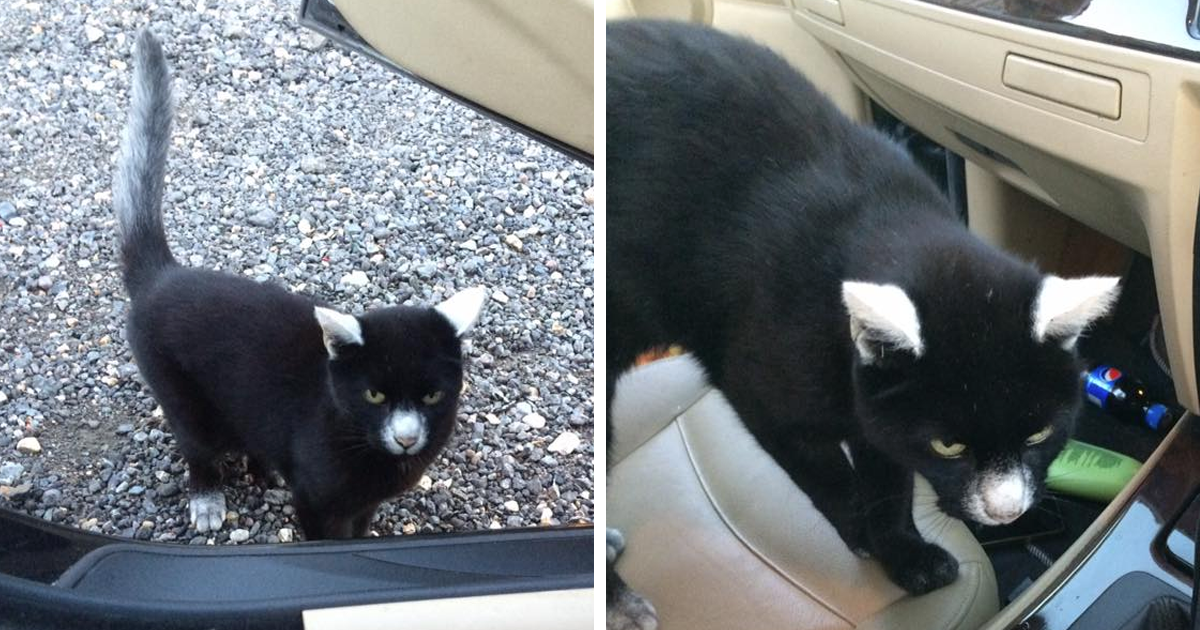
Some animals look like they wandered through a printer jam and came out half color, half grayscale. A dark muzzle suddenly turns marshmallow white. A sleek black nose picks up pale pink patches. A horse that once looked perfectly “finished” starts sporting little white islands around the eyes, lips, or coat. It is the kind of makeover that stops people mid-scroll and makes the internet collectively say, “Wait, is that real?”
Yes, it is real. But here is the important plot twist: not every animal that looks like it is “running out of ink” actually has confirmed vitiligo. In veterinary medicine, vitiligo is an acquired pigment-loss disorder linked to the destruction of melanocytes, the cells that make melanin. It is best documented in dogs, horses, and some cats. Online, though, the label gets used pretty loosely, and animals with leucism, piebald patterns, lentigo, sun damage, scarring, or other depigmentation disorders often get tossed into the same wonderfully confusing basket.
Note: This article uses “running out of ink” as a playful phrase. Not every white-patched animal in viral galleries has medically confirmed vitiligo; some have look-alike pigment conditions that create a similar effect.
Why Vitiligo in Animals Looks So Dramatic
Vitiligo tends to be visually dramatic because pigment loss often shows up in high-contrast places first. In dogs and cats, that can mean the nose, lips, eyelids, whisker pads, footpads, and surrounding fur. In horses, pale rings around the eyes or muzzle can make the face look hand-highlighted. The skin usually stays otherwise normal, which is one reason true vitiligo is often considered more of a cosmetic issue than a painful one.
That said, depigmentation should never be brushed off without context. Some autoimmune diseases can mimic vitiligo, especially discoid lupus erythematosus, which can flatten the nose’s normal “cobblestone” texture and cause sores, or canine uveodermatologic syndrome, which can affect the eyes and even threaten vision. Translation: a stylish new white patch is not always just a fashion statement. Sometimes it is harmless, and sometimes it deserves a vet appointment faster than you can say “mystery nose fade.”
That is also why the most honest way to talk about these viral animals is with a little scientific humility. Some are textbook cases of vitiligo. Some are probably not. All of them, however, remind us that nature has an absolutely chaotic relationship with color correction.
29 Unusual Looking Animals Who Seem To Be Running Out Of Ink
-
1. The Rottweiler with the powdered-sugar muzzle
This is one of the classic pet examples people notice first: a dark muzzle that slowly develops pale or pinkish patches. On a breed with a naturally bold face, even a small amount of depigmentation can look like somebody dabbed the snout with cake flour.
-
2. The Doberman whose lips and eyelids suddenly went pastel
Dobermans are among the breeds often mentioned in discussions of canine vitiligo. When pigment loss touches the lips and eyelids, the result can look strangely elegant, like the dog accidentally discovered minimalist makeup and committed to the bit.
-
3. The Belgian Tervuren that looks half sketched, half inked
Long-coated breeds can make vitiligo look especially theatrical because the change may affect both skin and hair. A dog that was richly pigmented one year can start looking as if someone erased only the finishing details around the face the next.
-
4. The Labrador with the snow-nose glow-up
When pale patches creep onto a Lab’s nose and muzzle, owners often panic first and Google later. Fair enough. But with true vitiligo, the tissue often remains otherwise normal, which is very different from inflammatory disorders that leave cracking, ulceration, or a changed surface texture.
-
5. The German Shepherd with ghosted whisker pads
A dark shepherd face with whitening around the mouth can look almost airbrushed. It is one of those pigment changes that makes the dog appear wiser, more mysterious, and slightly like it has seen things it will never discuss.
-
6. The Dachshund with a disappearing nose outline
Small dogs can wear vitiligo in a surprisingly dramatic way because the nose and lips are such focal points. On a Dachshund, even a modest light patch can turn a familiar face into a tiny abstract painting.
-
7. The Collie that reminds you not every pale nose is simple vitiligo
Collies are a good reminder that depigmentation has impostors. “Collie nose,” often associated with discoid lupus erythematosus, can resemble vitiligo at first glance. The difference is that lupus-related disease may bring inflammation, sores, and a smoothened nose surface. In other words, not all grayscale is innocent.
-
8. The Siamese cat with eyeliner that quit mid-shift
Feline vitiligo is less commonly reported than canine vitiligo, but when it appears, the face is still a favorite stage. A Siamese cat with pale skin near the eyes and nose can look as if its signature contrast setting got nudged down by a mischievous cosmic intern.
-
9. The black cat with surprise white socks and whisker fireworks
Patchy pigment loss on a dark-coated cat can be downright mesmerizing. One day you have a sleek midnight creature. A few months later you have a midnight creature with bright trim, as though the universe decided every cat deserves optional accessories.
-
10. The orange cat with freckles that fool everybody
Not every spotty feline is a vitiligo case. Orange cats commonly develop lentigo, a harmless dark freckling pattern on the lips, nose, and eyelids. It is the opposite direction on the pigment dial, but it still gets mixed into internet galleries because people love a dramatic face story.
-
11. The Arabian horse with pale rings around the eyes
Equine vitiligo has long been associated with Arabians, sometimes nicknamed “pinky Arab” or linked to “Arabian fading syndrome.” When the skin around the eyes lightens, the horse can look permanently outlined, like nature used a white paint marker for emphasis.
-
12. The horse whose muzzle looks dipped in strawberry milk
Depigmentation around the muzzle is common in horses described as having vitiligo. Because the nose is such a visual anchor, even a small pale patch makes the face look transformed, as though the horse has been snacking in a cloud.
-
13. The birdcatcher-spotted horse that looks paint-splattered
Some horses develop multiple small white spots on otherwise normal skin and coat. These are sometimes called birdcatcher spots or spotted leukotrichia, and they often get grouped into the broader “running out of ink” conversation even when the exact category is still debated.
-
14. The Quarter Horse filly with random white punctuation marks
When pigment loss shows up as scattered little depigmented islands, it can look less like a disease and more like someone leaned on the keyboard of creation and accidentally added a bunch of white commas to the coat.
-
15. The Akita whose skin changes may be a bigger red flag
Akitas are one of the breeds veterinarians watch closely when depigmentation comes with eye issues. In canine uveodermatologic syndrome, skin color changes can accompany inflammation inside the eye. That is not cosmetic trivia. That is “call the vet and maybe the ophthalmologist” territory.
-
16. The Siberian Husky with frosted lashes
When eyelashes, eyelids, and periocular skin lose pigment, a Husky can look like it is wearing accidental winter glam all year long. Pretty, yes. Also a reason to look carefully for other ocular clues if anything seems off.
-
17. The Samoyed whose face got even more cloud-like
On an already pale dog, vitiligo can be subtle until it reaches the nose, lips, or eyelids. Then suddenly the contrast shifts and the face looks softer, flatter, and almost illustrated, like someone erased the bolder lines and kept only the fluff.
-
18. The least tern chick that looked like a tiny flying marshmallow
This is where science politely interrupts the viral caption contest. A bright white tern chick with some remaining dark pigment is more consistent with leucism than vitiligo. Still, visually, it fits the same internet fascination: one bird, almost no ink, maximum main-character energy.
-
19. The white cobra that looked printed in grayscale mode
Again, not classic vitiligo. A famous pale monocled cobra in the United States was described as leucistic, not albino. But it perfectly captures why people lump these animals together. When the normal color map disappears, the whole animal looks like a living special effect.
-
20. The giraffe with a nearly bleached coat and dark eyes
A white giraffe with dark eyes is another reminder that not every pale animal is albino. In cases like this, leucism is often the better explanation. But visually? It still looks like someone drained the printer cartridge halfway through making a giraffe.
-
21. The humpback whale that looked moonlit in broad daylight
Hypopigmented or leucistic whales create one of the most surreal versions of the “no ink left” effect. Their massive bodies seem to glow against dark water, proving that even the ocean occasionally experiments with dramatic monochrome.
-
22. The green sea turtle that turned up pale but not pink-eyed
Dark eyes plus widespread paleness often point away from albinism and toward leucism. The result is unforgettable: a turtle that looks as though it swam through a photo filter and never switched back.
-
23. The piebald elk with the patchwork face
An elk with large pale facial patches can stop traffic, conversation, and probably a few hikers’ heartbeats. While piebaldism is not the same thing as vitiligo, the visual drama is similar enough that people instinctively use the same language: “What happened to the color?”
-
24. The bird whose dark beak gave away the secret
A pale bird with a still-dark beak or eye is a perfect example of why labels matter. It may look “albino” or “vitiligo” to casual observers, but retained pigment in specific places changes the diagnosis entirely. Biology loves details. Social media loves shortcuts.
-
25. The Holstein calf with a face that broke its own pattern rules
Cattle can also be part of the pigment-disorder conversation. When an animal already has a black-and-white coat, extra depigmentation can create a strange second layer of patterning, like a cow wearing a cow-themed disguise.
-
26. The pig whose pink islands looked hand-painted
Pigs are among the mammals in which vitiligo-like depigmentation has been discussed. On naturally pigmented skin, pale islands can look almost airbrushed, as though someone shaded the animal with two entirely different palettes and then forgot to blend.
-
27. The horse with face-normal, body-spotted whitening
Some horses get small circular pale areas on the neck, trunk, or rump while the face stays mostly unchanged. It is one of the oddest “running out of ink” presentations because the usual starring role of the muzzle gets replaced by a constellation map across the body.
-
28. The dog whose gums and lips quietly changed color
Not all pigment loss is obvious from across the room. Sometimes the first change shows up in the lips, oral tissues, or eyelids. Owners only notice it during a yawn, a belly rub, or one extremely cooperative snack request.
-
29. The before-and-after pet photo that makes everyone gasp
The wildest “animal with vitiligo” image is often not a single photograph at all, but a timeline. Put two pictures side by side, one from six months ago and one from today, and the change can be stunning. Same eyes, same attitude, same favorite treats, brand-new color story.
What Owners Should Know Before Calling It “Just a Color Change”
Because true vitiligo is often cosmetic, people can swing too far in the direction of “no big deal.” The smarter approach is calmer than panic and more curious than denial. If an animal develops new pale areas, especially around the nose, eyelids, lips, footpads, or eyes, a veterinarian should decide whether it is straightforward depigmentation or something that deserves more workup.
That is particularly true if the skin becomes crusty, sore, ulcerated, flattened, irritated, or sun-sensitive. Depigmented skin may have less natural protection from sunlight, and pale areas can be more vulnerable to damage. Cats with non-pigmented skin, for example, are famously more prone to sun-related skin trouble on exposed areas such as the ears and nose. So while the white patch may look like a harmless beauty mark, it is still worth thinking about comfort, light exposure, and context.
In other words, yes, admire the striking look. But let the vet be the one who decides whether the animal is serving fashion or sending a memo.
The Experience of Living With an Animal That Starts Changing Color
The experience usually begins with a tiny moment that feels too small to matter. You are handing out breakfast, tossing a ball, wiping sleepy eyes, or pretending not to notice your cat standing directly on the laptop keyboard. Then you catch it: a pale speck on the nose, a faded line near the lip, a little white wedge where solid color used to be. You lean in. You squint. You tell yourself the lighting is weird. It is not weird.
At first, most people do what people always do when the universe hands them a mystery wrapped in fur: they worry. Did the pet scrape its face? Is it a rash? Is it an infection? Is this serious? Then come the photos. Lots of photos. Front angle. Side angle. “Hold still for one second” angle. A comparison to last month’s picture. A comparison to the holiday photo. Suddenly you are doing forensic pigment analysis in your camera roll at midnight.
Once a veterinarian rules out the scarier possibilities, the experience often shifts from fear to fascination. Owners start noticing how the depigmentation changes the whole expression of the animal. A dog can look more distinguished, like a professor who has tenure and strong opinions about tennis balls. A cat can look more dramatic, like it was redesigned by a moody graphic artist. A horse can go from elegant to mythic in one season, especially when pale rings appear around the eyes or muzzle.
There is also the social side of it. Strangers ask questions. Friends assume the animal got old overnight. People on the internet make jokes about low toner, spilled bleach, or a paint job gone wrong. Usually the jokes are affectionate, and sometimes they are genuinely funny. But for owners, there is often a quieter feeling underneath all that humor: surprise at how much we tie identity to color. When the pattern changes, we suddenly realize how well we knew the original map.
Then something lovely happens. After the first wave of drama, the animal remains very much itself. The same dog still sprints to the door like every visitor is a long-lost war hero. The same cat still judges everyone from the staircase with aristocratic disapproval. The same horse still acts personally offended by mud puddles or deeply committed to them, depending on personality. The color changes. The creature does not.
That is often the most memorable part of the experience. Humans are the ones startled by the visual update. The animal, in many uncomplicated cases, carries on with the business of being an animal. Eat the snack. Chase the toy. Ignore the expensive bed. Demand a better snack. It becomes a gentle lesson in how appearance can shift without changing identity.
Of course, practical adjustments may follow. Some owners become more careful about sun exposure on pale skin. Some monitor the eyes more closely if a veterinarian raises concern about conditions that can mimic or complicate vitiligo. Some simply keep better photo records, both for medical tracking and because the transformation is honestly remarkable. A before-and-after collage can look like two different animals at first glance, yet the personality shines through like a watermark.
Living with an animal that is “running out of ink” ends up being a blend of science, vigilance, vanity, and wonder. You learn new words like melanocyte, depigmentation, leucism, and autoimmune. You become the sort of person who notices whether a nose still has its normal texture. You also become the sort of person who thinks, with complete sincerity, that a pale eyebrow patch might be the cutest thing on Earth.
That is the real experience in a nutshell: concern first, curiosity next, appreciation after that. And eventually, the odd color change that once felt alarming becomes part of the animal’s unmistakable charm. Not a flaw. Not a downgrade. Just a new edition of a face you already loved.
Conclusion
Animals with vitiligo, or with pigment conditions that look a lot like it, fascinate us because they make color feel temporary. A nose can fade. A muzzle can whiten. A coat can pick up bright patches where none existed before. The result can be funny, startling, gorgeous, and a little surreal all at once.
But the best part is not just the look. It is the reminder that biology is messy, individuality is real, and beauty is not nearly as fixed as we pretend it is. Sometimes an animal does not need a makeover. Sometimes the makeover just shows up anyway, uninvited, fabulous, and looking like the universe misplaced the ink cartridge.













