
Some towns know how to make a first impression. Westerly, Rhode Island, prefers to make a layered one. At first glance, it is all salt air, pretty storefronts, polished summer porches, and beaches that seem to have hired their own lighting team. Look a little closer, though, and Westerly reveals its real charm: it is a place where craftsmanship, history, and coastal life do not merely coexist; they chat over coffee and somehow end up renovating a house together.
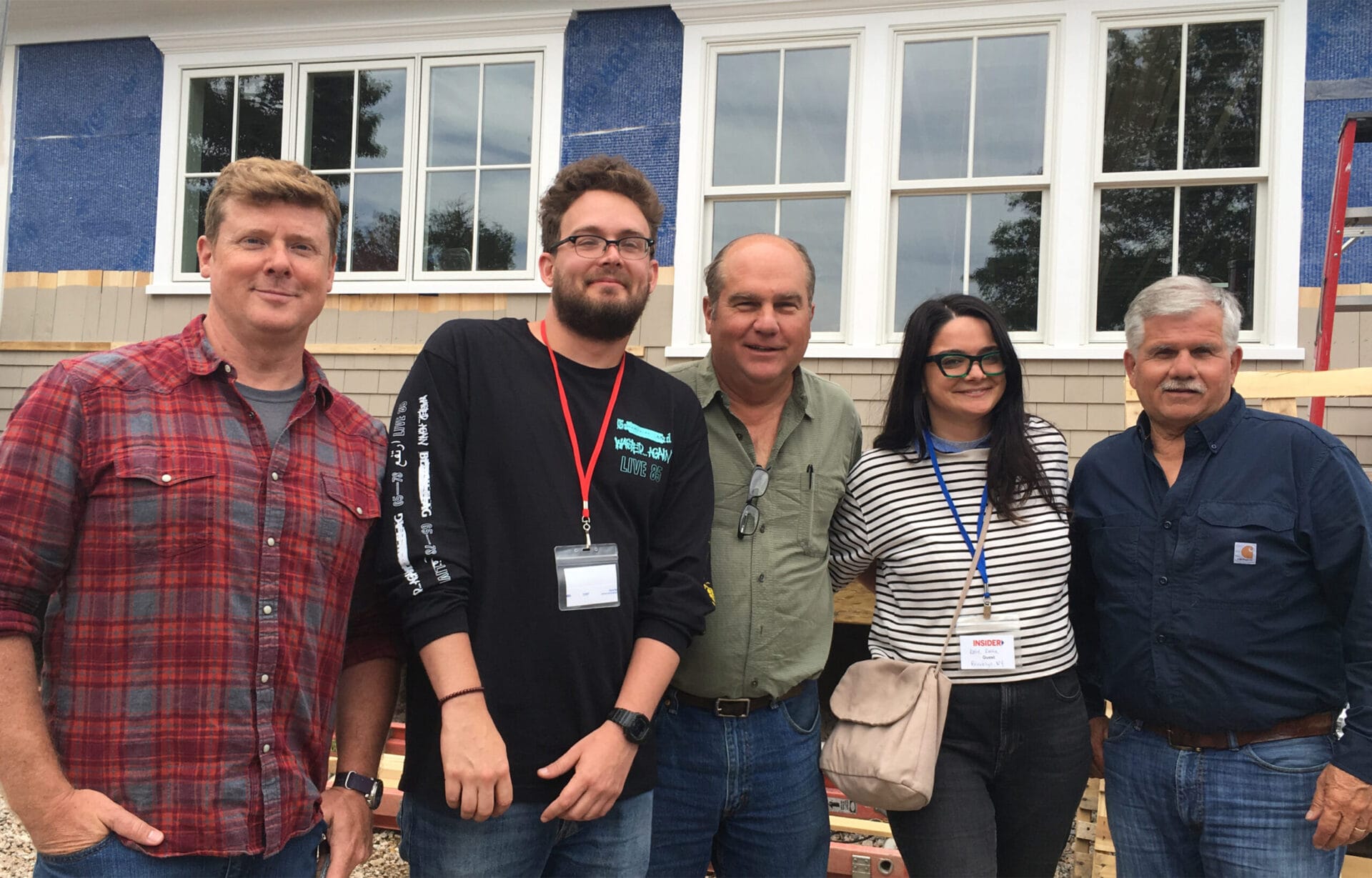
That is what makes the phrase “Insiders Go Behind the Scenes in Westerly” feel so right. The title points to a real This Old House Insider visit to the Westerly Ranch House, where guests got a firsthand look at a renovation in progress. But it also captures something bigger about Westerly itself. This is a town that rewards curiosity. Go beyond the postcard view and you find builders solving real design problems, historians preserving deep local memory, and neighborhoods where the past still shows up to work every day.
If you want a polished travel brochure, Westerly can supply one without breaking a sweat. If you want the more interesting story, the one with sawdust on the floor and sea breeze in the windows, keep reading. We are going behind the scenes.
Why Westerly Feels Made for a Behind-the-Scenes Story
Westerly has always had more than one identity. It is a historic Rhode Island town with roots going back to the seventeenth century. It is a beach destination with famous stretches of sand at Misquamicut and quieter beauty around Watch Hill and Napatree. It is also a community shaped by architecture, public spaces, preservation efforts, and a long-standing respect for local character. In other words, Westerly is not just scenic. It is structured. Built. Layered. The town has bones.
That makes it a perfect setting for a story about insiders. Westerly invites two kinds of visitors: the ones who come to sit by the ocean and the ones who want to know who built the porch, why the library looks like a civic cathedral, and how a beach town keeps its soul when the crowds roll in. The sweet spot, of course, is being both kinds of visitor at once.
Downtown Westerly offers that blend beautifully. One minute you are strolling through a handsome historic center with shops, theaters, and restaurants. The next, you are standing in Wilcox Park, realizing this was never designed as filler landscaping. It was envisioned as a real walking park for local people, a public space with intention rather than an afterthought with shrubs. Westerly gives off a recurring message: details matter here.
The This Old House Connection: A Real Insider Experience
The title of this article comes from a genuine This Old House Insider event tied to the Westerly Ranch House project. That alone says a lot. Westerly was not just a pretty filming backdrop. It became the setting for a renovation story that balanced family life, architectural ambition, and practical craftsmanship.
The house at the center of the project started as a one-story ranch. Solid bones, useful footprint, but not exactly the kind of layout that makes a growing family leap for joy. The plan transformed it into a Dutch Colonial, with a second story added and the kitchen and dining area opened up through a modest rear bump-out. In the reveal, the result was described as a modern classic: family-friendly upstairs and downstairs, free-flowing, comfortable, and much smarter than the original arrangement.
That is the kind of renovation that looks effortless on television and absolutely is not. The behind-the-scenes coverage makes that clear. On the day Insiders visited, rain forced a filming change, because real construction sites do not pause to protect the fantasy that everything always goes according to schedule. Instead of one planned outdoor sequence, guests watched the crew work indoors, laying out and measuring new living-room ceiling beams. Translation: not every glamorous reveal begins with a dramatic camera sweep. Sometimes it begins with tape measures, adjustments, and a bunch of people making smart decisions under pressure.
One of the event’s most appealing details was the tour led by Generation NEXT apprentice Kathryn Fulton. That matters because it shifted the focus from finished-room beauty shots to actual learning. Westerly became the stage not only for a home makeover, but for the next generation of skilled tradespeople. That is catnip for anyone who loves houses for the right reasons. A stylish room is nice. A stylish room built by people who understand systems, structure, and craft is better.
What the Westerly project says about modern renovation
The Westerly house was not just expanded for visual drama. It reflected a modern renovation philosophy that many homeowners can recognize. Keep what works. Respect the original structure. Improve function. Make room for how a real family lives. Then make it beautiful enough that nobody misses the awkward old layout.
Even the project’s infrastructure had a coastal logic. Because of the home’s proximity to both a pond and the ocean, the septic system needed advanced secondary treatment to reduce nitrogen and protect nearby waterways. That little detail is easy to miss if you only care about paint colors and pendant lights, but it is exactly the kind of behind-the-scenes reality that makes a house successful in a place like Westerly. Coastal living is not just about pretty views. It is about building responsibly in a sensitive environment.
Westerly Beyond the Job Site: The Town Behind the Story
A renovation story works better when the town surrounding it has character, and Westerly has character in bulk. This is the kind of place where a quick walk can turn into a mini history seminar if you pay attention. The town’s first meeting was held in 1669, which means Westerly has been accumulating stories for a very long time. Fortunately, it has also been unusually good at keeping them around.
Take Westerly Library and Wilcox Park. The library opened in 1894, and Wilcox Park was created from land donated in 1898 by Harriet Wilcox in memory of her husband, Stephen Wilcox. That pairing tells you something important about the town. Westerly did not treat learning and leisure as separate categories. A library and a public park, side by side, create a civic rhythm: read, walk, think, repeat. Frankly, that is a better wellness routine than half the internet can sell you.
Wilcox Park still feels like a deliberate public gift, not a decorative patch of lawn. It gives downtown Westerly breathing room. It makes the town feel lived in rather than merely visited. And if you are trying to understand why Westerly punches above its weight, start there. Places with strong public spaces usually have strong community memory.
That memory also lives in institutions like the Babcock-Smith House Museum, a volunteer-run organization centered around a Georgian mansion dating to 1734. The museum preserves not only domestic history, but the story of Westerly’s granite industry, which played a major role in shaping the town. It is one thing to admire old New England architecture. It is another to understand the labor, materials, and local industry that made it possible. Westerly offers both.
The Coastal Side of Westerly: Beaches, Bluffs, and Quiet Drama
Of course, no discussion of Westerly is complete without the coastline. This is where the town flexes without even trying. Misquamicut is the extrovert: broad beach, summer energy, classic vacation mood, and enough local history to keep it from feeling generic. The area’s name comes from the Narragansett language and is commonly translated as “place of the red fish,” which somehow sounds both poetic and like a spot where lunch should be excellent.
Misquamicut developed from a simple seaside area into a more established resort community in the early twentieth century, helped by growing recreational travel and trolley access. But even with all the summer fun, there is an undertow of history here. Hurricanes changed the shoreline, reshaped buildings, and reminded everyone that coastal beauty comes with real force attached. That tension between pleasure and vulnerability is part of what makes Westerly’s beach culture feel genuine rather than manufactured.
Then there is Watch Hill, which feels like Westerly’s polished cousin who somehow still tells good stories. Its lighthouse traces back to the early nineteenth century, with the current structure completed in 1856. The grounds are open during the day, and the setting offers exactly the sort of coastal walk that makes you consider becoming a person who wears boat shoes unironically.
Nearby, the Watch Hill Merry-Go-Round and Flying Horse Carousel add one of Westerly’s most charmingly weird notes. Built in 1867 and long celebrated as the oldest continuously operating carousel in the United States, it is the sort of attraction that could have been unbearably precious in a lesser town. In Westerly, it feels earned. It has survived storms, changing times, and generations of delighted children. A place that keeps a carousel alive for that long understands the value of continuity.
And then comes Napatree Point, a beach walk and conservation area that strips the mood down to essentials. Sand, sky, birds, wind, horizon. Napatree is beautiful in the less-is-more sense. It does not perform for you. It simply exists, and you are lucky to be there. If the renovated house shows Westerly’s hand-built intelligence, Napatree shows its natural restraint.
Luxury, Tradition, and the Westerly Balancing Act
Westerly also knows how to do luxury, but its best high-end spots still feel tied to place. Ocean House, perched on the bluffs of Watch Hill, is the local grand dame. It is not merely famous for service and views; it is woven into the visual identity of the area. Meanwhile, Weekapaug Inn, with origins dating to 1899, tells a slightly different story: quieter, more rooted in family-style hospitality, and deeply connected to the surrounding landscape of salt ponds and shore.
The trick Westerly pulls off is this: the luxury does not erase the town. It coexists with public beaches, local institutions, small museums, neighborhood streets, and downtown arts spaces. That is harder than it sounds. Many coastal destinations drift into glossy sameness. Westerly still feels like a town first and a fantasy second.
Its arts and civic landmarks help with that. The Westerly Armory, erected in 1901, now functions as a museum, event venue, memorial site, and home to the Westerly Band, one of the oldest active community bands in America. That is a lot of duty for one building, but Westerly seems to like its landmarks useful. Even the town’s historic structures tend to keep working instead of merely posing for photographs.
What Insiders Really Learn in Westerly
Going behind the scenes in Westerly is not just about gaining access. It is about learning how a place holds together. The This Old House project revealed one layer: good design is usually the visible result of invisible planning, adaptation, and technical judgment. The town reveals another: charm is rarely accidental. It is maintained by institutions, donors, preservationists, tradespeople, and local businesses that keep showing up.
That is why Westerly sticks with people. You can come for the beach and leave talking about storm history, carpentry details, granite records, or the way an old park changes the pace of an entire downtown. The best destinations are the ones that keep unfolding after you think you have already “done” them. Westerly is very much that kind of place.
It also manages to feel intimate without feeling small. You can spend part of the day at a lighthouse, part in a historic museum, part watching a renovation lesson unfold, and part on a beach where the loudest thing is the wind. That variety makes Westerly unusually satisfying. It is scenic, yes, but it is not one-note. It has texture.
Extended Experience: What It Actually Feels Like to Go Behind the Scenes in Westerly
Imagine arriving in Westerly expecting a tidy coastal day trip and instead getting a master class in why certain places linger in your mind. The morning starts with the kind of ocean air that makes every coffee taste suspiciously better. You head toward Watch Hill, where the light feels almost edited, then pass homes and hedges that look as though New England got very serious about posture. From there, the experience shifts. Maybe you walk out toward the lighthouse and start noticing the practical side of beauty: the weathered surfaces, the defensive logic of coastal construction, the way buildings near the sea seem to carry themselves with a little extra humility.
Later, back in town, you wander through Wilcox Park and suddenly the day softens. Kids cut across the grass. Adults sit with books. Nothing is dramatic, yet everything feels intentional. This is not dead history. It is civic design still doing its job. You begin to understand that Westerly’s appeal is not just visual. It is experiential. It lets you move from one mood to another without forcing it.
Now picture the true insider angle: stepping onto a renovation site tied to a well-known home-improvement show and seeing that the magic is not magic at all. It is process. Measurements. Adjustments. People conferring over structure, sequencing, and materials. There is always a temptation to think beautiful homes appear because someone had “great taste.” Westerly corrects that fantasy. Taste helps, sure. But so do waterproofing decisions, structural additions, layout logic, and smart environmental systems. In a coastal town, those are not boring details. They are the reason the beauty lasts.
By late afternoon, maybe you drift toward Misquamicut or Napatree. The social energy of the main beach and the contemplative feel of the conservation area show two versions of summer in one town. One says, “Bring the family and a cooler.” The other says, “Walk slowly and notice the birds.” Neither is wrong. Westerly does not insist on a single personality. It lets you choose your volume level.
As evening rolls in, the whole town starts to make sense. The glamorous corners, the historic corners, the hardworking corners, the slightly salty and windswept corners, they are all part of the same story. Westerly is what happens when a place values craftsmanship as much as scenery. It is why the behind-the-scenes angle matters so much here. Pull back the curtain and the view only gets better.
Conclusion
Insiders Go Behind the Scenes in Westerly works as a title because Westerly itself is a place that rewards insider attention. Yes, there are beaches, bluffs, and postcard moments. But the real draw is the structure beneath the surface: the thoughtful renovation culture, the preserved landmarks, the town institutions, and the coastal intelligence that shapes everyday life. Whether you arrive through the lens of This Old House, local history, or a simple vacation plan that got unexpectedly interesting, Westerly offers something rarer than beauty. It offers context.
And in travel, design, and storytelling, context is the thing that turns “nice” into memorable. Westerly does that with ease. It lets you enjoy the show, then invites you backstage.
Note: This article is formatted with only the <body> content for easy web publishing and copying.













