
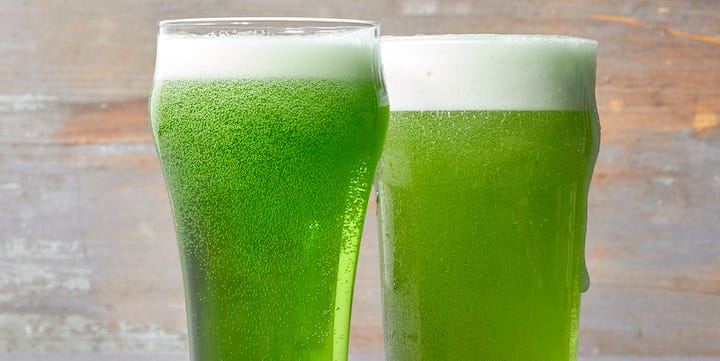
Green beer is the easiest St. Patrick’s Day party trick in the book: take a cold beer, add a tiny splash of food coloring, and suddenly your drink looks like it just won a shamrock beauty pageant. It is festive, fast, inexpensive, and wonderfully low-effortwhich is exactly what most hosts need when the corned beef is taking forever, the cabbage has opinions, and someone has already asked where the bottle opener is.
This guide shows you exactly how to make green beer for St. Patrick’s Day, including the best beer to use, how many drops of food coloring to add, how to make a pitcher, how to avoid flat beer, and how to serve it safely and stylishly. Whether you are throwing a backyard party, hosting a March 17 dinner, or simply want one emerald pint for a photo-worthy toast, this green beer recipe keeps things simple without turning your drink into a science experiment.
What Is Green Beer?
Green beer is beer tinted with green food coloring, most often served on St. Patrick’s Day. It is especially popular in the United States, where March 17 celebrations often include green clothing, shamrock decorations, Irish-inspired foods, and playful drinks. Despite the name, green beer is not a special brewing style. It is not fermented with herbs, aged in a leprechaun cave, or blessed by a fiddle player. It is simply regular beer with a festive green color.
The best part is that green beer does not have to taste different from the beer you already enjoy. When you use liquid food coloring in small amounts, the flavor stays basically the same. The drink looks dramatic, but the method is as low-maintenance as it gets. That is why green beer remains a go-to choice for St. Patrick’s Day parties: it delivers maximum visual fun with minimum kitchen chaos.
Quick Green Beer Recipe for St. Patrick’s Day
This classic green beer recipe makes one 12-ounce serving. You can multiply it easily for a pitcher, party tray, or a cooler full of prepared glasses.
Ingredients
- 1 bottle or can of light-colored beer, 12 ounces
- 1 to 3 drops liquid green food coloring
- Chilled pint glass or beer mug
Instructions
- Add 1 to 3 drops of liquid green food coloring to the bottom of a chilled glass.
- Slowly pour the beer into the glass at a slight angle to reduce foam.
- Let the beer naturally mix with the color as it fills the glass.
- If needed, stir once gently with a clean spoon or cocktail stirrer.
- Serve immediately while the beer is cold and bubbly.
Recipe Notes
One drop creates a pale lime-green beer. Two or three drops create a brighter shamrock green. Four or five drops create a deeper emerald shade, but more is not always better. Too much coloring can make the drink look artificial and may temporarily tint lips or teeth. St. Patrick’s Day is festive enough without everyone smiling like cartoon goblins.
The Best Beer to Use for Green Beer
The best beer for green beer is a pale, light-colored beer. American lagers, light lagers, pilsners, blonde ales, wheat beers, and pale ales all work well because their golden color makes it easy for the green dye to show. The lighter the beer, the brighter and cleaner the final green shade will be.
Dark beers, such as stouts and porters, are not ideal for this recipe. You can add food coloring to them, but the green will be muted or nearly invisible because the beer is already dark brown or black. If you want a traditional Irish beer, a light Irish lager is a better choice than a dark stout for green beer. Save the stout for stew, chocolate cake, or a proper pint on the side.
Good Beer Options
- Light lager
- Pilsner
- Blonde ale
- Wheat beer
- Pale ale with a clear golden color
- Nonalcoholic light beer
Beer Styles to Avoid
- Stout
- Porter
- Dark brown ale
- Amber ale if you want a bright green color
- Hazy beer if you want a clean, transparent look
How Much Food Coloring Should You Add?
For one 12-ounce beer, start with 1 to 3 drops of liquid green food coloring. That is enough for most light beers. If the shade is too pale, add one more drop and stir gently. It is much easier to deepen the color than to fix a beer that looks like it fell into a vat of neon paint.
Color Guide
- 1 drop: pale lime green, subtle and clean
- 2 drops: soft shamrock green, great for casual parties
- 3 drops: bright green, ideal for photos
- 4 to 5 drops: deep emerald green, bold but still drinkable-looking
Liquid food coloring is the best choice because it dissolves quickly in cold beer. Gel coloring is more concentrated, but it can clump or settle if it is not mixed well. Powdered color can also be tricky because it may create foam or leave specks. For the smoothest green beer recipe, keep it simple and use classic liquid food coloring.
How to Make a Pitcher of Green Beer
Making green beer by the pitcher is useful when you are serving a group. The trick is to add enough color without stirring aggressively and flattening the beer.
Pitcher Ratio
Use about 1 to 3 drops of green food coloring per 12 ounces of beer. For a 48-ounce pitcher, start with 4 to 8 drops. For a 64-ounce pitcher, start with 6 to 12 drops. Add the coloring to the pitcher first, then pour the beer slowly down the side of the pitcher. Stir once gently if needed.
Pitcher Tips
- Chill the pitcher before adding beer.
- Pour slowly to reduce foam.
- Do not over-stir, or the beer may lose carbonation.
- Serve within a short time so the beer stays fresh.
- Keep extra bottles or cans cold and mix new batches as needed.
Can You Make Green Beer Without Food Coloring?
Yes, but the results vary. Food coloring is the easiest and most predictable method, but some hosts like to experiment with alternatives. Green rock candy can add color as it dissolves, though it may add sweetness. Matcha powder can tint beer green, but it adds an earthy flavor and may create a cloudy drink. Wheatgrass or chlorophyll-style ingredients can create a natural green look, but they may also change the taste dramatically.
If your goal is a classic party drink that still tastes like beer, liquid green food coloring is the most reliable option. If your goal is a conversation starter, then by all means, try matchabut do not be shocked if your guests describe it as “beer that joined a yoga retreat.”
Alternative Green Beer Ideas
- Green rock candy: fun for stirring and slightly sweet
- Matcha powder: earthy, cloudy, and bold
- Blue food coloring: can turn yellow beer green through color mixing
- Green sanding sugar rim: adds decoration without coloring the full beer
- Nonalcoholic beer: perfect for guests who want the look without alcohol
How to Make Nonalcoholic Green Beer
Nonalcoholic green beer is made the same way as the classic version. Choose a pale nonalcoholic beer, add 1 to 3 drops of green food coloring to a chilled glass, pour slowly, and serve right away. This option is great for designated drivers, guests who do not drink alcohol, and anyone who wants to join the St. Patrick’s Day toast without the buzz.
You can also make a family-friendly green “beer” using sparkling white grape juice, lemon-lime soda, ginger ale, or hop water. Serve it in clear mugs for the same festive effect. Label alcoholic and nonalcoholic drinks clearly so nobody has to play beverage roulette.
Serving Ideas for a St. Patrick’s Day Party
Green beer is fun on its own, but a few small presentation tricks can make it feel more special. Use clear pint glasses so the color shows. Chill glasses in the freezer for 10 to 15 minutes before serving. Add a small shamrock stirrer, a green paper straw for non-beer drinks, or a tray lined with festive napkins.
Food Pairings
Green beer pairs best with casual, salty, hearty party foods. Try it with soft pretzels, Irish cheddar, corned beef sliders, potato skins, shepherd’s pie bites, fish and chips, Irish soda bread, or a simple snack board. For a traditional American St. Patrick’s Day dinner, serve it alongside corned beef and cabbage. For a more Irish-inspired meal, consider lamb stew, beef and stout pie, roasted potatoes, soda bread, or colcannon.
Party Setup Tips
- Create a small “green beer station” with glasses, food coloring, stirrers, and chilled beer.
- Offer a nonalcoholic green drink for guests who do not drink beer.
- Keep towels nearby because food coloring has a talent for finding white countertops.
- Use clear signs for alcoholic and alcohol-free options.
- Serve water and food throughout the party.
Common Mistakes When Making Green Beer
Using Dark Beer
Dark beer hides the green color. If you want a bright emerald drink, use a light-colored beer. A stout may be delicious, but it will not give you that glowing St. Patrick’s Day look.
Adding Too Much Food Coloring
A few drops are enough. Too much food coloring can make the beer look unnatural and may leave temporary color on lips, tongues, or teeth. Start small and adjust slowly.
Stirring Too Hard
Beer does not appreciate being whisked like pancake batter. Stir gently, or better yet, add the coloring first and let the beer mix as it pours.
Using Warm Beer
Warm beer foams more and tastes less refreshing. Chill the beer and the glass before serving.
Making It Too Early
Green beer is best served fresh. If you mix it too far in advance, it can lose carbonation. Prepare glasses as guests arrive or mix small pitchers during the party.
Is Green Beer Safe to Drink?
For most adults, green beer made with a small amount of food coloring is a novelty drink, not a health crisis. In the United States, food color additives are regulated, and approved colors must meet safety standards for their intended use. That said, moderation matters. The food coloring is not the main concern for most peoplethe alcohol is.
A standard beer serving is commonly 12 ounces at about 5% alcohol by volume. Some craft beers contain much more alcohol than that, so one can or bottle may count as more than one standard drink. If you are hosting, provide food, water, and nonalcoholic options. Encourage guests to plan rides home. The best St. Patrick’s Day party is the one everyone remembers for the right reasons.
Anyone who avoids artificial dyes, is sensitive to food colorings, is pregnant, takes medications that interact with alcohol, is under the legal drinking age, or is driving should skip alcoholic green beer. A green mocktail or nonalcoholic beer can still bring the festive look.
A Brief History of Green Beer
Green beer is more American party tradition than ancient Irish custom. St. Patrick’s Day itself honors St. Patrick, the patron saint associated with Ireland, and is celebrated on March 17. Over time, especially in the United States, the holiday grew into a broader cultural celebration filled with parades, green clothing, Irish-inspired meals, pub gatherings, and themed drinks.
Green beer appears to have gained attention in the early 20th century, and stories often connect it to celebrations in New York. Early versions were not always made with modern food coloring, which is a good reminder to be grateful for today’s safer, food-grade options. The drink became popular because it is visual, easy, and slightly sillyin other words, perfect for a holiday where wearing a glittery shamrock hat somehow feels like a reasonable life choice.
Green Beer Recipe Variations
Classic Shamrock Green Beer
Add 2 drops of green food coloring to a chilled glass and pour in 12 ounces of light lager. This creates a clean, party-ready green beer with minimal fuss.
Emerald Green Beer
Add 4 drops of green food coloring to a chilled glass, then pour in a pale beer. This version is deeper and bolder, ideal for photos and party trays.
Green Beer With a Sugar Rim
Rub the rim of a glass with a lime wedge, dip it in green sanding sugar, add food coloring to the glass, and pour in the beer. This is best for guests who enjoy a slightly sweeter first sip.
Blue-Drop Green Beer
Because many beers are golden yellow, a drop of blue food coloring can create a green effect. Start with 1 drop of blue, pour the beer, and adjust only if needed. This works best with pale yellow lagers.
Nonalcoholic Green Beer
Use a light nonalcoholic beer and follow the same method. Serve in a pint glass so it looks just as festive as the classic version.
Experience: What Actually Works When Making Green Beer for a Party
After making green beer for St. Patrick’s Day gatherings, one lesson becomes clear very quickly: the simplest method wins. The version people like most is usually not the fanciest. It is the cold light beer with two or three drops of liquid green food coloring, poured into a clear glass and served immediately. Guests do not need a complicated backstory. They see the bright green pint, laugh, take a picture, and get into the spirit of the day.
The biggest practical tip is to put the food coloring in the glass before the beer. This lets the beer mix naturally as it pours, which means less stirring and better carbonation. If you pour the beer first and then add coloring, you may need to stir more, and stirring can flatten the drink. A single gentle swirl is fine, but aggressive stirring makes the beer lose its lively foam. Nobody wants a sad, flat green puddle in a pint glass.
Another useful experience: do not try to make every beer green in advance. It sounds efficient, but it rarely works well. Beer is best when it is cold and freshly poured. If you mix a full pitcher too early, the color will still be green, but the beer may lose its crispness. For parties, it works better to set up a small station with chilled glasses, liquid food coloring, napkins, and a small sign that says “Add 2 drops, pour, enjoy.” Guests enjoy the mini ritual, and the host does not have to become a full-time bartender.
It also helps to test your beer before the party. Different beers produce different shades of green. A very pale lager may turn bright green with just two drops, while a deeper golden ale may need three or four. Amber beers can turn murky, and hazy beers may look more swampy than lucky. If your goal is a clean emerald look, choose a clear, pale beer. If your goal is comedy, use the hazy one and name it “Bog Water.”
Food pairing matters more than people think. Green beer is playful, but it still tastes like beer, so it works beautifully with salty snacks and hearty foods. Pretzels, chips, sliders, roasted potatoes, Irish cheddar, and corned beef bites all make good partners. A snack table also encourages guests to pace themselves, which is always smart when alcohol is involved.
Finally, always offer a nonalcoholic version. It is easy, inclusive, and appreciated. A pale nonalcoholic beer with green food coloring looks nearly identical to the regular version. Sparkling grape juice or lemon-lime soda can work too, especially for a family-friendly table. Label everything clearly, keep water available, and make sure guests have safe transportation. Green beer should be fun, not a plot twist.
Conclusion
Learning how to make green beer for St. Patrick’s Day could not be easier: choose a light-colored beer, add 1 to 3 drops of liquid green food coloring, pour gently, and serve cold. That tiny splash of color turns an ordinary pint into a festive drink that looks great on the table, in photos, and beside classic holiday foods. The key is restraint. Use a pale beer, start with a small amount of coloring, avoid over-stirring, and make each glass fresh when possible.
Green beer may not be an old Irish tradition, but it has become a cheerful American St. Patrick’s Day favorite for a reason. It is quick, affordable, customizable, and just goofy enough to make people smile. Add snacks, offer nonalcoholic options, serve responsibly, and your March 17 celebration will feel lucky from the first pour to the last shamrock napkin.
SEO Tags
Note: This recipe is intended for adults of legal drinking age. Serve responsibly, provide food and water, and offer nonalcoholic green drinks for guests who do not drink alcohol.













