
Grilling would be a lot easier if every cut of meat came with a tiny label that said, “Flip me in 4 minutes and don’t get cocky.” Sadly, steaks, chops, chicken breasts, shrimp, and vegetables do not arrive with that level of customer service. So if you’ve ever stood over the grill wondering whether your pork chops are done, your burgers are safe, or your salmon is about to become expensive fish jerky, this guide is for you.
The biggest secret? Grill time matters, but internal temperature matters more. Thickness, bone-in versus boneless cuts, grill heat, wind, lid position, and even how packed your grill is can change the clock. That’s why the smartest grillers use time as a roadmap and a thermometer as the final judge. In other words: your timer is helpful, but your thermometer is the adult in the room.
Why Grill Times Are Only Half the Story
When people search for how long to cook chicken on the grill or how long to grill steak, they usually want one clean answer. The annoying truth is that grilling is more like jazz than algebra. A thin steak cooks faster than a thick ribeye. Bone-in chicken takes longer than boneless breasts. A covered grill behaves differently from an open one. And direct heat is a whole different beast from indirect heat.
For quick-cooking foods like burgers, steaks, shrimp, fish fillets, and vegetables, direct heat is your best friend. For bigger or slower items such as bone-in chicken, thicker pork chops, tenderloin, whole chicken, or ribs, indirect heat or a two-zone grill setup works better. One side gives you sear. The other side gives you time. It is the best of both worlds, and also the best way to avoid incinerating the outside while the inside still says, “Hello, I am raw.”
As a rule of thumb, use grill time as a starting point, flip about halfway through, and always confirm doneness with an instant-read thermometer. Color alone is not reliable, especially with burgers, chicken, and pork. Brown does not always mean done, and pink does not always mean unsafe. Your thermometer settles the argument in seconds.
Quick Grill Time Chart for Chicken, Beef, Pork, Seafood, and Vegetables
| Food | Best Heat | Approximate Grill Time | Target Temperature |
|---|---|---|---|
| Chicken breast, boneless | Medium direct | 8–12 minutes total | 165°F |
| Chicken pieces, bone-in | Lower or indirect heat | 40–50 minutes total | 165°F |
| Whole chicken | Indirect low to medium | 1–1½ hours | 165°F |
| Steak, 1 inch thick | High direct | 6–8 minutes total | Use doneness target; USDA safe minimum is 145°F with rest |
| Flank or skirt steak | Medium-high direct | 8–10 minutes total | Usually 130–135°F for medium-rare style |
| Beef burgers, ¾ inch | Medium-high direct | 8–10 minutes total | 160°F |
| Pork chops, ¾ inch | Medium direct | 8–12 minutes total | 145°F, then rest 3 minutes |
| Pork chops, 1¼–1½ inches | Sear then lower heat | 14–18 minutes total | 145°F, then rest 3 minutes |
| Pork tenderloin, about 1 pound | Sear plus indirect | 25–30 minutes total | 145°F, then rest 3 minutes |
| Bratwurst or fresh sausage | Low to medium | 20–25 minutes total | 160°F |
| Salmon fillet, about 1 inch thick | High direct or two-zone | 6–10 minutes total | 145°F for food safety |
| Shrimp | High direct | 2–3 minutes per side | Opaque and just cooked through |
| Asparagus | Medium direct | 6–8 minutes | Cook until crisp-tender |
| Peppers | Medium direct | 8–10 minutes | Cook until tender with charred edges |
| Onions, ½-inch slices | Medium direct | 8–12 minutes | Cook until softened and marked |
| Corn, husked | Medium direct | 10–12 minutes | Cook until lightly charred |
How Long to Grill Chicken
Chicken is the grill’s most common drama queen. It goes from undercooked to dried out with startling speed, and nobody wants either outcome. Boneless chicken breasts usually take 8 to 12 minutes total over medium heat, flipping once. Thicker breasts may take longer, especially if they are unevenly shaped. Pounding them to a more even thickness helps a lot and makes you look like someone who has their life together.
Bone-in chicken pieces need more patience. Legs, thighs, and assorted bone-in pieces generally do better over a cooler part of the grill, often taking 40 to 50 minutes total. That sounds long, but the lower heat gives the fat time to render and the meat time to cook through without burning the skin. Whole chickens need about 1 to 1½ hours over indirect heat.
For all chicken, the safe endpoint is 165°F. If you only memorize one number from this entire article, make it that one. Also, do not guess by juices alone. Clear juices can be helpful, but a thermometer is still the move.
How Long to Grill Beef
Beef is where timing gets tricky, because people don’t all want the same doneness. One person wants medium-rare. Another wants medium. Someone else wants “just make it not moo.” That means steak timing depends heavily on thickness and desired finish.
For a 1-inch steak, plan on roughly 6 to 8 minutes total over high heat. A thinner ¾-inch steak may be closer to 4 to 6 minutes, while a thick 2-inch steak can take 14 to 18 minutes with a sear-and-finish method. Flank steak usually lands around 8 to 10 minutes total, depending on thickness.
If you want steakhouse-style results, stop staring at the clock and start paying attention to temperature. Medium-rare often lands in the 130 to 135°F range, while medium runs roughly 135 to 145°F. For food safety, USDA-style guidance for whole cuts of beef is 145°F with a short rest. After grilling, let steaks rest for at least 5 minutes so the juices stay in the meat instead of sprinting onto the cutting board.
Burgers are different because ground beef has different food-safety rules. At home, grill burgers to 160°F. For a typical ¾-inch patty, that often means 8 to 10 minutes total over medium-high heat. If you’re grilling thicker burgers, use a two-zone setup so you can sear first and finish gently without turning the outside into charcoal cosplay.
How Long to Grill Pork
Pork has had a wonderful glow-up in recent years. The old habit of cooking it until it resembles a drywall sample is out. Today’s goal is juicy pork cooked to the right temperature.
For standard pork chops about ¾ inch thick, plan on 8 to 12 minutes total. For thicker chops in the 1¼- to 1½-inch range, expect 14 to 18 minutes total, usually with a quick sear followed by gentler heat to finish. Pork tenderloin often takes 25 to 30 minutes when you combine a brief sear with indirect cooking.
The ideal target for whole muscle pork cuts is 145°F, followed by a 3-minute rest. That applies to chops, roasts, and tenderloin. Fresh bratwurst and ground pork should go to 160°F, and they usually need 20 to 25 minutes over lower heat so the casing doesn’t split before the inside is done.
How Long to Grill Seafood and More
Seafood cooks fast. Like, “walk away for a drink and regret it” fast. Salmon fillets about 1 inch thick usually take 6 to 10 minutes total. Many cooks like to start skin-side down and let most of the cooking happen there. If you are using a two-zone grill, sear first, then move to the cooler side to finish.
For food safety, fish is generally done at 145°F, or when it turns opaque and flakes easily. Some chefs prefer salmon a little lower for a silkier texture, but if you are cooking for a crowd, especially kids, older adults, pregnant guests, or anyone immunocompromised, the safest play is the official temperature.
Shrimp are even faster. Most grill in 2 to 3 minutes per side. Once they turn opaque and lightly pink, get them off the grate. Overcooked shrimp become rubbery little punctuation marks, and not the fun kind.
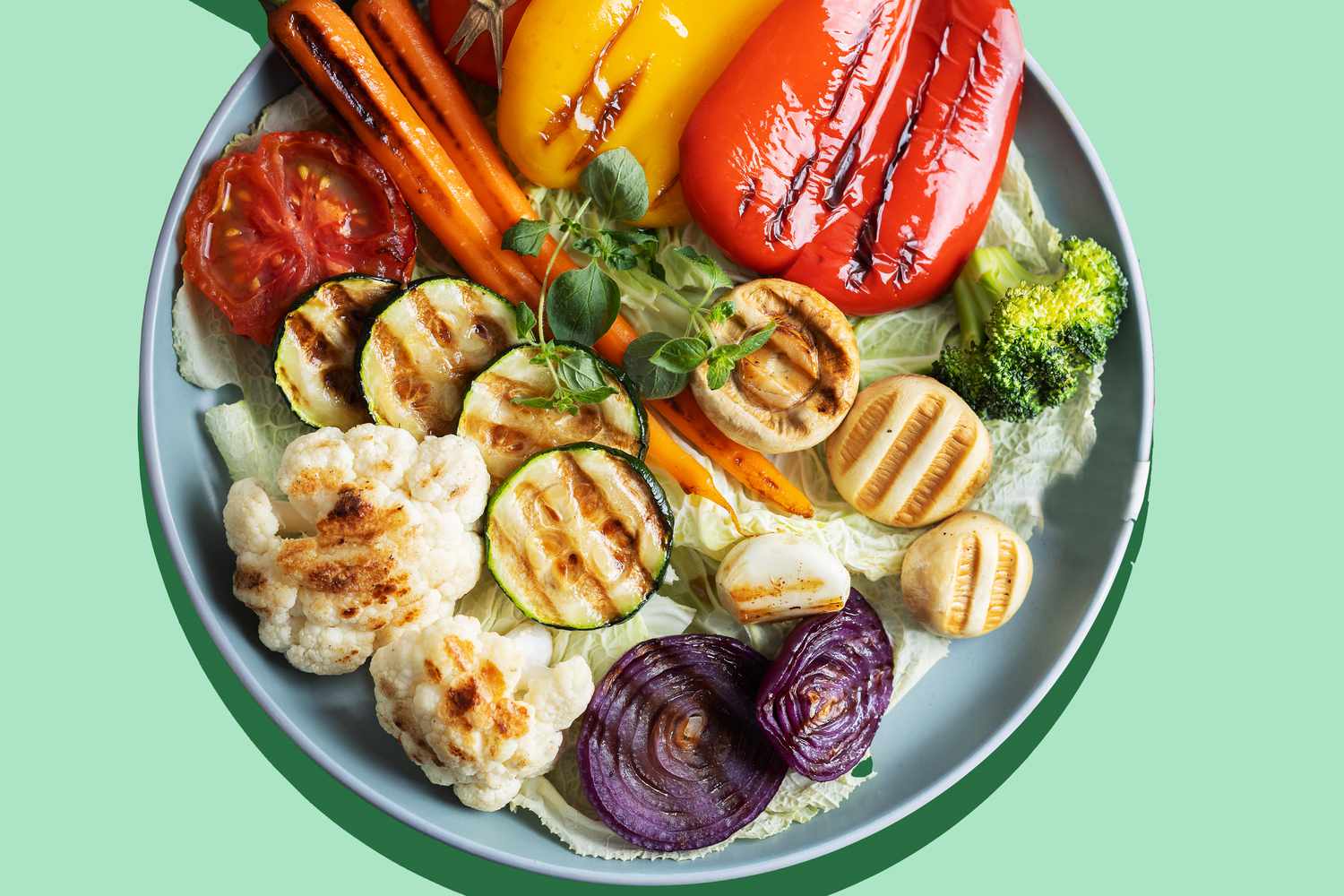
Vegetables vary, but the good news is they are far more forgiving than meat. Asparagus takes about 6 to 8 minutes, peppers about 8 to 10 minutes, onions about 8 to 12 minutes, husked corn around 10 to 12 minutes, and portobello mushrooms around 12 to 15 minutes. Grill until tender with a little char, not until they collapse into an identity crisis.
Seven Grill Mistakes That Wreck Cook Times
1. Using only one heat zone
A two-zone grill gives you control. Sear on the hot side, then move thicker foods to the cooler side to finish without panic.
2. Opening the lid every 30 seconds
Every peek lets heat escape. If you keep lifting the lid like it owes you money, your cook times will stretch and your food will brown less evenly.
3. Skipping the thermometer
The thermometer is not optional if you care about accuracy. It is the difference between “perfectly cooked” and “I hope this is fine.”
4. Guessing doneness by color
Burgers can brown before they are safe, and chicken can look done before it reaches temperature. Trust numbers, not vibes.
5. Crowding the grill
Too much food lowers the grill’s heat and messes with airflow. Give everything a little breathing room.
6. Reusing raw-meat plates or marinade
Use clean plates for cooked food, and never reuse marinade that touched raw meat unless you boil it first or reserved a separate portion.
7. Letting food sit out too long
Don’t leave perishable foods out for more than 2 hours, or 1 hour if it is hotter than 90°F. Backyard barbecue is supposed to create memories, not microbiology experiments.
Backyard Grilling Experiences That Teach You More Than Any Timer
Anyone who grills often learns the same lesson eventually: the grill does not care what your recipe promised. It cares about thickness, heat, timing, and whether you got distracted while talking to your neighbor about baseball, weather, or why somebody brought a salad to a burger night. Experience fills in the gaps that charts cannot.
One of the most common grilling experiences happens with chicken breasts. The first time many people grill them, they cook by fear. They leave them on too long because nobody wants undercooked poultry. The result is safe, yes, but also dry enough to make you reach for three sauces and a glass of water. After a few rounds, most grillers realize the trick is not more time; it is more control. Even thickness, medium heat, a quick flip, and checking for 165°F turn chicken from “healthy punishment” into something genuinely juicy.
Steak teaches a different lesson: confidence. New grillers often poke, prod, flip too much, and second-guess every sizzle. Then one day they try a hot grill, a simple seasoning, a proper rest, and an instant-read thermometer, and everything changes. Suddenly steak feels less mysterious. You learn that the perfect sear does not need constant fiddling. You learn that resting matters. Most of all, you learn that a steak can go from glorious to overdone while you are inside looking for the fancy salt you swore you bought.
Pork chops are where many backyard cooks have a redemption story. For years, people treated pork like it needed to be cooked into oblivion. Then they discover that 145°F plus a short rest delivers a chop that is still tender and flavorful. That first properly grilled pork chop is a minor revelation. It makes people question other old kitchen myths too, which is healthy. Not emotionally easy, perhaps, but healthy.
Seafood brings humility. Shrimp and salmon are quick enough that they teach focus fast. You cannot grill shrimp like ribs. You cannot wander off, answer a text, refill your drink, and expect applause. The experience of overcooking shrimp once usually fixes that forever. Salmon teaches gentleness as much as timing. Too much sticking, too much flipping, too much enthusiasm with the spatula, and the grill wins. A clean grate, a little oil, and patience make all the difference.
Vegetables, meanwhile, teach freedom. They are where grillers loosen up and start having fun. Once you realize that peppers, onions, asparagus, mushrooms, zucchini, and corn all love a bit of smoke and char, the grill becomes more than a meat machine. It becomes dinner. And that is the best grilling experience of all: the moment you stop treating the grill like a summer emergency and start treating it like a very hot, very useful dinner partner.
Conclusion
If you want to know how long to cook anything on the grill, the best answer is this: long enough to hit the right internal temperature, and not one minute more. Use a timer to guide you, use a two-zone fire to give yourself flexibility, and use a thermometer to finish strong. Chicken wants 165°F. Burgers and fresh sausages want 160°F. Pork chops and tenderloin want 145°F plus a rest. Fish wants to be treated gently. Vegetables want enough time to char, not enough time to surrender.
Master those basics, and you can grill chicken, beef, pork, seafood, and vegetables with a lot less guesswork and a lot more swagger. Not bad for a meal cooked over fire.














