
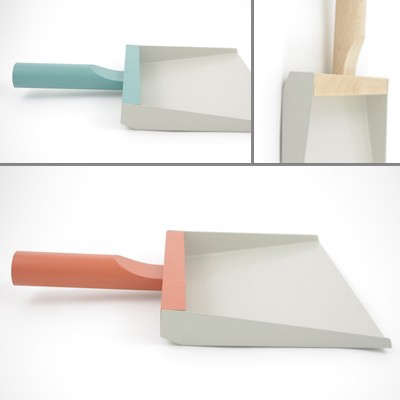
Most dustpans live a secret life. They hide behind a laundry-room door, get stepped on at least once a month, and are summoned only when cereal, potting soil, or a suspicious amount of dog hair hits the floor. Then along comes Mr&Mrs Clynk’s dustpan design, which has the audacity to look like it belongs in a carefully styled kitchen rather than a utility closet.
Designed by the French duo Mr & Mrs Clynk for the heritage brushmaker Andrée Jardin, the Clynk dustpan collection treats a humble household tool with the kind of attention usually reserved for lamps, cookware, and chairs. The result is a design-forward cleaning accessory made with lacquered metal, warm beechwood, and natural brush fibers. It is practical, yes, but it also makes a convincing argument that everyday objects do not need to be ugly just because they deal with crumbs.
This article explores why the Mr&Mrs Clynk dustpan has become a favorite among fans of thoughtful home design, what makes its materials and silhouette stand out, how it compares with modern plastic cleaning tools, and whether a beautiful dustpan can actually encourage better cleaning habits. Spoiler: it might not make anyone enjoy sweeping under the refrigerator, but it can make the process feel considerably less tragic.
What Is Mr&Mrs Clynk’s Dustpan Design?
Mr & Mrs Clynk’s dustpan design is part of a broader collection of household accessories created for Andrée Jardin, a French company known for traditional brushmaking. The line includes compact crumb-tray sets as well as taller brush-and-dustpan combinations intended for daily floor cleanup.
Rather than turning a dustpan into a gadget covered in buttons, hinges, neon plastic, and enough moving parts to require a manual, the Clynk approach is refreshingly restrained. The design uses familiar materials and recognizable forms, then refines them. A slim lacquered metal pan provides the practical scoop, while the beechwood handle introduces warmth and a more furniture-like presence.
The visual language is simple: clean lines, muted or cheerful color options, natural wood, and a shape that feels more deliberate than disposable. It is the design equivalent of wearing a crisp linen shirt to take out the trash. Entirely unnecessary? Perhaps. Pleasant? Absolutely.
Why This Dustpan Looks Different From Ordinary Cleaning Tools
It Makes Utility Look Intentional
Many cleaning tools are designed to disappear. They are often cheap, lightweight, and visually loud in a way that says, “Please do not leave me in the kitchen.” The Mr&Mrs Clynk dustpan does the opposite. It is designed to remain visible without making the room look like a janitorial supply closet.
That distinction matters in homes with open shelving, compact kitchens, mudrooms, or laundry spaces where storage is limited. When an object is attractive enough to hang on a wall or lean in a corner, it is easier to keep nearby. And when it is nearby, the odds of sweeping up those breadcrumbs before they migrate into the living room increase dramatically.
It Uses Material Contrast Well
The combination of lacquered metal and beechwood is the heart of the design. Metal brings durability, a crisp edge, and a clean industrial note. Wood softens the look and gives the tool a more tactile, human feel. The contrast keeps the dustpan from looking too rustic or too clinical.
In the Clynk collection, the brush often pairs horsehair with tampico plant fibers. That material combination is especially fitting for a traditional brush design because it balances flexibility with enough texture to move small dry debris. The point is not merely to create a pretty brush. It is to create one that looks refined while still being ready for crumbs, dry leaves, flour, pet hair, and whatever else the floor has been collecting in secret.
It Avoids the Disposable Look
There is a growing appetite for home goods that feel durable and repairable rather than temporary. A metal-and-wood dustpan does not automatically last forever, of course. It still needs care. But compared with a thin plastic pan that cracks after one unfortunate encounter with a garage shelf, a well-made material palette feels more substantial.
The Mr&Mrs Clynk dustpan design also reminds shoppers that sustainability is not only about recycled content or packaging claims. A product that people want to keep, display, and maintain may stay in use longer than a product that feels disposable from day one.
The Design Details That Make It Work
A Low-Profile Metal Pan
The dustpan’s lacquered metal body gives it a tidy, graphic profile. The raised edges help hold dry debris after it has been swept inside, while the slim construction allows the tool to hang or store neatly. Metal also gives the pan a pleasant sense of weight. It does not feel like it might take off in a strong breeze or lose a fight with a rogue potato chip.
For everyday household messes, a shallow pan is often easier to control than a bulky bin-like dustpan. It is especially useful around kitchen tables, entryways, fireplaces, desks, and workspaces where the debris is light and localized.
Beechwood Handles With a Furniture-Like Feel
Beechwood is a smart choice for a cleaning tool that is meant to be seen. Its fine grain and pale tone work comfortably with Scandinavian, rustic, modern, French country, and transitional interiors. The wood also improves the tactile experience. A smooth wooden handle feels warmer than hard plastic, which is a small detail that can make a routine task feel less mechanical.
In a design-conscious home, this matters. The best household objects often succeed because they make ordinary actions feel a little more pleasant. You may still be sweeping cat litter at 7:12 a.m., but at least your dustpan is bringing good manners to the situation.
Natural-Fiber Brush Construction
Natural fibers give the brush a traditional appearance, but they also create a different sweeping experience than stiff synthetic bristles. Softer fibers can be useful for gathering fine dry particles from hard surfaces, especially in kitchens and dining rooms. Tampico, a plant fiber, adds more texture and scrubbing ability, while horsehair is valued for its flexibility.
That said, this is not necessarily the ideal choice for every task. Heavy garage grit, wet sludge, construction debris, and a driveway covered in gravel call for a more rugged, purpose-built tool. The Clynk dustpan is at its best as an elegant daily-cleaning companion, not a replacement for industrial equipment.
How Mr&Mrs Clynk’s Dustpan Fits Into Modern Home Design
The appeal of this dustpan is not just that it is pretty. It supports a larger trend in home design: making practical objects part of the visual environment instead of hiding them away.
Think about cookware displayed on rails, ceramic canisters on counters, wool throws draped over chairs, or wooden cutting boards leaning against a backsplash. These objects work because they combine function with visual warmth. The Mr&Mrs Clynk dustpan follows the same philosophy.
It can hang near a pantry, sit in a mudroom, live by a fireplace, or occupy a small nook in a kitchen without looking out of place. In a compact apartment, that is particularly useful. Storage space is precious, and every object that earns its place in plain sight reduces the pressure on cabinets and closets.
Good Design Can Reduce Cleaning Friction
A cleaning tool hidden in a basement is easy to forget. A cleaning tool hanging beside the kitchen island is easy to grab. That simple difference can influence behavior more than people expect.
If a dustpan and brush are visible, attractive, and easy to reach, quick cleanups become less of a production. Instead of finding the broom, moving boxes, opening a closet, and negotiating with a vacuum cord, a person can handle a small mess in seconds. This is especially helpful for busy households, people with pets, parents of young children, and anyone whose kitchen floor develops crumbs with suspicious speed.
Practical Performance: What to Expect
The Mr&Mrs Clynk dustpan design should be judged by its intended role: stylish, accessible, everyday sweeping. It is best suited to dry debris on hard floors and surfaces. Think toast crumbs, coffee grounds, flour, paper scraps, dried leaves near an entryway, and the tiny collection of mystery particles that appears beneath a dining chair after every meal.
For fine dust, sweeping technique matters. Use short strokes and guide debris toward the front edge rather than trying to launch it from three feet away like a curling stone. A traditional metal dustpan may not create the same floor-sealing effect as a modern silicone-lipped plastic pan, so patience and close contact with the floor make a noticeable difference.
For large-volume cleanup, wet messes, outdoor construction debris, or heavy pet-hair situations, a larger commercial dustpan or modern upright sweep set may be more efficient. This is not a criticism. It is simply good tool selection. A beautiful cheese knife is not a substitute for a chainsaw, and a refined indoor dustpan does not need to be one.
How to Style and Store a Design-Forward Dustpan
Hang It Near the Kitchen
The kitchen is the most logical home for a compact dustpan and brush. Hang the set on a discreet wall hook near the pantry, under a shelf, or beside a utility cabinet. The goal is to keep it within arm’s reach of the places where crumbs and dry spills happen most often.
Use It as a Mudroom Essential
A mudroom or entryway is another excellent location. Dry leaves, sidewalk grit, pet fur, and soil from shoes tend to collect there quickly. A good-looking brush-and-pan set can stay visible without making the entrance feel cluttered.
Pair It With Other Honest Materials
The Clynk dustpan looks especially at home beside linen towels, woven baskets, ceramic storage jars, black metal hooks, natural wood shelves, and neutral tile. It can also add a playful color accent in an all-white laundry room or minimalist kitchen.
Care Tips for a Metal and Wood Dustpan Set
A well-designed dustpan deserves slightly better treatment than being flung into a damp sink after every use. Fortunately, the care routine is simple.
- Shake out dry debris after each use instead of allowing it to sit in the pan.
- Wipe the metal surface with a lightly damp cloth and dry it promptly.
- Do not soak the wood handle or leave the set in standing water.
- Wash brush fibers gently with mild soapy water when needed, then allow them to dry naturally.
- Store the brush with the fibers facing downward only after it is completely dry.
- Avoid using the set for wet, greasy, or heavily abrasive messes that may damage the finish or fibers.
These small habits help preserve the wood, keep the bristles tidy, and prevent the metal from looking tired before its time. In other words, treat it like a useful household object with self-respect.
Who Should Buy a Mr&Mrs Clynk Dustpan?
This dustpan design is a strong fit for people who value materials, craftsmanship, and visual calm in their homes. It is especially appealing for:
- Homeowners who prefer cleaning tools that can stay on display.
- Apartment dwellers with limited closet space.
- Design lovers who appreciate French-inspired utility objects.
- Hosts who want a quick way to sweep dining-table crumbs and kitchen debris.
- Gift shoppers looking for a practical housewarming present that does not feel boring.
- Anyone trying to build a more intentional, less disposable home toolkit.
It may be less suitable for someone who wants one inexpensive tool for every cleaning task, needs a fully upright commercial-style pan, or primarily cleans outdoor areas. The Clynk dustpan is not about maximizing features. It is about elevating a familiar ritual through better form, better materials, and a more pleasant presence.
Experience-Inspired Notes: Living With a Beautiful Dustpan
Imagine the usual weekday morning: toast is ready, coffee is brewing, someone is hunting for keys, and a small mountain range of crumbs has appeared below the kitchen counter. In many homes, that mess sits there until later because getting the vacuum out feels excessive and locating the old plastic dustpan feels like a scavenger hunt designed by a mischievous relative.
Now imagine a Mr&Mrs Clynk dustpan and brush hanging neatly on a nearby hook. The cleanup becomes a thirty-second task rather than a future promise. The brush comes down, the crumbs go into the pan, and the kitchen looks composed again before the coffee has had time to cool. That is the quiet advantage of a visible, attractive cleaning tool: it lowers the excuse threshold.
In a dining room, the compact set can become surprisingly useful after meals. Instead of wiping crumbs into a hand or trying to herd them onto a napkin with the elegance of a distracted magician, a small table brush and pan can handle the job cleanly. It feels old-fashioned in the best way, like using a proper cloth napkin or opening a letter with a real paper knife. The ritual is simple, but it adds a bit of ceremony to everyday tidying.
For apartment living, the design can feel especially satisfying. Small homes demand that almost everything earns its footprint. A bulky vacuum may live in a closet, but a slim dustpan-and-brush set can remain visible near the kitchen or entryway without ruining the room. The lacquered metal brings a clean visual line, while the wood helps it blend with shelves, furniture, and flooring. Instead of looking like equipment, it reads more like a useful home accessory.
There is also an emotional benefit to using objects that feel well made. Many people have experienced the opposite: a cheap dustpan flexes at the wrong moment, dust slips underneath the edge, and suddenly a five-second cleanup becomes an argument with gravity. A sturdier, more thoughtfully designed tool changes the mood. It does not make housework glamorous, because nothing can truly make cleaning a litter box glamorous, but it can make the task feel calmer and more intentional.
The Clynk design also lends itself to shared homes. When a tool is pleasant to use and easy to find, roommates, partners, and children are more likely to reach for it. A visible dustpan can become part of a simple reset routine: wipe the counter, sweep beneath the table, empty the pan, hang it back. There is no need to turn this into a military operation with clipboards and whistle signals. The point is simply to make cleaning feel easy enough to happen.
Over time, a design-forward dustpan can become one of those small household objects people unexpectedly appreciate. Visitors may notice it hanging in the kitchen. A guest might ask where it came from. Someone may even say, “That is a very nice dustpan,” which is not a sentence most people expect to hear in adulthood but is deeply satisfying nonetheless.
The best experience is not about admiring the dustpan every day like a museum artifact. It is about using it often, caring for it reasonably, and enjoying the fact that one of the least celebrated tools in the house has been given a little dignity. Mr&Mrs Clynk’s dustpan design proves that a cleaning essential can be useful, durable, visually pleasing, and ready for the next breadcrumb emergency.
Final Thoughts
Mr&Mrs Clynk’s dustpan design turns an overlooked cleaning tool into a thoughtful home object. Its appeal comes from restraint rather than gimmicks: lacquered metal, warm beechwood, natural brush fibers, and a silhouette that is simple enough to suit many interiors.
It will not replace every broom, every vacuum, or every heavy-duty dustpan in the house. It is not trying to. Instead, it succeeds as an everyday tool for small dry messes and quick resets, while bringing more care and character to a routine that normally receives neither.
For anyone building a home full of useful objects that do not need to hide, the Mr&Mrs Clynk dustpan offers a surprisingly persuasive idea: even crumbs deserve good design.













