
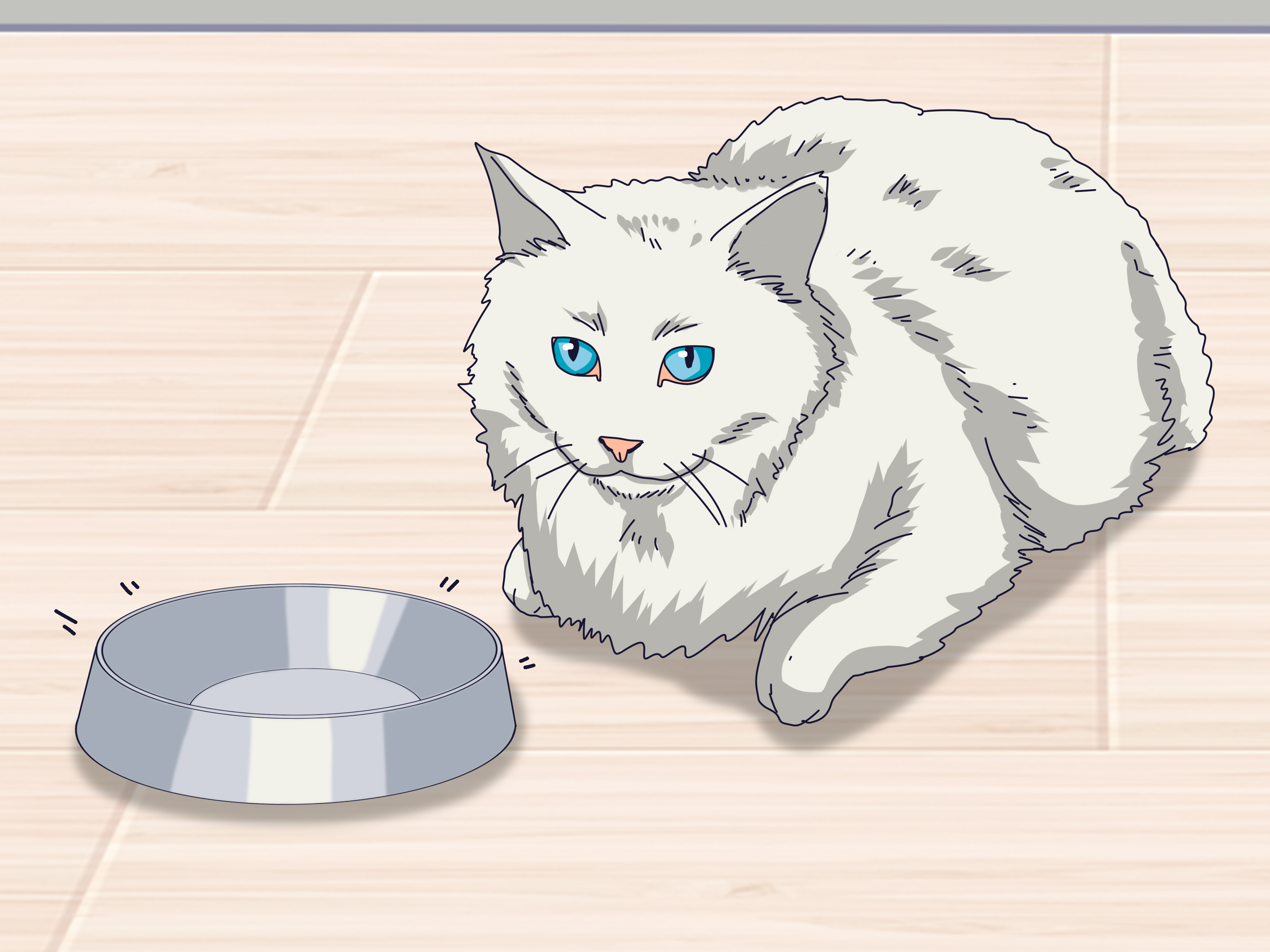
Cats don’t “go feral” out of spite. They go into panic mode. A frightened cat can scratch, bite, and rocket-launch off your forearm like it’s a trampoline. So if you need to capture an angry or upset catwhether it’s your own cat having a spicy day, a stray you’re trying to help, or a nervous cat who thinks the carrier is a portal to doomyour job is simple:
Keep everyone safe, lower stress fast, and use the least force needed.
This guide covers three humane, practical methods used by shelters, TNR groups, and veterinary teamsplus real-world “what actually works” experiences at the end.
Before You Start: Safety Rules That Prevent Bloodshed
Capturing an upset cat isn’t about “winning.” It’s about reducing fear and preventing injury. The safest plan is the one that avoids a wrestling match.
Know when to stop and call a pro
- If the cat is truly feral (no socialization, extreme fear), don’t try to grab by hand. Use a humane trap or contact a local TNR/rescue group.
- If there’s a medical emergency (difficulty breathing, seizures, severe bleeding), call a veterinarian or emergency clinic for handling instructions.
- If you can’t safely approach without getting bitten or scratched, that’s your sign: switch methods.
Dress like you’re handling a cactus
- Long sleeves, long pants, closed-toe shoes.
- Thick towel or small blanket (your best “tool,” not your hands).
- Optional: sturdy gloves (helpful, but they can reduce dexteritydon’t rely on them to “make it safe”).
- Eye protection if the cat is lunging or swatting upward.
Set the room so the cat can’t outsmart you
Cats are Olympic-level escape artists. Before you attempt any capture:
- Close doors. Block under-bed space if possible (rolled towels, storage bins).
- Turn off loud TV/music. Ask bystanders to step back (including your well-meaning friend who says “pspspspsps” nonstop).
- Prepare the carrier/trap first so you’re not fumbling with latches while the cat auditions for “Fast & Furious: Feline Drift.”
If you get bitten or scratched
Cat bites and scratches can become infected quickly. Wash immediately and seek medical adviceespecially for deep punctures, swelling, redness, fever, or if the cat’s rabies vaccination status is unknown. (Also: you are not “being dramatic.” You are being medically responsible.)
Way 1: The Towel Burrito + Top-Load Carrier Move
This is the go-to method in many clinics and shelters for a fearful, angry, or overstimulated cat when you need a fast, humane capture. A towel provides both physical control (it contains claws) and emotional relief (it creates a “hidey” feeling).
Best for
- Indoor cats who won’t go into a carrier
- Cats who are swatting/hissing but are still approachable
- Short-distance capture (room to carrier)
Not ideal for
- Truly feral cats (use traps instead)
- Cats cornered in a dangerous spot (high shelves, tight furniture gaps)
What you need
- A large bath towel (bigger than you think)
- A sturdy carrier (top-loading is easiest; if front-loading only, see the “Funnel” method below)
- A calm helper (optionalbut only if they can follow directions and avoid sudden movement)
Step-by-step: The “Burrito” done safely
- Position the carrier first. Place it close by with the door ready. If top-loading, open the top and remove the top piece if your carrier design allows.
- Approach from the side, not head-on. Predators walk straight in. Friends drift in like they forgot why they entered the room.
- Drop the towel like a soft curtain. Aim to cover the cat’s head and shoulders first. Vision blocked = less panic.
- Wrap snugly around the body. Tuck the towel around the cat’s sides and under the chest so the front legs are contained. Think “secure swaddle,” not “straightjacket.”
- Support the cat’s body weight. One hand supports the wrapped chest/shoulders; the other supports the wrapped hips. Keep the cat close to your body (less flailing leverage).
- Lower into the carrier. With a top-load carrier, lower the wrapped cat in gently, then close immediately.
Pro tips that reduce drama
- Don’t scruff unless a vet specifically instructs you. Many modern feline handling guidelines favor towel wraps and minimal restraint over scruffing because it can increase stress and defensive behavior.
- Keep it quiet and efficient. Slow, hesitant “maybe I’ll grab you… no wait… okay maybe…” makes cats panic.
- Use the towel as a shield. If the cat is swatting, hold the towel between you and the cat like a soft riot shield, then drape.
Example scenario
Your cat sees the carrier and transforms into a tiny dragon. Instead of chasing, you calmly close the bedroom door, slide the carrier near a wall, and wait 30 seconds for breathing to slow. Then: towel drape, gentle wrap, top-load into carrier. No chase. No bruised ego. Fewer scratches.
Way 2: The Humane Trap Method (Best for Strays or Truly Terrified Cats)
If the cat is not safely handleableor is a stray/community catuse a humane box trap. This is standard practice in Trap-Neuter-Return (TNR) and shelter intake for feral cats because it minimizes direct contact and injury risk.
Best for
- Stray or feral cats
- Cats who cannot be approached safely
- “I disappear when you blink” cats
What you need
- A humane live trap sized for cats (often available through rescues, shelters, or hardware stores)
- Smelly bait (think tuna, sardines, mackerelcats love eau de fish)
- A large towel or trap cover
- Newspaper/cardboard to line the trap floor (optional but often helpful)
Step-by-step: Trap like a professional, not like a cartoon villain
- Plan the timing. Many TNR resources recommend trapping around normal feeding times, often dusk or dawn.
- Choose a stable, quiet location. Place the trap on flat ground where the cat already travels. Avoid high foot traffic.
- Pre-bait if the cat is suspicious. For trap-shy cats, some groups suggest leaving the trap present (unset) during feeding so the cat gets used to it.
- Set the trap and monitor closely. Don’t “set it and forget it.” A trapped cat is vulnerable to weather, predators, and stress.
- Cover immediately after capture. Gently drape a towel over the trap (do not block ventilation). Darkness helps cats calm down.
- Move to a quiet, temperature-safe spot. Keep the trap covered and stable during transport.
Key safety notes
- Never leave traps in direct sun or bad weather. Heat and exposure can become dangerous fast.
- Do not attempt to transfer a feral cat by hand. If transport to a clinic is needed, many programs accept cats in traps.
- If a cat escapes in an indoor facility, trained staff may use nets or specialized recapture proceduresthis is not a DIY moment.
Example scenario
A neighborhood cat has a limp and won’t let anyone within six feet. Instead of chasing it (which teaches the cat that humans are horror-movie villains), you borrow a humane trap from a local rescue, bait it at dusk, monitor from a distance, and cover the trap the moment it closes. The cat is transported safely without a single hand-to-cat wrestling attempt.
Way 3: The Calm Funnel (Barrier-Guided Capture Without Grabbing)
Sometimes the cat is indoors and furious, but not easily towel-wrappedmaybe it’s wedged behind a couch, spiraling under a bed, or sprinting room to room. The solution is not “run faster.” The solution is reduce options.
The Calm Funnel method uses barriers (cardboard, a large cushion, a baby gate, even a thick folded blanket held like a wall) to guide the cat into a carrier without direct grabbing. You’re basically creating a gentle maze where the only “exit” is the carrier.
Best for
- Cats who dodge towels
- Front-load carriers (when top-load isn’t available)
- Cats in open rooms where you can control space
What you need
- A carrier with the door removed or wide open (if possible)
- Two large barriers (flattened cardboard boxes work great)
- A towel or blanket (for cover and quick containment if needed)
- Optional: a light cover for the carrier (partial cover can make the carrier feel safer)
Step-by-step: Build a “yes” path
- Move the cat into a smaller room. Bathrooms are ideal: fewer hiding spots, easier to block corners.
- Place the carrier as the “exit.” Put it against a wall so it can’t slide. Aim the opening toward the cat’s likely path.
- Create a wide funnel with barriers. You and/or a helper hold barriers like curved walls, slowly narrowing the space behind the cat.
- Advance steadily, not suddenly. The goal is to make the carrier feel like the easiest option, not to trigger a panic sprint.
- Close the door the moment the cat enters. Then cover the carrier with a towel to reduce visual stimuli and help the cat settle.
Two variations that often work
- Carrier-on-end “drop-in”: If you have a front-load carrier, stand it upright (opening facing up), then use the towel-burrito move to lower the cat in. This mimics a top-load capture with a front-load carrier.
- “Hide to enter” trick: Cats seek cover when scared. Partially covering the carrier (leaving the opening clear) can make it look like a safe cave.
Example scenario
Your cat is under the dining table, hissing at everything that breathes. You move slowly, slide a large piece of cardboard between cat and hallway, place the carrier against the wall with a towel draped over the top, and use a second barrier to guide the cat forward. The cat chooses the “cave” because you made every other direction mildly inconvenient.
After the Capture: Keep Calm, Cover, Transport
The capture isn’t the finish line. Many cats escalate during transport if they can see everything moving around them. A simple cover (towel/blanket) can help reduce stress once they’re contained.
Do this right away
- Cover the carrier/trap while keeping airflow clear.
- Keep the container level. Tilting increases panic and thrashing.
- Reduce noise. Quiet car ride, no booming bass, no “it’s okay baby!” shouted every 10 seconds.
- Secure the carrier/trap so it won’t slide in the car (seatbelt works well for carriers).
If the cat is a community/feral cat
Many TNR and shelter protocols recommend leaving feral cats in the trap for transport and intake rather than attempting to transfer them by hand. If you’re working with a clinic or program, follow their specific instructions.
Common Mistakes (a.k.a. How People Get Bit)
- Chasing the cat. Chasing increases fear and makes future captures harder.
- Cornering without an exit. A trapped cat defends itself. Give a “safe” directionideally into a carrier.
- Using bare hands. Even friendly cats can bite when terrified.
- Fumbling with equipment mid-capture. Prep first: doors open, latches ready, towels staged.
- Trying to “teach a lesson.” Capture is not training time. Safety first; behavior work comes later when everyone is calm.
When sedation comes up
If you’re thinking, “Maybe I should sedate the cat,” pause. Medication decisions should be made with a veterinarian. For severely fearful or aggressive cats, clinics sometimes use pre-visit pharmaceuticals or clinic-administered sedationbut that is not a DIY kitchen-counter project.
of Field Experiences: What Rescuers Learn the Hard Way
Talk to enough rescuers, foster families, or vet clinic staff and you’ll hear a theme: the best capture is the one that looks boring. Not dramatic. Not athletic. Just calm, planned, and slightly anticlimacticlike watching someone expertly parallel park.
One common “aha” moment is realizing that most capture failures happen before the first move. The carrier is across the room. The door latch sticks. The towel is too small. Someone forgot to close the hallway door. Then the cat bolts, adrenaline spikes, and the next 20 minutes become a slapstick montage of humans negotiating with a creature that fits behind a bookshelf.
Experienced handlers also learn that “stronger restraint” isn’t the same as “better restraint.” When people panic, they tend to grip harder. The cat feels trapped, fights more, and the situation escalates. In contrast, towel techniques feel almost unfairly effective because they solve two problems at once: they control claws and reduce visual stimulation. Many cats go from “I will end this entire family line” to “I hate this but I can’t see anything so I guess I’ll be still” in the span of seconds.
Another field lesson: the environment matters more than persuasion. You can’t talk a terrified cat into cooperating. But you can make the room smaller, remove hiding spots, and create a single easy path into a carrier. Rescuers often describe the Calm Funnel as “gentle architecture.” You’re not forcing the cat forward with hands; you’re simply making every other direction less appealing. Cats are excellent at choosing the route that feels safest. If the carrier is partly covered and positioned like a cave, it can become the obvious choice.
With community cats, trappers consistently say the same thing: routine is the secret sauce. Feeding at the same time and place builds predictability. Predictability builds confidence. Confidence gets cats near a set trap without suspicion. And once the trap closes, the fastest stress-reducer is also the simplest: cover it. Darkness turns down the “escape panic” volume.
Finally, there’s the hard-earned humility lesson: sometimes the right move is to stop. If a cat is escalatingwide eyes, ears pinned, growling, lunging continuing to attempt a hands-on capture can result in serious injury. Skilled people switch methods quickly. They don’t double down. They reset the room, bring in a trap, or call a professional. That’s not “giving up.” That’s competence.
If you remember nothing else, remember this: plan first, contain space, use a towel or a trap, and keep it calm. The goal isn’t to prove you’re brave. The goal is for everyonecat includedto get through the moment safely.













