
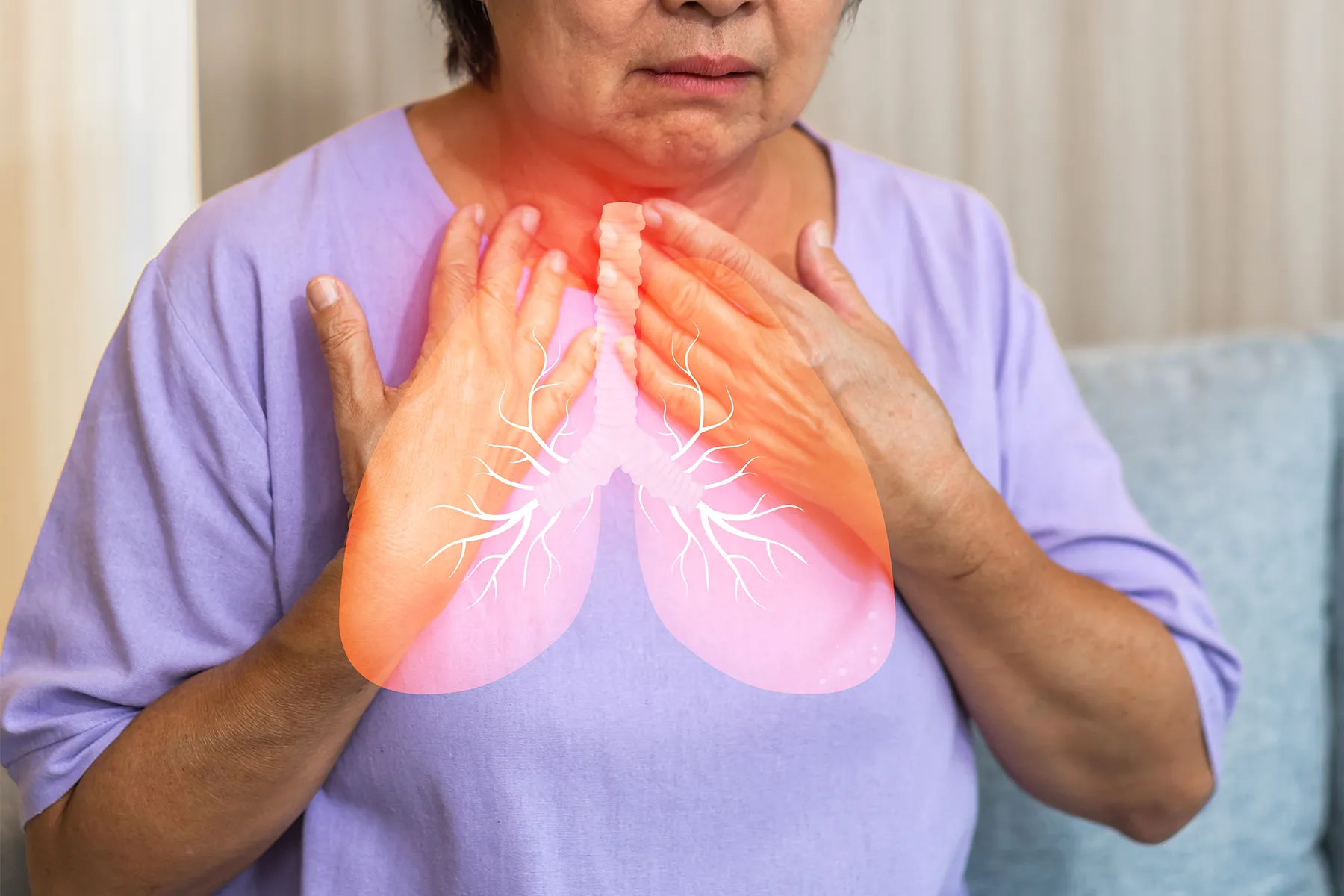
Lung cancer recurrence is one of those phrases nobody wants to hear after finishing treatment. You have gone through scans, appointments, medications, maybe surgery, radiation, chemotherapy, immunotherapy, or targeted therapyand just when life starts to feel less like a hospital calendar with snacks, the fear of cancer coming back can quietly move into the guest room of your mind.
Here is the good news: recurrence does not mean the story is over. It means the care plan changes. Today, doctors have more tools than ever to monitor, detect, and treat recurrent lung cancer, including advanced imaging, biomarker testing, targeted therapy, immunotherapy, radiation techniques, and clinical trials. The key is understanding what recurrence means, what symptoms deserve attention, and how follow-up care helps catch problems early.
This guide explains lung cancer recurrence in clear, practical American Englishno medical dictionary required, no panic button included.
What Is Lung Cancer Recurrence?
Lung cancer recurrence means cancer has returned after treatment and after a period when it was not detectable. This can happen because tiny cancer cells may remain in the body even after treatment appears successful. These cells can be too small to show up on scans, like microscopic troublemakers hiding behind the couch. Over time, they may begin growing again.
Recurrence is different from cancer that never fully responded to treatment. It is also different from a second primary lung cancer, which is a brand-new lung cancer that develops separately. Doctors use imaging, biopsies, pathology reports, and sometimes genetic testing to determine whether a new spot is recurrence or a new cancer.
Types of Lung Cancer Recurrence
Doctors often describe recurrent lung cancer based on where it returns. This helps guide treatment decisions and gives the care team a clearer picture of what is happening.
Local Recurrence
Local recurrence means the cancer comes back in the same lung or very close to the original tumor site. For example, someone who had surgery to remove a tumor in the right lung may later develop cancer near that same surgical area.
Regional Recurrence
Regional recurrence means cancer returns in nearby lymph nodes or nearby tissues in the chest. Lymph nodes act like small immune-system checkpoints, and lung cancer can sometimes travel through them.
Distant Recurrence
Distant recurrence means lung cancer has spread to another part of the body, such as the brain, bones, liver, adrenal glands, or the other lung. When lung cancer spreads to the liver, for example, it is still considered lung cancernot liver cancerbecause the cells started in the lung.
Why Does Lung Cancer Come Back?
Lung cancer can recur for several reasons. The most common explanation is that some cancer cells survived the original treatment. These cells may have been too small to detect or may have developed resistance to treatment.
Several factors can influence recurrence risk, including:
- The original stage of lung cancer
- Whether the cancer had spread to lymph nodes
- The type of lung cancer: non-small cell lung cancer or small cell lung cancer
- The tumor’s genetic mutations or biomarkers
- Whether surgery removed all visible cancer
- How well the cancer responded to chemotherapy, radiation, immunotherapy, or targeted therapy
- Smoking status, overall health, lung function, and other medical conditions
Non-small cell lung cancer, often called NSCLC, is the most common type of lung cancer. Small cell lung cancer, or SCLC, tends to grow and spread faster and is more likely to recur after initial treatment. That does not mean every case follows the same script. Lung cancer is not one-size-fits-all; it is more like a complicated group project where every tumor insists on having its own personality.
When Is Lung Cancer Most Likely to Recur?
Recurrence risk is often highest during the first few years after treatment, especially within the first two years for many people treated with curative intent. This is why follow-up care is so important during that time. Regular visits and scans are not just “doctor likes seeing you” appointments. They are part of a structured surveillance plan.
Many follow-up schedules include chest CT scans every few months at first, then less often over time. Some guidelines recommend imaging about every six months for the first two years after curative-intent therapy, then annually to watch for recurrence or a new primary lung cancer. Other oncologists may recommend visits every three months early on, depending on the type and stage of cancer, symptoms, treatment history, and individual risk.
The most important rule is simple: follow the plan your oncology team gives you. If you are unsure why a scan is scheduledor why one is notask. A good cancer team would rather answer your questions than have you lying awake at 2:00 a.m. consulting random internet forums named things like “TotallyRealCancerFacts99.”
Symptoms of Lung Cancer Recurrence
Sometimes recurrent lung cancer is found on a routine scan before symptoms appear. Other times, symptoms are what trigger testing. Any new, persistent, or worsening symptom deserves attention, especially if it does not improve or feels different from your normal post-treatment side effects.
Possible symptoms of lung cancer recurrence include:
- A cough that does not go away
- Coughing up blood
- Shortness of breath or wheezing
- Chest pain or discomfort
- Repeated lung infections, such as pneumonia or bronchitis
- Unexplained weight loss
- Severe or unusual fatigue
- Hoarseness
- Bone pain
- Headaches, dizziness, confusion, balance problems, or vision changes
- Abdominal pain, jaundice, or swelling
- New lumps or swollen lymph nodes
These symptoms do not automatically mean cancer has returned. Infections, scar tissue, treatment side effects, asthma, COPD, anxiety, and other conditions can cause similar problems. Still, guessing is not a medical strategy. If something feels off, call your cancer care team.
How Doctors Diagnose Recurrent Lung Cancer
Diagnosing lung cancer recurrence usually starts with a review of symptoms, medical history, and imaging. A CT scan is commonly used to look at the chest. Depending on the situation, doctors may order a PET scan, brain MRI, bone scan, blood tests, or biopsy.
A biopsy can confirm whether suspicious tissue is cancer. It can also provide valuable information about biomarkers. Biomarker testing looks for genetic changes or proteins in the tumor that may help guide treatment. For non-small cell lung cancer, doctors may test for markers such as EGFR, ALK, ROS1, BRAF, MET, RET, NTRK, KRAS, and PD-L1. These are not alphabet soup spilled across a lab report; they can directly affect which treatments may work best.
Treatment Options for Recurrent Lung Cancer
Treatment for lung cancer recurrence depends on where the cancer returned, how much cancer is present, what treatments were used before, how long it has been since treatment ended, biomarker results, and the person’s overall health.
Surgery
If recurrence is limited to one area and the person is healthy enough, surgery may be considered. This is more likely with a small local recurrence than with widespread disease.
Radiation Therapy
Radiation can be used to treat a specific area of recurrence, relieve symptoms, control pain, or target cancer that has spread to the brain or bones. Stereotactic body radiation therapy, sometimes called SBRT, may be used for small, focused tumors in selected patients.
Chemotherapy
Chemotherapy may be used when cancer has returned in multiple areas or when other options are not appropriate. The specific drugs depend on the lung cancer type and previous treatments.
Targeted Therapy
Targeted therapy can be very effective for tumors with certain genetic mutations. For example, cancers with EGFR mutations, ALK rearrangements, ROS1 changes, or other actionable biomarkers may respond to medicines designed to block those cancer-driving pathways.
Immunotherapy
Immunotherapy helps the immune system recognize and attack cancer cells. It may be used alone or with chemotherapy in certain cases, especially in non-small cell lung cancer. PD-L1 testing and treatment history can influence whether immunotherapy is recommended.
Clinical Trials
Clinical trials give some patients access to new treatments, new combinations, or new ways of using existing therapies. A trial is not a “last resort” in the dramatic movie sense. For many people, it is a smart, science-based option worth discussing early.
Can Lung Cancer Recurrence Be Prevented?
There is no guaranteed way to prevent lung cancer recurrence, but there are steps that may support overall health and reduce risk where possible.
- Keep every follow-up appointment and scan.
- Report new symptoms promptly.
- If you smoke, ask for help quitting; stopping smoking can improve treatment outcomes and overall survival.
- Stay physically active as tolerated and approved by your doctor.
- Eat a balanced diet that supports strength and recovery.
- Ask about pulmonary rehabilitation if breathing is difficult.
- Stay current on vaccines recommended by your care team, such as flu and pneumonia vaccines.
- Manage other conditions, including COPD, heart disease, diabetes, anxiety, and depression.
Healthy habits are not magic shields, but they can improve stamina, mood, lung function, and readiness for future treatment if needed. Think of them as putting better tires on the car before a long road tripnot glamorous, but extremely helpful.
Living With Fear of Recurrence
Fear of recurrence is common after lung cancer treatment. A scan date on the calendar can turn even the calmest person into a professional overthinker. This anxiety is so common that many survivors call it “scanxiety.” It often appears before scans, while waiting for results, or after hearing about someone else’s cancer returning.
Helpful coping strategies include:
- Writing down questions before oncology visits
- Asking your doctor what symptoms require urgent attention
- Requesting a written survivorship care plan
- Joining a lung cancer support group
- Talking with an oncology social worker, counselor, or therapist
- Practicing breathing exercises, meditation, light movement, or prayer if meaningful to you
- Limiting late-night medical searching, which rarely improves sleep or sanity
It is also okay to ask direct questions: “What is my personal risk of recurrence?” “What would we do if the cancer came back?” “Which symptoms should I report immediately?” Clear answers can shrink fear from a monster under the bed into a checklist on the fridge.
Questions to Ask Your Oncology Team
Good questions can make appointments more productive. Consider asking:
- What type and stage of lung cancer did I have?
- What is my recurrence risk based on my specific case?
- How often do I need CT scans or other imaging?
- What symptoms should I report right away?
- Was my tumor tested for biomarkers?
- If recurrence happens, what treatment options might be available?
- Should I consider a clinical trial?
- Who do I call after hours if I have concerning symptoms?
- Can I get a survivorship care plan?
Experiences Related to Understanding Lung Cancer Recurrence
Many people describe life after lung cancer treatment as a strange mix of gratitude, exhaustion, hope, and suspicion toward every cough. One survivor may say, “I finished treatment, but I did not feel finished emotionally.” Another may feel fine for months, then suddenly panic when a follow-up scan appears on the calendar. This emotional whiplash is normal. The body may be recovering, but the mind is still checking the smoke alarm every five minutes.
A common experience is learning to tell the difference between ordinary symptoms and symptoms worth reporting. For example, a person who had radiation may have lingering chest tightness or fatigue. Someone who had surgery may feel pulling or numbness near the incision. A person with COPD may already have shortness of breath. The challenge is not to panic over every sensation, but not to ignore meaningful changes either. A practical approach is to track symptoms: when they started, how often they happen, what makes them better or worse, and whether they are getting stronger. This gives the oncology team useful information instead of a vague report like, “My body is being weird,” although that sentence is sometimes medically accurate.
Caregivers have their own recurrence experience. They may notice appetite changes, mood shifts, coughing patterns, or fatigue before the patient does. But caregivers also walk a fine line between being helpful and becoming the household symptom detective with a clipboard. The best caregiver support often sounds like, “I noticed this has lasted a weekshould we message your doctor?” rather than, “I have diagnosed you using three websites and a panic spiral.”
Another real-world experience is adjusting to follow-up care. At first, frequent scans can feel reassuring. Later, they can feel stressful because each appointment reopens the possibility of bad news. Some people plan scan days carefully: a favorite breakfast, a trusted person to go with them, a movie afterward, or a no-major-decisions rule until results are back. These small rituals do not control the scan, but they help control the day.
People also learn that recurrence, if it happens, is not always treated the same way as the first cancer. New biomarker testing may reveal a targeted therapy option. Immunotherapy may be considered. A single area of recurrence may be treated with radiation. A clinical trial may offer another path. This is why updated testing and a second opinion at a major cancer center can be helpful, especially when treatment decisions are complex.
Perhaps the most important experience is realizing that survivorship is not just “going back to normal.” It is building a new normal with follow-up care, honest conversations, symptom awareness, and room for joy. People still travel, work, garden, babysit, cook, laugh, complain about traffic, and live full lives after lung cancer treatment. Recurrence fear may visit, but it does not have to be the landlord.
Conclusion
Understanding lung cancer recurrence helps patients and families move from fear to informed action. Recurrence means lung cancer has returned after treatment, either locally, regionally, or in distant parts of the body. It can be detected through routine follow-up scans or through new symptoms such as persistent cough, shortness of breath, coughing up blood, unexplained weight loss, bone pain, headaches, or unusual fatigue.
Follow-up care matters because recurrence risk is often highest in the first few years after treatment. CT scans, symptom checks, physical exams, and sometimes biomarker testing help doctors monitor for changes and choose the best next step. If lung cancer does return, treatment may include surgery, radiation, chemotherapy, targeted therapy, immunotherapy, or clinical trials.
The bottom line: do not skip follow-up visits, do not ignore persistent symptoms, and do not assume recurrence means there are no options. Modern lung cancer care is more personalized than ever, and the best plan is the one built around your cancer type, biomarkers, health, goals, and values.
Note: This article is for educational purposes only and is not a substitute for medical advice, diagnosis, or treatment. Anyone with symptoms or concerns about lung cancer recurrence should contact a qualified oncology care team.













