
King oyster mushrooms are the overachievers of the produce aisle. They look simplethick white stems, small tan caps, very little dramabut give them a knife and a hot pan, and suddenly they can act like scallops, steaks, stir-fry strips, pulled “pork,” noodle toppers, taco filling, or the kind of side dish that makes people ask, “Wait, are these mushrooms?”
The magic is mostly in the cut. Unlike delicate oyster mushrooms that grow in fluttery clusters, king oyster mushrooms, also called king trumpet mushrooms, have a dense, sturdy stem. That stem is the prize. It is firm, chewy, mild, savory, and wonderfully absorbent once cooked. Cut it crosswise, and it becomes a golden mushroom “scallop.” Slice it lengthwise, and it turns into a meaty plank or steak. Shred it with a fork, and it becomes a plant-based stand-in for pulled meat. Same mushroom, three personalities. Honestly, it is doing more character work than half the actors in a courtroom drama.
This guide explains three practical ways to cut king oyster mushrooms, when to use each cut, how thick to slice them, how to prep them safely, and how to avoid the most common mushroom mistakes: soggy texture, uneven browning, and cutting the stem into sad little mystery chunks that cook at three different speeds.
Before You Cut: Choose, Clean, and Prep the Mushrooms
Good cutting starts before the knife touches the board. Look for king oyster mushrooms that feel firm, plump, and dry on the surface, but not shriveled. The stems should be thick and creamy white, while the caps should look smooth and tan to light brown. Avoid mushrooms that feel slimy, smell sour, or have wet, dark patches. A mushroom should smell earthy, not like it has been writing emotional poetry in the back of the refrigerator for two weeks.
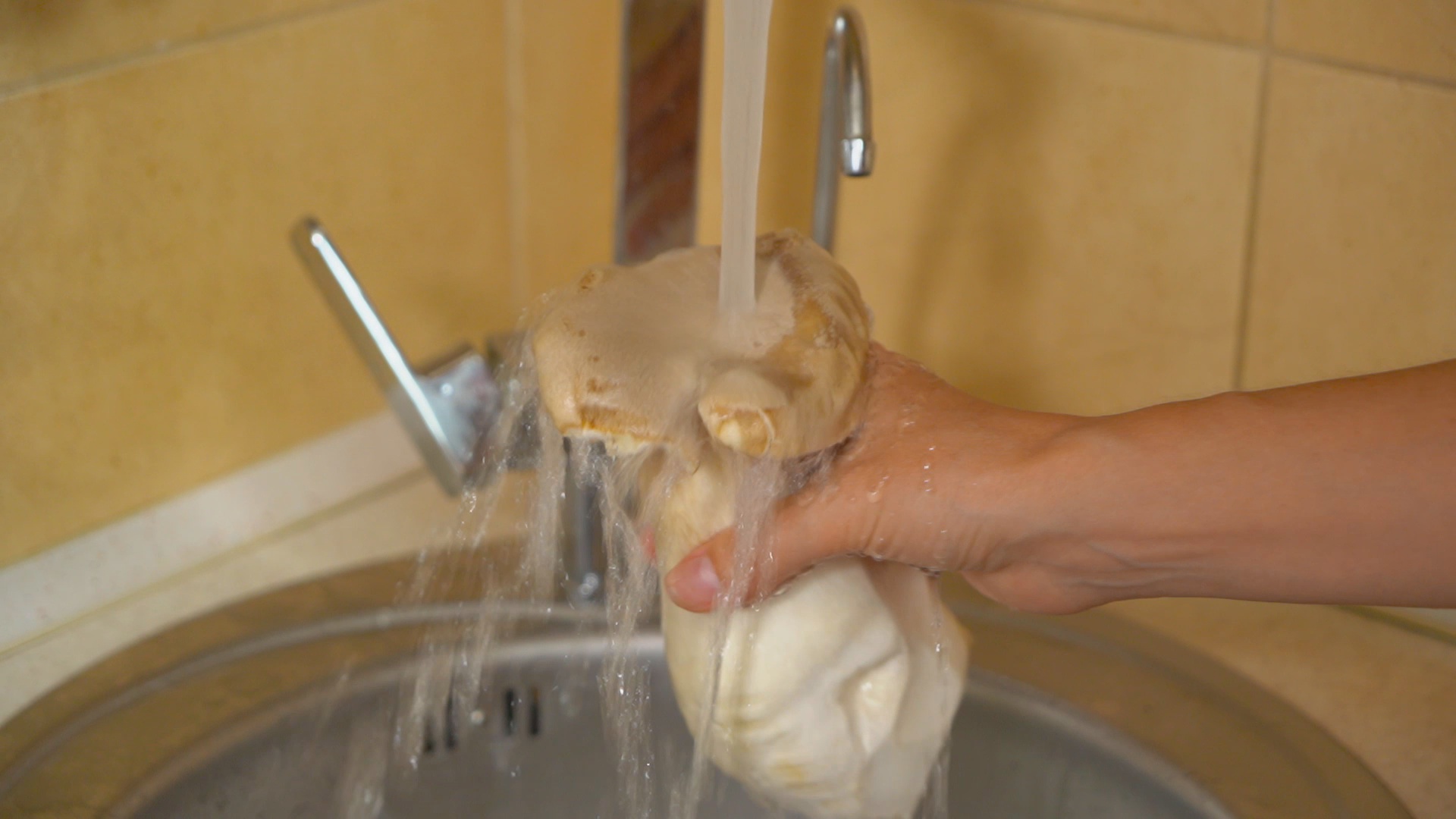
Store king oyster mushrooms in their original packaging if you plan to use them quickly, or move them to a loosely closed paper bag in the refrigerator. Mushrooms dislike trapped moisture, so airtight plastic storage often turns them slimy faster. Clean them right before cooking, not days in advance. If they are mostly clean, wipe them with a damp paper towel or soft brush. If they have visible grit, give them a quick rinse under cool running water and dry them immediately with a clean towel. Do not soak them. King oyster mushrooms are dense, but they can still take on unnecessary water, and excess water is the enemy of browning.
Use a sharp chef’s knife or santoku knife for slicing. A paring knife is handy for scoring. Trim only the tough or dry bottom end of the stem, usually about 1/8 to 1/4 inch. The cap is edible, too, though it cooks faster than the stem. You can leave it attached for planks, remove it for neat medallions, or slice it separately for soups and stir-fries.
Way 1: Cut Crosswise Medallions for Mushroom “Scallops”
The most famous way to cut king oyster mushrooms is into thick crosswise rounds. This cut turns the stem into medallions that look a lot like sea scallops once seared. It is the cut you want for elegant pasta, rice bowls, appetizer plates, lemon-butter sauces, miso glazes, garlic-herb skillets, and plant-based seafood-style dishes.
How to Cut Crosswise Rounds
- Trim the dry bottom end of each mushroom.
- Remove the cap if you want perfect round “scallops.” Save the caps for another dish.
- Place the stem on its side on a stable cutting board.
- Slice crosswise into rounds about 3/4 inch to 1 inch thick.
- For better browning, lightly score both flat sides in a shallow crisscross pattern.
The scoring step is small but powerful. Use the tip of a paring knife to make shallow diagonal cuts in one direction, then repeat in the opposite direction. Do not cut all the way through. Think “waffle pattern,” not “mushroom confetti.” Scoring increases surface area, helps seasonings cling, and allows the medallions to brown more dramatically in the pan.
Best Uses for Crosswise Medallions
Crosswise rounds are ideal when you want a tender center and a browned exterior. Sear them in a hot skillet with a small amount of oil, letting the first side cook undisturbed until golden. Flip, brown the second side, then finish with butter, garlic, soy sauce, lemon juice, miso, herbs, or a splash of vegetable broth. Add salt near the end of cooking rather than at the very beginning, because salt draws moisture out of mushrooms. Moisture is useful for soup. It is less useful when you are trying to create a golden crust instead of a mushroom sauna.
Use these medallions in creamy linguine, risotto, polenta bowls, vegan “scallop” plates, ramen toppings, or warm salads. They also work beautifully with capers, parsley, white wine, chili crisp, sesame oil, or a quick soy-maple glaze.
Common Mistakes With Medallions
The first mistake is slicing too thin. Thin rounds cook quickly, but they lose the juicy, scallop-like bite that makes this cut special. The second mistake is crowding the pan. If the mushrooms touch shoulder-to-shoulder, they steam. Give them space, cook in batches, and let them sit still long enough to brown. The third mistake is scoring too deeply. A shallow grid is enough. Deep cuts can make the medallions fall apart before they ever reach the plate, which is tragic because they were so close to greatness.
Way 2: Cut Lengthwise Planks for Mushroom Steaks
Lengthwise slicing is the best choice when you want king oyster mushrooms to feel substantial. This cut turns each mushroom into long planks or “steaks” that can be grilled, roasted, pan-seared, or pressed in a skillet. Because the cut exposes a large flat surface, the mushroom develops a rich sear and absorbs marinades well.
How to Cut Lengthwise Planks
- Trim the dry end of the stem.
- Stand the mushroom upright if it is stable, or lay it on its side for more control.
- Slice from cap to base into 2 or 3 long planks, about 1/3 to 1/2 inch thick.
- Leave the cap attached for a rustic steak shape, or trim it off for cleaner planks.
- Score one or both sides lightly if you plan to marinate or sear them.
Lengthwise planks are forgiving, but thickness matters. If you cut them thinner than 1/4 inch, they become chips or quick stir-fry slices. That is not bad, but it is not a steak. If you cut them thicker than 3/4 inch, the outside may brown before the center softens. Aim for a cut that is thick enough to chew but thin enough to cook evenly.
Best Uses for Lengthwise Planks
Use planks when you want bold presentation. They are excellent with barbecue sauce, teriyaki glaze, chimichurri, pesto, garlic butter, balsamic reduction, or spicy chili oil. Marinate them for 10 to 20 minutes, then sear them cut-side down in a hot skillet. For extra contact, press them gently with another pan or a spatula. This helps the flat side brown deeply, creating that savory crust mushroom lovers chase like treasure hunters with better snacks.
Lengthwise planks are also great for sandwiches and grain bowls. Tuck them into a bun with slaw, stack them over mashed potatoes, slice them after cooking for tacos, or serve them as a centerpiece with roasted vegetables. If grilling, brush them with oil and cook over medium-high heat until lightly charred and tender.
Diagonal Slices: A Bonus Variation
If you want something between medallions and steaks, cut the stems diagonally into oval slices about 1/4 inch thick. Diagonal slicing gives you more surface area than straight rounds while keeping the pieces quick-cooking. This is a smart choice for stir-fries, noodle dishes, fried rice, omelets, and quick sautés. The pieces look elegant but do not require the careful scoring of medallions. It is the weeknight cut: handsome, useful, and not asking you to dirty three bowls.
Way 3: Shred King Oyster Mushrooms With a Fork
The third method is technically less “cutting” and more “controlled mushroom shredding,” but it belongs in any serious guide to preparing king oyster mushrooms. The long fibers of the stem pull apart beautifully, creating strips that resemble shredded chicken or pulled pork after cooking. This is the cut to use for tacos, bao buns, rice bowls, barbecue sandwiches, lettuce wraps, noodle toppings, and crispy mushroom bits.
How to Shred King Oyster Mushrooms
- Trim the bottom end of each mushroom.
- If the mushrooms are very large, cut them crosswise in half so they are easier to handle.
- Hold one mushroom firmly on the cutting board.
- Drag the tines of a fork down the length of the stem to create grooves.
- Pull the mushroom apart into thin shreds with your hands or the fork.
- Slice the cap thinly or chop it and add it to the shreds.
The fork creates uneven edges, which is exactly what you want. Those rough edges crisp better than smooth slices and grab sauce like they have a personal mission. For a drier, chewier texture, sprinkle the shreds with a little salt, let them sit for 8 to 10 minutes, then squeeze out excess moisture and pat dry before cooking. This step is especially useful when making barbecue-style pulled mushrooms.
Best Uses for Shredded King Oyster Mushrooms
Shredded mushrooms are best when cooked in two stages: first to drive off moisture and brown the edges, then again with sauce. Spread them on a sheet pan with oil and spices, roast at high heat until the edges crisp, then toss with barbecue sauce, buffalo sauce, gochujang glaze, taco seasoning, or soy-garlic sauce. You can also cook them in a skillet, but use medium-high heat and avoid stirring constantly. Let the mushrooms make contact with the pan so they can brown instead of merely sighing into steam.
For tacos, season the shreds with smoked paprika, cumin, garlic powder, chili powder, and a squeeze of lime. For rice bowls, use soy sauce, sesame oil, ginger, garlic, and a touch of maple syrup. For sandwiches, toss with barbecue sauce and pile onto toasted buns with crunchy slaw. The texture is hearty, chewy, and satisfying without pretending to be meat too aggressively. It is more like: “I am a mushroom, but I brought boots.”
Which Cut Should You Choose?
Choose crosswise medallions when you want a fancy, seared, scallop-like effect. Choose lengthwise planks when you want something grillable, sliceable, and steak-like. Choose shreds when you want crispy edges, sauce-holding texture, and casual comfort food. The mushroom itself does not change, but the cut changes the cooking behavior dramatically.
If you are cooking for guests, medallions look the most polished. If you are meal-prepping, shreds are the most flexible. If you want a main dish that feels hearty without much work, planks are the winner. And if you are still undecided, buy a few mushrooms and cut each one differently. This is not indecision; it is research with dinner benefits.
Cooking Tips After Cutting
Dry the Mushrooms Well
Whether you wipe or rinse them, dry king oyster mushrooms before cooking. Surface moisture slows browning. A dry mushroom plus a hot pan equals flavor. A wet mushroom plus a crowded pan equals a gray situation nobody invited.
Use Enough Heat
King oyster mushrooms shine with medium-high to high heat. Their dense stems can handle searing, roasting, grilling, and pan-pressing. Low heat can make them release moisture slowly and turn rubbery before they brown.
Do Not Overcrowd the Pan
Give each piece space. This applies to medallions, planks, and shreds. If necessary, cook in batches. It is better to spend a few extra minutes than to produce a pan of steamed mushroom sadness.
Season at the Right Time
For deep browning, season lightly at first or wait until the mushrooms have started to brown. Salt pulls moisture from mushrooms, which can be useful in some recipes but troublesome when you want a crisp sear. Add sauces after the mushrooms have developed color so the sauce glazes instead of boils.
Flavor Pairings That Work With Every Cut
King oyster mushrooms are mild enough to pair with many flavors but savory enough to stand on their own. Garlic, thyme, rosemary, parsley, black pepper, lemon, butter, olive oil, soy sauce, miso, sesame oil, ginger, chili crisp, smoked paprika, and balsamic vinegar all work beautifully. For creamy dishes, try them with Parmesan, cashew cream, white wine, or risotto. For Asian-inspired dishes, use soy sauce, rice vinegar, scallions, sesame seeds, and ginger. For smoky comfort food, reach for barbecue sauce, cumin, paprika, and a little brown sugar.
The key is matching the flavor to the cut. Medallions love bright, buttery, seafood-style flavors. Planks like marinades, herbs, and steakhouse sauces. Shreds thrive with bold, sticky, spicy, or smoky seasonings. Once you understand that, you can improvise without turning dinner into a culinary escape room.
Experience Notes: What I Learned From Cutting King Oyster Mushrooms at Home
The first time I cooked king oyster mushrooms, I treated them like regular button mushrooms. I sliced them randomly, tossed them into a skillet, salted them immediately, and waited for magic. What I got was not magic. It was a pan of pale, squeaky mushroom pieces that looked like they had missed an important meeting. The flavor was fine, but the texture was confused. That was the lesson: king oyster mushrooms reward intention. They are not difficult, but they do want a plan.
Crosswise medallions were the first cut that made me understand the hype. When sliced about 1 inch thick and scored lightly, the stems browned beautifully. The outside became golden and savory, while the inside stayed juicy and springy. The trick was patience. I had to stop poking them every 12 seconds like an anxious squirrel. Leaving them alone in the pan allowed the crust to form. A little garlic butter, lemon juice, and parsley at the end made them taste restaurant-worthy with almost no effort.
Lengthwise planks became my favorite for weeknight meals. They are easy to season and feel generous on a plate. I like cutting each large mushroom into three planks, brushing them with oil, and searing them in a cast-iron skillet. Pressing them gently with a spatula helps create more browning. Once cooked, I slice them into strips and serve them over rice with soy sauce, sesame oil, and scallions. They also work surprisingly well in sandwiches because they do not fall apart the way smaller mushroom pieces sometimes do.
Shredding was the most fun, partly because it feels slightly ridiculous in the best way. Dragging a fork down the stem turns a tidy mushroom into a pile of dramatic little ribbons. At first, the shreds look too fluffy, but after roasting or pan-searing, they shrink, darken, and become chewy at the center with crispy edges. I learned that seasoning before cooking is useful for shreds, especially if you give them a few minutes to release water and then squeeze them dry. That one step makes the difference between crisp-tender mushroom filling and a damp taco situation.
My biggest practical tip is to buy more mushrooms than you think you need. King oyster mushrooms shrink as they cook, especially when shredded. Two large mushrooms may look like enough for several servings on the cutting board, then suddenly become “a tasteful garnish” after roasting. For a main dish, plan generously. For a side dish, one or two large mushrooms can be plenty.
I also learned not to waste the caps. They do not have the same scallop-like texture as the stems, but they are delicious when sliced thin and added to stir-fries, soups, scrambled eggs, fried rice, or sauces. If you remove caps for tidy medallions, store them in a small container and use them within a day or two. They are not scraps; they are bonus mushrooms wearing tiny hats.
The best part of practicing these three cuts is that you start seeing recipes differently. Pasta? Medallions. Barbecue sandwich? Shreds. Grain bowl? Planks. Stir-fry? Diagonal slices. Once the cutting method clicks, king oyster mushrooms stop being an unfamiliar specialty ingredient and become one of the most useful items in the fridge. They are hearty, flexible, fast-cooking, and oddly satisfying to prep. Not many vegetables can pull off “elegant appetizer” and “messy barbecue taco” in the same week, but king oyster mushrooms are apparently booked and busy.
Conclusion
Learning how to cut king oyster mushrooms is less about knife skills and more about choosing the right shape for the dish. Cut them crosswise into thick medallions when you want golden mushroom scallops. Slice them lengthwise into planks when you want hearty steaks for grilling, searing, or sandwiches. Shred them with a fork when you want crispy, saucy, pulled-style mushrooms for tacos, bowls, and comfort food.
Once you understand these three cuts, king oyster mushrooms become far more versatile. Their thick stems, mild umami flavor, and meaty texture make them one of the best mushrooms for creative cooking. Keep them dry, cut them evenly, give them room in the pan, and season them with confidence. The result is a mushroom that can be elegant, hearty, crispy, saucy, or all of the abovebasically the culinary equivalent of a very talented friend who also helps clean up after dinner.
Note: This article synthesizes practical cooking and food-safety guidance from reputable culinary, mushroom-industry, and produce-safety references, including U.S.-based cooking publications, mushroom organizations, and government food-safety resources.














