
An acne cyst has a special talent for appearing at the worst possible moment. Job interview tomorrow? Here comes a jawline volcano. Wedding photos this weekend? Your chin has apparently requested its own spotlight.
Unlike a small whitehead, a cystic acne breakout develops deep beneath the skin. It may feel firm, swollen, tender, or downright painful, yet have no visible opening. Because the inflammation sits below the surface, squeezing harder does not make it leave faster. It usually makes the situation angrier, redder, and more likely to leave a scar.
So, can you get rid of an acne cyst overnight? Usually not. You can, however, reduce its pain and swelling, avoid making it worse, and use treatments that help it heal as quickly as possible. For a particularly large or painful cyst, professional treatment may flatten it within a few days.
What Is an Acne Cyst?
Acne begins when oil, dead skin cells, and other material block a hair follicle. When that blockage becomes inflamed deep within the skin, it can produce a painful nodule or cyst. These deep lesions commonly appear on the face, jawline, neck, chest, shoulders, or back.
People often use the terms “nodule” and “cyst” interchangeably. Both are deep, inflamed acne lesions, but cysts may contain fluid or pus, while nodules tend to feel firmer. Either type can last for weeks and has a higher risk of scarring than a typical surface-level pimple.
Why acne cysts are difficult to treat quickly
A surface treatment cannot instantly reach inflammation buried deep inside the skin. A spot cream may support healing, but applying half the tube will not turn it into an underground excavation crew. In fact, aggressive treatment can damage the skin barrier and leave you with a cyst plus redness, peeling, and irritation.
The safest strategy combines immediate inflammation control with a consistent acne routine that prevents the next cyst from forming.
1. Ask a Dermatologist About a Corticosteroid Injection
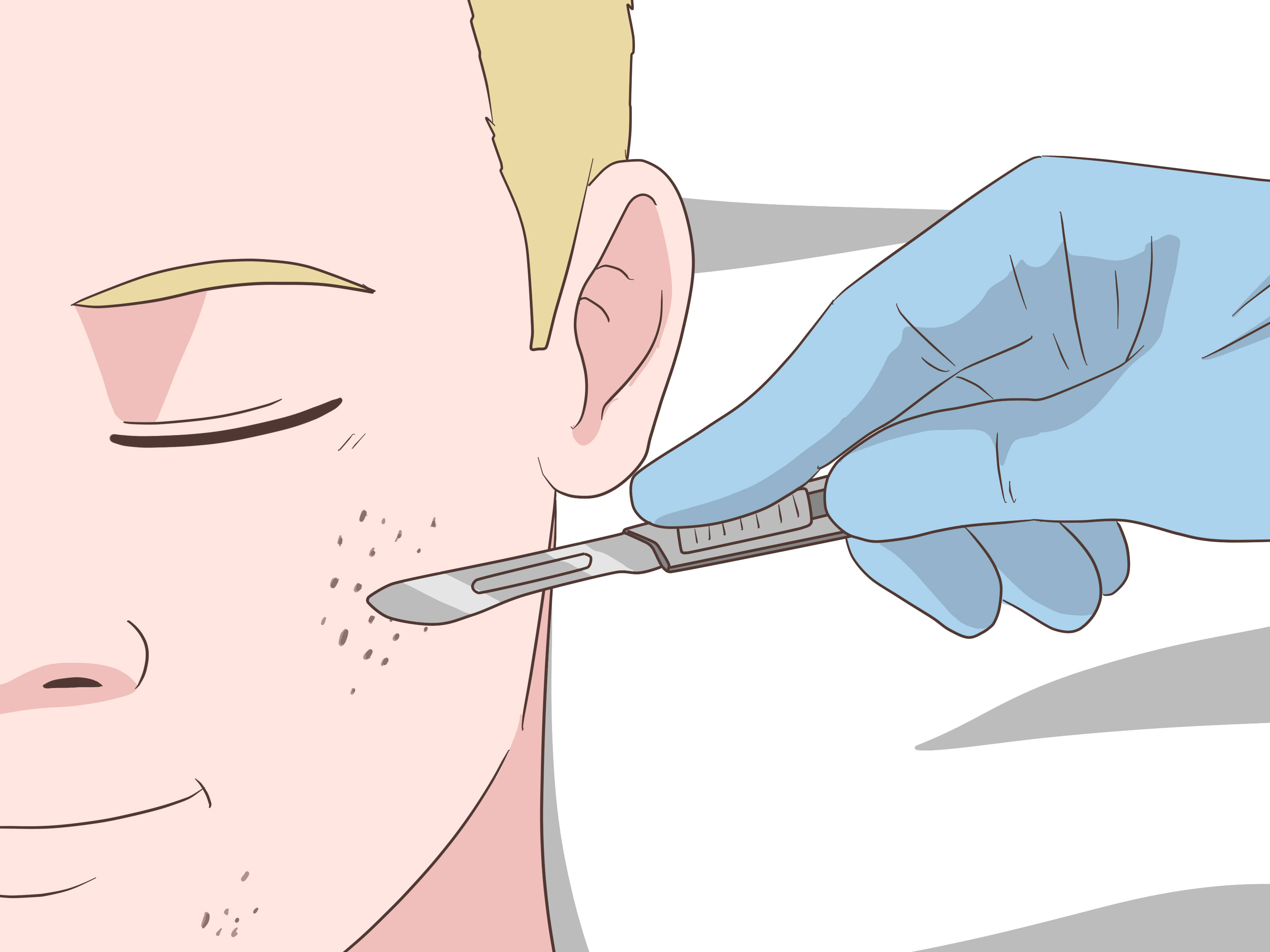
For one extremely painful or important-event-ruining cyst, an intralesional corticosteroid injection is generally the fastest medical option. A dermatologist injects a very small amount of anti-inflammatory medication directly into the lesion.
The injection can rapidly reduce swelling, pain, and redness. According to the American Academy of Dermatology, most treated acne nodules or cysts flatten within approximately 48 to 72 hours. Some people notice visible improvement sooner, although results vary.
What happens during the appointment?
The dermatologist first confirms that the bump is acne rather than a boil, inflamed epidermoid cyst, or another skin condition. The area is cleaned, and a fine needle is used to deliver the medication. The procedure usually takes only a few minutes.
Dermatologists carefully control the concentration and amount injected. Too much corticosteroid can cause temporary skin thinning, discoloration, or an indentation, which is one excellent reason not to experiment with needles at home. Your bathroom mirror is not a licensed dermatology clinic, even if the lighting is impressive.
What about draining the cyst?
In selected cases, a dermatologist may perform incision and drainage. Timing and technique matter, so this should never be attempted with a pin, lancet, sewing needle, or anything discovered in the back of a bathroom drawer. Improper drainage can push inflammation deeper, introduce infection, and increase scarring.
2. Use Warm Compresses and Brief Cooling for Immediate Relief
When you cannot see a dermatologist immediately, compresses can make a deep, painful pimple more comfortable while it heals.
Apply a warm, damp compress
Soak a clean washcloth in comfortably warm water, wring it out, and hold it against the cyst for 10 to 15 minutes. The American Academy of Dermatology recommends repeating this process about three times daily. Warmth may help a deep lesion move closer to the surface while easing tenderness.
Use a freshly cleaned washcloth each time. The water should be warm, not hot enough to cook pasta or your face. Excessive heat can irritate the skin and make redness more noticeable.
Use cold for swelling and pain
If the cyst feels especially swollen or throbs, brief cooling may help. Wrap an ice cube or cold pack in a soft, clean cloth and apply it for short intervals. Never place ice directly on bare skin, and stop if the area becomes numb, unusually pale, or increasingly uncomfortable.
Cooling will not cure cystic acne, but it can temporarily reduce inflammation and pain. Think of it as crowd control, not a permanent eviction notice.
Do not alternate extreme heat and extreme cold
More intensity does not mean more healing. Use gentle warmth when trying to encourage natural healing and brief cooling when pain or swelling is the main concern. Avoid repeatedly shocking the skin with very hot and very cold temperatures.
3. Start an Evidence-Based Topical Acne Routine
Over-the-counter products cannot reliably eliminate a large cyst overnight, but they can support healing and help prevent new clogged follicles. The most useful ingredients include benzoyl peroxide, adapalene, salicylic acid, and azelaic acid.
Morning: benzoyl peroxide
Benzoyl peroxide reduces acne-associated bacteria and helps address clogged pores. A lower-strength product is often a reasonable place to begin because stronger formulas may create more irritation without providing dramatically better results.
Apply a thin layer to the acne-prone area rather than piling it only on the visible cyst. Acne medication works best when it treats the zone where breakouts develop, including the microscopic blockages you cannot yet see.
Benzoyl peroxide can cause dryness, redness, or peeling. It can also bleach towels, pillowcases, collars, and other fabrics. In other words, it fights acne and occasionally redecorates your linens.
Evening: adapalene
Adapalene is a topical retinoid that helps keep follicles from becoming clogged. It is better at preventing future lesions than performing an overnight disappearing act on an existing cyst.
After gently washing and drying your face, spread a pea-sized amount across the entire acne-prone area. Beginners may use it two or three nights per week and gradually increase the frequency as tolerated. Follow with a fragrance-free, noncomedogenic moisturizer.
Dryness and mild peeling are common during the adjustment period. Using adapalene seven times in one evening will not produce seven times the benefit. It will mostly produce regret.
Pregnancy warning: Avoid topical retinoids such as adapalene and tretinoin during pregnancy unless a qualified clinician specifically advises otherwise. Oral isotretinoin must also be avoided during pregnancy because of its severe risk to a developing fetus.
Where salicylic acid fits
Salicylic acid exfoliates inside the pore and may help with blackheads, whiteheads, and mild inflammatory acne. It is less likely to flatten a deep cyst by itself, but it can be useful in a broader prevention routine.
Avoid launching benzoyl peroxide, adapalene, salicylic acid, exfoliating toner, scrub, and three mystery serums on the same night. Introduce one treatment at a time so you can identify irritation and give your skin a chance to adjust.
Keep the rest of the routine boring
During a cystic breakout, boring skin care is beautiful. Use a gentle cleanser, noncomedogenic moisturizer, and broad-spectrum sunscreen with an SPF of at least 30. Wash once or twice daily and after heavy sweating, but do not scrub.
Overwashing strips the skin barrier and can increase irritation. Acne is not proof that your face is dirty, and it cannot be intimidated into leaving with a rough washcloth.
4. Get Prescription Treatment for Repeated or Severe Cysts
If cysts keep returning, treating them one at a time becomes a frustrating game of dermatological whack-a-mole. The quickest path to lasting improvement is often a personalized prescription plan.
Oral antibiotics
Dermatologists may prescribe doxycycline, minocycline, sarecycline, or another oral antibiotic for moderate to severe inflammatory acne. These medications reduce inflammation and bacterial activity but are generally used for limited periods.
Antibiotics should not be used casually or as permanent solo therapy. Dermatology guidelines recommend combining them with treatments such as benzoyl peroxide to improve results and reduce the risk of antibiotic resistance.
Hormonal treatment
For some women, recurring cysts along the chin and jawline are influenced by hormones. Depending on medical history, a clinician may recommend certain combined oral contraceptives or spironolactone.
Hormonal medication is not appropriate for everyone and does not work overnight. However, it can be extremely helpful when breakouts follow a menstrual pattern or occur alongside symptoms such as irregular periods or excess facial hair. Those additional symptoms should be discussed with a healthcare professional because they may suggest an underlying hormonal condition.
Isotretinoin
Isotretinoin is one of the most effective treatments for severe, scarring, or treatment-resistant nodular and cystic acne. It reduces oil production and affects several processes involved in acne formation.
Treatment usually lasts for months and requires medical supervision, laboratory monitoring in some patients, and strict pregnancy-prevention requirements for anyone who can become pregnant. It is not a quick fix for tonight’s cyst, but it may be the treatment that finally stops the recurring cycle.
What Not to Put on an Acne Cyst
Desperation has inspired some creative acne remedies. Unfortunately, creativity and dermatology do not always make good roommates.
Do not squeeze or puncture it
Squeezing can rupture the follicle wall beneath the skin and spread inflammatory material into nearby tissue. That may enlarge the lesion, delay healing, produce dark marks, and increase the likelihood of permanent scarring.
Skip toothpaste
Toothpaste is designed for teeth, which conveniently do not have a skin barrier. Flavorings, detergents, whitening ingredients, and other components may cause irritation without treating the causes of cystic acne.
Avoid crushed aspirin masks
Aspirin is not the same thing as a properly formulated salicylic acid acne product. A homemade aspirin paste can create an uneven concentration and irritate or injure the skin.
Do not use rubbing alcohol or harsh scrubs
Drying the surface until it squeaks does not remove a deep blockage. Alcohol-heavy products and abrasive scrubs can weaken the skin barrier, intensify inflammation, and make prescribed treatments harder to tolerate.
When Should You See a Dermatologist?
Schedule an appointment when you have multiple cysts, recurring painful breakouts, acne that leaves scars or persistent dark marks, or no meaningful improvement after several weeks of consistent over-the-counter treatment.
Seek prompt medical attention if a bump rapidly enlarges, becomes unusually hot, drains extensively, causes spreading redness, or appears with fever. It may be an infection or a condition other than acne.
You should also seek professional guidance before treating acne during pregnancy, while breastfeeding, or when taking medications that could interact with acne treatments.
Frequently Asked Questions
Can a hydrocolloid patch remove an acne cyst?
A hydrocolloid patch may protect the area from touching and absorb fluid if a lesion has opened. It cannot pull the contents out of a deep, closed cyst through intact skin. Its greatest superpower may be stopping your fingers from conducting unauthorized investigations.
How long does an untreated acne cyst last?
A deep cyst may remain noticeable for days or several weeks. Duration varies according to its size, depth, inflammation level, and whether it is repeatedly squeezed or irritated.
Does ice make a cyst disappear?
No. Ice may temporarily reduce pain, redness, and swelling, but it does not clear the clogged follicle or prevent future acne.
Can diet cure cystic acne?
No single food reliably cures a cyst. Some people notice that certain dietary patterns affect their acne, but diet should complement rather than replace proven medical treatment. A food diary may help identify repeatable personal patterns without blaming every breakout on the last slice of pizza.
Experience-Based Lessons: A Realistic Two-Week Acne-Cyst Reset
The following is a composite, experience-based scenario designed to show how a sensible cystic acne routine often unfolds. It is not the medical history of one specific patient.
Day 1: The panic phase
A painful bump appears near the jaw. It feels enormous, although the bathroom mirror may be participating in emotional exaggeration. The first instinct is to squeeze it. The better decision is to leave it alone, cleanse gently, and apply a warm compress for 10 to 15 minutes.
If the cyst is throbbing, a wrapped cold pack is used briefly afterward. By bedtime, the bump still exists, but the discomfort is lower. That counts as progress. Fast treatment often begins with reducing inflammation rather than demanding instant invisibility.
Days 2 and 3: Resist the product avalanche
The cyst may look slightly flatter, unchanged, or even more noticeable before it improves. This is where people often add multiple acids, drying masks, and aggressive scrubs. A better routine stays simple: gentle cleanser, benzoyl peroxide in the morning, moisturizer, and sunscreen. Adapalene is used in the evening if it is already part of the routine and is medically appropriate.
The cyst is not inspected every 11 minutes. Constant touching introduces oil and friction, while constant mirror checks make normal healing feel suspiciously slow.
Days 4 through 7: Look beyond the single bump
The original lesion begins to soften or flatten, but a second tender area may appear nearby. This demonstrates an important lesson: visible pimples are only part of the acne process. New follicles may have started clogging before the first cyst appeared.
Instead of spot-treating only the largest bump, acne medication is applied in a thin layer across the entire breakout-prone zone. The user also checks hair products, makeup, sunscreen, helmet straps, phone contact, and pillowcases for avoidable irritation. None of these changes performs a miracle, but together they reduce unnecessary obstacles.
Week 2: Evaluate patterns, not perfection
By the second week, the first cyst may be much flatter, although a red or brown mark can remain. That discoloration is not necessarily active acne. Picking at it will not remove the mark and may restart inflammation.
The useful questions are now broader: Are new cysts still forming? Does the skin feel painfully dry? Are breakouts concentrated around the jawline? Do they appear before each menstrual period? Are they leaving indentations or thick scars?
If new painful cysts continue to appear, the routine has not “failed.” It may simply be insufficient for the severity or cause of the acne. This is the point where a dermatologist can prescribe combination treatment, evaluate hormonal factors, or discuss isotretinoin for severe disease.
The biggest lesson from the process
The fastest safe approach is rarely the harshest one. People commonly make better progress after they stop changing products every few days, stop squeezing deep lesions, and follow a consistent plan long enough to evaluate it.
For an isolated emergency cyst, a dermatologist-administered corticosteroid injection offers the most rapid visible improvement. For recurring cystic acne, consistency and prescription care usually matter more than any viral overnight hack. Skin prefers a calm project manager, not a panicked demolition crew.
Conclusion
There is no guaranteed way to erase an acne cyst in a few hours, but you can accelerate safe healing. A dermatologist’s corticosteroid injection is the fastest option for a large, painful lesion. At home, use gentle warm compresses, brief cooling for discomfort, evidence-based topical treatments, and hands-off skin care.
When cysts recur, leave scars, or resist over-the-counter treatment, seek professional help early. Treating the underlying acne is far more effective than fighting each new bump after it has already established a tiny underground headquarters.














