
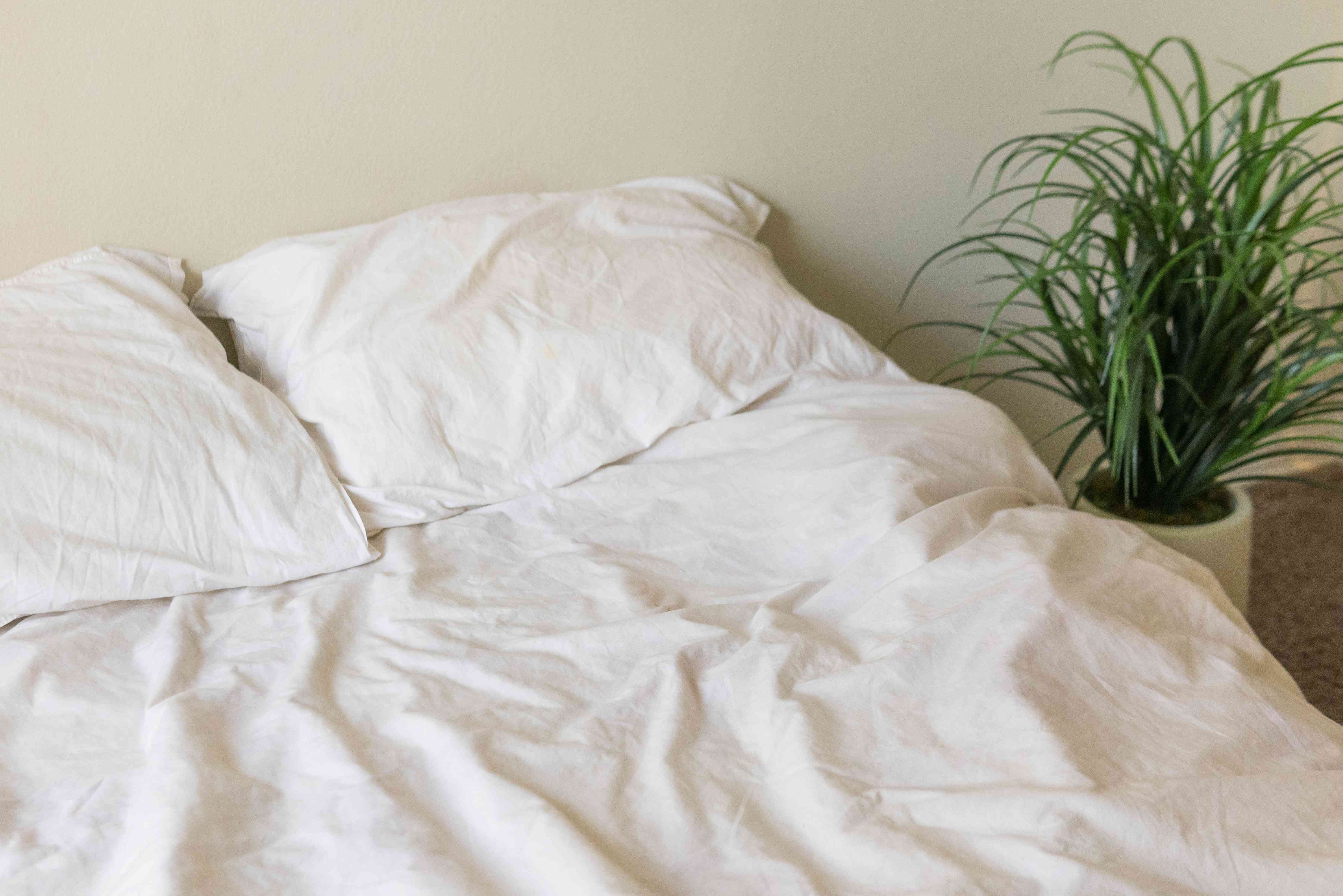
Nothing ruins the “fresh bed” fantasy like sheets that feel like crispy printer paper. The good news: most scratchy,
stiff, or crunchy sheets aren’t doomedthey’re just coated. Coated with factory finishes, coated with detergent
residue, coated with hard-water minerals, coated with body oils… basically, your sheets are wearing a tiny,
invisible raincoat and calling it “texture.”
This guide walks you through smart, fabric-safe ways to soften your sheetsstarting with quick fixes and ending with
deep-clean “reset” methods when your bedding needs a fresh start. Along the way, we’ll keep it practical, specific,
and lightly humorous, because laundry is already serious enough.
Why Sheets Get Stiff (So You Can Fix the Real Problem)
“Soft” is mostly about fiber flexibility. When fibers are weighed down by residue or damaged by heat and friction,
they feel rougher. Here are the usual culprits:
- Factory finishes: New sheets often carry sizing or coatings used during manufacturing to help fabric look crisp on shelves.
- Detergent buildup: Too much detergent doesn’t rinse out well, especially in high-efficiency washers or with short cycles.
- Hard water minerals: Calcium and magnesium can cling to fibers, making sheets feel dull and stiff over time.
- Body oils + skincare: Lotions, sweat, and natural oils build up (hello, pillowcases) and can trap detergent residue too.
- Overdrying: High heat and extra-long dry times can “bake” fibers, leaving them crunchy and more prone to pilling.
- Overuse of fabric softener/dryer sheets: They can leave a waxy coating. Sometimes that feels silky short-term, but it can also trap buildup long-term.
Start Here: The 10-Minute Softness Checklist
Before you break out the science-fair ingredients, run through this quick checklist. It solves a surprising number
of “my sheets are sandpaper” complaints.
- Wash sheets alone. Zippers, hooks, and heavy fabrics create friction and pilling.
- Don’t overload. Sheets need room to move so water can rinse out residue.
- Use less detergent than you think. If your sheets feel stiff, the solution is often less, not more.
- Add an extra rinse. Especially helpful for hard water, sensitive skin, or heavy detergent users (no judgmentpods are persuasive).
- Dry on low and don’t overdry. Pull them out when just-dry, not “baked desert cracker.”
- Shake them out before drying. It fluffs fibers and reduces wrinkles.
Know Your Fabric: Softness Depends on What Your Sheets Are Made Of
Not all sheets soften the same way. Some get softer with washing; others get cranky with heat. Check your care label,
then use these general guidelines:
Cotton (Percale, Sateen, Jersey)
- Percale: Crisp, cool, often softens noticeably after several washes.
- Sateen: Usually feels smoother right out of the package, but can be more sensitive to high heat.
- Jersey knit: T-shirt softness, typically easygoingavoid high heat to prevent pilling.
Linen
Linen is famous for starting a little stiff and becoming wonderfully soft over time. Think of it as the “slow burn”
of bedding. Gentle washing, patience, and avoiding harsh heat are your best friends.
Microfiber / Polyester Blends
These can feel soft initially but may turn grabby or stiff if coated with detergent residue or dried too hot.
Extra rinses and lower heat help a lot.
The “First-Wash Reset” for New (or Weirdly Stiff) Sheets
If your sheets are brand newor they feel stiff no matter what you doyour first goal is to remove finishes and
trapped residue without adding new gunk on top.
Option A: Baking Soda Wash + Vinegar Rinse (A Classic Softness Reset)
- Wash cycle: Run a warm cycle with 1 cup baking soda and no detergent.
- Rinse cycle: Run a cold rinse with ½ cup distilled white vinegar in the fabric softener dispenser (or add at rinse if your machine allows).
- Dry: Low heat. Remove promptly.
Why it works: baking soda helps loosen residues and odors; vinegar can help dissolve leftover detergent and mineral
buildup during the rinse. Important note: vinegar is best as an occasional helper, not an everyday habitespecially
if you’re concerned about long-term wear on machine parts.
Option B: Two-Wash Method (Gentler on Finicky Fabrics)
If you don’t love combining ingredients in one go, do two separate cycles:
- Cycle 1: Hot or warm wash with 1 cup vinegar (no detergent).
- Cycle 2: Hot or warm wash with ½ cup baking soda (no detergent).
This is a good choice when your sheets feel coated and you want a reset without doing a long soak.
Your Everyday “Soft Sheets” Wash Routine (That Doesn’t Rely on Magic)
Once your sheets are reset, softness is mostly maintenance. Here’s the routine that keeps fibers comfy without
building up residue.
1) Use the Right Detergent Amount (Yes, Really)
The most common mistake is overdosing detergent. In many washers, especially HE models, excess soap doesn’t rinse out
fully. It clings to fibers, grabs minerals, and leaves fabric feeling stiff. Start by reducing detergent by about a
third for a few washes and see how your sheets feel. If they still come out clean and smell neutral, you’ve found
your sweet spot.
2) Choose Warm or Cool Water (Unless You Have a Specific Reason Not To)
Hot water can be useful for certain deep cleans, but routine washing in cool-to-warm water is often kinder to fibers.
Over time, gentler temps can help reduce wear that contributes to roughness and pilling. If you’re dealing with heavy
oils or stubborn residues, warm water plus an extra rinse is a good middle ground.
3) Add an Extra Rinse (Your Secret Weapon)
If your sheets feel “squeaky,” “waxy,” or “oddly stiff,” add an extra rinse for a few loads. It’s especially useful
when you have hard water, sensitive skin, or you’ve been using too much detergent. Think of it as the bouncer who
escorts leftover soap out of the club.
4) Consider a Fabric Rinse Instead of Traditional Softener
If the main issue is residuedetergent, minerals, body soilsa fabric rinse product designed to remove buildup in the
rinse cycle can improve softness without leaving the same kind of coating as many traditional softeners. This can be
a great option if you want “soft” but not “perfume-y film.”
5) Skip Fabric Softener More Often Than You Use It
Fabric softener can make sheets feel smoother, but overuse may contribute to buildup in both fabric and washer. If
you love it, use it occasionally and measure carefully. If you’re trying to maximize breathable, clean-feeling
softness, focus on removing residue rather than adding it.
Drying Matters: How to Get Soft Sheets Without Turning Them Into Crunch
Use Low Heat (and Don’t Overdry)
High heat is the fast lane to roughness and pilling. Dry on low or medium-low, and pull sheets out as soon as they’re
dry. If your dryer has moisture sensors, keeping them clean and avoiding heavy residue from dryer sheets can help the
machine stop at the right time.
Add Wool Dryer Balls
Wool dryer balls help by separating fabric, increasing airflow, reducing drying time, and softening through gentle
agitation. They’re especially helpful for sheet sets that like to twist into one giant bedsheet burrito.
Try the “Line Dry + Fluff” Combo
If you like line drying but hate the stiff feel, do this: line dry until almost dry, then tumble on low with dryer
balls for 10–15 minutes. You get the freshness of air drying with the softness boost of gentle tumbling.
When Softness Is Gone-Gone: Deep Clean Your Sheets (Laundry Stripping)
If your sheets feel greasy, sticky, dingy, or stubbornly stiffespecially in hard waterit may be time for a deeper
clean. Laundry stripping is basically a detox soak that pulls out layers of buildup from detergent, softener, oils,
and minerals.
Basic Laundry Stripping Recipe (Bathtub Method)
For a standard tub of hot water, a common ratio is:
- ¼ cup borax
- ¼ cup washing soda (sodium carbonate, not baking soda)
- ½ cup heavy-duty laundry detergent
How to Strip Sheets Safely
- Fill the tub with very hot water.
- Dissolve the ingredients fully before adding sheets.
- Soak 4–6 hours, stirring occasionally (a clean spoon or gloved hands work).
- Drain and rinse, then wash once normally (small amount of detergent) and add an extra rinse.
- Dry low with dryer balls.
Important: Stripping is not for every fabric. Avoid it for wool, silk, anything labeled “delicate,”
and stretchy performance fabrics. Also: this is a “once in a while” tool, not a weekly hobby. If you strip too often,
you can shorten the life of your sheets.
Sheet Softening Troubleshooting (Because Laundry Is a Mystery Novel)
Problem: “My sheets feel stiff after I wash them.”
- Cut detergent amount.
- Add an extra rinse.
- Try a one-time baking soda wash (no detergent) + vinegar rinse.
- If you have hard water, consider a water softening approach (or occasional stripping).
Problem: “They’re soft… but kind of waxy or greasy.”
- Reduce or pause fabric softener/dryer sheets for a few cycles.
- Run a fabric-rinse product designed to remove residues.
- Do a deep clean/strip if it’s been months and buildup is heavy.
Problem: “They’re crunchy out of the dryer.”
- Lower dryer heat and shorten drying time.
- Remove promptly and shake out.
- Add dryer balls to reduce tangling and overdrying hot spots.
Problem: “They pill and feel rough even when clean.”
- Wash sheets alone, inside out if possible.
- Avoid heavy-duty cycles unless absolutely necessary.
- Dry low and avoid overdrying.
- Consider that some fabrics (or lower-quality weaves) pill more easily over time.
Prevent Stiffness Long-Term: Your “Soft Sheet” Habits
- Rotate 2–3 sheet sets so one set isn’t taking all the friction forever.
- Wash weekly (more often for pillowcases if you use skincare or hair products).
- Clean your washer periodicallybuildup in the machine becomes buildup on your fabric.
- Avoid “more product = more clean” thinking. Detergent and softener are not frosting.
- Choose sheets that naturally soften. Percale and linen often improve with washing; sateen often feels soft right away.
Quick “Soft Sheets” Routine You Can Save
- Wash sheets alone on cool-to-warm, gentle/normal.
- Use a modest amount of detergent; avoid overdosing.
- Add an extra rinse if sheets feel stiff or you have hard water.
- Dry on low, remove promptly, and use wool dryer balls.
- Do a baking soda + vinegar reset occasionally (not every load).
- Strip wash only when you truly have buildup (a few times a year at most, if needed).
Real-World Experiences: What Softening Sheets Looks Like in Actual Homes (Not Laundry Commercials)
You can read all the tips in the world, but the “aha” moments usually happen when your sheets start acting like
they’re mad at you personally. Here are some common, very relatable scenarios people run intoand what tends to work.
(If you recognize yourself here, congratulations: you’re normal.)
Experience #1: “I moved, and suddenly my sheets feel like cardboard.”
This one is classic hard water whiplash. Your old place had softer water, your new place has more minerals, and your
detergent is now bonding with calcium like it’s a rom-com couple. The sheets come out clean-ish, but stiff and dull,
and they seem to hold onto detergent smell even after drying.
What usually helps: cutting detergent back, adding an extra rinse, and doing a one-time reset wash (baking soda wash
with no detergent, followed by a vinegar rinse). If you’re seeing the stiffness return quickly, occasional deep
cleaning (like laundry stripping) can pull out what your washer can’t rinse away. Long-term, people often find that
adjusting detergent amounts and using a rinse-focused product makes a bigger difference than endlessly chasing softness
with dryer sheets.
Experience #2: “I started using pods and my sheets got stiffbut my clothes are fine.”
Pods are convenient, but they’re also pre-measured for a “typical” load. Sheets are bulky and love to wrap into a
tight ball, which can reduce rinsing efficiency. So the detergent dissolves… and then some of it stays. The result is
bedding that feels a little crunchy or “squeaky” even when it looks clean.
What usually helps: switching to liquid or powder so you can use a smaller dose, washing sheets alone, and adding an
extra rinse. Some people keep pods for clothing but go “less detergent, more rinse” for bedding. It’s not betrayal.
It’s strategy.
Experience #3: “My new linen sheets feel stiff and I’m questioning my life choices.”
Linen is the slow-cooking stew of bedding: it gets better with time. Early on, it can feel crisp, textured, or even
slightly scratchyespecially if it still has manufacturing residue. The temptation is to throw every softening product
at it like you’re seasoning a soup. But too much product can backfire and leave a coating that fights linen’s natural
softening process.
What usually helps: a gentle first-wash reset (baking soda wash, then vinegar rinse), followed by regular washing on a
mild cycle and low-heat drying. The biggest change comes after several wash cycles. People often report that around
the “few weeks in” point (depending on how often they wash), linen goes from “rustic” to “relaxed, airy, and weirdly
addictive.”
Experience #4: “My sheets are soft out of the washer… then crunchy after the dryer.”
This is often overdrying. If sheets stay in the dryer long after they’re dry, fibers overheat and stiffen. It’s like
leaving toast in the toaster until it’s a crouton. You can also get hot spots when sheets twist into a ropesome
parts overdry while others stay damp, and you keep running the cycle “just a little longer,” which is how the crunch
wins.
What usually helps: dryer balls (to keep fabric separated), low heat, and pulling sheets out promptly. Some people
intentionally stop the dryer when sheets are almost dry, then let them finish air drying on the bed for 10 minutes.
Bonus: that method also reduces wrinkles and makes your bedroom smell like “I have my life together,” even if you’re
currently eating cereal for dinner.
Experience #5: “I used fabric softener for months and now my sheets feel… coated.”
Fabric softener can feel luxurious at first, but it can build upespecially if you’re also using dryer sheets. The
feel shifts from “smooth” to “waxy,” and odors can cling because residues trap body oils. People often notice it most
on pillowcases, where skincare and hair products join the party.
What usually helps: taking a break from softener and running a residue-removal approach instead (extra rinse, baking
soda wash, a fabric rinse, or a deep clean/strip if it’s intense). After the buildup is removed, many people find
they don’t need much softener at allor they reserve it for occasional use. The big lesson: softness is better when
it comes from clean, flexible fibers, not from layers of product acting like a temporary filter.
The theme across all these experiences is simple: when sheets feel rough, the fix is usually less product,
more rinsing, gentler drying. Once residue is gone and heat is under control, most fabrics soften naturally
with timeno wizard spells required.
Conclusion
If you want softer sheets, think like a fiber detective: remove residue, reduce overdrying, and let the fabric do its
job. Start with the easy winsless detergent, extra rinse, low heatand use baking soda/vinegar resets or laundry
stripping only when you truly need a “fresh start.” Your reward is bedding that feels softer, breathes better, and
makes getting out of bed slightly more difficult (which is, honestly, the dream).














