
A foggy windshield has a special talent: it waits until you are already late, then turns your clear view of the road into a blurry watercolor painting. One minute you are ready to drive; the next, you are peering through a tiny clear patch like a submarine captain with a very questionable navigation system.
The good news is that removing fog from a car windshield is usually simple once you know whether the moisture is on the inside or outside of the glass. The best DIY methods are less about magic sprays and more about managing temperature, airflow, humidity, and clean glass. In most cases, your vehicle’s defroster, air conditioner, fresh-air setting, wipers, and a microfiber towel can solve the problem faster than you can say, “Why is this happening again?”
Before anything else, remember the golden rule: do not drive until your windshield is clear enough to see safely. Fog can distort headlights, hide pedestrians, make lane lines disappear, and turn a simple commute into an unnecessary guessing game. Vehicle defroster problems are considered a safety issue because reduced windshield visibility can increase crash risk.
Why Does a Car Windshield Fog Up?
Windshield fog is condensation. It happens when moist air touches glass that is colder than the air’s dew point, causing water vapor to become tiny droplets. That is the same basic reason a cold drink “sweats” on a humid day. The higher the moisture level in the air, the easier it is for condensation to form.
Inside your car, the usual troublemakers are warm breath, wet shoes, rainy jackets, damp floor mats, snow-covered boots, pets, gym bags, and that forgotten umbrella rolling around in the trunk like it pays rent. Outside fog is more common in warm, humid weather when your air conditioner cools the windshield below the outdoor dew point.
How to Tell Whether the Fog Is Inside or Outside
- Fog on the inside: It will not disappear when you use the windshield wipers. It usually worsens when passengers are breathing heavily, the cabin is humid, or recirculation mode is on.
- Fog on the outside: Your wipers clear it temporarily. It often appears in humid summer weather when the windshield is chilled by the A/C.
- Frost or ice: This is not fog. It needs scraping, defrosting, and a little patiencenot a frantic sleeve wipe that makes the windshield look like abstract art.
How to Remove Fog from a Car Windshield Quickly
1. Turn On the Front Defroster
Your front defroster is the first button to press when the inside of your windshield fogs up. It sends airflow directly toward the glass, helping warm and dry the surface. Set the fan speed high and aim all available airflow at the windshield instead of your feet, face, or dashboard decorations.
For most vehicles, the fastest starting setup is:
- Front defroster on
- Fan speed on high
- Temperature set warm or hot
- Air conditioning switched on
- Recirculation switched off
This combination may seem strange at first. Why run heat and air conditioning together? Because the A/C system removes moisture from the air while the heater warms the air. Warm, dry air can absorb and evaporate more moisture from the windshield than cold, damp air can. AAA and automotive maintenance sources commonly recommend using A/C with defrost mode because it helps dehumidify cabin air.
2. Turn Off Recirculation Mode
Recirculation mode keeps cabin air circulating inside the vehicle. That is useful when you are trying to cool down a hot car quickly or avoid smoke and odors outside. It is not ideal when your windshield is fogging from the inside.
When recirculation is active, the humidity created by breathing, wet clothing, and damp carpeting can stay trapped inside the cabin. Switch to fresh-air mode so your HVAC system can bring in outside air and reduce the concentration of moist cabin air. Think of it as opening a window for your car’s lungs.
3. Crack a Window Slightly
If your windshield is still fogging up, open one or two windows slightly for a minute or two. This allows humid air to escape and helps balance the temperature and moisture levels inside and outside the vehicle.
You do not need to create a wind tunnel or give your passengers a surprise winter facial. Even a small crack can help when the cabin is full of moisture, especially after people enter with wet clothes or snow-covered shoes.
4. Use the Windshield Wipers for Exterior Fog
If the fog is on the outside of the windshield, your wipers are the fastest answer. Use the washer fluid if the glass is dirty, dusty, or coated with road grime. A clean windshield clears more evenly and creates less glare from headlights at night.
Exterior fog often occurs in humid weather when the windshield becomes colder than the outdoor air. If it keeps returning, reduce the intensity of your A/C, raise the cabin temperature slightly, or use the windshield defogger setting to help bring the glass temperature closer to the outside conditions.
5. Wipe the Inside Glass Only When Parked
Keeping a clean microfiber towel in the car is one of the simplest DIY windshield fog solutions. If your windshield suddenly fogs while parked, wipe the interior glass gently with a clean, dry microfiber cloth.
Do not use your hand, sleeve, napkin, fast-food receipt, or the mysterious crumpled paper living in your cup holder. Fingers leave oils behind, and oily residue can make future fogging worse. A dirty towel can also smear the glass instead of clearing it.
If you must wipe the windshield while driving, pull over safely first. A few seconds of impaired vision is not worth gambling with traffic, cyclists, pedestrians, or a very determined shopping cart in a parking lot.
Best DIY Methods to Prevent Windshield Fog
Clean the Inside of the Windshield Regularly
A dirty windshield fogs more easily because oils, dust, smoke residue, dashboard vapors, and fingerprints give moisture something to cling to. This is why a windshield can look perfectly fine during the day but suddenly turn hazy at night when headlights hit it.
Use an automotive glass cleaner and a clean microfiber cloth. Spray the cleaner onto the cloth instead of directly onto the windshield to reduce overspray on the dashboard. Wipe in overlapping strokes, then buff the glass dry with a second microfiber towel.
Avoid heavy household cleaners, greasy polishes, or random social-media “hacks” that leave residue behind. Your windshield is not a bathroom mirror, a baking sheet, or a science fair project.
Remove Moisture from the Cabin
Fog is usually a moisture problem before it becomes a windshield problem. Make it harder for condensation to form by reducing dampness inside the vehicle.
- Take wet umbrellas, towels, and gym clothes out of the car.
- Shake snow and rainwater off floor mats when possible.
- Dry soaked carpet and upholstery quickly.
- Check under seats and in the trunk for water leaks.
- Use washable all-weather floor mats during rainy or snowy seasons.
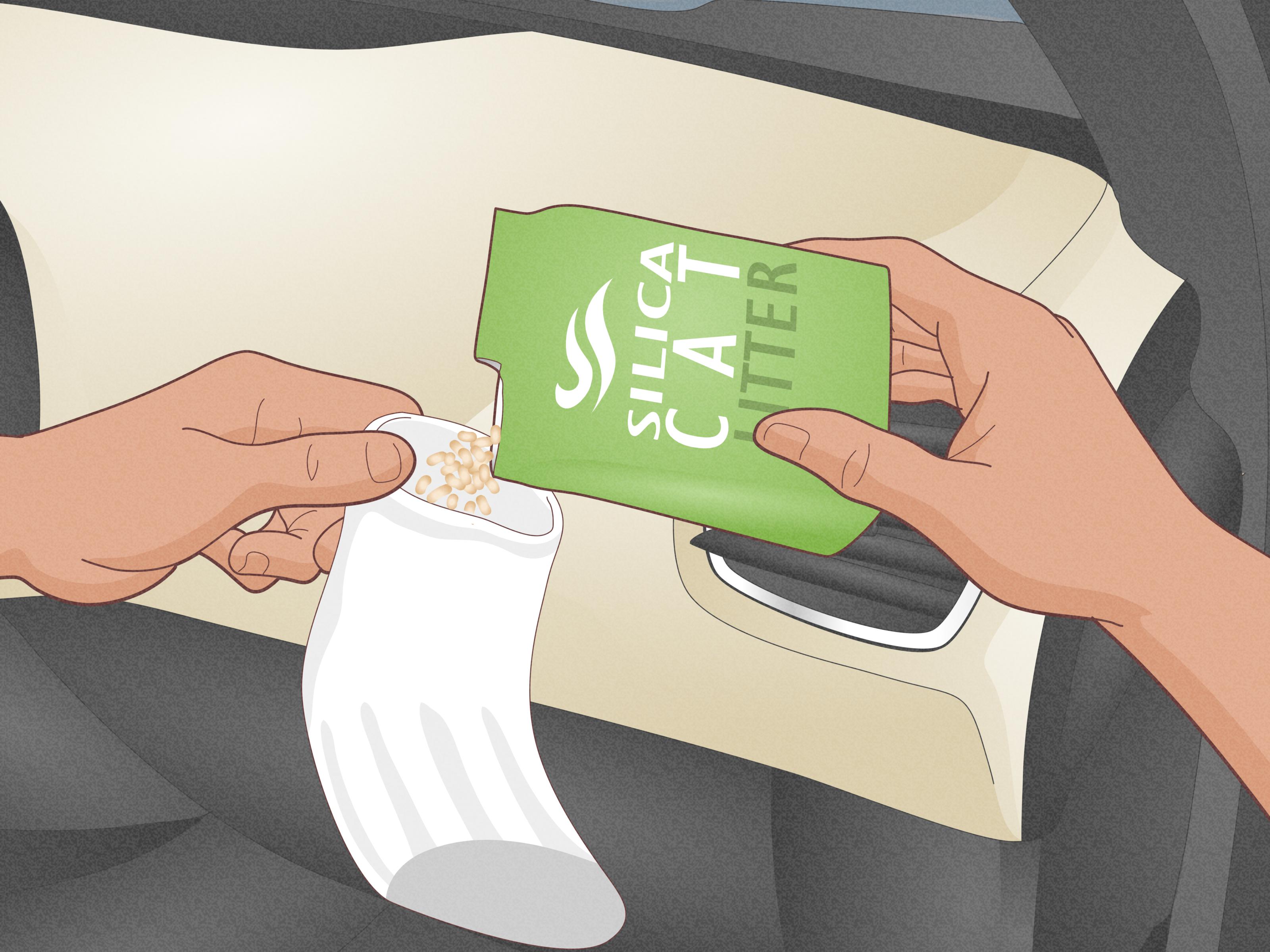
A small vehicle dehumidifier or moisture absorber can help during humid months, especially if you park outside. However, it should be a backup tool, not a substitute for fixing a water leak. Persistent condensation may signal wet carpeting, poor door seals, a clogged drain, or an HVAC issue.
Check the Cabin Air Filter
A clogged cabin air filter can reduce airflow from the vents and make your defroster less effective. If your windshield takes forever to clear, your vents smell musty, or airflow seems weaker than usual, inspect or replace the cabin air filter according to your vehicle’s maintenance schedule.
Weak airflow is especially annoying during rainstorms because that is when your windshield decides it would like to become a humid greenhouse. Trouble clearing a foggy windshield can be one sign of a restricted cabin air filter.
Use an Anti-Fog Treatment Carefully
Commercial anti-fog products can reduce interior windshield condensation by leaving a thin treatment layer that helps moisture spread more evenly instead of forming tiny vision-blocking droplets. Follow the product instructions closely and test it on a small corner of the interior glass first.
A dedicated automotive anti-fog treatment is generally a safer choice than improvising with dish soap, shaving cream, oils, or homemade mixtures. Homemade methods can leave streaks, cause glare, or create a film that becomes obvious at night. Your windshield should be clearnot coated in a mystery layer with the optical quality of a greasy pizza box.
What Not to Do When Your Windshield Is Foggy
Do Not Blast the Windshield with Boiling Water
Boiling water is a bad solution for frost, ice, or fog. A sudden temperature change can stress cold glass and potentially crack it. Use your defroster, a proper ice scraper, and a windshield-safe de-icer instead.
Do Not Drive with a Tiny “Peek Hole”
Clearing only a small patch in front of the driver is not enough. You need clear visibility across the windshield, side windows, and mirrors. A narrow clear area may hide pedestrians, cyclists, lane changes, road signs, and vehicles approaching from the side.
Do Not Ignore Sweet Smells or Greasy Film
If the windshield keeps fogging and you notice a sweet smell from the vents, greasy residue on the glass, damp floor mats, coolant loss, or weak heat, have the vehicle inspected. Those can be warning signs of a leaking heater core or cooling-system issue.
Do Not Leave Wet Items in the Car for Days
A damp jacket or soaked floor mat can keep releasing moisture into the cabin long after the rain stops. If your car fogs every morning, it may not be “just the weather.” It may be your interior quietly storing enough humidity to launch its own tropical climate.
Best Windshield Defogger Settings for Different Weather
Cold or Rainy Weather
- Use front defrost mode.
- Turn the fan speed high.
- Use warm air.
- Turn A/C on to dry the air.
- Turn recirculation off.
- Crack a window briefly if fog remains.
Hot and Humid Weather
- Use windshield wipers if the fog is outside.
- Use washer fluid if the windshield is dirty.
- Raise the A/C temperature slightly if the glass is extremely cold.
- Use fresh-air or defog mode if moisture keeps returning.
- Keep the windshield clean to reduce streaking and glare.
Frost or Ice on the Windshield
- Start the vehicle and activate front and rear defrosters.
- Use a plastic ice scraper after the frost begins to loosen.
- Clear snow from the roof, hood, and windshield before driving.
- Make sure wiper blades are free before turning them on.
- Never use boiling water on cold glass.
When a Foggy Windshield Means You Need a Repair
Most fogging is normal, especially during rain, winter, or humid weather. But frequent or unusually heavy fog can point to a vehicle problem. Schedule an inspection if your windshield fogs constantly despite using defrost mode correctly, your heater or A/C no longer works well, air barely comes through the vents, your carpets stay wet, or you smell coolant.
Also pay attention to fog that appears only after the heater turns on. That may indicate moisture or coolant is entering the cabin air system. Fixing the underlying cause is far better than spending every morning performing emergency windshield weather control.
Conclusion
The best way to remove fog from a car windshield is to identify where the moisture is, then use the correct combination of airflow, temperature, and humidity control. For interior fog, use front defrost mode, warm air, A/C, fresh-air mode, and high fan speed. For exterior fog, use the wipers, clean the glass, and avoid over-chilling the windshield with aggressive air conditioning.
Regularly cleaning the inside of your windshield, removing wet items from the cabin, checking your cabin air filter, and addressing leaks can prevent many fogging problems before they start. A clear windshield is not just a convenience. It is one of the simplest ways to make every drive safer, calmer, and much less like a suspense movie.
Real-World Experiences: What Usually Works When a Windshield Fogs Up
Anyone who drives regularly has probably experienced the classic rainy-day windshield fog. You get into the car wearing damp clothes, toss a wet umbrella on the passenger floor, turn on the heater, and suddenly the windows begin to cloud over. The first instinct is often to crank the heat and hope for the best. Sometimes that works, but the fastest improvement usually comes when the A/C is also on and recirculation is off.
In real-world driving, people often discover that “more heat” is not always the full answer. Heat helps because warm air can carry more moisture, but if the cabin air stays humid, the fog may keep returning. Turning on the A/C helps dry the air, while fresh-air mode prevents passengers’ breath and wet clothing from turning the car into a rolling greenhouse.
Another common experience happens on cold mornings. A driver starts the car, sees the windshield beginning to clear, and immediately turns on the wipers. The blades are still frozen to the glass, so they skip, scrape, or protest like they are filing a complaint with management. A better routine is to let the defroster loosen frost first, then use a scraper and confirm the wipers move freely before activating them.
Summer fog can be even more confusing because it appears when the weather is hot. A driver may assume the windshield is dirty or that the A/C is broken. Often, the opposite is true: the A/C is cooling the glass so much that humid outdoor air condenses on the exterior. The giveaway is simplethe wipers clear it. In that case, running the wipers and slightly reducing the A/C chill usually works better than blasting more cold air at the windshield.
Many drivers also learn the hard way that windshield cleanliness matters more than expected. A thin layer of interior film from fingerprints, dashboard vapors, smoking, food, pets, or ordinary dust can make nighttime glare much worse. The windshield may look clean in daylight but turn cloudy when headlights hit it after dark. A good interior glass cleaning with microfiber towels often makes a dramatic difference before the next rainy commute.
Wet floor mats are another sneaky source of repeat fogging. After a rainy week, water can collect in fabric mats, under-seat carpeting, or the trunk. The vehicle may smell slightly damp, and every morning the windows may fog before the driver even backs out. Drying the mats, airing out the interior, and checking for leaks can solve a problem that no amount of button pressing will permanently fix.
Drivers in areas with frequent rain or snow often keep a small “clear-vision kit” in the car. It might include a microfiber cloth, spare windshield washer fluid, a plastic scraper, gloves, and an emergency towel. None of these items are glamorous, but neither is trying to clean a windshield with a coffee receipt while sitting at a red light.
The main lesson from everyday experience is that windshield fog is rarely random. It usually comes from moisture, poor airflow, dirty glass, or a temperature difference between the cabin and outside air. Once you recognize the pattern, the solution becomes routine: dry the air, direct it at the glass, bring in fresh air, clean the windshield, and fix any moisture source that refuses to leave.
Note: If your windshield repeatedly fogs up along with a sweet coolant smell, greasy interior film, weak heat, or wet carpeting, arrange a professional inspection instead of relying only on DIY defogging methods.













