
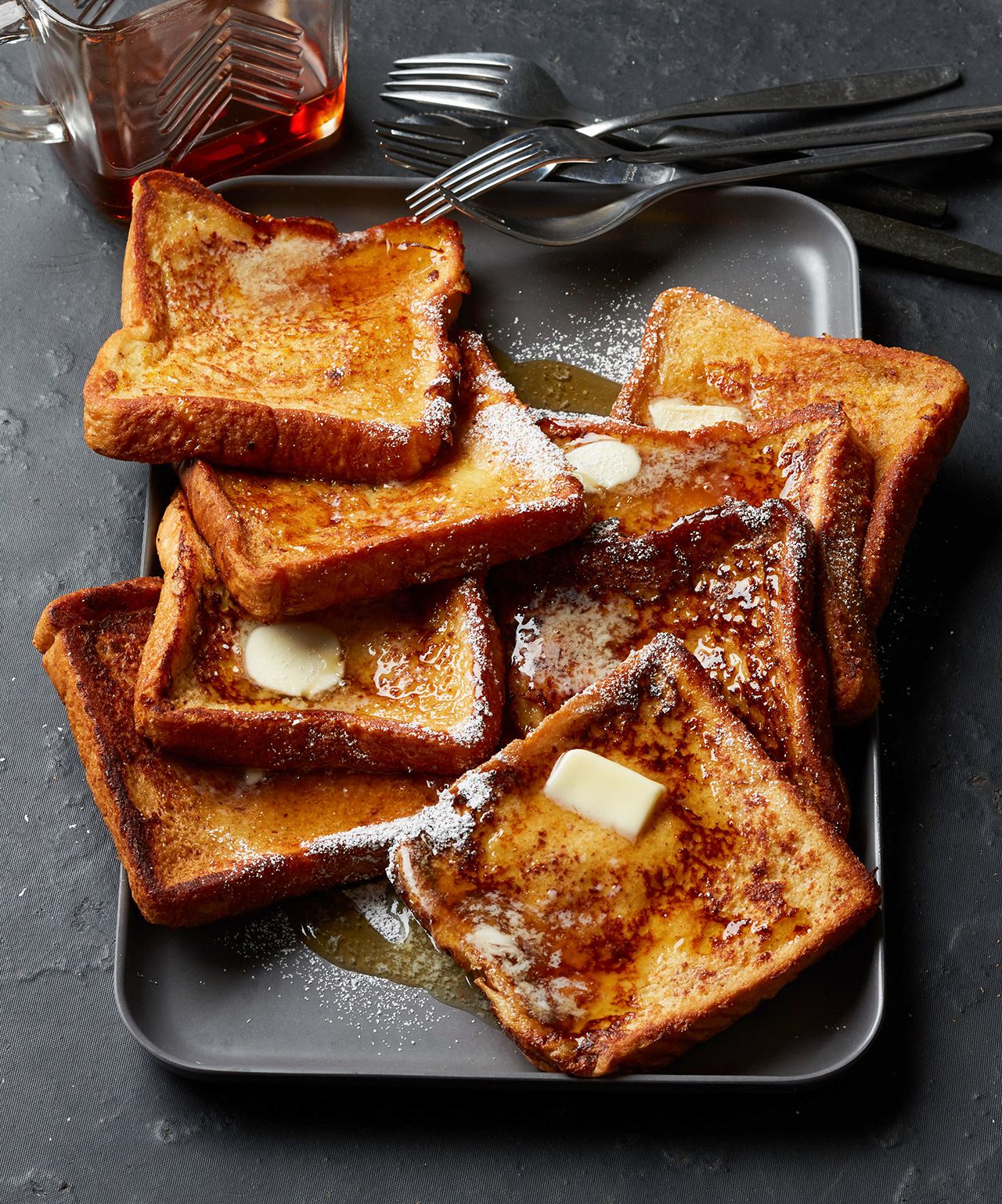
French toast is one of those breakfast foods that looks easy until you make a batch that turns into sweet scrambled sadness. One slice is pale and floppy. Another is burnt outside and pudding-ish in the middle. A third somehow tastes great but has the structural integrity of a wet napkin. This is exactly why so many home cooks ask the same smart question: should you toast the bread before making French toast?
The short answer is sometimes, yes. Toasting the bread before dipping it in custard can be a terrific move, especially when your loaf is fresh, soft, or a little too eager to collapse under pressure. But it is not a hard rule, a sacred brunch law, or a breakfast commandment carved into maple syrup. If you already have day-old bread, you may not need to toast it at all.
In other words, the best method depends on the bread, the texture you want, and whether you like your French toast more custardy and tender or more firm and structured. Let’s break down what actually works, when to toast, when to skip it, and how to make French toast that tastes like you knew what you were doing the whole time.
The Quick Answer
If your bread is fresh, lightly toasting or oven-drying it before soaking is often a very good idea. It removes a little moisture, helps the slices absorb custard more evenly, and makes them less likely to fall apart in the pan. If your bread is already slightly stale, you can usually skip the pre-toast step and move straight to the soak.
So, should you toast the bread before making French toast? Here is the practical answer:
- Yes, if the bread is very fresh, fluffy, or thinly sliced.
- Yes, if you want a firmer, cleaner bite with less sogginess.
- No, if the bread is already stale enough to hold its shape and soak well.
- No, if you love a soft, rich, deeply custardy center and your bread already has enough structure.
Think of toasting as a shortcut to the effect that time normally gives you. Instead of waiting a day for bread to dry out, you nudge it in the right direction with heat. It is less a revolutionary hack and more a practical kitchen cheat code.
Why Stale Bread Has Been the French Toast Favorite for So Long
French toast has always been a clever way to use bread that is no longer at peak freshness. There is a reason the dish is often linked to pain perdu, or “lost bread.” Slightly stale bread is ideal because it is drier than fresh bread, which means it can soak up the egg-and-milk mixture without immediately turning to mush.
Fresh bread, especially soft sandwich bread, acts like an overenthusiastic sponge at a water park. It sucks up liquid fast, then loses all composure. Slightly stale bread, on the other hand, absorbs more slowly and keeps its shape better. That gives you a better shot at the classic French toast texture: browned outside, tender middle, no wet center, no dramatic collapse while flipping.
This is also why thick slices matter. When you pair a sturdy loaf with slices that are around 3/4 inch to 1 inch thick, the bread can absorb enough custard to taste rich without dissolving into breakfast pudding. Brioche, challah, country bread, pain de mie, sourdough, and even a sturdy French or Italian loaf can all work beautifully.
What Toasting the Bread Actually Changes
Toasting the bread before soaking does not magically make French toast better in every case. What it does is change the texture path.
When you lightly toast or oven-dry bread, you pull out some surface moisture and firm up the crumb. That gives the bread a few advantages:
- It can absorb custard without collapsing as quickly.
- The slices are easier to handle, flip, and transfer.
- The finished French toast tends to be less wet in the center.
- The texture is often firmer and slightly cleaner, rather than ultra-soft and pudding-like.
This is why pre-toasting is especially useful when you only have fresh bread on hand. It mimics the benefits of stale bread without asking you to plan tomorrow’s breakfast yesterday. A light toast can make fresh bread “thirstier,” so it takes in the custard in a more controlled way.
But there is a tradeoff. Toasted bread can produce French toast that is a little less plush and custardy in the middle. Some people love that because it tastes neater, less soggy, and more structured. Others take one bite and say, “Where did my pillowy center go?” Neither side is wrong. This is a texture preference, not a moral failing.
When You Should Toast the Bread First
1. Your bread is fresh from the bag
If you just bought a loaf and it is soft enough to leave fingerprints, toast it. This is especially true for brioche, challah, milk bread, and soft white loaves. Fresh bread can get waterlogged fast, and a little drying time gives you better control.
2. You are using soft enriched bread
Brioche and challah are excellent for French toast because they are rich, flavorful, and tender. They are also soft. If they are fresh, a quick oven-dry or light toast helps them hold up better during soaking and cooking.
3. You prefer a firmer bite
If your ideal French toast has crisp edges, clear structure, and less pudding-like softness, pre-toasting is your friend. The interior will still be tender, just not overly custardy.
4. You are feeding a crowd
When you are making batch after batch, sturdier slices are easier to manage. Toasted bread is less likely to tear, sag, or turn your skillet into an eggy slip-and-slide.
When You Can Skip the Toasting Step
1. The bread is already day-old or slightly stale
This is the classic French toast sweet spot. The bread is dry enough to absorb custard and sturdy enough to survive the pan. No extra step needed.
2. You want a very soft, custardy center
If your dream French toast is almost bread pudding in slice form, you may prefer stale-but-not-toasted bread. It often gives a richer, softer center.
3. You are using a naturally sturdy loaf
Some breads already have enough backbone. Thick-cut sourdough, country bread, or a hearty artisan loaf can often go straight into the custard if they are not too fresh.
The Best Bread for French Toast
The best bread for French toast is not one single loaf. It is the loaf that matches the texture you want.
Brioche
Rich, buttery, and brunchy in the best possible way. Great for luxurious French toast. Toast first if it is very fresh.
Challah
Another top-tier choice. It is eggy, soft, and flavorful, with enough structure to make beautiful slices. Excellent for classic, slightly custardy French toast.
Sourdough
For people who want a little more chew and a little less sweetness. It holds up very well and adds a subtle tang that balances syrup nicely.
Pain de mie or country loaf
These are reliable if you want clean slices and even soaking. They are not as rich as brioche, but they are wonderfully sturdy.
Texas toast
Thick, soft, and easy to find. Not fancy, but extremely practical. It works especially well when lightly dried first.
What should you avoid? Very thin sandwich bread, unless you enjoy breakfast with a side of regret. It can work in a pinch, but it is much more likely to turn soggy or tear while flipping.
How to Toast Bread for French Toast the Right Way
If you decide to toast the bread before making French toast, keep it light. You are not making breakfast toast to butter and eat. You are drying the bread, not turning it into a cracker.
Option 1: Oven-dry the slices
This is the best method if you are making multiple servings. Arrange thick slices on a baking sheet and bake at a low temperature, around 300°F, for about 10 to 12 minutes, flipping once. The bread should feel drier and a little firmer, not dark brown and crunchy.
Option 2: Use the toaster lightly
This works for a small batch. Toast the bread just enough to dry the surface and slightly firm the slice. Go for pale gold, not full breakfast-toast mode.
Option 3: Let the bread sit out
If you have a bit of time, leave sliced bread uncovered for a few hours or overnight. This gives you the stale-bread effect without any extra heat.
How Long Should You Soak the Bread?
This depends on the bread, but the golden rule is simple: soak until saturated, not suicidal.
Very soft bread needs only a brief dip. Thicker or slightly dried bread can handle more time. As a starting point, aim for about 10 seconds per side for sturdy slices, then adjust based on what your bread can handle. You want the slice to feel heavy and well-coated, but not so soaked that it bends like a hammock.
If the bread comes out dry in the center, it probably needed more soak time. If it falls apart before it hits the pan, it probably got too much.
Common French Toast Mistakes That Ruin Good Bread
Using a pan that is too hot
French toast contains sugar, dairy, and eggs, which means it can brown fast. Too much heat burns the outside before the center sets. Medium heat is usually the sweet spot.
Using a pan that is too cool
Then the bread just sits there, soaking in butter and existential dread. A pan that is not hot enough can lead to pale, greasy French toast.
Not whisking the custard well
If streaks of egg white remain, they cook into little scrambled patches. Whisk until smooth and unified. Your bread deserves emotional stability.
Using too much liquid
A thin custard can make French toast soggy. The bread should taste rich and eggy, not like sweet wet milk.
Undercooking it
French toast should be browned on the outside and set in the middle. Since it contains eggs, cook until the center is no longer wet. If you are checking with a thermometer for an egg dish without meat or poultry, 160°F is the safe benchmark.
So, Should You Toast the Bread Before Making French Toast?
Yes, if the bread is fresh and soft. No, if the bread is already slightly stale and sturdy. That is really the whole game.
Toasting is not mandatory, but it is absolutely useful. It is the fix for bread that is too fresh, too fluffy, or too delicate. It helps prevent soggy French toast, improves structure, and gives you a more controlled soak. But if you already have day-old bread, you are basically holding the traditional answer in your hands.
The best French toast comes down to matching the method to the loaf. Use stale bread when you have it. Toast fresh bread when you need to. And if anyone tells you there is only one correct way, smile politely and keep the syrup out of their reach.
Kitchen Experiences: What Happens When You Try Both Methods
If you make French toast often enough, you start noticing patterns. The first is that people describe “good French toast” in wildly different ways. One person wants the middle to feel almost like bread pudding. Another wants clean slices with crisp corners and no hint of dampness. That difference alone explains why the toasted-versus-untoasted debate never fully goes away.
In many home kitchens, the toast-first method wins on busy mornings. You wake up, realize the bread is fresh, and do not have the patience to pretend you planned ahead. A quick trip through the toaster or a short stint in the oven makes the slices easier to dip, lift, and flip. They feel less fragile right away. The custard clings better, and the bread does not shred at the edges when you move it from dish to skillet. If you are cooking while half-awake and waiting for coffee to perform a miracle, that sturdiness is oddly comforting.
But when the bread is already a day or two old, many cooks notice that pre-toasting is not always necessary. Slightly stale challah or brioche often gives the most classic result: golden outside, plush center, rich flavor, and enough softness to make the whole dish feel indulgent. This is the version that tastes the most like lazy weekend brunch, when nobody is checking emails and syrup somehow ends up on every plate, utensil, and sleeve in a ten-foot radius.
There is also a bread-specific difference. Fresh brioche often benefits from drying because it is so tender. Sourdough usually needs less help because it already has structure. Texas toast can go either way depending on freshness. Thin sandwich bread is the wild card. Toasting helps it, but it still may not reach greatness. It can become decent French toast, which is not an insult. Decent French toast still beats a sad granola bar at your desk.
Another common experience is that toasted bread tends to produce neater French toast, while stale-but-untoasted bread tends to produce richer French toast. Neither is automatically better. They are just different. If you serve both styles to a table of family or friends, you will usually get strong opinions within minutes. Someone will call the toasted version “perfect.” Someone else will say it is too dry. Someone will keep eating both and avoid taking a side, which is honestly the most delicious position.
The biggest lesson from real-world cooking is simple: the best method is the one that solves the problem in front of you. Bread too fresh? Dry it out. Bread already stale? Use it. Want a firmer bite? Toast first. Want a softer center? Skip it. French toast is forgiving once you understand what the bread needs. And once you do, breakfast gets easier, tastier, and a lot less dramatic.
Conclusion
Toasting bread before making French toast is not a myth, a gimmick, or a must. It is a smart technique for fresh bread and a handy shortcut for anyone chasing better texture without waiting for a loaf to go stale. If your slices are already day-old and sturdy, you can skip the toast and still make excellent French toast. The goal is not to follow a rigid rule. The goal is to get bread that soaks well, cooks evenly, and lands on the plate golden, tender, and ready for syrup.













