
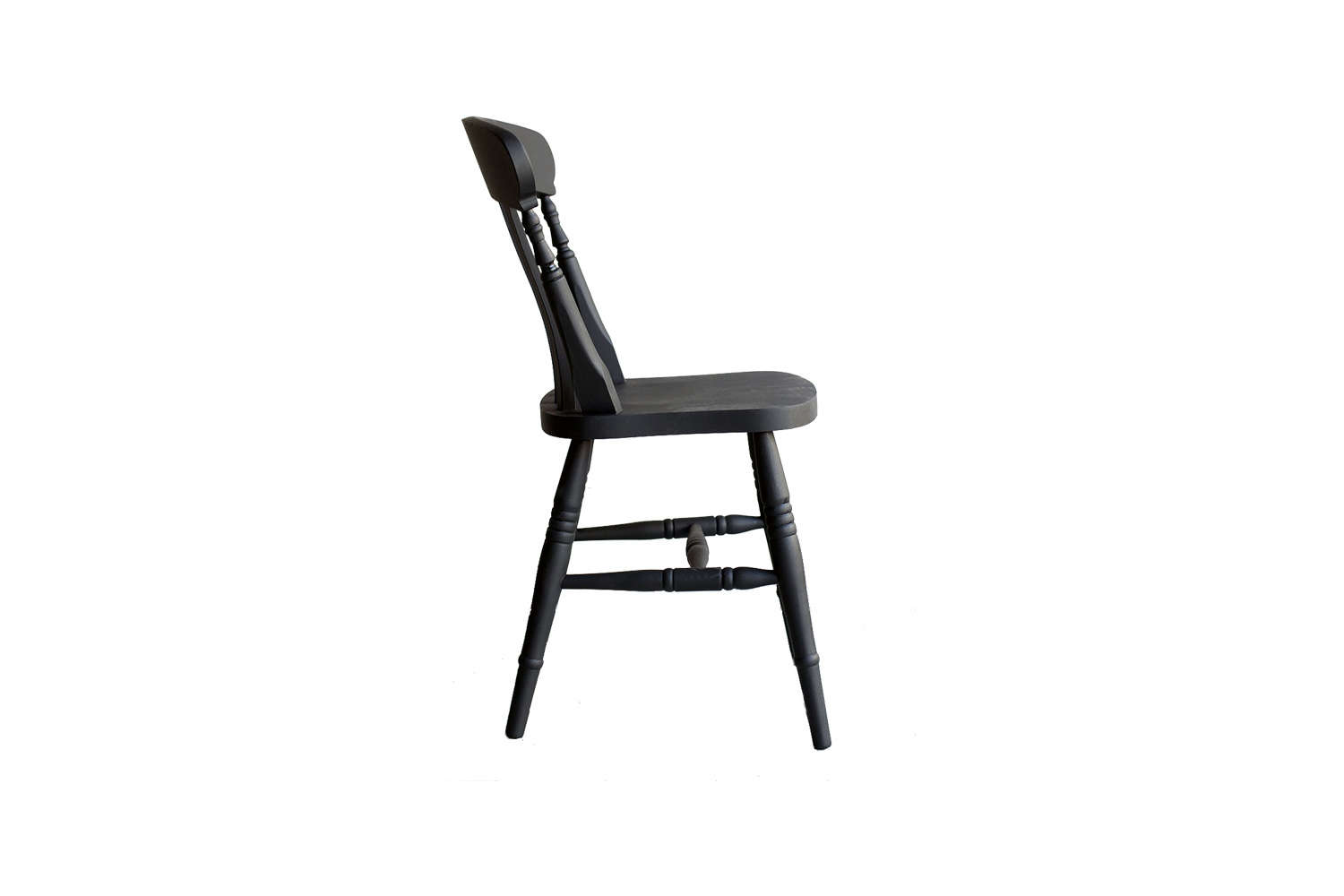
Some chairs politely blend into a room. Howe’s Windsor Chairs do something more interesting: they behave like useful furniture while quietly stealing the scene. Their slender spindles, sculpted seats, curved backs, and confidently splayed legs offer a familiar silhouette, yet the proportions and finishes give these chairs unmistakable personality.
Associated with London antiques dealer and furniture designer Christopher Howe, the collection takes one of Britain’s best-known vernacular chair forms and treats it with equal parts respect and mischief. Traditional joinery remains important, but so do saturated paint colors, blackened ash, tactile surfaces, and the subtle irregularities that distinguish crafted furniture from something that arrived flat-packed with a tiny hex key and a warning about emotional resilience.
This guide explores the history, construction, styles, decorating potential, comfort, care, and ownership experience of Howe’s Windsor Chairs, including the earlier painted beechwood versions and the more recent handcrafted interpretations produced under the Made by HOWE collection.
What Are Howe’s Windsor Chairs?
Howe’s Windsor Chairs are contemporary interpretations of the traditional Windsor chair created or selected through Howe London. Christopher Howe established his first shop in 1986 after studying at Goldsmiths, approaching the antiques trade with the eye of an artist, maker, and restorer rather than following a single historical period or decorating formula.
An influential 2011 design feature highlighted Howe’s custom-painted Windsor dining chairs. Those versions were traditionally made from beechwood, offered in expressive colors, and finished with a small metal Howe plaque. The chairs attracted attention because they combined a deeply familiar country-furniture shape with colors that felt personal, emotional, and refreshingly unafraid of beige.
The current collection expands that idea through handcrafted models such as the Panel-Back Windsor Chair and Comb-Back Windsor Chair. Depending on the design, Howe describes the use of solid oak, ash, or English ash, preserving the form’s woodworking logic while giving it stronger architectural presence.
The Windsor Chair Before Howe
To understand what makes Howe’s interpretation distinctive, it helps to know the chair’s surprisingly practical origins. The Windsor was never designed merely to stand in a formal room looking important. It was developed as adaptable seating that could be produced in parts, transported efficiently, and used in homes, taverns, public buildings, gardens, and workspaces.
The recognizable Windsor form emerged in England during the early eighteenth century. It reached North America soon afterward, with Philadelphia becoming the earliest major center of American Windsor production during the 1730s and 1740s. American makers then adapted its turnings, proportions, backs, and decorative details into recognizable regional styles.
The Seat Is the Structural Headquarters
Unlike many framed chairs, in which the rear legs continue upward to form the back, a Windsor is organized around a thick wooden seat. The legs are inserted into holes beneath it, while the spindles, arm supports, and back components are fitted into holes above it.
That seat therefore does much more than provide a parking space for the sitter. It functions as the chair’s structural hub. A properly shaped seat anchors the undercarriage, supports the back, controls the angle of the legs, and contributes greatly to comfort.
Why Traditional Windsor Chairs Mix Woods
Historic chairmakers often selected different woods for different jobs. A relatively soft, carvable wood could be used for the seat, while tough, flexible species were chosen for slender spindles or steam-bent components. Dense woods that turned cleanly were useful for legs and stretchers.
Museum examples demonstrate just how varied these combinations could be. An eighteenth-century Philadelphia Windsor in the Museum of Fine Arts, Houston, includes yellow-poplar, soft maple, ash, and hickory, each chosen for a particular structural purpose.
Paint unified those different woods visually. It also gave chairmakers enormous decorative freedom. In other words, painted Windsors were not hiding an embarrassing secret. The mixed timber was part of an intelligent production system, and the color was both practical and beautiful.
What Makes Howe’s Windsor Chairs Distinctive?
Traditional Form Without Historical Stiffness
Howe’s designs retain the recognizable grammar of a Windsor chair: a solid seat, turned or shaped supports, an open back, and legs that spread outward for stability. However, they do not feel like timid reproductions created to match a museum label.
The proportions are often more assertive. A tall comb back can give the chair the vertical drama of an architectural screen. A panel back replaces a forest of delicate spindles with a broader, more graphic element. Darkened finishes emphasize silhouette, while painted versions turn an everyday chair into the punctuation mark at the end of a carefully composed room.
Color as Character
One reason the earlier painted Howe Windsor Chairs became so memorable was their use of emotionally charged color. Red, blue, yellow, green, black, and chalky neutral finishes can completely change how the same basic shape reads.
A red Windsor feels energetic and slightly rebellious. Deep blue can look coastal, scholarly, or quietly contemporary. Yellow adds warmth without requiring the entire room to dress like a sunflower. Black sharpens the outline and works particularly well in minimalist or industrial interiors.
The lesson is simple: a traditional chair does not need to be brown. History will not file a formal complaint.
Visible Craftsmanship
Howe London emphasizes traditional techniques and collaboration with specialist craftspeople whose methods developed over several centuries. The goal is not machine-perfect anonymity but durability, touch, proportion, and the evidence of making.
On a well-made Windsor, small details matter. Look at how the seat has been shaped, whether the spindles graduate gracefully, how the arms meet the supports, and whether the leg angles feel balanced. These details determine whether the chair looks lively and poised or as though it has just heard some troubling news.
Notable Howe Windsor Chair Styles
Painted Windsor Dining Chairs
The custom-painted beechwood chairs associated with Howe’s earlier collection are the most recognizable examples. Their simple spindle-back profiles make them useful around dining tables, at desks, beside beds, or as standalone accent chairs.
The paint gives each chair a strong identity while allowing a group to feel coordinated. A matching set creates rhythm and order. A mixed-color set feels relaxed and collected, particularly around a scrubbed wood table or a restrained contemporary dining table.
Comb-Back Windsor Chair
A comb-back Windsor uses a horizontal crest rail supported by a row of long spindles, creating a silhouette resembling the teeth of a comb. Howe’s interpretation increases the height and visual authority of the form, particularly when executed in blackened or charred-looking ash.
This style works well as a statement chair because its tall back fills vertical space without the visual weight of upholstery. It can anchor the end of a dining table, occupy an empty corner, or bring sculptural height to a hallway.
Panel-Back Windsor Chair
The Panel-Back Windsor Chair offers a broader and more architectural back treatment. Howe describes the handmade construction as using solid oak and ash, combining the resilience needed for regular use with a clearly crafted appearance.
A panel-back chair has more visual mass than a conventional spindle-back model. It is especially effective in rooms containing solid cabinetry, exposed beams, heavy tables, or large-scale artwork because it can hold its own without becoming bulky.
Antique Windsor Armchairs
Howe London also handles antique Windsor chairs, including hoop-back, stick-back, captain’s, and other nineteenth-century variations. Antique examples add patina, historical irregularity, and evidence of previous repairs or use. Their appeal lies partly in the fact that they were never waiting to become collectibles; they were simply busy being chairs.
How to Style Howe’s Windsor Chairs
Around a Dining Table
The obvious placement is around a dining table, but “obvious” does not mean boring. A set of painted Howe Windsor Chairs can energize a plain wood table, soften a sleek stone surface, or prevent a formal dining room from taking itself too seriously.
For a balanced arrangement, repeat at least one color elsewhere in the room through artwork, pottery, lamps, or textiles. The colors do not need to match precisely. In fact, slightly imperfect coordination often feels more natural than a room in which every blue object appears to have attended the same planning meeting.
As a Desk Chair
A Windsor makes an attractive desk chair for shorter work sessions. Its open back keeps a small home office visually light, while the curved back and shaped seat offer more support than the delicate silhouette suggests.
For full-day computer work, test the seat height and back angle carefully. A thin, fitted cushion may improve long-session comfort without hiding the chair’s form.
In an Entryway or Bedroom
A single chair in a hallway, bedroom, or dressing area provides practical seating while introducing color and height. Because the back is mostly open, a Windsor can stand against patterned wallpaper without concealing the entire design.
In Modern Interiors
Howe’s Windsor Chairs are particularly effective in contemporary rooms because their construction is visually honest. The joints, spindles, legs, and seat all explain what they are doing. That clarity pairs naturally with modern architecture, even though the chair’s ancestry is centuries old.
Try a black comb-back chair against pale plaster, a colorful painted chair beside a steel desk, or a panel-back model near simple linen upholstery. Contrast is often more compelling than trying to make every item in the room come from the same decade.
Are Howe’s Windsor Chairs Comfortable?
Comfort depends on proportion, seat shaping, back angle, and the individual sitter. A good Windsor chair distributes support through the sculpted seat and gently flexible back rather than through thick padding.
The splayed legs create stability, while the curved or angled back follows the body more naturally than a flat vertical board. Armchair versions provide additional support, although their arms may affect whether the chair fits beneath a particular table.
Before ordering, compare the chair’s overall height, seat height, width, and depth with furniture you already find comfortable. People vary, tables vary, and knees remain stubbornly unwilling to become adjustable accessories.
How to Recognize Quality Construction
- A well-shaped seat: The surface should feel intentional rather than flat and unfinished.
- Balanced leg angles: The legs should appear evenly raked and splayed, with no visual twisting.
- Secure joints: The chair should not wobble excessively or produce alarming noises under ordinary use.
- Graceful spindles: Spindles should feel consistent as a group while retaining the subtle life of handwork.
- Clean back curves: Bent components should flow naturally without abrupt flat spots or visible stress cracks.
- An appropriate finish: Paint, stain, or blackening should complement the craftsmanship rather than bury it beneath a plastic-looking coating.
When considering an older painted Howe chair, examine the underside for labels, plaques, old repairs, and finish history. The small metal Howe plaque noted on earlier examples may help with identification, although provenance should never depend on a single detail alone.
Buying New Versus Vintage
Buying New
A new Made by HOWE chair offers clearer specifications, predictable condition, and the possibility of choosing an appropriate finish or coordinating multiple chairs. It is usually the better route for a complete dining set that must withstand regular use.
Buying Vintage
Vintage Howe Windsor Chairs may appeal to buyers who value discontinued colors, aged surfaces, earlier proportions, or the individuality created by years of use. Before buying, request photographs of the underside, joints, feet, seat edges, and any damaged paint.
A little wear can add character. Loose joints, split seats, badly shortened legs, or aggressive refinishing are different matters. When the chair rocks before you do, further investigation is wise.
Buying Antique Windsor Chairs Through Howe
An antique chair offers history that a new chair cannot reproduce. However, age alone does not guarantee quality or suitability for daily use. Ask about provenance, repairs, replaced components, finish condition, and whether the chair is considered structurally safe for regular seating.
Windsor chairs have long held an important place in American furniture collections. Henry Francis du Pont, for example, began his collecting journey with Windsor chairs and other relatively simple painted furniture before assembling Winterthur’s extraordinary decorative arts collection.
How to Care for a Howe Windsor Chair
Routine care should be gentle. Dust the chair regularly with a soft, clean cloth, paying attention to the spaces where spindles enter the seat and back. Avoid harsh household cleaners, abrasive pads, silicone-heavy polishes, and enthusiastic experiments involving whatever bottle happens to be beneath the kitchen sink.
Protect the chair from prolonged direct sunlight, moisture, heating vents, and extreme fluctuations in temperature or humidity. Wood naturally expands and contracts, and dramatic environmental changes can stress joints, finishes, and bent components. Museum conservation guidance also recommends gentle cleaning, careful handling, and avoiding harsh solvents on valued furniture.
Lift the chair when moving it rather than dragging it by an arm or the crest rail. If a joint becomes loose, consult a furniture restorer familiar with traditional chair construction. Driving in a random screw may stop movement temporarily while creating a much larger restoration problem later.
Are Howe’s Windsor Chairs Worth the Investment?
Howe’s Windsor Chairs are best viewed as long-term design purchases rather than guaranteed financial investments. Their value comes from craftsmanship, visual flexibility, brand identity, material quality, and the ability to remain useful as rooms and decorating tastes change.
A well-chosen Windsor can move from dining room to office, bedroom, hallway, or living space without looking stranded. That adaptability matters. Furniture that works in only one arrangement can become an expensive hostage to a floor plan.
For buyers who appreciate English vernacular furniture, handmade construction, expressive finishes, and objects that grow more attractive through use, a Howe Windsor can justify its price through decades of service. It is both chair and character actorand it rarely forgets its lines.
Conclusion
Howe’s Windsor Chairs succeed because they do not treat tradition as a museum barrier. They preserve the Windsor chair’s intelligent construction, open silhouette, and everyday usefulness while introducing color, scale, texture, and a distinctly modern confidence.
The earlier painted beechwood chairs remain memorable for their cheerful simplicity and custom colors. Contemporary comb-back and panel-back versions offer stronger sculptural presence through handcrafted ash and oak. Antique examples add another layer of history and patina.
Whether placed around a dining table, beside a desk, or alone in an entryway, a Howe Windsor chair can make a room feel collected rather than decorated by formula. It is practical enough for breakfast, handsome enough for photographs, and sturdy enough to survive the relative who leans back after being specifically asked not to.
Living With Howe’s Windsor Chairs: The Ownership Experience
The first thing people tend to notice about a Howe Windsor chair is not its age-inspired construction. It is the silhouette. Even from across a room, the spindles, outward-angled legs, and shaped back create a clear graphic outline. A bright painted finish makes that outline even more visible, while a blackened version behaves almost like a three-dimensional ink drawing.
During the first few days of living with one, the chair may feel more decorative than it really is. That impression usually changes as it gets pulled toward a table, used while putting on shoes, temporarily covered with tomorrow’s clothes, and claimed by whichever guest arrives early. The chair begins to work its way into daily routines without requiring a ceremonial announcement.
The Dining Experience
A group of Howe’s Windsor Chairs can immediately change the mood of a dining area. Matching chairs create a composed, architectural rhythm. Mixed colors feel more casual, as though the collection developed gradually rather than arriving in one delivery truck.
The open backs are especially useful in smaller rooms. Light and sightlines pass between the spindles, preventing the dining set from becoming a solid wall of furniture. This makes the chairs visually lighter than upholstered dining chairs of a similar overall size.
The solid seat also creates a different sitting experience from foam upholstery. Instead of sinking downward, the sitter rests on a shaped surface that provides firm support. Some people enjoy that immediately. Others prefer a thin cushion during long dinners, especially when a supposedly quick dessert evolves into a three-hour discussion about property taxes, family history, and who changed the thermostat.
The Experience of Color
A painted Howe Windsor can become the easiest color decision in a room because it requires no matching set of accessories. One strong chair may be enough. A deep red chair warms neutral plaster and wood. Green connects an interior to garden views. Blue settles comfortably beside natural linen, stone, and aged metal.
Daily use gradually softens a painted surface. Tiny marks may appear along the seat edge, feet, or crest rail. Owners who expect flawless showroom perfection may find this frustrating. Those who appreciate patina often discover that the wear improves the chair, showing exactly where hands, shoes, and ordinary life have touched it.
Moving and Restyling
One of the most satisfying aspects of a Windsor chair is its portability. It can serve at a dining table during the holidays, move to a bedroom afterward, and become a desk chair when guests leave. The same chair can look traditional beside an oak table and unexpectedly modern beneath a large abstract painting.
This flexibility reduces the pressure to design a permanent “perfect spot.” Howe’s Windsor Chairs tend to look best when they are used naturally rather than displayed like objects under investigation.
Maintenance in Real Life
Spindles collect dust more readily than a single flat back, so cleaning involves a few extra passes with a cloth. Fortunately, the chair has no deep upholstery seams waiting to collect crumbs of mysterious origin. Regular dusting and prompt attention to spills are usually more useful than frequent polishing.
Owners should occasionally check for movement in the joints, particularly if the chair is used every day or repeatedly dragged across an uneven floor. Felt pads can protect both the feet and flooring, provided they remain firmly attached.
The Long-Term Impression
Over time, a Howe Windsor chair tends to feel less like a decorative purchase and more like part of the household’s visual vocabulary. Its outline becomes familiar, its finish develops small signs of use, and its placement changes as the room changes.
That is arguably the best experience a piece of furniture can provide. It begins by attracting attention, continues by performing its job, and eventually becomes difficult to imagine living without. A successful Windsor chair does not need to shout. It simply sits therebeautifully, reliably, and with considerably better posture than most of us.













