
Note: This article is for general educational purposes and is not a substitute for personalized medical advice. Anyone with diabetes, kidney disease, liver disease, heart disease, pregnancy, a history of eating disorders, or prescription medications should speak with a qualified healthcare professional before starting a ketogenic diet.
The keto diet sounds simple at first: eat fewer carbs, eat more fat, and let your body switch fuel sources like a hybrid car with a grocery list. But for beginners, the first week can feel like trying to decode a restaurant menu written by a very strict avocado. Which foods are allowed? Are carrots keto? Why is milk suddenly suspicious? And does “low carb” mean you can eat bacon with the confidence of a medieval king?
This beginner-friendly guide breaks down the keto diet foods list, what to eat, what to avoid, how to build a simple keto meal plan, and how to make the approach healthier and more realistic. The goal is not to turn your kitchen into a science lab. It is to help you understand the basics, choose better foods, and avoid common mistakes that make keto harder than it needs to be.
What Is the Keto Diet?
The ketogenic diet, commonly called the keto diet, is a very low-carbohydrate, high-fat, moderate-protein eating pattern. By sharply reducing carbs, the body has less glucose available for energy. In response, the liver produces ketones from fat, which can be used as an alternative fuel source. This metabolic state is called nutritional ketosis.
There is no single official keto formula, but many keto plans keep carbohydrates under about 20 to 50 grams per day. A common macro range is roughly 70% to 80% of calories from fat, 10% to 20% from protein, and 5% to 10% from carbohydrates. In real food terms, that means skipping bread, pasta, rice, sugar, most desserts, and many high-carb fruits while focusing on eggs, fish, meat, poultry, low-carb vegetables, nuts, seeds, oils, avocado, and some full-fat dairy.
For some people, keto may support short-term weight loss or help reduce appetite. However, it is also restrictive and not automatically healthy. A keto plate built around salmon, olive oil, spinach, eggs, and avocado is very different from one built around processed meats, butter mountains, and “keto” cookies that taste like sweetened cardboard wearing a tuxedo.
Keto Diet Foods List: What to Eat
A good keto foods list starts with whole, minimally processed foods. Think of keto as low carb, not low nutrition. You still need fiber, vitamins, minerals, protein, and healthy fats. The best keto meals are colorful, satisfying, and practical enough to survive a busy Tuesday.
1. Low-Carb Vegetables
Low-carb vegetables are the unsung heroes of keto. They add volume, crunch, fiber, and nutrients without pushing carbs too high. Choose non-starchy vegetables most often.
- Spinach, kale, arugula, romaine, and mixed greens
- Broccoli, cauliflower, cabbage, and Brussels sprouts
- Zucchini, cucumber, celery, asparagus, and green beans
- Mushrooms, bell peppers, radishes, and eggplant
- Avocado, technically a fruit, but spiritually the mascot of keto
Cauliflower is especially useful because it can become rice, mash, pizza crust, or a convincing side dish if you season it like you mean it. Zucchini noodles can replace pasta, lettuce leaves can replace wraps, and roasted broccoli can rescue almost any dinner from sadness.
2. Protein Foods
Keto is not a pure protein diet. Protein should be moderate, but it is still essential for muscle, fullness, and everyday body repair. Choose a variety of protein sources.
- Eggs
- Chicken and turkey
- Beef, pork, lamb, and game meats
- Salmon, sardines, tuna, trout, cod, and shrimp
- Tofu, tempeh, and lower-carb plant proteins
Fatty fish such as salmon and sardines are excellent choices because they provide protein plus omega-3 fats. Eggs are affordable, versatile, and beginner-friendly. If your first keto breakfast is scrambled eggs with spinach and avocado, congratulations: you have entered the chat.
3. Healthy Fats and Oils
Because keto is high in fat, fat quality matters. Prioritize unsaturated fats more often and use saturated fats with moderation.
- Olive oil
- Avocado oil
- Avocados
- Nuts and nut butters without added sugar
- Seeds such as chia, flax, hemp, sesame, and pumpkin seeds
- Fatty fish
Butter, cream, coconut oil, and cheese can fit into keto, but they should not become the entire personality of your meal plan. A heart-healthier keto approach leans on olive oil, fish, nuts, seeds, and avocado instead of making every plate a cheese parade.
4. Dairy Foods
Many dairy foods can fit into a keto diet, but labels matter because some products contain more carbs than beginners expect.
- Cheese, including cheddar, mozzarella, Swiss, feta, and goat cheese
- Plain Greek yogurt in small portions
- Cottage cheese in moderation
- Heavy cream, used sparingly
- Unsweetened almond milk or unsweetened coconut milk
Avoid sweetened yogurt, flavored milk, and sugary coffee creamers. They can turn your “keto breakfast” into dessert wearing a protein costume.
5. Nuts and Seeds
Nuts and seeds are convenient keto snacks, but portions count. They are calorie-dense, and it is very easy to eat “just a handful” seven times.
- Macadamia nuts
- Walnuts
- Pecans
- Almonds
- Brazil nuts
- Chia seeds
- Flaxseeds
- Pumpkin seeds
Choose unsalted or lightly salted options when possible, and avoid candy-coated nuts, honey-roasted nuts, and trail mixes filled with dried fruit and chocolate pieces.
6. Low-Carb Fruits
Fruit is nutritious, but many fruits are naturally high in carbohydrates. On keto, lower-carb fruits can fit in small portions.
- Raspberries
- Blackberries
- Strawberries
- Blueberries in smaller portions
- Avocado
- Olives
- Lemon and lime for flavor
A small bowl of berries with plain Greek yogurt may work for some keto beginners. A banana smoothie, however, may use up your daily carb budget faster than you can say “but it has potassium.”
7. Keto-Friendly Drinks
Hydration matters on keto, especially during the first week when water and electrolyte shifts may contribute to headaches, fatigue, or “keto flu” symptoms.
- Water
- Sparkling water without sugar
- Unsweetened tea
- Black coffee
- Broth or bone broth
- Water with lemon, cucumber, mint, or electrolytes without added sugar
Be careful with alcohol. Many drinks contain sugar or mixers, and alcohol can affect judgment, appetite, hydration, and blood sugar. In other words, margaritas are not famous for helping people stick to meal plans.
Foods to Avoid on Keto
The keto diet limits foods that are high in carbohydrates, especially refined grains, added sugars, and starchy foods. Some nutritious foods are also restricted because they contain too many carbs for ketosis. This is one reason keto is not ideal for everyone.
1. Grains and Grain-Based Foods
- Bread, rolls, bagels, tortillas, and pita
- Rice, oats, quinoa, barley, and farro
- Pasta and noodles
- Cereal and granola
- Crackers, pretzels, and most chips
Even whole grains are usually too high in carbs for a strict keto plan. They may be healthy in many eating patterns, but keto has a tiny carb budget and grains spend it like they just won the lottery.
2. Sugar and Sweets
- Candy, cookies, cakes, pastries, and donuts
- Ice cream and sweetened frozen desserts
- Regular soda and sweet tea
- Fruit juice and sports drinks
- Honey, maple syrup, agave, and table sugar
Added sugar is one of the first things to remove when starting keto. Read labels carefully because sugar hides in sauces, dressings, marinades, protein bars, and “healthy” snacks with packaging that looks like it does yoga.
3. Starchy Vegetables
- Potatoes and sweet potatoes
- Corn
- Peas
- Winter squash in larger portions
- Beets and parsnips in larger portions
These foods can be nutritious, but they are generally too carb-heavy for keto beginners. If you miss mashed potatoes, try mashed cauliflower with garlic, butter or olive oil, salt, pepper, and a little cream cheese.
4. High-Carb Fruits
- Bananas
- Apples
- Grapes
- Mangoes
- Pineapple
- Dates and raisins
Dried fruit is especially concentrated in sugar. A tiny box of raisins may look harmless, but nutritionally it can behave like grape candy with excellent public relations.
5. Legumes
- Beans
- Lentils
- Chickpeas
- Black-eyed peas
- Most hummus in large servings
Legumes provide fiber and plant protein, but they are usually too high in carbs for strict keto. Some people following a more flexible low-carb plan may include small portions, but classic keto usually limits them.
6. Ultra-Processed “Keto” Products
Keto bars, keto cookies, keto cereals, and keto desserts can be useful occasionally, but they should not replace real food. Many contain sugar alcohols, refined oils, additives, or large amounts of saturated fat. Some also cause digestive issues. Your stomach may file a formal complaint.
A Simple Keto Meal Plan for Beginners
The best beginner keto meal plan is easy, repeatable, and built around foods you actually like. Complicated plans often fail because nobody wants to spend Wednesday night weighing lettuce while questioning their life choices.
Day 1
- Breakfast: Scrambled eggs with spinach, avocado, and coffee without sugar.
- Lunch: Grilled chicken salad with romaine, cucumber, olives, feta, and olive oil dressing.
- Dinner: Baked salmon with roasted broccoli and cauliflower mash.
- Snack: Celery sticks with almond butter.
Day 2
- Breakfast: Plain Greek yogurt with chia seeds and a few raspberries.
- Lunch: Lettuce-wrap turkey burgers with cheese, pickles, tomato, and avocado.
- Dinner: Beef stir-fry with zucchini, mushrooms, cabbage, and sesame oil.
- Snack: A small portion of walnuts or macadamia nuts.
Day 3
- Breakfast: Omelet with mushrooms, peppers, and goat cheese.
- Lunch: Tuna salad over greens with cucumber, celery, and olive oil mayo.
- Dinner: Chicken thighs with asparagus and a side salad.
- Snack: Cheese slices with cucumber rounds.
Day 4
- Breakfast: Boiled eggs with avocado and tomato slices.
- Lunch: Shrimp avocado salad with lime dressing.
- Dinner: Turkey meatballs with zucchini noodles and low-sugar marinara.
- Snack: Pumpkin seeds.
Day 5
- Breakfast: Cottage cheese in moderation with flaxseed and a few blackberries.
- Lunch: Egg salad lettuce cups with radishes and pickles.
- Dinner: Pork tenderloin with roasted Brussels sprouts and a green salad.
- Snack: Olives and a small serving of cheese.
How to Build a Keto Plate
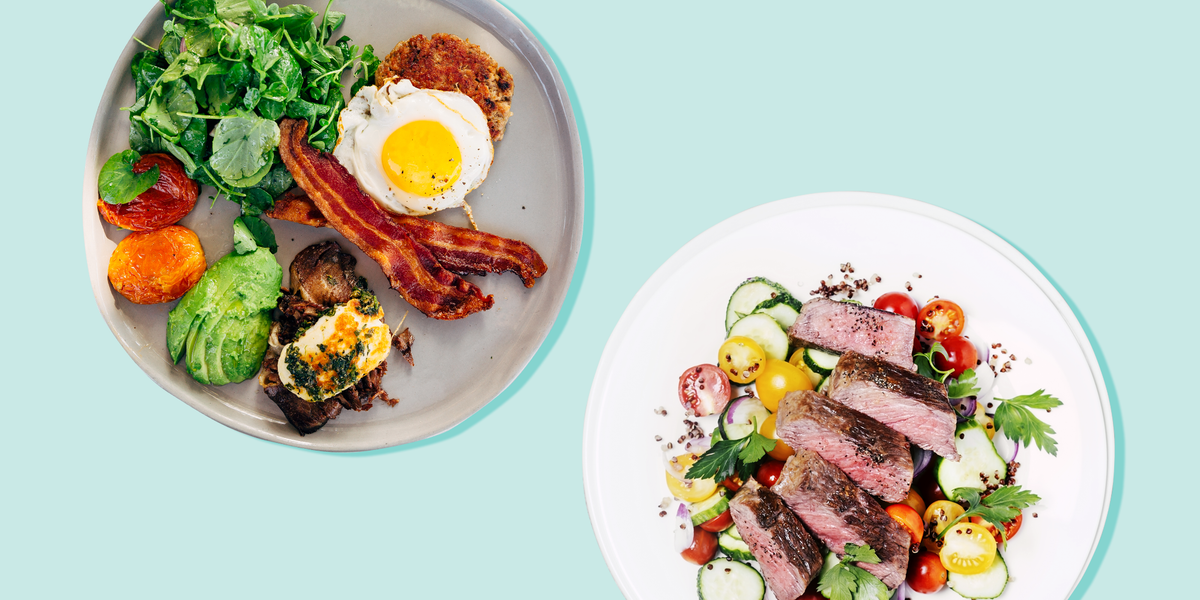
A simple keto plate usually includes one protein, one or two low-carb vegetables, and a healthy fat. For example, chicken plus roasted broccoli plus olive oil dressing. Or eggs plus spinach plus avocado. Or salmon plus asparagus plus lemon butter. Keep the formula simple and the seasoning interesting.
Use herbs, spices, vinegar, lemon juice, garlic, mustard, hot sauce without sugar, and low-carb dressings to prevent boredom. Boredom is the sneaky enemy of every diet. It waits until 9 p.m., then whispers, “What about pizza?”
Beginner Keto Shopping List
Here is a practical grocery list to make your first week easier:
- Proteins: eggs, chicken breast, chicken thighs, ground turkey, salmon, tuna, shrimp, beef, tofu.
- Vegetables: spinach, romaine, broccoli, cauliflower, zucchini, mushrooms, cucumber, cabbage, asparagus.
- Fats: olive oil, avocado oil, avocado, chia seeds, flaxseeds, walnuts, almonds.
- Dairy: cheddar, mozzarella, feta, plain Greek yogurt, cottage cheese, heavy cream.
- Flavor helpers: garlic, herbs, spices, mustard, vinegar, lemon, lime, low-sugar marinara, broth.
- Snacks: olives, celery, cucumber, nuts, boiled eggs, cheese sticks.
Common Keto Mistakes Beginners Should Avoid
Mistake 1: Eating Too Much Processed Meat
Bacon and sausage may be low in carbs, but relying on processed meats every day is not the healthiest strategy. Choose fish, poultry, eggs, tofu, and fresh meats more often.
Mistake 2: Forgetting Fiber
When grains, beans, and many fruits disappear, fiber can drop quickly. Low-carb vegetables, chia seeds, flaxseeds, avocado, nuts, and seeds can help keep digestion moving. Your gut appreciates being included in the planning committee.
Mistake 3: Ignoring Electrolytes
Early keto may lead to water loss, which can affect sodium, potassium, and magnesium balance. Drinking water, eating mineral-rich low-carb foods, and using broth can help some people feel better during the transition.
Mistake 4: Thinking Keto Means Unlimited Calories
Keto foods can be filling, but calories still matter for weight loss. Nuts, cheese, oils, and cream are easy to overdo. A healthy keto plan should satisfy hunger without turning every meal into a fat festival.
Mistake 5: Skipping Medical Guidance
Keto can affect blood sugar, cholesterol, digestion, kidney workload, and medication needs. People taking insulin or diabetes medications should be especially careful because carbohydrate changes can alter blood sugar patterns. Professional guidance is not a buzzkill; it is a safety net.
Is Keto Healthy?
Keto can be healthier or less healthy depending on food choices. A whole-food keto diet with fish, eggs, leafy greens, olive oil, avocado, nuts, seeds, and non-starchy vegetables is more balanced than a plan dominated by processed meats, butter, cheese, and packaged snacks.
The diet may help some people lose weight in the short term, partly because it reduces many high-calorie foods and may help control appetite. However, it is restrictive, can be hard to maintain, and may reduce intake of fiber-rich foods such as whole grains, beans, and many fruits. Some people experience constipation, fatigue, headaches, bad breath, muscle cramps, or changes in cholesterol levels.
A heart-conscious keto approach should limit trans fats, avoid heavily processed foods, and emphasize unsaturated fats. Instead of building meals around butter and processed meats, use olive oil, avocado, nuts, seeds, and fish. Keto may be low carb, but it should not be low common sense.
of Practical Keto Experience: What Beginners Usually Learn the Hard Way
The first real-life lesson of keto is that planning matters more than willpower. When beginners fail, it is often not because they lack discipline. It is because they open the refrigerator at 7:30 p.m. and discover three eggs, half a cucumber, and a suspicious container from last Thursday. Hunger plus confusion is a dangerous recipe. The solution is simple: prepare two or three proteins, wash low-carb vegetables, and keep quick foods ready. Boiled eggs, cooked chicken, tuna packets, salad greens, avocado, cheese, and roasted vegetables can save the day.
The second lesson is that keto breakfasts do not have to be dramatic. Many beginners think they need special pancakes made from almond flour, coconut flour, five eggs, and a motivational speech. In reality, eggs with spinach, Greek yogurt with chia seeds, or leftovers from dinner can work beautifully. Breakfast is just food. It does not need to perform Broadway.
The third lesson is that restaurants are manageable if you know the swaps. Order burgers without buns, salads without croutons, grilled fish with vegetables, steak with asparagus, or fajitas without tortillas and rice. Ask for sauces on the side because sauces can hide sugar. Most restaurants can handle simple requests if you are polite and specific. “Could I get extra vegetables instead of fries?” is much easier than explaining ketosis to a waiter during the lunch rush.
The fourth lesson is that cravings often come in waves. The first week may include strong cravings for bread, sweets, or crunchy snacks. Some of that is habit. If you usually eat chips while watching TV, your brain may request chips the moment the remote appears. Replace the ritual with a keto-friendly option such as cucumber slices with dip, celery with almond butter, olives, or sparkling water with lime. It may feel awkward at first, but habits can be retrained.
The fifth lesson is that perfection is not required, but consistency helps. One higher-carb meal does not ruin everything, but repeatedly “accidentally” eating fries, cookies, and sweet drinks will keep the body out of ketosis. Beginners should decide whether they want strict keto or a more flexible low-carb diet. Both can reduce sugar and refined carbs, but they are not the same. Knowing the difference prevents frustration.
The sixth lesson is that fiber deserves respect. Many people focus on carbs and forget digestion until their body sends a strongly worded memo. Add spinach, broccoli, cauliflower, chia seeds, flaxseeds, avocado, and plenty of water. If digestion changes dramatically, adjust the plan and consider professional advice.
The seventh lesson is that “keto-friendly” labels are not magic. A packaged snack can be low in net carbs but still not very nourishing. Use packaged keto foods as backup, not the foundation. A meal of salmon, salad, olive oil, and avocado will usually beat a mystery bar with 19 ingredients and a name like “Chocolate Thunder Fuel Brick.”
The final lesson is that keto should fit your life, not swallow it whole. A good eating plan supports energy, health, and confidence. If keto makes you feel better and your healthcare provider agrees it is appropriate, keep it simple and sustainable. If it makes you miserable, there are other healthy ways to reduce sugar, manage weight, and improve nutrition. The best diet is not the one with the loudest online fan club. It is the one you can follow safely, enjoyably, and consistently.
Conclusion
The keto diet can be a useful short-term tool for some beginners, especially when it focuses on whole foods, low-carb vegetables, quality protein, and healthier fats. The core idea is simple: reduce carbohydrates enough to encourage nutritional ketosis while eating satisfying meals built from real ingredients. The practical version is even simpler: eggs, fish, poultry, meat, tofu, greens, broccoli, cauliflower, avocado, olive oil, nuts, seeds, and small portions of lower-carb dairy and berries.
At the same time, keto is not a free pass to ignore nutrition. A smart keto plan limits added sugar, refined grains, starchy foods, and ultra-processed snacks while also paying attention to fiber, hydration, electrolytes, and fat quality. Beginners should avoid treating keto as a bacon-themed personality makeover. Make it colorful, balanced, and realistic.
Before starting, consider your health history and goals. If you take medication, have a medical condition, or are unsure whether keto is right for you, talk with a healthcare professional or registered dietitian. Done thoughtfully, keto can be structured and satisfying. Done carelessly, it can become a low-carb circus with cheese as the ringmaster.













