
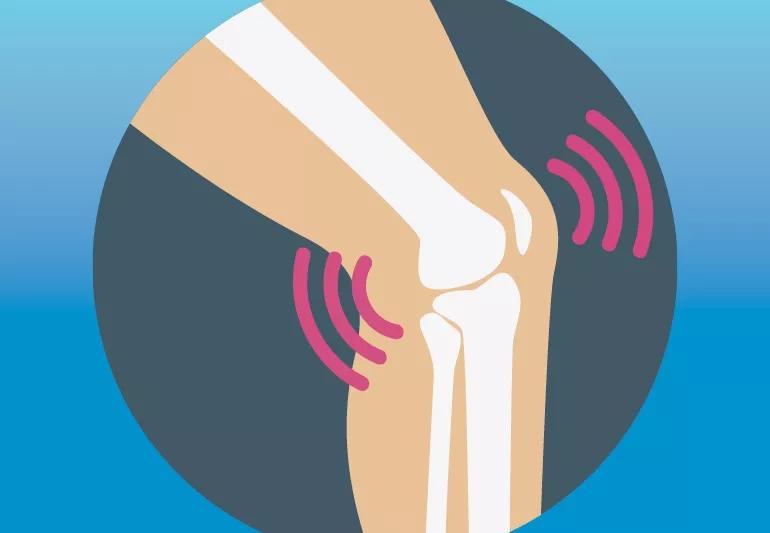
Snap. Crackle. Pop. No, not breakfast cereal, although your knees may occasionally sound like they belong in a bowl with milk. Joint noises are incredibly common, and for most people, they are more quirky soundtrack than medical emergency. Still, when a shoulder clicks every time you reach for a coffee mug or your knees sound like bubble wrap on the stairs, it is only natural to wonder whether your joints are giving you a harmless sound effect or filing a formal complaint.
The truth is that joint noises can mean several different things. Sometimes the sound comes from gas bubbles shifting inside the joint. Sometimes it comes from tendons or ligaments moving over nearby structures. And sometimes, especially when pain, swelling, stiffness, or locking show up too, it can point to wear and tear, inflammation, injury, or another joint problem that deserves attention.
This guide breaks down what joint noises are, why they happen, when they are usually harmless, and when they may be worth discussing with a healthcare professional. In other words, this is your practical owner’s manual for the body’s occasional sound system.
What Are Joint Noises, Exactly?
Joint noises are often described as popping, cracking, clicking, snapping, grinding, crunching, or clunking. The medical term you may see is crepitus, which usually refers to crackling, grating, or grinding sensations or sounds in a joint.
Not all noises are created equal. A quick pop in your knuckles is different from a rough grinding sensation in an arthritic knee. A painless click in the jaw may be common, while a painful jaw pop with limited movement is a different story. The sound alone rarely tells the whole story. Context matters: which joint is making the noise, how often it happens, whether it is painful, and whether other symptoms come along for the ride.
Why Joints Make Noise
1. Gas bubbles in the joint
One of the most common reasons for joint popping is a process related to gas release in the synovial fluid that lubricates your joints. When you stretch or pull a joint, pressure changes can lead to bubble formation and a popping sound. This is the classic explanation for knuckle cracking. It may sound dramatic, but in many cases it is harmless. Your joints are not exploding. They are just being a little theatrical.
2. Tendons or ligaments moving
Tendons and ligaments can shift over bones or other tissues as you move. When they slide back into place, they may create a snapping or clicking sound. This can happen in the hip, knee, shoulder, ankle, or wrist. A common example is snapping hip syndrome, where a tendon moves over the bony parts of the hip and creates a noticeable snap during walking, standing, or exercise.
3. Rough cartilage or age-related wear
If cartilage becomes worn or uneven, joint surfaces may not glide as smoothly as they once did. That can cause grinding, grating, or crunching sensations. Osteoarthritis is one common reason this happens, especially in the knees, hips, hands, and shoulders. In this setting, noise is more likely to show up with stiffness, pain, swelling, reduced range of motion, or a feeling that the joint is catching.
4. Injury or instability
Meniscus tears, labral problems, ligament injuries, loose cartilage, and joint instability can all cause popping, locking, or clunking. The sound itself is not the issue so much as the combination of sound plus pain, weakness, swelling, or the sense that the joint is not moving normally.
5. Jaw joint mechanics
The temporomandibular joints, or TMJs, are famous overachievers when it comes to noise. Many people notice clicking or popping when they yawn, chew, or open wide at the dentist. A sound without pain is often not a major concern. But if jaw noise comes with pain, locking, headaches, ear symptoms, or trouble opening and closing the mouth, it may be related to temporomandibular disorders.
When Joint Noises Are Usually Normal
Many joint noises are considered normal, especially when they are:
- Painless
- Infrequent or predictable
- Not associated with swelling
- Not associated with weakness, locking, or reduced motion
- Most noticeable after sitting still, stretching, or changing position
A lot of healthy joints make occasional noise. Knees may crack when you stand up. Ankles may click on the first few steps of the morning. Fingers may pop when stretched. For many people, these sounds are simply part of normal movement, like a floorboard with personality.
It is also common to notice more joint noise with age. That does not automatically mean something is wrong. Bodies change over time. Tissues get stiffer, muscle balance shifts, and joint mechanics become less silent. Aging is not always quiet.
When Joint Noises May Signal a Problem
Joint sounds deserve more attention when they are paired with symptoms or changes in function. Red flags include:
- Pain during or after movement
- Swelling, warmth, or redness
- Stiffness that lingers, especially in the morning or after rest
- Reduced range of motion
- Locking, catching, or buckling
- A feeling that the joint is unstable or may give out
- A new noise after an injury
- Visible deformity
- Inability to bear weight or use the joint normally
For example, a painless knee pop on the stairs is one thing. A knee that pops, swells, locks, and makes you grab the railing like you are boarding a ship in rough seas is another. The same goes for a shoulder that clicks quietly versus a shoulder that clicks and feels weak, painful, or like it might slip out of place.
Common Joint Noises by Body Area
Knees
Knees are probably the most dramatic performers in the joint-noise orchestra. Harmless knee noise can happen when tendons shift or when pressure changes occur in the joint. But if knee sounds come with pain, stiffness, swelling, or a grinding feeling, osteoarthritis, cartilage wear, or a meniscus problem may be involved.
People with knee arthritis often describe crunching or creaking, especially after sitting for a while or first thing in the morning. If your knee also catches, locks, or feels unstable, it is worth getting checked out.
Hips
A snapping hip can happen when muscles or tendons move over bony structures. This is especially common in active people and dancers, runners, or anyone who repeats hip-flexing motions. It can be harmless, but if it becomes painful or limits activity, treatment such as stretching, physical therapy, or activity adjustment may help.
Shoulders
The shoulder is a mobile joint, which is wonderful for reaching high shelves and terrible for being quiet. Clicking or popping can happen with normal movement, but persistent painful sounds may suggest instability, tendon irritation, bursitis, labral injury, or arthritis.
Knuckles and fingers
Knuckle cracking has a legendary reputation for causing arthritis, but research has not shown a clear link between habitual knuckle cracking and hand osteoarthritis. That myth has survived longer than some houseplants, but it is still a myth. That said, if finger joints are grinding, swollen, stiff, or visibly enlarged, arthritis can absolutely cause those symptoms and sounds.
Jaw
Jaw clicking without pain is often common and may not need treatment. However, painful popping, locking, chewing difficulty, and headaches can suggest a temporomandibular disorder. If your jaw sounds like it is chewing gravel and also refuses to open properly, it is time to stop pretending that is normal.
Do Joint Noises Mean You Have Arthritis?
Not necessarily. This is one of the biggest misunderstandings around popping joints. Noise alone does not diagnose arthritis. Plenty of people with perfectly healthy joints make noise, and some people with arthritis do not notice much sound at all.
Arthritis becomes more likely when joint noise is combined with:
- Persistent pain
- Stiffness, especially after inactivity
- Swelling
- Tenderness
- Reduced mobility
- Symptoms that gradually worsen over time
So yes, arthritis can cause crepitus, but every pop is not an arthritis announcement. Sometimes it is just your joint being chatty.
Should You Stop Cracking Your Knuckles?
If you crack your knuckles and your family reacts like you have committed a minor crime, here is the calmer answer: there is no strong evidence that knuckle cracking causes arthritis. The sound is mostly related to changes inside the joint fluid when the joint is pulled or bent in a certain way.
That said, if you crack your knuckles compulsively, so forcefully that you feel pain or irritate the tissues around the joint, that is not doing you any favors. The issue is not usually the sound itself. It is whether the habit causes discomfort, interferes with function, or becomes impossible to stop.
What You Can Do About Noisy Joints
Keep moving
Gentle movement often helps joints feel and function better. Long stretches of sitting can make joints feel stiff and noisier when you finally stand up. Regular walking, mobility work, and light strength training can support better joint mechanics.
Build muscle support
Strong muscles help joints move more smoothly and with better control. That means working on the muscles around the knees, hips, shoulders, and core can reduce strain and improve alignment.
Warm up before exercise
Cold, tight tissues are more likely to feel stiff and snap or click. A short warm-up can help tendons, ligaments, and muscles move more comfortably.
Watch for patterns
Ask yourself whether the noise is getting more frequent, becoming painful, or affecting everyday activities. A symptom diary can help if you end up seeing a clinician.
Address pain early
If a joint hurts, swells, or starts catching, do not just blame your age, your mattress, Mercury in retrograde, or “sleeping weird.” Early evaluation can help identify injuries, arthritis, overuse problems, or biomechanical issues before they get worse.
When To See a Healthcare Professional
Consider medical evaluation if joint noises are accompanied by pain, repeated swelling, warmth, redness, locking, buckling, or loss of motion. You should also get checked if a new sound begins after a fall, twist, sports injury, or sudden overuse.
Seek prompt care if:
- The joint looks deformed
- You cannot use the joint normally
- Pain is severe
- Swelling comes on suddenly
- You cannot bear weight
- The joint repeatedly locks in place
A clinician may ask about your symptoms, examine how the joint moves, and sometimes order imaging if they suspect cartilage damage, arthritis, instability, or another structural issue.
The Bottom Line on Joint Noises
Joint noises are common, often harmless, and usually more annoying than alarming. Many pops and clicks come from normal pressure changes, moving tendons, or everyday joint mechanics. But sounds paired with pain, swelling, stiffness, instability, or locking deserve a closer look.
The best rule is simple: listen to the whole joint, not just the noise. A painless pop is often just part of being human. A painful, swollen, stubbornly stiff joint is your body asking for attention. And while your knees may occasionally sound like they are stepping on a bag of chips, that alone does not mean disaster is lurking around the corner.
Common Experiences People Have With Joint Noises
One reason joint noises can feel so unsettling is that the experience is strangely personal. Two people can hear the same loud pop from a knee, and one person shrugs while the other immediately imagines surgery, a cane, and a future that includes dramatically lowering themselves into chairs. In real life, most experiences with joint noises fall somewhere between mild curiosity and occasional frustration.
A very common story starts with the knees. Someone notices that every time they stand up from the couch, squat down to pick something up, or climb stairs, their knees make a crunchy or crackling sound. At first, it is almost funny. Then it becomes impossible to ignore. They start testing it, bending the knee again just to confirm the sound is still there, like an amateur sound engineer doing repeat checks. In many cases, there is no pain, no swelling, and no real change in function. The sound is simply more noticeable on tired days, after long periods of sitting, or when the weather changes and the body feels a little stiffer overall.
Another frequent experience happens with the shoulders. A person reaches overhead for a backpack, a coat, or something from a cabinet and hears a click. Sometimes it feels like the shoulder has to “settle” into place. People often describe this as odd rather than painful. But if the clicking starts to come with weakness or discomfort, that harmless quirk can begin to feel much less charming. This is often when people realize that the sound itself was not the main problem; the change in how the joint feels is what really matters.
Hips also get their share of complaints, especially among active people. Someone may notice a snapping sensation when walking uphill, getting out of the car, or swinging a leg during exercise. For some, it is just a repetitive annoyance. For others, it becomes a signal that the surrounding muscles are tight or overworked. The sound may come and go depending on activity level, flexibility, and recovery.
Then there is the jaw, which can make people especially nervous because it is hard to ignore a joint that pops while chewing lunch. Many people report a painless click for years and never develop serious trouble. Others notice that the sound appears during stressful periods, along with clenching, headaches, or facial tension. That experience often teaches an important lesson: joint noises do not happen in a vacuum. Posture, muscle tension, stress, repetitive activity, injury history, and general fitness can all shape the way a joint behaves.
Perhaps the biggest shared experience is the mental side of it. Joint noises can make people feel older than they are, even when the sounds are harmless. A 28-year-old with noisy knees may suddenly feel 88 while standing up from the floor. But the better way to interpret joint noises is not as a countdown clock. They are information, not destiny. If the joint works well, stays pain-free, and lets you live your life, the noise may just be one of your body’s harmless little sound effects. If the joint starts sending additional signals, that is when it becomes worth paying closer attention.













