
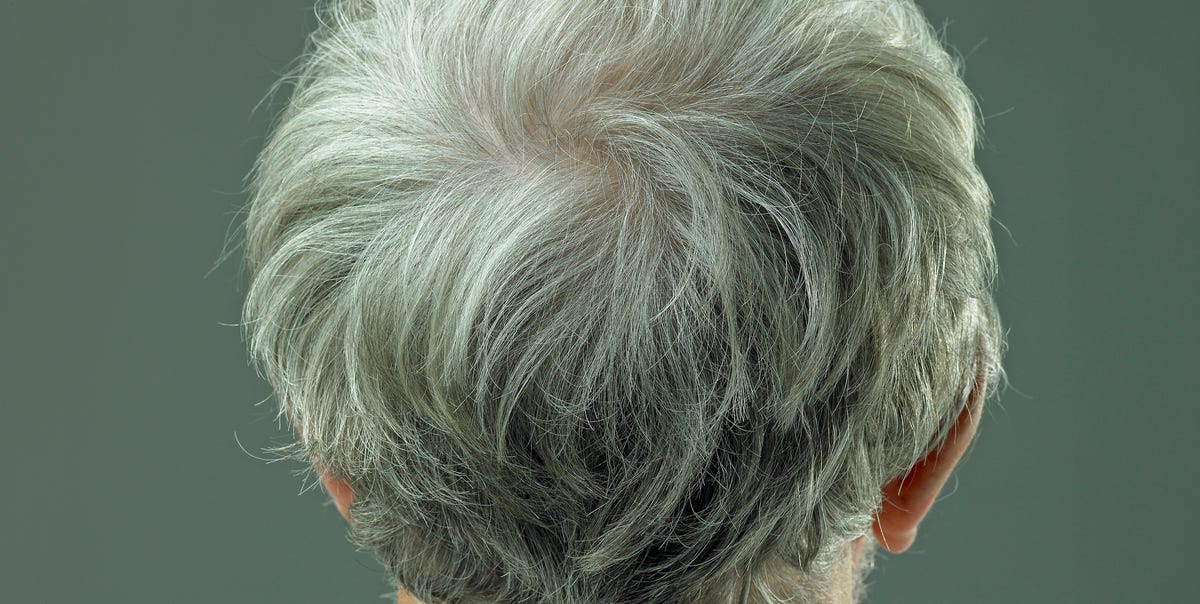
Gray hair has long been treated like a one-way ticket: once a strand goes silver, that’s itwelcome to the distinguished club, please collect your reading glasses at the door. But recent research has complicated that old assumption. Scientists studying hair pigmentation, stress, and melanocyte stem cells now say that gray hair may be reversible in certain situations.
Before anyone throws their box dye into the trash with dramatic movie-trailer music, let’s be clear: researchers have not discovered a guaranteed cure for gray hair. There is no proven over-the-counter serum, vitamin cocktail, scalp gadget, or “ancient moon-water rinse” that reliably restores natural hair color for everyone. However, studies in humans and animals suggest that graying may not always be permanent, especially when it is linked to stress, disrupted follicle biology, or potentially reversible health factors.
In other words, gray hair may be less like a locked door and more like a stubborn garage door: sometimes jammed, sometimes fixable, and sometimes absolutely not moving no matter how much you press the remote.
Why Hair Turns Gray in the First Place
Hair color comes from melanin, the pigment produced by specialized cells called melanocytes. These cells sit in the hair follicle and add pigment to each growing strand. When melanocytes slow down, become damaged, or disappear, less pigment reaches the hair shaft. The result is hair that looks gray, silver, or white.
Gray hair is usually associated with aging because the pigment system naturally becomes less efficient over time. Genetics plays a major role too. If your parents started going gray in their 30s, your follicles may already have the family calendar marked. Ethnicity can also influence timing, with average graying patterns varying among populations.
But age and DNA are not the only players. Researchers and dermatologists have linked premature graying with oxidative stress, smoking, certain autoimmune conditions, vitamin B12 deficiency, iron deficiency, thyroid problems, and intense psychological stress. Some of these factors may be modifiable, which is why the idea of gray hair reversal has moved from beauty myth to legitimate scientific question.
What the “Gray Hair May Be Reversible” Study Found
One of the most talked-about studies came from researchers at Columbia University, who developed a method to analyze pigmentation patterns along individual human hair shafts. Because hair grows gradually, each strand can act like a tiny biological timeline. A lighter section may reflect one period of life, while a darker section may reflect another.
The researchers examined hair samples from volunteers and compared pigment changes with reported stress levels. They found that some hairs appeared to lose pigment during stressful periods and regain pigment when stress decreased. In one memorable example, a participant’s hair darkened again during a vacation. Apparently, the follicle took one look at the calendar, saw “out of office,” and decided to bring back the color.
This does not mean a weekend nap will turn a full head of silver hair brown by Monday. The study involved individual hairs, not complete heads of hair, and the reversals appeared to happen within biological limits. Researchers suggested that hair may have a threshold: if a follicle is near the edge of graying, stress might push it over; if stress is reduced, the follicle may recover. But if the pigment-producing system is too depleted, reversal may no longer be possible.
The Stem Cell Clue: Are Pigment Cells Getting “Stuck”?
Another major discovery came from research on melanocyte stem cells, the cells that help regenerate pigment-producing melanocytes inside hair follicles. Scientists studying mice found that these stem cells need to move between different areas of the follicle to mature and help produce pigment. When the cells become trapped in the wrong compartment, they lose their ability to make color effectively.
This “stuck stem cell” model is exciting because it suggests graying may not always happen simply because pigment cells are gone forever. In some cases, the machinery may still be present but poorly positioned or inactive. If future therapies can help melanocyte stem cells move properly again, scientists may one day be able to prevent or reverse some forms of gray hair.
That is the big scientific hope. The practical reality is more modest: this research is still developing, much of it comes from animal studies, and no approved treatment currently exists to safely “unstick” pigment stem cells in human scalps.
Can You Reverse Gray Hair Right Now?
The honest answer is: sometimes a little, rarely dramatically, and not predictably.
Gray hair reversal has been observed in limited cases, especially when graying is related to stress, illness, medication effects, or nutritional deficiency. For example, correcting a severe vitamin B12 deficiency or thyroid disorder may improve hair health and, in rare cases, help restore some pigment. But for most people whose gray hair is driven by age and genetics, reversal is unlikely with current consumer products.
This is where many “anti-gray” products get ahead of the science. Shampoos, supplements, peptides, antioxidant blends, and herbal remedies may claim to restore natural color, but strong clinical evidence is limited. Some ingredients may support general hair health, and some early-stage cosmetic technologies are being studied, but none should be confused with a proven medical reversal treatment.
Stress and Gray Hair: What Is the Real Connection?
Stress has a complicated relationship with hair. It can contribute to shedding, worsen scalp conditions, disrupt sleep, affect nutrition, and influence hormone signaling. Some research also suggests stress can affect melanocyte stem cells and pigment production. However, stress is not the sole villain wearing a tiny black cape inside your hair follicle.
Plenty of people endure major stress without turning gray overnight. Others develop gray hair early even with relatively calm lives. Genetics remains powerful. Still, the research suggests that stress may accelerate graying in people who are already biologically vulnerable.
The important takeaway is not “never be stressed,” because that advice is about as useful as telling a cat to respect your furniture. The takeaway is that chronic stress may influence visible aging, including hair changes. Managing stress may not restore every gray strand, but it can support overall health, sleep, inflammation control, and possibly healthier hair growth.
When Gray Hair Might Be More Reversible
1. Stress-Linked Graying
If gray hairs appeared during a period of extreme emotional or physical stress, some pigment recovery may be possible once the body returns to a healthier baseline. This is most likely when the follicle has not permanently lost its pigment-producing capacity.
2. Nutritional Deficiency
Low vitamin B12, low iron, and other deficiencies have been associated with premature graying in some studies. Correcting a deficiency may improve hair quality and, in select cases, pigmentation. However, taking large doses of vitamins without a deficiency is unlikely to turn gray hair back to its original color.
3. Thyroid or Hormonal Issues
Thyroid disorders can affect hair texture, growth, shedding, and sometimes pigmentation. If graying is sudden, early, or paired with fatigue, weight changes, cold intolerance, or hair thinning, a medical evaluation may be worthwhile.
4. Medication or Medical Condition Effects
Rare reports of hair repigmentation have occurred in people undergoing certain medical treatments, including some cancer immunotherapies. These observations are scientifically interesting, but they do not mean those drugs should be used for cosmetic gray hair reversal. Medical treatments carry serious risks and are prescribed for specific diseases, not vanity battles with the bathroom mirror.
What Probably Will Not Reverse Gray Hair
Let’s gently escort a few myths out of the salon.
Plucking one gray hair will not cause seven more to grow in its place. That legend is follicular gossip. One follicle grows one hair. However, plucking can irritate the follicle, and repeated trauma may damage hair growth over time.
Onion juice, coconut oil, curry leaves, and other home remedies may make hair feel conditioned or give the scalp a temporary boost, but there is no strong evidence that they reliably reverse gray hair. If they make your hair shiny and your kitchen smell like dinner, fine. Just keep expectations grounded.
Anti-gray supplements should also be approached with caution. If you are deficient in a nutrient, supplementation may help. If you are not deficient, extra pills may do little beyond creating very expensive urine. Some supplements can also interact with medications or cause side effects, so it is smart to talk with a healthcare professional before taking high doses.
Practical Steps That May Help Support Natural Hair Pigment
Even though there is no guaranteed gray hair reversal plan, healthy habits can support the follicles you still have and may help slow premature graying linked to lifestyle factors.
Eat for Follicle Health
A balanced diet with adequate protein, iron, zinc, copper, vitamin B12, folate, and vitamin D supports healthy hair growth. Hair is not essential for survival, so when the body is undernourished, follicles are often among the first departments to face budget cuts.
Check Deficiencies Before Guessing
If you are going gray unusually early, especially before your mid-20s or with other symptoms, ask a clinician whether blood tests make sense. Testing may include vitamin B12, ferritin or iron status, thyroid function, and other markers based on your health history.
Manage Chronic Stress
Stress reduction does not need to look like a luxury spa commercial. Walking, sleep consistency, therapy, breathing exercises, strength training, social support, and fewer doom-scrolling marathons can all help. Your hair follicles may not send a thank-you card, but your nervous system will appreciate the effort.
Do Not Smoke
Smoking is linked with oxidative stress, premature aging, hair loss, and premature graying. Quitting may not recolor existing gray strands, but it supports circulation, skin health, and overall wellness.
Protect the Scalp and Hair
UV exposure, harsh chemical processing, heat styling, and chronic scalp inflammation can make hair look dull, brittle, and older. Gentle hair care will not reverse genetics, but it can make both pigmented and gray hair look healthier.
Should You See a Doctor About Gray Hair?
Gray hair is usually normal, especially with age or family history. But consider medical advice if graying appears very early, progresses suddenly, or comes with hair loss, fatigue, skin changes, weight changes, numbness, weakness, menstrual changes, or symptoms of autoimmune disease.
A dermatologist can evaluate the scalp and hair, while a primary care clinician can check for nutritional or thyroid issues. The goal is not to panic over every silver strand. The goal is to avoid missing a correctable health issue while your hair is politely waving a tiny gray flag.
The Future of Gray Hair Reversal
The next generation of gray hair research is focused on understanding how melanocyte stem cells age, why they stop functioning, and whether they can be reactivated safely. Scientists are exploring pathways related to oxidative stress, stem cell movement, immune signaling, and follicle regeneration.
Some experimental compounds have shown promise in animal models, and unusual cases of pigment return during certain medical treatments have sparked new questions. But the leap from laboratory discovery to safe, affordable, widely available treatment is enormous. Hair follicles may be tiny, but biology is not.
If researchers eventually develop a therapy that restores natural pigment, it will likely need to reach the right cells at the right depth, work only where needed, avoid disrupting normal cell behavior, and prove safe over time. That is a higher bar than making a conditioner smell like eucalyptus and confidence.
What This Means for People With Gray Hair Today
The best interpretation of the research is hopeful but realistic. Gray hair may be reversible in some limited circumstances. Stress-related pigment changes may sometimes shift back. Certain deficiencies or health problems may be treatable. Stem cell discoveries point toward future therapies that could one day prevent or reverse graying more effectively.
But for now, the most reliable ways to deal with gray hair are still cosmetic: dye it, highlight it, blend it, tone it, gloss it, or embrace it. Silver hair can look elegant, modern, rebellious, soft, powerful, or all of the above. The goal is not to declare war on gray hair. The goal is to understand what science actually says, then choose what makes you feel comfortable in your own reflection.
Experience-Based Observations: What Gray Hair Reversal Looks Like in Real Life
In everyday life, stories about gray hair reversal usually begin with surprise. Someone notices a strand that is white at the tip but darker near the root. Another person sees fewer grays after recovering from burnout, improving sleep, or correcting a deficiency. A friend swears their hair looked “less silver” after a long vacation. These stories are interesting because they match what researchers have observed: pigmentation can sometimes vary along a single hair shaft.
Imagine a 38-year-old project manager who spends six months juggling deadlines, family responsibilities, and sleep that can only be described as “decorative.” During that time, she notices more gray hairs at the temples. After changing jobs, exercising again, and sleeping seven hours most nights, she does not suddenly return to her college hair color. But she does notice that some new growth looks darker than expected. That is not proof of a miracle. It is an example of how the body may recover when a stress load drops.
Or picture a 27-year-old man who develops early graying and assumes genetics is the only explanation. A checkup finds low vitamin B12 and low ferritin. After medical guidance, dietary changes, and supplementation, his energy improves and his shedding decreases. Some hair may appear healthier and darker over time, though many gray strands remain. The lesson is practical: when graying is unusually early, it is worth checking for fixable causes rather than blaming your ancestors immediately.
There are also plenty of experiences where nothing reverses. A person reduces stress, eats beautifully, uses gentle hair care, takes appropriate supplements, and still goes gray. That does not mean they failed. It means their graying is likely driven by age, genetics, or pigment cell depletion beyond the point of recovery. Biology is not a customer service desk; it does not always issue refunds.
For many people, the most positive experience comes from changing the relationship with gray hair. Some choose soft highlights to blend silver strands. Others grow out dyed hair and discover that their natural gray has dimension, shine, and personality. Gray hair often needs different caremore moisture, less yellowing, gentle toning, and protection from heatbut it can look striking when maintained well.
The real-world takeaway is balanced: if your gray hair appeared suddenly or early, investigate stress, nutrition, thyroid health, smoking, medications, and scalp conditions. If your gray hair is part of normal aging, science may offer better options in the future, but today’s best strategy is a mix of healthy habits, realistic expectations, and personal style. Whether you reverse a few strands or decide to rock the silver, your hair is not a moral report card. It is just hairhighly visible, occasionally dramatic, and apparently full of scientific secrets.
Conclusion
Gray hair may be reversible, but only in specific cases and not with any currently proven universal treatment. Human studies suggest stress-related graying can sometimes reverse at the level of individual strands, while stem cell research shows that pigment-producing cells may become stuck or inactive rather than simply disappearing. These findings are exciting, but they are not a green light for miracle products.
If you are concerned about premature or sudden graying, focus on the basics first: manage stress, avoid smoking, eat a nutrient-rich diet, check for deficiencies or thyroid issues when appropriate, and see a healthcare professional if other symptoms appear. If your gray hair is mostly genetic or age-related, today’s science may not reverse itbut tomorrow’s research is looking a lot more colorful.
Note: This article is based on current research and expert information from reputable medical, dermatology, university, and science sources, including studies on human hair pigmentation patterns, melanocyte stem cells, stress biology, premature graying, and hair health. It is for informational publishing purposes only and is not a substitute for medical diagnosis or treatment.










