
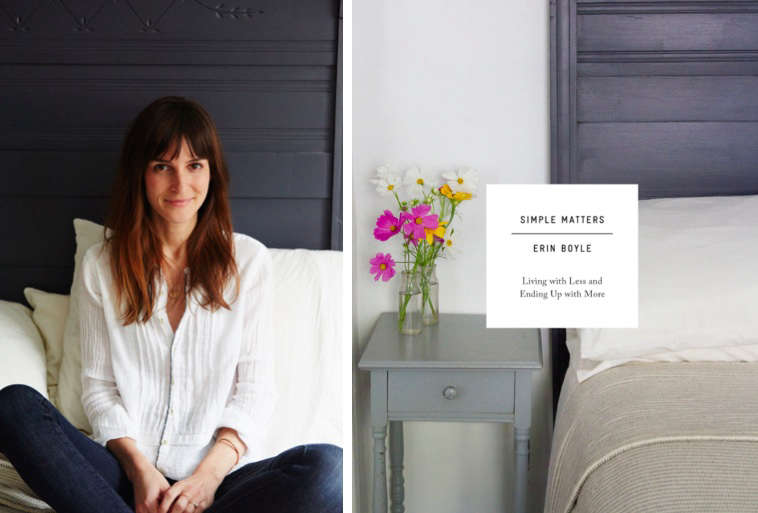
Modern life has a sneaky way of convincing us that the answer to every problem is one more purchase, one more subscription, one more storage bin, and possibly one more decorative pillow shaped like a pumpkin. Before long, the house is full, the calendar is packed, the inbox is growling, and somehow life still does not feel easier.
That is where simple living comes in. Living with less is not about becoming a minimalist monk who owns two socks and a single wooden spoon. It is about making room for what actually improves your life: time, financial breathing room, better focus, meaningful relationships, useful belongings, and experiences you remember long after the shipping box has disappeared.
What Does Living With Less Really Mean?
Living with less means being intentional about what you bring into your home, schedule, budget, and mind. It does not mean rejecting comfort, never buying anything new, or pretending that a broken coffee maker is a character-building opportunity.
Instead, simple living asks a few useful questions:
- Does this item serve a real purpose?
- Does this commitment support the life I want?
- Would I buy this again today?
- Is this adding value, or simply taking up space?
Those questions work for physical belongings, but they also apply to digital clutter, financial habits, social obligations, and routines that no longer fit. A simpler life is not necessarily smaller. In many cases, it becomes richer because fewer distractions compete for your attention.
Why Less Can Leave You With More
Less clutter can create more mental breathing room
A crowded environment can make everyday tasks feel heavier than they need to be. A countertop piled with unopened mail, mystery cords, old coupons, and three mugs with questionable stains does not just look busy. It gives your brain dozens of tiny unfinished tasks to notice.
When the visual noise drops, many people find it easier to focus, relax, and make decisions. You may not suddenly become a productivity wizard who color-codes taxes for fun, but it can become easier to start the thing you have been avoiding.
Less spending can create more freedom
Simple living often improves finances because it interrupts automatic spending. The goal is not to deny yourself every small pleasure. The goal is to stop spending money on things that create temporary excitement but long-term clutter, debt, maintenance, or regret.
When you spend with intention, money can go toward priorities that matter more: an emergency fund, debt repayment, family time, a hobby, a trip, education, a better mattress, or simply the calm feeling of not panicking when the car makes a new noise.
Less maintenance can create more time
Every object asks something from you. It must be cleaned, stored, charged, repaired, moved, insured, updated, matched, dusted, or eventually thrown away. A home packed with possessions can turn weekends into an unpaid job as the manager of Tiny Plastic Things.
Owning fewer unnecessary items reduces the maintenance burden. That can mean fewer laundry piles, fewer gadgets with missing chargers, fewer duplicate kitchen tools, and fewer moments spent searching for something that is technically in the house but spiritually in another dimension.
Less pressure can create more contentment
Consumer culture often tells us that happiness is one purchase away. A better outfit will make us confident. A new couch will make us sophisticated. A premium blender will finally transform us into people who enjoy kale at 6:00 a.m.
Nice things can absolutely improve daily life when they are useful and chosen carefully. But lasting satisfaction usually comes from deeper sources: health, relationships, security, purpose, gratitude, rest, and experiences shared with people we care about.
The Hidden Cost of “Maybe I’ll Need It Someday”
The phrase “maybe I’ll need it someday” has protected many perfectly good objects from the donation box. It has also protected cracked plastic containers, pants that have not fit since a previous presidential administration, and chargers for devices nobody can identify.
Keeping everything just in case can feel safe, especially when money has been tight or when an item carries emotional meaning. There is nothing wrong with saving useful supplies or sentimental belongings. The problem begins when “just in case” becomes the default answer to every decision.
A better question is: Would replacing this item someday cost me less than storing, managing, and worrying about it for years?
That question can be surprisingly freeing. You may decide to keep the item. Great. At least it stays because it earns its space, not because you felt guilty during a five-second debate with an old bread maker.
The Simple Matters Method: A No-Drama Reset
Start by defining what “more” means to you
Before getting rid of anything, decide what you want to gain. More savings? More room for your children to play? More quiet mornings? More travel? More time to read? More ability to invite people over without performing an emergency cleaning ritual?
Your version of simple living should support your real life. A family with two young children will own different things than a single person working remotely. A passionate baker will keep more kitchen tools than someone whose signature dish is cereal.
Choose one visible problem area
Do not begin by opening every closet, drawer, cabinet, and emotional memory box at once. That is how people end up sitting on the floor at midnight surrounded by old birthday cards and wondering why adulthood is so aggressive.
Choose one small space with an obvious payoff: the kitchen counter, bathroom cabinet, hallway drop zone, desk, handbag, laundry area, or car trunk. A completed small project builds momentum faster than a giant project that turns into a weekend-long identity crisis.
Sort by purpose, not guilt
Use simple categories:
- Keep: Useful, loved, regularly used, or genuinely meaningful.
- Donate or sell: Good-condition items that could help someone else.
- Recycle: Materials that can be responsibly processed.
- Discard: Broken, expired, unsafe, or unusable items.
A gift can be appreciated without becoming permanent furniture. A bargain is not a bargain if it sits unused for three years. And an item does not need to be terrible before you are allowed to let it go.
Declutter before buying more storage
Storage can be useful, but it is not a magical cure for excess. Buying a dozen matching bins before deciding what belongs in them is often just clutter wearing a nicer outfit.
Reduce first. Organize second. Then choose storage that supports your routines instead of hiding problems behind a stylish lid.
How to Spend Less Without Feeling Punished
Simple living works best when it feels like a choice, not a punishment. A restrictive budget that makes you miserable is unlikely to survive a stressful Tuesday.
Create a values-based spending plan
Start with needs: housing, food, transportation, insurance, utilities, healthcare, debt obligations, and savings. Then look at discretionary spending honestly, without shame. The point is not to judge every coffee or movie ticket. The point is to notice whether your spending matches your priorities.
For example, someone may say travel is important but spend most extra money on random online shopping. Another person may value health but keep paying for subscriptions they never use. A values-based budget helps your money stop wandering around unsupervised.
Use a waiting period for nonessential purchases
Try a 24-hour pause for smaller purchases and a 30-day pause for larger ones. Add the item to a list instead of checking out immediately. If you still want it after the excitement wears off, it may be a useful purchase. If you forget about it completely, congratulations: you just saved money without doing anything difficult.
Use the “cost per use” test carefully
Cost per use can help you buy better-quality items that you will genuinely use. A durable pair of shoes worn hundreds of times may be more valuable than a cheaper pair that hurts your feet and retires after three dramatic outings.
However, do not let “cost per use” become an excuse to buy a waffle maker because you imagine becoming a person who hosts weekly brunches. Buy for your actual habits, not your most ambitious Pinterest alter ego.
Make Your Home Serve Your Life
A simpler home does not need to look empty. It needs to function well. The best homes are not showrooms. They are places where people can rest, eat, work, play, recover, and occasionally lose a remote control without filing a missing-person report.
Start by making frequently used items easy to reach. Keep daily essentials near where you use them. Put a donation bag in a closet. Create one landing spot for keys, mail, and bags. Give every family member a realistic place for shoes, coats, and backpacks.
Small systems reduce the number of decisions you make each day. When everything has a reasonable home, tidying becomes less like a marathon and more like putting a few things back where they belong.
Digital Simplicity Counts Too
You can own very little and still feel overwhelmed by 18,000 unread emails, 47 browser tabs, and a phone screen that looks like a slot machine designed by a squirrel.
Digital clutter deserves the same attention as physical clutter. Start with a few manageable habits:
- Unsubscribe from emails that encourage unnecessary spending.
- Delete apps you do not use.
- Turn off nonessential notifications.
- Create folders for important documents and photos.
- Set a regular time to clear downloads and desktop files.
- Keep only the subscriptions that provide real value.
Digital simplicity does not mean disappearing from the modern world. It means making technology useful again instead of allowing it to constantly tug at your sleeve like a toddler who has discovered glitter.
Simplify Your Schedule, Not Just Your Stuff
Many people declutter their homes while leaving their calendars completely overstuffed. A simpler life also requires examining commitments.
Ask which activities truly matter, which ones can be delegated, and which ones no longer fit your season of life. Saying no is not always easy, especially when you care about people or want to be helpful. But every yes uses time, energy, and attention.
Build in margins. Leave room for rest, unexpected problems, unplanned conversations, exercise, hobbies, and doing absolutely nothing for a little while. A life with no empty space may look impressive from the outside, but it often feels exhausting from the inside.
What to Keep: Useful, Meaningful, and Joyful Things
Simple living is not a contest to own the fewest objects. Keep the things that support your values and make your daily life better.
Keep the good pan you use every day. Keep books you reread and tools you actually use. Keep family photos, meaningful heirlooms, hobby supplies that bring you joy, and clothes that make getting dressed easier rather than harder.
The goal is not emptiness. The goal is alignment. Your home should reflect who you are and how you live now, not who you thought you might become during a late-night online sale.
Simple Living Is Not a Competition
It is easy to turn minimalism into another performance. People compare capsule wardrobes, count possessions, and debate whether owning a toaster is evidence of moral weakness. That is not the point.
Your version of living with less may include a large book collection, a garage full of woodworking tools, art supplies, sports equipment, or a closet full of vintage clothes. The question is whether those items support a life you enjoy.
Simple matters because it gives you more control. It helps you spend with purpose, protect your time, reduce stress, and make room for people and experiences that cannot be shipped in a cardboard box.
A 30-Day Simple Living Reset
You do not need to transform your entire life by next weekend. Try one small action each day for 30 days.
- Day 1: Clear one countertop.
- Day 2: Unsubscribe from five marketing emails.
- Day 3: Donate five useful items.
- Day 4: Cancel one unused subscription.
- Day 5: Clean out your wallet or purse.
- Day 6: Create a simple meal plan for the week.
- Day 7: Put all important papers in one location.
- Day 8: Remove apps you do not use.
- Day 9: Pick one drawer and finish it completely.
- Day 10: Spend an evening without online shopping.
- Day 11: Make a list of what you already have before buying anything.
- Day 12: Put a donation bag near the front door.
- Day 13: Review automatic payments.
- Day 14: Say no to one unnecessary commitment.
- Day 15: Take a walk without your phone.
- Day 16: Cook a meal from food already in your kitchen.
- Day 17: Organize one digital folder.
- Day 18: Make your bed and clear the floor around it.
- Day 19: Identify one financial goal that matters to you.
- Day 20: Repair something before replacing it.
- Day 21: Spend time with someone without spending money.
- Day 22: Remove duplicates from your bathroom or kitchen.
- Day 23: Clear your car of trash and unused items.
- Day 24: Put tomorrow’s priorities on paper.
- Day 25: Donate or recycle old electronics responsibly.
- Day 26: Create a “wait before buying” list.
- Day 27: Let go of one item kept only out of guilt.
- Day 28: Leave one evening unscheduled.
- Day 29: Notice what feels easier after simplifying.
- Day 30: Choose one habit you want to keep.
Experience: What Living With Less Can Feel Like in Real Life
Imagine a person named Alex. Alex is not a minimalist influencer. Alex has a normal job, a busy schedule, a kitchen drawer full of takeout menus from restaurants that closed years ago, and a closet that somehow contains both winter coats and a beach towel shaped like a taco.
One Saturday morning, Alex decides to clean the apartment. The original plan is simple: put away laundry and wipe down the kitchen counter. But the counter is crowded with unopened mail, reusable bags, half-empty candles, receipts, a blender attachment, and a small pile of objects that can only be described as “things that appeared.”
Instead of buying organizers, Alex starts by removing what is obviously unnecessary. Old receipts go into the trash. Expired coupons disappear. Duplicate utensils move into a donation box. Unused gadgets are placed in a separate pile for resale or recycling. The counter is not suddenly magazine-perfect, but it becomes usable again.
That small win changes the mood of the entire day. Alex makes lunch without moving five unrelated objects first. Later, while looking for a phone charger, Alex notices how many duplicate cords have accumulated. A few are saved, several are recycled, and one mysterious cable is finally released back into the wild.
The next week, Alex tries a different kind of simplicity: spending. Before ordering another unnecessary item online, Alex waits 48 hours. Half the time, the desire disappears. The other half, the purchase still feels useful, but now it is intentional. There is less buyer’s remorse, fewer boxes by the door, and no growing mountain of “I thought this would change my life” products.
After a month, Alex is not living in an empty apartment with one chair and a plant named Greg. The home still has books, comfortable furniture, cookware, favorite clothes, family photos, and a drawer full of snacks. The difference is that the useful things are easier to find, the meaningful things are easier to appreciate, and the unnecessary things no longer control the space.
There are practical benefits too. Alex spends less money replacing lost items because they are no longer buried under clutter. Cleaning takes less time. Grocery shopping becomes more efficient because food is visible before it expires. Getting dressed is easier because the closet contains clothes that actually fit and get worn.
But the biggest change is emotional. Alex feels less behind. The apartment no longer looks like a list of chores waiting to happen. It feels like a place to rest. There is room to invite friends over without a two-hour panic-cleaning sprint. There is room to think. There is room to sit down with coffee and not immediately notice twelve things that need attention.
That is the quiet reward of simple living. You do not always notice it in one dramatic moment. It appears in small ways: a calmer morning, a clearer desk, a lower credit-card bill, an easier decision, an open shelf, a free afternoon, or the pleasure of finding exactly what you need when you need it.
Conclusion: Less Is Not the Goal; More Life Is
Living with less is not about proving that you can survive with fewer belongings than your neighbor. It is about removing what gets in the way of the life you want to live.
When you simplify your home, spending, schedule, and digital world, you often gain more of the things that cannot be bought impulsively: time, attention, peace, flexibility, financial confidence, and connection. Start small. Clear one surface. Cancel one subscription. Pause before one purchase. Let one unnecessary item go.
Simple matters because life is already full enough. The best kind of “more” is not another box on the porch. It is more room to enjoy the life already happening inside your home.














