
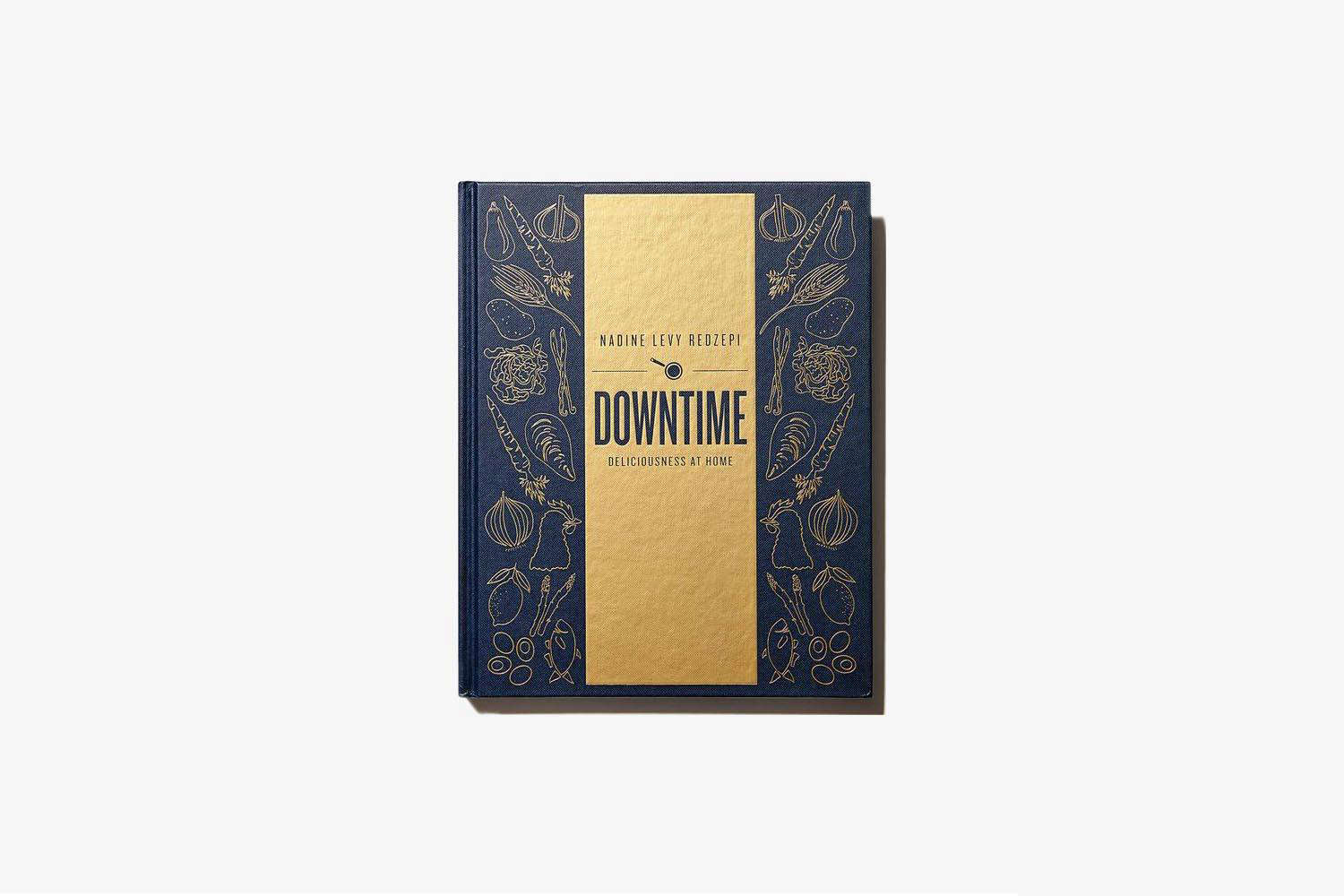
Imagine living with one of the world’s most celebrated chefs. Every casual Tuesday dinner must involve tweezers, edible moss, and a sauce that took three lunar cycles to ferment, right? Fortunately, Downtime: Deliciousness at Home offers a much warmer answer: absolutely not.
Written by Nadine Levy Redzepi, the cookbook steps away from the experimental atmosphere associated with Copenhagen’s Noma and enters a lively family kitchen filled with roast chicken, sizzling pork chops, creamy desserts, children underfoot, and guests who are perfectly willing to eat before the garnish achieves enlightenment.
Published by Pam Krauss Books/Avery on October 24, 2017, the 304-page cookbook explores the territory between ordinary family dinners and celebratory feasts. Its guiding idea is that comforting home food can be relaxed and recognizable without being dull. A weeknight meal may be simple, but that does not mean it has to arrive with the emotional charisma of a damp paper towel.
What Is Downtime: Deliciousness at Home About?
Downtime is Nadine Levy Redzepi’s collection of the dishes she cooks for her family and friends when life slows down enough for everyone to gather in the kitchen. The title does not necessarily describe silent hours spent meditating beside a perfectly organized spice drawer. In the Redzepi household, downtime can mean children talking, groceries being unpacked, vegetables being chopped, and several people stirring different things at once.
That cheerful disorder is central to the book. Cooking is presented not merely as the task that happens before eating, but as part of the pleasure itself. The household comes together to mix, taste, chat, and occasionally discover that someone has used the last clean bowl.
The recipes move comfortably among Scandinavian, Portuguese, French, and broadly European influences. Some are rooted in Levy Redzepi’s childhood memories, while others reflect the meals she developed as an adult cooking for her husband, chef René Redzepi, their children, relatives, and visiting friends.
The result is neither a simplified Noma cookbook nor an attempt to recreate fine dining at home. It is a personal home-cooking book with confidence, butter, acidity, herbs, crisp textures, and no apparent fear of dessert.
A Cookbook Born From Family Memories
The earliest version of Downtime was not created in a publishing office. While pregnant with her first daughter, Levy Redzepi began thinking about the recipes she wished had been preserved from her own family. She bought a notebook and started recording the foods she wanted to pass down to the next generation. Over the following years, that personal collection developed into her debut cookbook.
This origin explains why the book feels intimate rather than instructional in a stern, culinary-school manner. The recipes are tied to people, seasons, celebrations, and repeated family rituals. Food is not treated as an isolated product appearing beneath studio lights. It arrives with history attached.
Her Portuguese pork chops and rice, for example, recall the smell of pork, garlic, and lemon cooking together during her childhood. Roast chicken is associated with welcoming her husband home after a long trip. A dish of chicken livers with tomatoes and chile carries memories from an early dinner in their relationship.
These connections give the recipes emotional weight without making the cookbook sentimental or precious. You are still expected to cook dinner, not stare into the middle distance while holding a lemon.
Approachable Food With a Refined Edge
The most appealing feature of Downtime: Deliciousness at Home is the way it combines rustic home cooking with carefully considered details. Levy Redzepi does not transform a pork chop into a conceptual installation. Instead, she asks how the pork chop could become juicier, more aromatic, and better suited to the rice waiting beside it.
This is comfort food with good posture.
Many dishes begin with familiar ingredients and then gain personality through a strong sauce, an unexpected spice, a generous handful of herbs, or a contrast between creamy and crisp elements. Turmeric can turn pan-fried bread into a golden foundation for toppings. A simple cake can become a flexible template for seasonal fruit. Globe artichokes become a social centerpiece when served with a powerful herb dip rather than divided into individual portions like edible paperwork.
Levy Redzepi has explained that she wrote the recipes as though she were guiding a relative who loved eating but lacked confidence in the kitchen. That approach produces instructions designed to encourage rather than intimidate. The food may look polished, but the reader is not expected to possess restaurant training, a culinary laboratory, or forearms developed by whisking gallons of cream.
Recipes That Define the Downtime Style
Roast Chicken and Satisfying Main Dishes
Roast chicken captures the spirit of the book especially well. It is familiar, widely loved, and suitable for both a quiet dinner and a crowded table. In Levy Redzepi’s cooking philosophy, the difference between everyday food and special-occasion food is often created by attention rather than extravagance.
Other savory examples include baked salmon with potatoes, mussels with chorizo, Portuguese pork chops with rice, and dishes built around vegetables, grains, eggs, and full-flavored dressings. They are substantial enough to feel celebratory but recognizable enough that diners do not need a ten-minute tableside briefing before taking the first bite. Several of these family recipes were shared when the cookbook was introduced to a wider audience, reinforcing its practical, cookable character.
The Do-It-All Cake
The book’s “do-it-all” vanilla cake demonstrates how one dependable recipe can become part of a home cook’s regular repertoire. Rather than relying on elaborate decoration, the cake emphasizes buttery flavor and adaptability. It can be paired with different fruits, creams, and seasonal additions, making it useful for birthdays, afternoon coffee, or a Wednesday that has been unusually rude.
This type of recipe is especially valuable because it builds confidence. Once a cook understands the base cake, variations feel less like risky experiments and more like informed improvisation.
Frozen Avocado Cake
One of the more surprising desserts is the frozen avocado cake. Avocado is blended with cream cheese, citrus, and sweetened condensed milk, then set over a cookie crust. The concept sounds suspiciously like the result of losing a bet at brunch, but the ingredients make culinary sense: avocado provides richness, citrus provides brightness, and cream cheese supplies the unmistakable structure of cheesecake.
The finished dessert is creamy, cold, and suited to warm weather. Epicurious later highlighted the recipe as an easy, eight-ingredient dessert rather than a novelty created merely to make social media turn green.
Food Designed for Sharing
Many Downtime dishes encourage people to interact with the food. Shared artichokes invite diners to pull leaves from the same platter. Chips topped with salmon tartare become casual bites for a party. Large roasts and layered desserts are carried to the table whole, creating a small moment of theater before everyone begins serving themselves.
This is hospitality without excessive ceremony. Guests receive generous food, but the host remains part of the gathering instead of disappearing into the kitchen to negotiate with twelve tiny garnishes.
Everyday Cooking Meets Special Occasions
The book’s central promise is that family meals and celebration food do not have to occupy separate culinary universes. A cook can prepare something comforting on a normal evening and use the same instincts when feeding a holiday crowd.
The Redzepi family’s Christmas gatherings provide a larger example of that philosophy. Their holiday table has included apple-and-prune-stuffed goose, porchetta, caramel potatoes, braised red cabbage, rice pudding, smoked fish, salmon tartare, and walnut crescent cookies. The menu is ambitious, but it remains grounded in recognizable flavors, family traditions, and food designed to be passed around.
The lesson is not that every reader should immediately roast a goose while casually producing porchetta in a second oven. The lesson is that special food can grow naturally from familiar techniques. A good salad can sit beside a grand roast. Homemade chips can support an elegant topping. A childhood cookie can be just as important as the most expensive ingredient on the table.
Why the Book Still Feels Relevant
Although Downtime was published in 2017, its approach fits the continuing interest in practical home cooking. A 2025 survey of 5,000 American adults found that 93 percent expected to cook at home as much as or more than they had during the previous year. Respondents identified economic pressure, health goals, family connection, creativity, and stress relief as major motivations.
The cookbook speaks to those motivations without reading like a financial lecture or nutrition pamphlet. It makes staying home attractive because the food itself is appealing. Saving money may encourage someone to skip a restaurant reservation, but buttery cake and crisp-edged potatoes are far more persuasive ambassadors.
Research discussed by Harvard Health and medical researchers has also associated frequent home cooking with better diet quality, greater fruit and vegetable intake, lower consumption of some less nutritious foods, and more opportunities for families to connect. These benefits depend on what people cook, of course. Preparing a homemade tower of frosting every night does not become a vegetable merely because you washed the mixing bowl yourself.
Still, home cooking gives people greater control over ingredients, portions, preparation methods, and the atmosphere surrounding the meal. It can also turn eating into a shared ritual rather than another task completed while looking at a screen.
Practical Lessons Home Cooks Can Borrow
Build a Collection of Dependable Recipes
A functional home kitchen does not require a brand-new recipe every evening. A small collection of reliable dishes is more useful than a digital folder containing 4,000 recipes you have admired and zero recipes you have cooked.
Choose a dependable roast, one flexible pasta, a soup, a grain-based meal, a vegetable dish, and a simple dessert. Repetition develops instinct. Once the foundation becomes familiar, change the herbs, vegetables, sauces, or toppings according to the season.
Use Contrast to Make Simple Food Exciting
Restaurant-quality pleasure often comes from contrast rather than complexity. Pair something rich with something acidic. Put a crisp topping over a creamy base. Add fresh herbs to a slowly cooked dish. Serve a warm cake with cold cream or a cold dessert with fragrant citrus zest.
These small choices create dimension without requiring seventeen pans and a dishwasher who owes you a favor.
Let Guests Participate
Shared platters reduce pressure on the host and make dinner feel more social. Put the salad in a large bowl. Bring the roast to the table. Let guests assemble toast, spoon on sauces, or pass vegetables around.
Participation turns dinner from a presentation into an experience. It also allows picky eaters to quietly avoid the olives without requesting a formal diplomatic meeting.
Respect the Basics of Food Safety
Relaxed cooking should not become reckless cooking. Keep raw meat separate from foods that will be served without further cooking, wash hands and work surfaces, refrigerate perishable ingredients promptly, and use reliable temperature guidance when cooking meat, poultry, seafood, and eggs. The FDA emphasizes safe practices from grocery shopping through storage, preparation, and serving.
Who Will Enjoy Downtime: Deliciousness at Home?
This cookbook is particularly suitable for readers who enjoy generous, European-influenced home cooking and want recipes that feel special without becoming theatrical. It may appeal to:
- Home cooks who want to move beyond basic weeknight meals.
- Families interested in building their own food traditions.
- Hosts who prefer shared platters and relaxed gatherings.
- Bakers looking for adaptable cakes and memorable desserts.
- Food lovers curious about the meals surrounding the Noma family.
- Beginners who appreciate detailed, encouraging instructions.
Readers searching for highly restrictive diet plans, ultra-fast five-minute meals, or a technical guide to New Nordic restaurant cooking may need a different book. Downtime is about pleasure, generosity, memory, and the kind of food that makes people stay at the table after their plates are empty.
The Deeper Meaning of Deliciousness at Home
The lasting appeal of the book lies in its definition of deliciousness. Flavor matters enormously, but deliciousness is not limited to what happens on the tongue. It includes the smell moving through the house, the anticipation of a favorite meal, the person who taught you a recipe, and the people who appear when dinner is ready.
A restaurant can provide surprise, precision, and spectacle. Home offers repetition, familiarity, and ownership. You can adjust the lemon, increase the garlic, serve dinner late, or eat the last piece of cake directly from the refrigerator while pretending you are merely reorganizing the shelves.
Downtime: Deliciousness at Home argues, without turning the argument into a manifesto, that these ordinary moments deserve serious culinary attention. Home cooking does not need to imitate restaurant cooking to be important. It only needs care, flavor, and someone willing to wash the roasting pan.
A 500-Word Experience: Bringing the Downtime Philosophy Home
A realistic Downtime-inspired cooking experience begins before any flame is lit. You choose one main dish, one vegetable, and a dessert that can tolerate human imperfection. The objective is not to prove that you deserve your own cooking show. It is to create an evening people will enjoy.
Suppose the menu begins with roast chicken, potatoes, a sharp green salad, and a simple vanilla cake topped with berries and cream. None of those dishes is shocking. That is precisely the advantage. Because the flavors are familiar, you can focus on making each component satisfying.
The chicken comes out of the refrigerator early enough to lose its deep chill. You season it generously, place it over onions or vegetables, and slide it into the oven. Within half an hour, the kitchen smells like someone responsible lives there.
While the chicken roasts, you prepare the potatoes. Perhaps they are boiled first and lightly crushed so their rough edges become crisp in the oven. A little patience transforms them from dependable side dish to the item everyone steals while pretending to help set the table.
The salad waits until the end. Its vinaigrette is deliberately bright because the chicken and potatoes are rich. Mustard, vinegar, salt, and oil are whisked together, tasted, and adjusted. This brief act captures one of the cookbook’s most useful habits: tasting is not an optional activity reserved for professionals. It is how the cook participates in the recipe.
Guests arrive while something is still cooking. That is not a crisis. Drinks are poured, someone is asked to toss the salad, and another person carries plates to the table. The kitchen becomes shared territory rather than a restricted production zone.
When the chicken is ready, it rests before carving. This pause is useful rather than inconvenient. It gives the potatoes time to finish and gives the cook time to remember the bread that has been sitting unnoticed on the counter.
Dinner is served on platters. The chicken is not divided into mathematically identical portions. The potatoes are piled high, the salad is passed around, and everyone chooses what they want. Someone takes too much crispy skin. This is unfortunate but historically inevitable.
Later, the cake appears with softly whipped cream and berries. Its surface may have a crack or one side may be slightly taller than the other. Once sliced and eaten, these structural controversies lose urgency.
The memorable part of the evening is not technical perfection. It is the gradual accumulation of small pleasures: the smell of roasting food, the first crisp potato, the conversation that continues through dessert, and the satisfaction of seeing an almost empty platter.
That is the practical experience at the heart of Downtime. Cooking at home becomes meaningful when the cook stops treating dinner as either a chore to escape or a performance to perfect. The meal can be generous without being extravagant, polished without being stiff, and memorable without containing a single edible flower.
Conclusion
Downtime: Deliciousness at Home succeeds because it celebrates ambitious flavor while remaining loyal to the realities of family cooking. Nadine Levy Redzepi offers recipes shaped by childhood memories, international influences, busy household life, and the belief that ordinary meals deserve attention.
The book encourages cooks to master a few dependable dishes, use sauces and contrasting textures intelligently, welcome guests into the process, and stop saving their best ideas for hypothetical special occasions. Tuesday is an occasion. So is Sunday lunch. So is eating cake because the berries looked good at the market.
Ultimately, deliciousness at home is not about reproducing a famous restaurant. It is about creating food that belongs to the people eating it. That may be the most luxurious kind of downtime available.
Note: This original article synthesizes information from established publishing, culinary, health, and food-safety sources and is formatted for web publication.














