
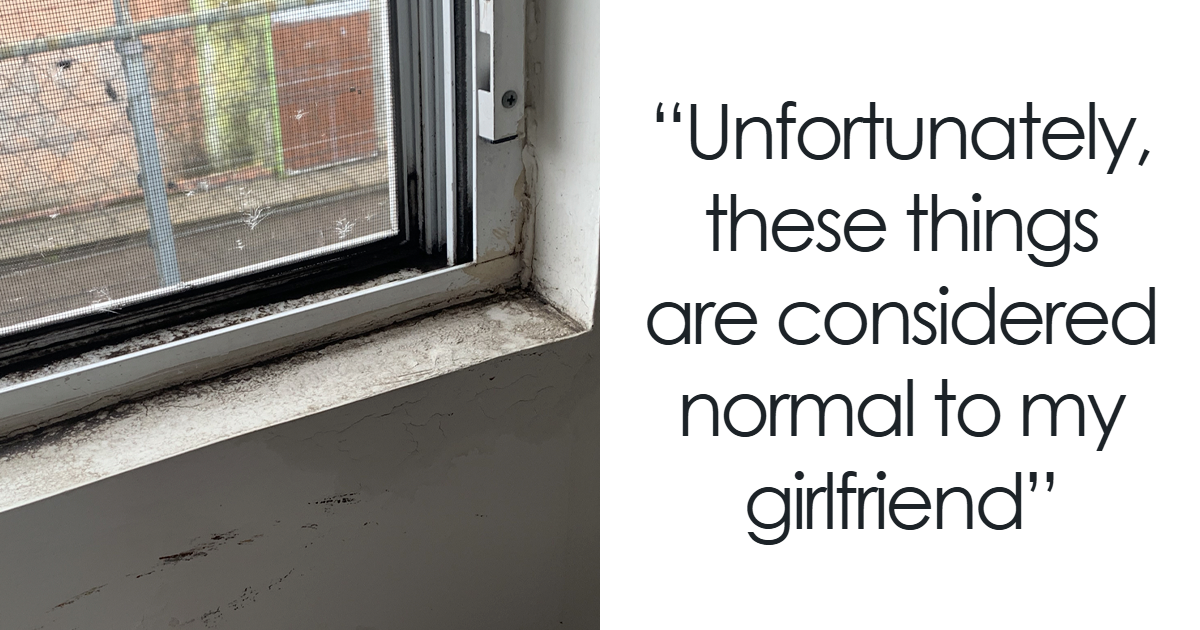
Long-distance relationships already come with a suitcase full of challenges: missed calls, awkward time zones, expensive flights, and the emotional whiplash of saying “I miss you” through a screen. But one man’s week-long visit to his long-distance girlfriend’s family house reportedly gave him a surprise he did not pack for: a home so dirty that romance had to step aside and let basic hygiene take the microphone.
The story, which has circulated widely in online relationship discussions, hit a nerve because it is not just about one messy house. It is about what happens when love meets lifestyle differences, when family habits become relationship problems, and when someone realizes that “quirky” and “unsanitary” are not neighborsthey live in different zip codes.
At first glance, the headline sounds like classic internet drama: man visits girlfriend, sees mess, panics. But beneath the shock value is a surprisingly serious question. How much should a person tolerate when the issue is not personality, politics, or pineapple on pizza, but the basic condition of the place where someone lives?
The Visit That Turned Into A Relationship Wake-Up Call
In the reported story, the man had been dating his girlfriend long-distance, which meant most of their relationship had been built through calls, messages, photos, and planned visits. Long-distance dating can make people feel deeply connected, but it can also hide everyday habits. You may know someone’s favorite movie, childhood nickname, and coffee order, yet have no idea whether their kitchen sink looks like a science fair project.
When he finally spent a week at his girlfriend’s family home, the reality was difficult to ignore. The house was not simply cluttered in the normal “we live here” way. According to the story, the environment felt neglected, uncomfortable, and unhygienic. The kind of dirty that makes a guest wonder whether they should unpack their clothes or keep everything sealed like evidence.
That is why the situation spread online. Many readers were not reacting to a few dishes or laundry baskets. They were reacting to the emotional trap: he loved his girlfriend, but he could not picture a future in a home environment that made him feel physically uncomfortable.
Messy vs. Filthy: Why The Difference Matters
Everyone has a different definition of clean. Some people alphabetize spices and fold towels like they work at a five-star hotel. Others consider a room “clean” if they can walk across it without stepping on something crunchy. A little clutter is normal. A lived-in home is not a crime scene.
But there is a meaningful difference between mess and filth.
Mess is usually temporary
Mess looks like mail on the counter, shoes near the door, laundry waiting to be folded, or a coffee mug that has been emotionally abandoned on a desk. It may be annoying, but it can usually be fixed with an hour of effort and a playlist.
Filth affects health, comfort, and safety
Filth is different. It may involve spoiled food, lingering odors, mold, pests, dirty bathrooms, unsafe floors, or kitchens that cannot be used properly. Public health guidance from organizations such as the CDC and EPA repeatedly points out that moisture, mold, and poor household hygiene can contribute to breathing issues, allergies, irritation, and general discomfort, especially for people with asthma or other sensitivities.
That is where this story becomes more than a relationship complaint. If a home environment makes a guest feel unsafe eating, sleeping, showering, or breathing comfortably, the issue is no longer “he is too picky.” It becomes a lifestyle compatibility problem.
Why A Dirty Home Can Feel Like A Relationship Red Flag
A dirty house does not automatically mean someone is a bad partner. That would be unfair and, frankly, too easy. Homes become messy for many reasons: poverty, stress, illness, disability, depression, demanding work schedules, family conflict, lack of support, or simply never being taught cleaning routines.
Still, when someone is considering a serious relationship, the state of the home can reveal important clues. It may show how a person handles responsibility, conflict, daily routines, and uncomfortable conversations. It can also reveal family dynamics that may affect the couple later.
For a long-distance couple, the shock can feel even bigger. Distance allows romance to exist in curated form. You see the good lighting, the cute selfies, the late-night honesty. You do not always see the trash schedule, the bathroom habits, or whether anyone in the house believes a sponge has a retirement age.
Cleanliness And Compatibility: It Is Not About Perfection
Relationship compatibility is not about finding someone who cleans exactly the way you do. It is about finding someone who can communicate, compromise, and respect shared space. A neat person and a messy person can absolutely build a happy life togetherif both are willing to meet in the middle.
The real issue begins when one person says, “This environment makes me uncomfortable,” and the other person dismisses it, jokes it away, or treats basic hygiene as an attack on their identity.
According to relationship research and surveys from groups such as Pew Research Center, household chores matter more than many people want to admit. Sharing domestic responsibilities is often linked to relationship satisfaction because chores are not just chores. They represent fairness, maturity, and whether one person feels like a partner or an unpaid facilities manager.
The Emotional Side: Shame, Defensiveness, And Family Loyalty
One reason this man’s situation is so tricky is that the home belongs to his girlfriend’s family. Criticizing the house could feel like criticizing her parents, her upbringing, and her personal history. Even a careful comment can land like a piano dropped from a balcony.
People often become defensive about their homes because homes are personal. They carry memories, habits, culture, and sometimes survival strategies. Someone who grew up around clutter may not notice it the same way an outsider does. Someone from a strict cleaning household may find even moderate mess stressful. Both people may feel completely reasonable from their own side.
This is why the best approach is not, “Your family house is disgusting.” That sentence is not communication; it is a grenade wearing a hat. A better approach is specific, calm, and focused on personal comfort: “I care about you, but I had a hard time staying there because the kitchen and bathroom felt unhygienic to me. I need to talk about what our shared living standards would look like if we become more serious.”
When Cleanliness Points To Deeper Problems
Sometimes a filthy home is simply the result of neglect or poor habits. Other times, it may point to deeper issues. The Mayo Clinic and Cleveland Clinic describe hoarding disorder as a mental health condition involving difficulty parting with possessions, often to the point where rooms cannot be used as intended. That does not mean every messy home involves hoarding. It does mean extreme clutter should be approached with more care than mockery.
There may also be financial issues. A family may lack resources for repairs, pest control, storage, laundry, or cleaning supplies. There may be caregiving stress, grief, depression, or long-standing family conflict. In other words, the mess may be visible, but the cause may be hidden.
That said, compassion does not require someone to ignore their own boundaries. You can understand why a home became unhealthy and still decide you cannot live that way. Empathy is not the same as moving in and pretending the smell is “rustic.”
What He Should Consider Before Making A Decision
If the man in this story wants to evaluate the relationship fairly, he should separate three questions.
1. Is this her family’s lifestyle or her personal lifestyle?
People do not always live like their parents. A girlfriend who grew up in a dirty home may personally want something cleaner and healthier. She may even feel embarrassed by the situation. Before assuming the family house predicts the couple’s future, he should ask how she feels about it.
2. Can she talk about it without denial?
The biggest red flag may not be the dirty house itself, but whether she refuses to discuss it. If she can say, “Yes, it is a problem, and I do not want to live like that,” there is hope. If she says, “You are dramatic; it is fine,” while something mysterious waves from the corner, then the couple may have a bigger compatibility problem.
3. What standards would they share as adults?
A future together requires practical agreements: dishes, laundry, trash, bathrooms, bedding, pets, guests, food storage, and cleaning frequency. These topics are not glamorous, but neither is arguing over a sink full of dishes at midnight.
How To Talk About A Partner’s Dirty Home Without Starting World War Mop
Bringing up hygiene is delicate. The goal is not to humiliate someone. The goal is to understand whether both partners can create a safe, comfortable shared life.
Start with feelings, not insults. Say, “I felt uncomfortable sleeping there,” instead of “Your house is gross.” Be specific without making a courtroom presentation. Mention concrete examples like the bathroom, food storage, or trash, not vague attacks such as “everything is nasty.” Ask questions: “Is this something that bothers you too?” or “How would you want your own place to feel?”
Most importantly, avoid turning the conversation into a character trial. A dirty home is a problem to discuss, not proof that someone is unlovable. But if the partner refuses every conversation, avoids responsibility, or expects the other person to adapt to an unhealthy environment, then it becomes fair to question the future.
Why The Internet Was Divided
Stories like this always split the comment section into teams. One group says he should run immediately, preferably after disinfecting his shoes. Another group says he should be kinder because poverty, mental health, or family circumstances may be involved. A third group asks why he did not simply help clean, which is easy to say from a couch that does not smell suspicious.
The most balanced response is this: he should not shame his girlfriend, but he also should not ignore his own discomfort. Love can survive awkward conversations. It cannot survive years of resentment, disgust, or one person secretly hoping the other will develop a sudden passion for bleach wipes.
What This Story Teaches About Long-Distance Relationships
Long-distance relationships can be meaningful, strong, and deeply romantic. They can also delay important discoveries. When couples live apart, they often meet in special-event mode: vacations, planned visits, restaurants, cute outfits, and carefully cleaned guest rooms. Everyday habits stay backstage.
That is why in-person visits matter. They reveal how someone treats service workers, handles stress, respects shared spaces, and lives when nobody is curating the moment. A week in a partner’s family home may teach more than six months of texting.
The lesson is not that everyone must have a spotless home. The lesson is that lifestyle differences need daylight. If one partner values cleanliness as basic safety and the other views it as optional decoration, the couple needs a serious conversation before moving forward.
Healthy Standards Are Not Snobbery
It is easy to feel guilty for being bothered by filth, especially when you care about someone. But wanting a clean bathroom, safe kitchen, fresh bedding, and breathable air is not snobbery. It is normal. The Sleep Foundation, allergy organizations, and public-health experts all emphasize that clean sleeping spaces, reduced dust, good ventilation, and moisture control can support better health and comfort.
Cleanliness does not have to mean luxury. It means the trash goes out. Food is stored safely. Wet areas dry properly. Bedding gets washed. Floors are walkable. Bathrooms are usable. The home does not have to look like a magazine cover. It just needs to stop auditioning for a disaster documentary.
Five Real-Life Experiences This Story Brings To Mind
Many people have had a smaller version of this experience. Maybe they visited someone they liked and realized the apartment smelled like old laundry and takeout containers. Maybe they stayed with relatives and discovered the guest room was technically a storage unit with a pillow. Maybe they went to a friend’s house and spent the whole evening calculating how to avoid touching surfaces without looking like a nervous raccoon.
One common experience is the “first overnight visit reality check.” Dating outside the home can hide a lot. Restaurants are clean because someone is paid to keep them that way. Movie theaters do not reveal whether a person changes their sheets. But the first overnight stay shows how someone actually lives. It can be sweet and intimate, or it can make a person suddenly remember an urgent appointment in another state.
Another experience is the awkward guest dilemma. When you are staying in someone else’s home, you do not want to be rude. You smile, say thank you, and pretend the bathroom situation has not permanently changed your personality. Guests often feel trapped because complaining seems impolite, but silence can feel dishonest. This is especially hard when the host is a partner’s family. You are not just judging a home; you are stepping into someone’s history.
A third experience is realizing that people normalize what they grow up around. Someone raised in a spotless house may feel anxious when dishes sit overnight. Someone raised in chaos may not see clutter until an outsider reacts. Neither person is automatically wrong, but both need awareness. A shared future requires more than love; it requires a shared definition of “acceptable.”
A fourth experience involves embarrassment. The girlfriend in this situation might already know the house is dirty. She may feel stuck between loyalty to her family and fear of being judged. That can create shame, and shame often makes people defensive. A caring partner should leave room for that possibility. The right conversation can sound less like “What is wrong with you?” and more like “How do you feel about living this way?”
The fifth experience is the boundary moment. Sometimes a person realizes, clearly and suddenly, what they can and cannot accept. That does not make them shallow. People are allowed to have standards for the environment they sleep in, eat in, and eventually may raise children in. A relationship can be full of affection and still fail the practical test. Love is powerful, but it should not require ignoring mold, pests, or chronic discomfort.
Final Thoughts: Love Needs Honesty, Not A Hazmat Suit
The story of a man spending a week in his long-distance girlfriend’s family house and being shocked by the filth is dramatic, but it is also deeply relatable. It reminds us that relationships are not built only on chemistry, jokes, and good morning texts. They are built on daily life: chores, habits, standards, responsibility, and the ability to talk about uncomfortable things without turning every concern into an insult.
If he loves her, he should speak honestly and kindly. If she values the relationship, she should listen without dismissing his discomfort. Together, they need to decide whether the family home was an unfortunate circumstance or a preview of their future. Because while nobody needs a perfect home, everyone deserves a healthy one.
In the end, the real question is not whether he can survive one dirty week. The question is whether both of them can build a life where love does not have to hold its breath.














