
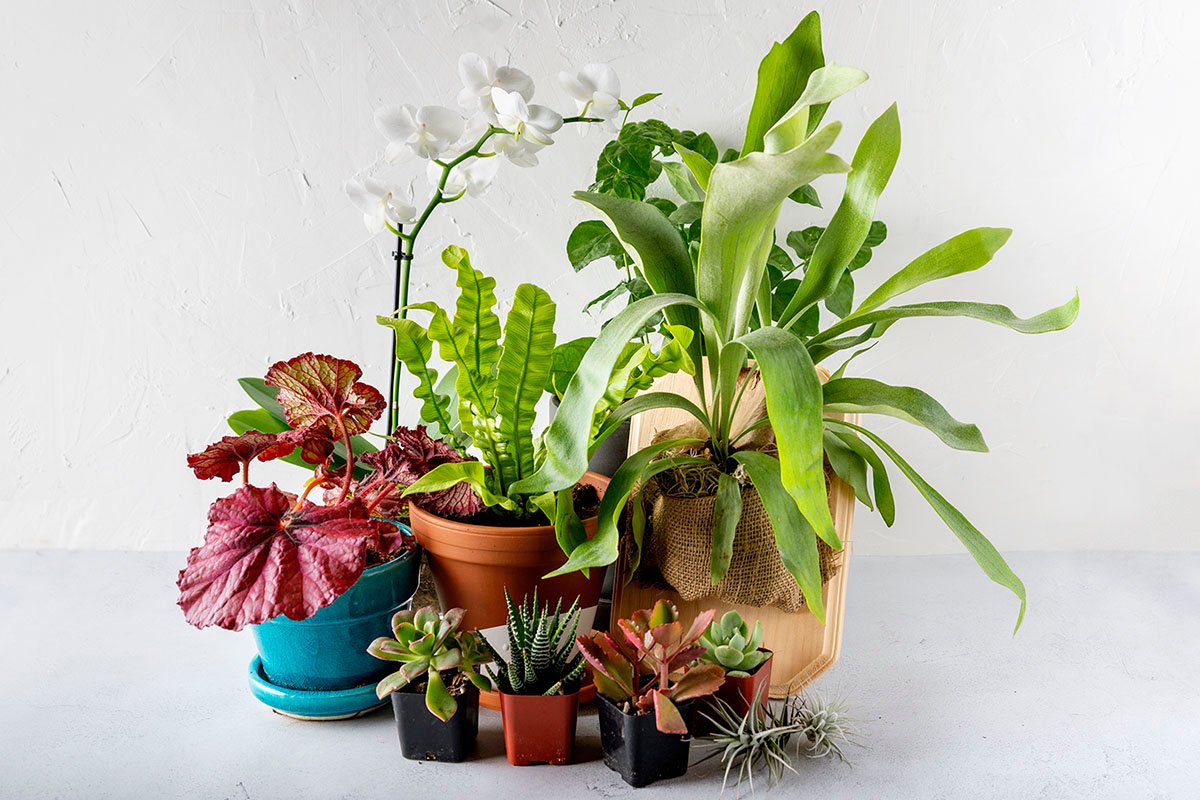
Plant subscription boxes are basically the houseplant version of getting a tiny green surprise party on your doorstep. One month it might be a glossy peperomia. The next, a sculptural air plant. Sometimes it comes with a cute pot, a care card, soil, moss, plant food, or the kind of decorative pebble topping that makes you suddenly believe you are one linen apron away from becoming a lifestyle influencer.
But not every monthly plant box deserves a sunny windowsill. Some ship healthy, well-packed plants with helpful instructions. Others arrive looking like they fought a leaf blower in a parking lot. That is why Bob Vila’s tested review of plant subscription boxes is useful: it focuses on practical factors real plant parents care about, including plant quality, packaging, value, flexibility, variety, beginner-friendliness, and whether the subscription makes sense as a gift.
This guide expands on those tested recommendations with updated buying advice, real-world examples, and a practical look at which plant delivery services fit different homes, budgets, and levels of horticultural confidence. Whether you are a proud green thumb, a serial fern assassin, or someone who just wants a cute desk plant that will not judge your inbox, here are the best plant subscription boxes to consider.
What Makes a Great Plant Subscription Box?
A good plant subscription box should do more than drop a mystery plant in the mail and wish it luck. Live plants are delicate, seasonal, and very opinionated about light, temperature, and water. The best services understand that a plant does not arrive at your house as a finished decoration; it arrives as a living thing that needs a smooth transition.
Healthy Plants on Arrival
Plant quality is the first test. Leaves should look firm, roots should not be mushy, and soil should not be spilled throughout the box like the package was assembled during an earthquake. Minor cosmetic leaf damage can happen during shipping, but a subscription should consistently deliver plants that are ready to grow, not plants that need a motivational speech.
Smart Packaging
Good packaging matters. The best plant subscription boxes use paper wrapping, nursery-pot stabilizers, insulation, heat packs in cold months, and snug boxes that keep the plant upright. Poor packaging can turn even a healthy plant into a sad salad before it reaches your porch.
Clear Care Instructions
Care cards are not decoration; they are survival manuals. A useful care card explains light needs, watering frequency, humidity preferences, toxicity concerns, and whether the plant likes to dry out between waterings. Bonus points if the instructions are written for normal people instead of botanical scholars.
Good Value
Value does not always mean cheapest. A $15 plant in a nursery pot can be a good deal if the plant is healthy and shipping is included. A $69 subscription may still be worth it if it includes a larger plant, a quality ceramic planter, free shipping, and strong customer support. The question is not “What costs the least?” It is “What arrives in a condition and style that justifies the price?”
Best Overall: The Plant Club
Bob Vila named The Plant Club the best overall plant subscription box, and it is easy to understand why. This option was built around the full unboxing experience: a healthy plant, a decorative planter, a custom potting mix, and little extras that make the delivery feel like a gift rather than a routine shipment.
The Plant Club is especially appealing for beginners because the box includes the components needed to pot and display the plant right away. Instead of handing you a mystery houseplant and whispering “good luck,” it provides a more complete setup. The original tested version also stood out for attractive packaging, detailed plant information, and premium-feeling accessories.
One important update: The Plant Club has since been folded into the My Garden Box family. That means availability and plan details may differ from the original Bob Vila test. Still, the concept remains a strong fit for anyone who wants a polished monthly plant box with more personality than a plain nursery pot.
Best for: gift buyers, beginners, apartment dwellers, and plant lovers who enjoy decorative planters and a little monthly surprise.
Runner-Up: My Garden Box
My Garden Box is less like “Here is your plant” and more like “Here is your weekend project, please clear the kitchen table.” Bob Vila highlighted it as the runner-up because it delivers a creative gardening experience, not just another potted houseplant.
Boxes may include seasonal plants, containers, soil, decorative elements, and instructions for projects such as terrariums, bonsai-inspired plantings, or themed garden displays. This makes My Garden Box a smart choice for people who love DIY projects and want the joy of assembling something beautiful with their own hands.
The biggest advantage is novelty. Subscribers are not simply building a row of nearly identical foliage plants on a windowsill. They are creating different plant displays over time. The downside is that this type of box can cost more than basic houseplant subscriptions, and it requires a little more effort. If you want a finished plant you can place on a shelf in 30 seconds, this may feel like homework. Pretty homework, but homework.
Best for: DIY fans, crafty gardeners, gift recipients, and people who want a plant experience rather than a simple plant delivery.
Best Budget Pick: Succulents Box
Succulents Box earned Bob Vila’s “best bang for the buck” mention because it offers affordable entry points for people who want live plants without making their credit card wilt. Succulent subscription boxes are a great starting place because many succulents tolerate dry spells better than tropical houseplants.
That does not mean succulents are indestructible. Their greatest enemy is usually lovespecifically, too much watering. A succulent subscription is ideal for bright windows, desks, dorm rooms, and small apartments. It is less ideal for dark corners or for anyone whose watering style can be described as “daily monsoon.”
Succulents Box offers multiple box types and subscription lengths, often with smaller plants and optional add-ons. Shipping fees and heat-pack needs may vary, so always check the final checkout cost. Still, for collectors and beginners, it is one of the most approachable ways to build a small plant collection month by month.
Best for: budget shoppers, sunny windowsills, office desks, dorm rooms, and new plant parents who want lower-maintenance greenery.
Best for Pet Owners: The Sill
The Sill is one of the most recognizable online plant retailers in the United States, and its plant subscription options stand out for design, quality, and pet-friendly choices. Bob Vila praised The Sill for sending attractive, healthy plants in stylish planters, with an option focused on non-toxic plants for homes with cats and dogs.
This is a big deal because many popular houseplants are not pet-safe. Pothos, snake plants, ZZ plants, aloe, and some lilies can cause problems if pets chew them. Pet-friendly plant subscriptions often include safer choices such as parlor palm, bird’s nest fern, peperomia, calathea, spider plant, or certain orchids. Even non-toxic plants can cause mild stomach upset if eaten, but choosing pet-friendly varieties reduces the risk.
The Sill’s plant subscription is more expensive than many competitors, but it typically offers a more polished presentation. Current options may include classic or pet-friendly plants paired with ceramic planters. For shoppers who care about aesthetics as much as plant variety, The Sill is one of the strongest choices.
Best for: pet owners, gift buyers, design-conscious shoppers, and anyone who wants a plant-and-planter combo that looks ready for Instagram without needing a filter named “Urban Jungle.”
Best for Beginners: Horti
Horti is built for people who want to become plant people but have a suspicious history with basil, ferns, and that one cactus that somehow gave up. Bob Vila called Horti the best plant subscription box for beginners because its plans are designed to ease subscribers into plant care.
Horti has been known for offering beginner-friendly selections, pet-friendly options, and plans that gradually introduce subscribers to more interesting plants over time. Instead of sending a high-maintenance diva on month one, beginner plans usually start with tougher plants that can tolerate normal household conditions.
The subscription also typically includes pots and care guidance, which helps remove guesswork. This matters because many new plant owners do not kill plants from neglect; they kill them from uncertainty. Is this enough light? Too much water? Why is one leaf yellow? Is the plant dying or just being dramatic? Horti’s education-focused approach helps answer those questions.
Best for: nervous beginners, renters, young professionals, pet owners, and anyone who wants a guided introduction to indoor gardening.
Best Variety: House Plant Box
House Plant Box is a strong choice for variety. Bob Vila noted that it offers multiple subscription categories, including indoor plants, pet-friendly plants, succulents, cacti, and larger plant options. Current offerings advertise several subscription box types, with some plans starting at an accessible monthly price.
The appeal is flexibility. If you only want pet-safe greenery, there is a box for that. If you want common tropical houseplants, there is a box for that too. If you prefer succulents or want a premium plant, you can choose accordingly. This makes House Plant Box useful for people who want to build a collection gradually without shopping around each month.
The trade-off is presentation. Compared with more premium subscriptions, some plants may arrive in basic nursery pots rather than decorative containers. That is not necessarily bad. In fact, nursery pots often provide better drainage and are easy to slip into decorative cachepots. But if your goal is a luxury unboxing moment, House Plant Box is more practical than fancy.
Best for: collectors, practical shoppers, people who want multiple box categories, and subscribers who care more about plant variety than decorative extras.
Best for Gifting: Plant of the Month Club
A plant-of-the-month club is one of those gifts that says, “I like you enough to send something alive repeatedly.” It is more personal than a gift card and less risky than buying someone a 6-foot fiddle-leaf fig with the emotional needs of a celebrity.
Bob Vila included Plant of the Month Club as a strong gifting option because it delivers a recurring surprise. Many plant-of-the-month services focus on convenience and broad appeal. They may include flowering plants, foliage plants, seasonal picks, or curated indoor plants. The best ones provide clear care information and allow prepaid gift terms so the recipient does not have to manage billing.
When buying a plant subscription as a gift, think about the recipient’s home. Do they have pets? Do they travel often? Do they have bright windows? Are they the type of person who says “I love plants” while pointing to three plastic ones? Choose accordingly.
Best for: birthdays, housewarming gifts, Mother’s Day, holiday gifts, thank-you presents, and long-distance friendships that could use a monthly leafy reminder.
Best for Outdoor Plants: Knock! Knock!
Indoor houseplants get most of the subscription box attention, but outdoor gardeners deserve doorstep surprises too. Bob Vila recognized Knock! Knock! as a standout for outdoor plants. This type of subscription is ideal for people who want seasonal color, patio planters, pollinator-friendly plants, or garden-ready selections.
Outdoor plant boxes require a little more planning than indoor plant subscriptions because climate matters. A plant that thrives in Georgia may sulk in Minnesota. A drought-tolerant patio plant may not love a shady balcony. Before choosing any outdoor plant subscription, check whether the company considers growing zones, shipping timing, and seasonality.
Best for: patio gardeners, homeowners, balcony growers, and anyone who wants seasonal outdoor plants without wandering through a garden center wondering why there are 47 kinds of salvia.
Best for Air Plants: Air Plant Design Studio
Air plants are the minimalist cousins of houseplants. They do not need soil, they can sit in shells or glass holders, and they look like tiny alien sculptures in the best possible way. Bob Vila selected Air Plant Design Studio as the best option for air plant subscriptions.
Air plants, also called tillandsias, are great for small spaces because they do not require pots of soil. They do, however, need bright indirect light, air circulation, and regular soaking or misting depending on the variety and home environment. They are low-mess, but not zero-care.
An air plant subscription works well for collectors because there are many shapes, sizes, and textures. Some varieties blush pink or red when blooming. Others curl, twist, or form spiky rosettes. If you want greenery but have no room for another pot, air plants are a clever solution.
Best for: small apartments, office shelves, terrariums, minimalist decor, and plant lovers who are officially out of windowsill real estate.
How to Choose the Best Plant Subscription Box for Your Home
Match the Box to Your Skill Level
Beginners should look for hardy plants, clear care cards, and customer support. Snake plants, pothos, peperomia, parlor palms, spider plants, and heartleaf philodendrons are often easier than fussy calatheas or humidity-loving ferns. Experienced growers may prefer rare plant boxes, air plants, bonsai projects, or seasonal DIY kits.
Consider Light Before You Subscribe
Before ordering a monthly plant box, look at your windows. Bright direct sun, bright indirect light, medium light, and low light are not the same thing. A succulent subscription needs more light than a pothos or ZZ plant. If your apartment has one north-facing window and the emotional atmosphere of a cave, choose a beginner-friendly or low-light subscription.
Think About Pets and Kids
If you have cats, dogs, or toddlers who treat leaves like snacks, choose a pet-friendly plant subscription. Look for companies that clearly identify non-toxic plants. Also remember that “pet-friendly” does not mean “pet salad bar.” Keep plants out of reach when possible.
Check the Pot Situation
Decorative pots are lovely, but drainage matters. Many houseplants prefer containers with drainage holes because soggy soil can lead to root rot. If a subscription sends a ceramic pot without drainage, use the nursery pot inside it as a removable liner or add a careful watering routine.
Watch the Real Monthly Cost
A plant subscription price may not include shipping, taxes, winter heat packs, or premium planter upgrades. A box that looks cheap at first can become less impressive at checkout. Compare the full cost, not just the headline price.
Real-World Experience: What Living With a Plant Subscription Feels Like
The fun of a plant subscription box starts before the box even arrives. You get the shipping notification, glance at your windowsill, and begin mentally rearranging objects like a tiny interior designer with soil under their fingernails. Is there room next to the snake plant? Could the coffee table handle another leafy roommate? Will the cat consider this a gift? These are the important domestic questions no one warns you about.
The best deliveries feel thoughtfully packed. You open the box and find the plant wrapped snugly, the soil still mostly where soil belongs, and the care card sitting on top like a friendly note from someone who wants you to succeed. That care card matters more than people think. When it says “bright, indirect light,” you immediately know not to roast the plant in a south-facing window like a botanical rotisserie chicken. When it says “allow the top inch of soil to dry,” you know not to water it every time you walk by with a glass in your hand.
A good subscription also teaches you your own habits. If you travel often, succulents and drought-tolerant plants may fit better than ferns. If you love routine, a monthly tropical plant can be satisfying. If you enjoy hands-on projects, a box like My Garden Box can turn a Saturday afternoon into a mini gardening workshop. If you are buying for someone else, presentation becomes especially important; a pretty planter and polished packaging can make the gift feel far more special than a plant wrapped in yesterday’s shipping paper.
There are a few lessons plant subscriptions teach quickly. First, not every plant needs to be repotted immediately. Many plants are happiest when left alone for a couple of weeks after shipping. They have just been boxed, bounced, sorted, scanned, and delivered. Let them adjust before performing major root surgery. Second, inspect every new plant for pests. Even reputable sellers can occasionally ship a hitchhiker. Look under leaves, check the soil surface, and isolate new arrivals for a short period if you already have a large collection.
Third, resist the urge to overwater. Most new plant owners water because they are worried, not because the plant is thirsty. The finger test is simple: push a finger about an inch into the soil. If it is still damp, wait. Your plant does not need a beverage just because you are holding one.
Over time, a subscription can change how a room feels. One plant becomes three. Three become seven. Suddenly you are comparing humidity trays and saying things like “this corner needs a vertical foliage moment.” That is the charm. A plant subscription box is not only about getting more plants; it is about building a relationship with your home, your routines, and the small pleasure of watching something grow because you paid attention.
Final Verdict
The best plant subscription box depends on the kind of plant parent you areor the kind you hope to become. The Plant Club remains the strongest overall pick from Bob Vila’s tested list for its polished presentation and beginner-friendly setup. My Garden Box is best for people who want a creative project. Succulents Box is the budget-friendly choice for sunny spaces. The Sill is ideal for stylish gifts and pet-friendly selections. Horti is a smart pick for beginners who want guidance, while House Plant Box offers the most flexible variety of subscription categories.
If you are choosing your first monthly plant box, start simple. Pick a service that matches your light conditions, budget, and care confidence. A healthy plant in the right spot will bring more joy than a rare plant you are afraid to breathe near. And remember: a plant subscription should make your home feel greener, calmer, and more alivenot turn your living room into a leafy guilt museum.
Note: This article is original, written in standard American English, and synthesized from Bob Vila’s tested review framework plus current U.S. plant subscription, houseplant care, and pet-safety information. Subscription prices, shipping policies, and plant availability can change, so verify details before publishing or purchasing.













