
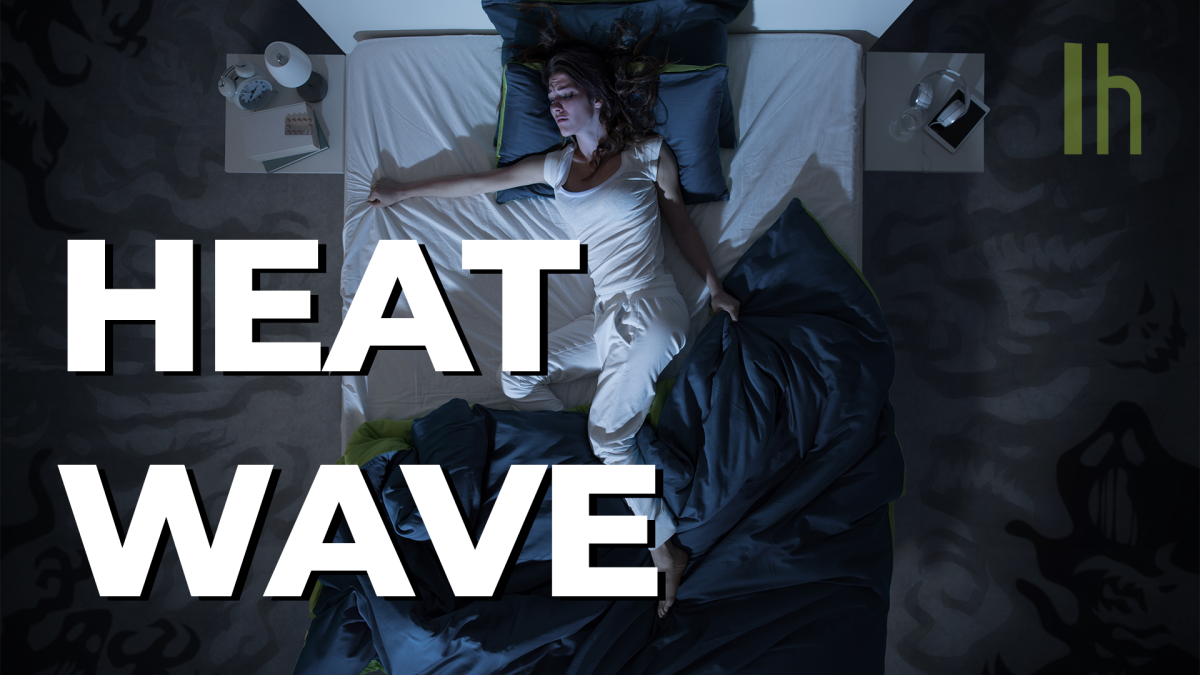
Trying to sleep in a hot bedroom can feel like volunteering to be slow-roastde of the bed, and negotiate with a fan that seems to be blowing air directly from a toaster. The frustration is real, but so is the biology behind it.
Your body normally releases heat as bedtime approaches, helping your core temperature fall and signaling that it is time to sleep. A hot, humid room interferes with that process. It can delay sleep, increase nighttime awakenings, and leave you feeling as though you spent eight hours arguing with your mattress. Research also links higher nighttime temperatures with shorter sleep and poorer sleep efficiency. news is that you do not need central air conditioning to improve the situation. The most effective approach is layered: stop the room from heating up, move cooler air at the right time, reduce trapped body heat, and know when conditions are too dangerous for home remedies.
Why Heat Makes It Harder to Sleep
Sleep and temperature are closely connected. As evening arrives, blood flow to the hands and feet helps move heat away from the core. That gradual cooling supports sleep onset. When the bedroom is too warm, especially when humidity is high, the body has fewer ways to release heat. Sweat also becomes less effective when the surrounding air is already moist.
Sleep organizations often favor bedrooms in the 60s Fahrenheit for adults, but comfort, bedding, age, health, and climate matter. Without AC, that range may be unrealistic. Focus on making the room meaningfully cooler and preventing overheating rather than chasing one magical number. t Out During the Day
Close Windows When the Outdoor Air Is Hotter
Opening every window at noon may feel logical, but it can invite hot air inside and warm the walls, furniture, and mattress. Check the outdoor temperature. When it is hotter outside than inside, close windows and exterior doors. Reopen them after sunset or before sunrise when the outdoor air is cooler.
This day-versus-night strategy is one of the simplest ways to cool a home without AC. At night, use cross-ventilation by opening windows on opposite sides of the room or home. If the air is still, place one fan near a window to push hot indoor air out and another near a cooler, shaded opening to pull fresh air in. Natural ventilation works best when it follows an actual temperature difference rather than pure optimism. rect Sunlight Early
Do not wait until the bedroom feels like a greenhouse. Close blinds, shades, or curtains before direct sunlight reaches the windows, especially on south- and west-facing sides. Light-colored or reflective window coverings can reduce solar heat gain. In a pinch, a temporary reflective shade placed safely inside the window may help, but avoid materials that could create excessive heat against glass or violate rental rules.
Exterior awnings, shutters, trees, or solar screens can work even better by stopping sunlight before it enters. The U.S. Department of Energy recommends combining shading, ventilation, insulation, and efficient windows to reduce indoor heat. Small Heat Factories
Ovens, stovetops, clothes dryers, dishwashers, gaming computers, televisions, and powerful lamps all add heat. On very hot days, cook earlier, use a microwave or outdoor grill when safe, choose no-cook meals, and run heat-producing appliances during cooler hours. Unplug electronics that are not needed overnight. Your bedroom does not need a gaming console performing a tiny impression of the sun.
Build a Safer Fan Strategy
Fans cool people mainly by increasing evaporation and moving heat away from the skin; they do not lower room temperature. Use a ceiling, pedestal, or box fan to move air across the bed when conditions are warm but not dangerously hot. Aim it across the room if direct airflow irritates your eyes or nose.
During extreme heat, fans have limits. The CDC advises using fans only when indoor temperatures are below 90°F, while EPA and National Weather Service guidance similarly warns that fans may not prevent heat illness in rooms around the mid-90s or hotter. In those conditions, move to an air-conditioned cooling center, library, mall, community center, or another safe location whenever possible. r Body Before Bed
Take a Cool or Lukewarm Shower
A cool or lukewarm shower can remove sweat, lower skin temperature, and provide immediate relief. Avoid making the water painfully cold. An icy blast may feel dramatic, but comfort matters more than proving you could survive a polar expedition. Dry lightly rather than vigorously, and put on clean, loose sleepwear.
A comfortably warm shower taken earlier may also encourage heat loss afterward. Use cooler water for immediate relief, or test a warm shower an hour or two before bed. Cloths and Cool Packs Carefully
Apply a cool, damp washcloth to the neck, forehead, wrists, or behind the knees. A wrapped cold pack can also help briefly, especially around the neck, but never place ice directly on the skin or fall asleep on a frozen pack. Keep moisture controlled so the mattress does not become damp, musty, and accidentally promoted to “indoor swamp.”
Local cooling around the head, neck, and back may improve comfort. Keep it cool rather than painfully cold, wrapped rather than bare, and temporary rather than all night. Throughout the Day
Drink water regularly during hot weather rather than trying to catch up with a giant bottle at bedtime. Good daytime hydration supports sweating and temperature regulation. A small glass of water near bed is useful, but excessive late-night drinking may replace heat-related awakenings with bathroom-related awakeningsa trade nobody requested.
Alcohol can worsen sleep and contribute to dehydration. Anyone with heart, kidney, or liver disease or a fluid restriction should follow a clinician’s hydration advice. edding and Sleepwear That Release Heat
Strip the bed down to the lightest setup that keeps you comfortable. Use a breathable sheet instead of a heavy comforter. Loose pajamas or minimal sleepwear made from lightweight, moisture-managing fabric can reduce heat buildup. Cotton and linen often feel airy, while some modern performance fabrics dry faster. The best fabric is the one that does not trap sweat against your skin.
Thick foam toppers may retain heat. Before replacing a mattress, remove unnecessary pads and try a lighter protector or breathable layer. Separate sheets can also prevent blanket diplomacy, while sleeping separately from a partner or pet on the hottest nights reduces combined body heat. Adults and animals are lovable; they are also portable radiators. Humidity as Well as Temperature
Humidity changes how heat feels because sweat must evaporate to cool the body. When the air is humid, evaporation slows, and a merely warm room can become oppressively sticky. The EPA generally recommends keeping indoor relative humidity between 30% and 50%. A small humidity meter can tell you whether moisture is part of the problem. ifier releases some heat, so run it before bed or outside the bedroom when practical. Ventilate only when outdoor air is cooler and less humid. Evaporative coolers suit dry climates; in humid regions, extra moisture can backfire. our Evening Routine
Eat Earlier and Keep Dinner Lighter
A large, spicy, or heavy meal close to bedtime can increase discomfort, trigger heartburn, and make a hot night feel worse. Choose a lighter dinner and finish it a few hours before lying down. Spicy food is not forbidden forever; it simply does not need to audition for a starring role at 11 p.m.
Exercise Earlier and Keep the Room Dark
Vigorous activity temporarily raises body temperature, so exercise during a cooler part of the day and allow time to cool down. At night, dim lights, avoid a 2 a.m. screen marathon, and keep a consistent sleep schedule. A fan can also mask open-window noise from traffic, dogs, and enthusiastic recyclers. here You Sleep
Hot air rises, so a lower floor, basement room, or safe ground-level space may be cooler than an upstairs bedroom. Test different rooms with a thermometer rather than assuming the regular bedroom is your only option. A simple sleeping mat in the coolest secure room can outperform an expensive bed trapped beneath a sun-baked roof.
Do not block exits, run extension cords under bedding, or place fans near water. Open windows only when security and outdoor air quality allow; during wildfire smoke, follow local health guidance instead of automatically pulling outside air indoors.
Know When Home Cooling Tricks Are Not Enough
Extreme indoor heat is a medical risk, particularly for older adults, infants, pregnant people, those who live alone, and people with heart, lung, kidney, neurological, or metabolic conditions. Some medications can also affect sweating, hydration, or temperature regulation. Check on vulnerable relatives and neighbors during heat waves.
Seek urgent help for confusion, fainting, seizures, very hot skin, severe weakness, worsening dizziness, vomiting, or a rapid decline. Heat stroke is an emergency: call 911 in the United States, move the person to a cooler place, remove excess clothing, and begin rapid cooling while help is on the way. Do not force fluids on someone who is confused or unconscious. s, use established safe-sleep practices: place the infant on a firm, flat sleep surface, dress them lightly, and avoid loose blankets, pillows, and improvised cooling objects in the sleep area. If a room cannot be kept safely comfortable, relocate to a cooler setting. cal Hot-Night Checklist
- Close sunny windows, curtains, and blinds early in the day.
- Turn off ovens, dryers, gaming systems, and unnecessary lights.
- Open windows only after outdoor air becomes cooler than indoor air.
- Create cross-ventilation and use one fan to exhaust trapped hot air.
- Take a cool or lukewarm shower and wear lightweight sleepwear.
- Use a light, breathable sheet and remove heat-trapping bed layers.
- Drink water through the day and limit alcohol before bed.
- Move to a lower or cooler room if the bedroom remains hot.
- Leave for a cooling center when indoor heat becomes unsafe.
Hot-Night Experiences: What a Week of Small Experiments Can Teach You
The following is an illustrative composite of common hot-weather sleep experiences, not a claim of personal experience. Picture the first night of a heat wave: the windows stay open all afternoon because “airflow is airflow.” By bedtime, the bedroom is hotter than the hallway, the mattress has absorbed hours of warm air, and the fan is circulating the same stale heat in increasingly creative directions. Sleep arrives late and leaves early.
On the second day, the strategy changes. Curtains close before the sun hits the glass. Windows remain shut while the outdoor temperature climbs. Dinner is a cold pasta salad instead of a casserole that requires an hour in the oven. The bedroom is not exactly alpine, but it is noticeably less hostile. That small improvement matters because cooling a room is easier when you prevent heat from entering than when you try to remove it at midnight.
The third night introduces fan placement. A box fan faces outward in the warmest window to exhaust hot air, while a shaded window on the opposite side is opened to admit cooler air. The bedroom door stays open to complete the path. Within an hour, the air feels fresher. The lesson is surprisingly unglamorous: airflow needs a destination. A fan placed in the middle of a sealed room mostly rearranges the heat, like moving deck chairs on a very sweaty ship.
By night four, attention shifts from the room to the body. A lukewarm shower removes the day’s sweat. A damp cloth cools the neck for a few minutes. Heavy bedding disappears, leaving one sheet. Water was consumed steadily during the afternoon, so there is no need to guzzle a quart at 11:30 p.m. The result is fewer awakenings and less of that sticky feeling that makes every sleeping position seem incorrect.
Night five reveals a hidden problem: humidity. The thermometer is slightly lower, but the room feels worse after an evening rainstorm. A humidity meter confirms that the air is extremely moist. The windows close when the outdoor humidity surges, and a dehumidifier runs earlier in the evening outside the sleeping area. It adds a little heat, but the drier air makes evaporation more effective. This is the night when “temperature” finally stops getting blamed for everything.
On the sixth night, the upstairs bedroom refuses to cooperate. The coolest option is a secure room downstairs, where a thin sleeping pad, clean sheet, fan, and eye mask create a temporary summer camp. It is not luxurious, but sleep improves. Comfort often comes from flexibility rather than purchasing a cart full of products labeled “arctic,” “chill,” or “glacier.”
By the seventh night, the routine is simple: shade early, ventilate late, reduce indoor heat, cool the skin, lighten the bed, and watch the indoor temperature. Most importantly, there is a backup plan. If the room enters a dangerous range or anyone develops symptoms of heat illness, the experiment ends and the household moves to an air-conditioned public space or another safe location. Better sleep matters, but safety wins every argument.
Conclusion
Sleeping better in the heat without air conditioning is less about one viral trick and more about controlling heat at several points. Block sunlight before it enters, keep hot outdoor air outside during the day, flush the room with cooler air at night, reduce humidity when possible, and help your body release heat with sensible clothing, bedding, hydration, and bathing.
Start with the free changes tonight, then observe what actually improves your room. A thermometer and humidity meter can replace guesswork with useful information. And when indoor temperatures become dangerously high, do not try to outsmart a heat wave with a heroic fan setup. Find a genuinely cooler place and protect your health.
Note: This article synthesizes current guidance and research from U.S. sources including the CDC, EPA, National Weather Service, Ready.gov, Department of Energy, American Red Cross, National Sleep Foundation, Sleep Foundation, Cleveland Clinic, Johns Hopkins Medicine, Harvard Health, Mayo Clinic, American Heart Association, and the National Library of Medicine. It is general educational information, not individualized medical advice.













