
The Deep South knows a thing or two about making a house feel lived in, loved, and just a little bit legendary. This is the land of deep porches, stubborn cast iron, hand-thrown pottery, quilted heirlooms, and wooden tables that somehow survive toddlers, hurricanes of humidity, and at least three generations of strong opinions. In other words, the region has been flirting with sustainability long before it became a buzzword on a beige label.
That is what makes sustainable home goods from the Deep South so compelling. They are not just trendy objects trying very hard to look virtuous while sitting next to a scented candle named “Rain on Cedar.” They are often rooted in practical traditions: buy less, buy better, repair what you can, pass it down, and choose materials that age with grace instead of falling apart like a cheap folding chair at a family reunion.
Today, that old-school Southern wisdom meets modern standards for healthier materials, lower-emission furnishings, certified wood, organic textiles, safer cleaning supplies, and energy-smart home choices. The result is a style that feels warm, grounded, and deeply human. Sustainable Southern living is not about perfection. It is about choosing home goods that work hard, last longer, and do not leave your house feeling like it has been decorated by a cardboard algorithm.
Why the Deep South Is a Natural Fit for Sustainable Living
The Deep South has always had a built-in appreciation for utility and beauty living under the same roof. A porch rocker is not only charming; it is useful. A woven basket is not just decor; it catches the mail, the dog leash, and the emotional debris of Tuesday. A solid pine cabinet is not a trend piece; it is furniture with a work ethic.
That practical mindset matters. Sustainable home goods are not simply “green” because they are made from a fashionable plant fiber or sold in packaging with leaves printed on it. They are sustainable when they help reduce waste, avoid needless replacement, limit harmful chemicals, support responsible sourcing, and create a healthier indoor environment. In many Southern homes, that looks less like minimalism and more like thoughtful abundance: fewer disposable things, more lasting things, and a strong preference for objects with a story.
There is also a regional design language that naturally pairs with sustainability. Natural wood. Clay. Linen. Cotton. Jute. Cane. Stone. Wrought iron. Reclaimed pieces. Handmade goods. Vintage finds. These materials do not need much translation to fit into a Southern home because they already speak the dialect.
What Actually Makes a Home Good Sustainable?
This is where things get real. A product is not automatically sustainable just because it says “eco,” “natural,” or “earth-friendly” in a lovely serif font. Good marketing can wear overalls, too.
A genuinely better home good usually checks several boxes. It is durable enough to avoid frequent replacement. It uses responsibly sourced or recycled materials. It avoids misleading environmental claims. It may carry a trusted third-party certification. It is made with attention to ingredient safety or low chemical emissions when relevant. It often comes with less wasteful packaging. And ideally, it can be repaired, reused, refinished, refilled, or passed on to someone else instead of heading straight to a landfill with the confidence of a one-season trend piece.
That means sustainability is not one thing. It is a combination of smart design, material choices, manufacturing standards, and what happens after you bring the item home. The most sustainable lamp in the world is still not very sustainable if it dies after eight months and takes its oddly specific replacement bulb with it.
The Southern Shopper’s Rulebook
1. Start with durability, because the greenest sofa is the one you do not replace in two years
For furniture and decor, prioritize materials that hold up: solid wood, quality metal, real ceramic, sturdy natural fibers, and upholstery you can clean without prayer circles. Sustainable living begins with resisting “fast furniture,” the category of items that arrive looking fabulous and leave looking like they lost a bar fight with ordinary life.
If you want a Southern look, this is easy to do. A substantial farmhouse table, a spindle chair, a reclaimed wood bench, a woven stool, or a ceramic lamp base can all fit the regional aesthetic while also being more likely to age well. Look for construction details like screwed joinery, replaceable parts, washable covers, and finishes that can be touched up rather than tossed out.
2. Buy used, vintage, or antique whenever it makes sense
Southern homes have long understood the power of hand-me-down excellence. Antique sideboards, old trunks, iron beds, vintage rugs, secondhand lamps, and reclaimed wood pieces are not just charming. They keep usable goods in circulation and reduce demand for newly manufactured products.
This is one of the easiest sustainability wins on the board. A vintage oak dresser does not care whether it came from a grandparent, an estate sale, or a glorious roadside detour. It only asks for a little polish and some respect.
3. Look for proof, not poetry
When a seller makes environmental claims, look for specific details. Good signs include clear information about materials, sourcing, finish type, refill systems, recyclability, repairability, or third-party certifications. Vague phrases like “planet positive” or “green inspired” are nice for branding and terrible for decision-making.
For wood furniture and wood accessories, certifications related to responsible forestry can help. For textiles, organic standards and verified supply chains matter. For household cleaners, ingredient review and product performance matter. For upholstered furniture, mattresses, and certain finishes, low-emission certifications matter because indoor air matters.
The Best Sustainable Home Goods Categories for a Deep South Home
Solid wood furniture with a long view
If there is a hero category in Southern interiors, it is wood furniture. The key is to choose pieces made to last and, when possible, verify responsible sourcing. Dining tables, bookcases, bed frames, benches, and sideboards are ideal investments because they tend to stay in a home for many years and can be refinished instead of replaced.
Reclaimed wood is especially appealing because it gives older material a second life and usually brings character you cannot fake. Knots, nail marks, weathering, and grain variation read less like “flaws” and more like “proof this piece has survived things.” Very Southern. Very chic.
Natural-fiber textiles that breathe and age well
Think organic cotton sheets, linen tablecloths, cotton throws, washable slipcovers, and woven rugs made from natural fibers. In a warm Southern climate, breathable textiles are not just aesthetic choices; they are survival strategies with tassels.
Textiles can be tricky because the word “organic” gets tossed around like confetti. Look for credible certification when you can, especially for bedding, bath textiles, and nursery items. Also consider the practical side: can the item be washed, mended, repurposed, or used year-round? The most sustainable throw pillow is not the one with the trendiest color. It is the one you still love after two paint colors and one questionable wallpaper phase.
Pottery, stoneware, and kitchen pieces with staying power
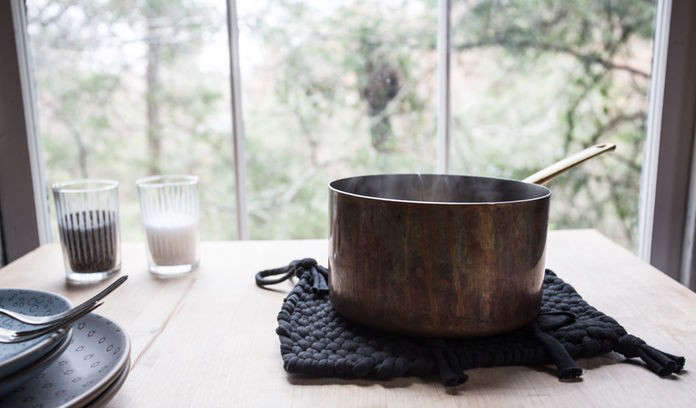
The Southern kitchen loves an object that earns its keep. Stoneware bowls, ceramic pitchers, glass storage, wood cutting boards, cast iron cookware, and durable serving pieces all tend to outperform disposable or flimsy alternatives. They can move from everyday use to entertaining without looking like they need applause.
Sustainable kitchenware works best when it replaces repeat-use waste. Refillable soap dispensers, cloth napkins, storage jars, beeswax or reusable wraps, sturdy pantry containers, and durable utensils make daily life feel more thoughtful and less like a parade of torn packaging.
Safer cleaning products that do their job without turning your house into a chemistry lab
A sustainable home is not just about what it looks like. It is also about what lingers in the air after you clean it. Many households are now paying more attention to ingredient transparency, fragrance strength, refill options, and certifications that evaluate products for safer chemistry or lower emissions.
In practical terms, that means choosing concentrated or refillable cleaners when possible, using durable cleaning tools instead of endless disposables, and selecting products with recognized labels when available. A mop should clean the floor, not make the whole room smell like a synthetic lemon had a personal crisis.
Low-emission furniture and finishes
Indoor air quality is often overlooked in home shopping, but it matters. Upholstered furniture, composite wood products, mattresses, rugs, and finishes can all contribute to indoor emissions. That is why low-emission certifications have become important for families trying to create a healthier home environment.
This does not mean your living room has to look like a laboratory. It simply means paying attention to what is inside the products you bring home, especially for bedrooms, nurseries, and heavily used spaces.
Energy-smart lighting and appliances
Home goods are not limited to decorative objects. Lighting, fans, air purifiers, and appliances are part of the sustainability conversation too. In the Deep South, where heat and humidity can make your utility bill feel like a jump scare, efficient products matter.
Choosing energy-efficient appliances and lighting can reduce long-term energy use while making daily life more comfortable. It is not the flashiest category, but neither is attic insulation, and both deserve more fan mail.
How to Create a Sustainable Southern Look Without Making It Feel Precious
The secret is balance. Sustainable Southern interiors are layered, not sterile. Start with timeless anchor pieces: a sturdy wood table, a simple upholstered chair, open shelving, woven accents, and useful ceramics. Then add softness through cotton, linen, and muted patterns. Mix old and new so the room feels collected rather than staged.
Use baskets for storage instead of plastic bins when appropriate. Choose lamps and mirrors that can move from room to room. Add plants or branches from the yard. Hang art that means something instead of buying filler decor just to occupy wall space like an awkward party guest.
Keep seasonality modest. Swap textiles, stems, and tabletop accents rather than buying new themed decor every few months. A sustainable Southern home should feel welcoming, not trapped in an endless retail holiday cycle.
What to Avoid
Avoid vague sustainability language without substance. Avoid cheap engineered pieces with no repair path. Avoid highly fragranced products that announce themselves from the driveway. Avoid decorative items that exist solely to be replaced when the internet declares a new trend.
Be careful with products that sound natural but offer no information about sourcing, emissions, or ingredient safety. “Bamboo-inspired,” “eco-luxe,” and “green living collection” may mean something. They may also mean absolutely nothing while sounding very pleased with themselves.
And perhaps most importantly, avoid the idea that a sustainable home has to be rebuilt all at once. Replacing everything in the name of sustainability can become wasteful in a hurry. The better move is usually slower: use what you have, upgrade intentionally, and let your home evolve like a good Southern recipe.
A Practical Shopping Checklist
Before buying a home good, ask:
- Will this item last at least several years?
- Can it be repaired, refinished, or reused?
- Does it replace something disposable or flimsy?
- Are the materials clearly listed?
- Is there a trustworthy certification or meaningful sourcing detail?
- Will it still fit my home after trend season ends?
- Do I actually need it, or have I simply been emotionally manipulated by a perfect product photo?
If the answer to that last question is “possibly,” take a walk, drink some water, and revisit the cart later. Sustainability occasionally looks like self-control in linen pants.
Conclusion: Slow, Useful, Beautiful
Sustainable home goods from the Deep South are not defined by one material, one brand, or one design style. They are defined by a way of living that values usefulness, longevity, comfort, and truth over hype. They celebrate homes that feel personal instead of mass-produced, and choices that support healthier rooms, smarter buying, and less waste over time.
The best part is that this kind of sustainability does not ask you to sacrifice warmth or character. Quite the opposite. It invites you to build a home full of objects that earn their place: wood that gets better with age, textiles that soften beautifully, ceramics that show up for dinner every night, cleaners that do not overwhelm the room, and lighting that works hard without wasting energy.
In the Deep South, hospitality has always been about creating comfort with intention. Sustainable home goods simply extend that tradition. They help you build a home that is gracious to guests, kinder to the planet, and much less likely to collapse under the weight of flimsy trends and suspiciously inspirational packaging.
Experience: What Sustainable Home Goods Feel Like in Real Life
There is a particular kind of pleasure that comes from living with sustainable home goods in a Southern home, and it is not flashy. It does not shout. It does not arrive with a self-congratulatory speech. It just quietly improves daily life until you realize your home feels calmer, sturdier, and far less cluttered by things that never deserved your square footage in the first place.
Imagine walking into a house on a humid afternoon in July. The ceiling fan is doing honest work. The curtains are light linen instead of a synthetic fabric that traps heat like a grudge. A clay pitcher sits on the table. A woven basket by the door holds shoes, umbrellas, and the occasional mystery object nobody is brave enough to claim. The dining table has scratches, yes, but good ones. The kind that say people have eaten here, worked here, argued over paint colors here, and probably shelled peas here once upon a time.
That is the lived experience of sustainable Southern design. It feels less like a showroom and more like a life. The home goods are not trying to be perfect. They are trying to be useful, graceful, and durable enough to stay.
In the kitchen, you notice the difference first. Glass jars line the shelves with rice, flour, beans, and coffee instead of a jumble of half-torn plastic bags. A cast iron skillet hangs nearby, seasoned by years rather than marketing copy. Cloth napkins get washed and reused. A refillable soap bottle sits by the sink, and somehow even that small detail makes the whole counter feel more intentional. Nothing about the space seems fussy. It just feels like the room has finally stopped buying the same thing over and over in different packaging.
Bedrooms change too. Sustainable bedding tends to feel better because it often is better: breathable, simple, and made to survive real use. On warm nights, natural fibers can make a room feel less stuffy and more forgiving. Low-emission furniture and less aggressive fragrance in cleaning products can make a home feel cleaner in the truest sense, not just cleaner in the “smells like an artificial thunderstorm” sense.
Then there is the emotional side. Sustainable home goods often come with stories. A reclaimed wood bench from a local maker. A vintage lamp found in a small-town antique mall. A set of stoneware mugs that somehow make morning coffee taste more civilized. These objects create attachment, and attachment changes how people care for what they own. When you like something enough to repair it, polish it, or move it with you to the next house, that object stops being disposable. It becomes part of the family architecture.
That, ultimately, is what makes the experience so rich. A sustainable Southern home does not feel deprived. It feels edited. Warm. Collected. Capable. It feels like a place where things were chosen with a little more patience and a lot more common sense. And in a world full of short-lived purchases and fast-moving trends, that kind of home feels almost radical. Or, to put it in properly Southern terms, it just feels right.














