
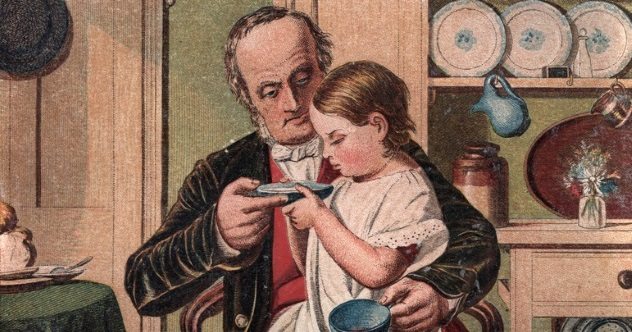
The Victorian era gave the world railways, novels thick enough to use as doorstops, photography, indoor plumbing, mass-produced wallpaper, and the deeply questionable belief that a home was improved by covering nearly every surface with something toxic. If the Victorians loved one thing, it was progress. If they loved two things, it was progress and a bright green parlor that quietly hated their lungs.
To be fair, they were not trying to poison themselves. Most Victorian health hazards came wrapped in the respectable packaging of modern convenience: fashionable clothes, pretty wallpaper, sweet medicine, clean-looking bread, fresh-looking milk, and glowing gas lamps. The problem was that chemistry had sprinted ahead of safety rules. Industrialization made dangerous ingredients cheap, colorful, and widely available before consumers fully understood what they were buying.
This article explores ten dreadful ways Victorians accidentally poisoned themselves at home, work, and dinner. Some examples are famous, like arsenic wallpaper. Others are sneakier, such as lead pipes, milk preservatives, and patent medicines that made “take two and call me in the morning” sound less like medical advice and more like a murder mystery.
Why Victorian Poisoning Was So Common
The nineteenth century was a chemical carnival. New pigments, preservatives, medicines, and manufacturing methods transformed daily life. Unfortunately, regulation was weak, labels were vague, and many products were sold long before anyone had tested them properly. A substance could be known as dangerous in one context and still appear in food, cosmetics, medicine, or decor because it was cheap, effective, and profitable.
Victorians also lived in crowded cities with poor ventilation, polluted air, contaminated water, and limited public health protections. Add a social obsession with beauty, respectability, cleanliness, and fashionable interiors, and you get a world where people could accidentally ingest poison, inhale poison, wear poison, sleep beside poison, and then treat the symptoms with more poison. Efficient? Yes. Wise? Absolutely not.
1. Arsenic Wallpaper Made the Parlor Deadly
Few Victorian hazards are as visually stunning as arsenic wallpaper. Brilliant green pigments such as Scheele’s Green and Paris Green created lush leaves, vines, flowers, and exotic patterns that looked marvelous in candlelight and gaslight. Sadly, the same pigments could contain arsenic compounds. The result was interior design with a suspiciously high body count.
Arsenic-laced wallpaper could shed dust as it aged, especially if the paper flaked, rubbed, or was handled by children. Damp rooms made the danger worse because mold and moisture could encourage the release of toxic compounds into the air. A family might believe they were simply suffering from headaches, stomach trouble, sore throats, rashes, or mysterious fatigue. Meanwhile, the wallpaper was doing the decorating equivalent of whispering, “Good evening, I am poison.”
The tragedy is that arsenic’s danger was not completely unknown. It had a long reputation as a poison. But consumers often trusted manufacturers, and manufacturers often trusted profit. Bright green wallpaper sold beautifully, so it stayed on the walls.
2. Green Dresses and Artificial Flowers Were Fashion with a Fatal Flourish
If arsenic wallpaper was bad, arsenic fashion was worse, because people wore it directly on their bodies. Victorian women adored vibrant green dresses, gloves, ribbons, and artificial flowers. The color was fresh, fashionable, and eye-catching. It also sometimes came from arsenic-based dyes.
The danger was especially severe for workers who made artificial flowers, handled dyed fabrics, or brushed pigment onto accessories. They could inhale arsenic dust or absorb it through irritated skin. Consumers were also at risk, particularly if a dress shed colored powder or was worn in warm rooms where sweat encouraged contact with the dye.
Victorian fashion could be dramatic, but arsenic green took drama to an unnecessary level. It turned a ballroom gown into a portable chemistry lesson, except the lesson was “do not dress like a decorative pesticide.”
3. Lead Makeup Promised Beauty and Delivered Misery
Pale skin was fashionable for much of the Victorian period because it suggested refinement, leisure, and indoor living. A sun-browned face hinted that a person worked outside, which society treated as less glamorous. Naturally, the beauty market offered solutions. Unfortunately, some of those solutions contained lead.
Lead-based powders and face paints could create a smooth, ghostly complexion. But lead does not become friendly just because it is sold in a pretty jar. Chronic exposure could cause skin damage, hair loss, abdominal pain, fatigue, neurological problems, and long-term poisoning. The cruel irony was that lead makeup could damage the skin, encouraging users to apply more makeup to hide the damage. That is not a beauty routine; that is a toxic subscription plan.
Victorian cosmetics were often homemade, discreetly purchased, or poorly labeled. Respectable women were supposed to look naturally beautiful, not obviously painted, so dangerous products thrived in a strange world of secrecy and denial. Everyone wanted the glow. Nobody wanted to admit the glow came with lead.
4. Arsenic Complexion Wafers Turned Skincare into Snacking on Poison
Some Victorian beauty products did not merely sit on the skin. They were eaten. Arsenic complexion wafers were marketed as a way to clear blemishes, remove freckles, and create a delicate, pale appearance. In other words, the beauty industry looked at toxic heavy metals and said, “What if we made them dainty?”
These wafers were often advertised as safe, gentle, and effective. The appeal was obvious: a small edible product promised visible results without the scandal of obvious makeup. But arsenic is highly toxic, especially in inorganic forms, and repeated exposure can affect the skin, nerves, stomach, liver, kidneys, and cardiovascular system. Some users may have noticed nausea, weakness, stomach pain, or skin changes without connecting them to their fashionable little poison tablets.
The strangest part is that arsenic could appear in so many places that a Victorian consumer might encounter it from multiple sources at once: wallpaper, dresses, fake flowers, medicine, insecticides, and beauty products. At that point, the home was less a sanctuary and more a very polite laboratory accident.
5. Belladonna Eye Drops Made Eyes Beautifully Dangerous
Large, dark pupils were considered attractive in certain beauty traditions, and belladonna drops could create that dreamy, wide-eyed look. The name belladonna means “beautiful woman,” which is charming until you remember the plant is also called deadly nightshade. Branding has always been powerful.
Belladonna contains alkaloids that can dilate the pupils by affecting the muscles of the eye. This made the eyes look large and luminous. It could also cause blurred vision, light sensitivity, rapid heartbeat, confusion, dry mouth, and poisoning if used carelessly. Regular use risked damaging vision. Imagine making yourself temporarily unable to see clearly so people could better admire your eyes. Victorian beauty standards did not come to play; they came to file a hazard report.
Belladonna was not a universal daily habit for every Victorian woman, but it belonged to the broader world of dangerous beauty advice that blurred the line between medicine, cosmetics, and wishful thinking.
6. Patent Medicines Mixed Relief with Opium, Alcohol, and Mystery
Victorians loved patent medicines. These bottled cure-alls promised to treat coughs, nerves, sleeplessness, toothache, “female complaints,” digestive troubles, and roughly everything else short of a broken piano. Many contained alcohol, opium, morphine, chloroform, cannabis extracts, or other powerful ingredients. Labels were not always clear, and dosing could be wildly inconsistent.
Laudanum, a tincture of opium in alcohol, was widely used for pain, diarrhea, coughs, and sleeplessness. Chlorodyne, another popular remedy, could contain ingredients such as chloroform, morphine, and cannabis. Soothing syrups for infants sometimes included opiates, meaning a tired parent could accidentally quiet a crying baby with a dangerously sedating drug.
These medicines seemed helpful because they often did something noticeable. Opium reduced pain and coughing. Alcohol relaxed the user. Sedatives made people sleep. But the line between relief and overdose was thin. Addiction, respiratory depression, confusion, and accidental poisoning were real risks. A bottle labeled “family remedy” could be more dangerous than the illness it claimed to cure.
7. Mercury Medicines Tried to Cure People by Attacking Them
Victorian medicine inherited many older treatments, including mercury-based remedies such as calomel. Calomel was used as a purgative and was prescribed for a variety of complaints. The medical logic often followed a grim theory: if the patient was vomiting, sweating, salivating, and rushing to the chamber pot, perhaps the disease was being expelled. By modern standards, this is less “treatment plan” and more “haunted plumbing event.”
Mercury exposure can harm the nervous system, kidneys, mouth, and digestive tract. High or repeated doses could cause excessive salivation, gum disease, tooth loss, tremors, weakness, and severe gastrointestinal distress. Some patients became worse because the treatment added toxic stress to an already sick body.
The problem was not that Victorian doctors were foolish. Many were working with limited tools, limited laboratory knowledge, and a medical culture that valued dramatic intervention. But mercury medicines show how easily a respected treatment can become a hidden poison when evidence, dosing, and safety lag behind tradition.
8. Food Adulteration Turned the Dinner Table into a Chemical Guessing Game
Industrial food production grew rapidly in the nineteenth century, and so did food fraud. Bread, sweets, tea, milk, pickles, mustard, spices, beer, and other staples were sometimes adulterated to improve color, extend shelf life, increase weight, or disguise poor quality. Some additions were merely disgusting. Others were poisonous.
Bread could be whitened with alum. Brightly colored candies might contain toxic metal salts. Pickles and preserved vegetables could be made greener with copper compounds. Mustard and other yellow foods might be colored with lead chromate. Milk was often diluted and sometimes chemically preserved. Consumers wanted food that looked fresh, colorful, and abundant; sellers sometimes supplied the appearance without the safety.
One notorious example was the Bradford sweets poisoning of 1858, when arsenic was accidentally used in lozenges after a mix-up involving a cheap sugar substitute. More than twenty people died, and many others became ill. It was a horrifying reminder that an unregulated food market could turn a treat into a tragedy.
The Victorian dinner table could therefore include a full menu of hazards: bread with questionable whiteners, pickles with copper sparkle, candy with heavy-metal color, and milk preserved by chemistry that belonged nowhere near breakfast.
9. Formaldehyde and Borax Helped “Preserve” Food a Little Too Enthusiastically
Late Victorian and early modern food sellers faced a practical problem: fresh food spoiled quickly, especially before widespread refrigeration. Instead of solving this only with cleanliness and cold storage, some producers reached for chemical preservatives. Borax, boric acid, salicylic acid, and formaldehyde appeared in food preservation debates in the late nineteenth century.
Milk was especially vulnerable. It could carry dangerous diseases, sour quickly, and lose consumer appeal if it looked watery or smelled off. Some dealers watered it down, colored it, or added preservatives to keep it marketable. Formaldehyde was particularly alarming because it could slow decomposition while giving consumers a false sense of safety. Nothing says “wholesome childhood nutrition” quite like milk flirting with embalming fluid.
These practices helped push later food safety reforms. Consumers increasingly realized that freshness could not be judged by color, smell, or seller confidence alone. A product could look fine while carrying bacteria, toxic additives, or both. Victorian food preservation shows why modern food regulation, ingredient labeling, and inspection systems matter.
10. Gas Lighting and Lead Pipes Made Modern Homes Quietly Hazardous
Victorian homes became more modern, but modern did not always mean safe. Gas lighting was a major convenience before electric light became common. It brightened homes, streets, theaters, and shops. It also introduced risks from leaking gas, poor ventilation, combustion byproducts, and carbon monoxide exposure.
Coal gas used for lighting could contain toxic components, and incomplete combustion in closed rooms could make people ill or kill them. Symptoms such as headache, dizziness, nausea, confusion, and weakness might be mistaken for ordinary sickness. A cozy evening under gaslight could become dangerous if fixtures leaked or rooms lacked airflow.
Water systems carried another hidden hazard: lead pipes. Lead had been used in plumbing for centuries because it was durable and easy to shape. By the late nineteenth century, however, lead pipes were recognized as a cause of poisoning in some water supplies. Lead exposure can harm the nervous system, blood, kidneys, and development in children. Victorian households could therefore drink from plumbing that slowly contaminated the water meant to improve hygiene.
The Victorian home was full of contradictions. It was cleaner than many earlier urban dwellings, brighter than candlelit rooms, and more comfortable than cramped preindustrial housing. But it also contained new dangers produced by the same technologies that promised improvement.
The Pattern Behind Victorian Poisoning
These ten hazards may seem bizarre now, but they share a familiar pattern. First, a product solved a real problem or satisfied a popular desire. Wallpaper made homes beautiful. Arsenic dyes made colors vivid. Patent medicines relieved pain. Preservatives reduced spoilage. Gaslight extended the day. Lead pipes supported urban water systems.
Then came the catch: the product worked in the short term while causing harm in the long term. The effects were often slow, confusing, or easy to blame on other causes. A person with stomach pain, fatigue, skin trouble, headaches, or tremors might not suspect the wallpaper, the dress, the medicine cabinet, the water pipe, or the bread basket.
Finally, reform lagged behind harm. Manufacturers resisted change, consumers lacked clear information, and regulators moved slowly. Scientific warnings had to compete with fashion, convenience, profit, and denial. That combination is why Victorian poisoning remains such a powerful lesson for modern readers.
Experiences and Lessons: What Victorian Poisoning Feels Like from a Modern View
Reading about Victorian poisoning can feel darkly funny at first. It is hard not to laugh, nervously, at a society that put arsenic on walls, lead on faces, opium in baby syrups, copper in pickles, and formaldehyde in milk. The whole era can sound like a dinner party hosted by a chemist with poor judgment. Yet the more closely we look, the more relatable the story becomes.
The Victorians were not cartoon characters choosing danger for fun. They were consumers trying to live well in a fast-changing world. They wanted beautiful homes, healthy children, clear skin, reliable medicine, affordable food, and convenient lighting. Those desires are still familiar. Modern people also buy products because they promise comfort, status, beauty, health, or time saved. We trust labels, brands, influencers, experts, and social habits. Sometimes that trust is deserved. Sometimes history clears its throat loudly.
One experience that connects us to the Victorian era is the pressure to look a certain way. The pale, delicate Victorian ideal may seem outdated, but the urge to chase beauty through risky products has not disappeared. Today the ingredients are different, the packaging is sleeker, and the advertising is digital, but the emotional hook is similar: fix your skin, brighten your face, shrink this, smooth that, become acceptable. The Victorian arsenic wafer is shocking because it is literal poison, but the mindset behind it is recognizable.
Another familiar experience is convenience winning over caution. Gas lighting was useful. Preserved food was practical. Patent medicine was easy to buy. These things spread because they made life simpler. Modern households also love convenience, from ultra-processed foods to chemical cleaners to wellness supplements purchased after reading three enthusiastic reviews and zero clinical trials. The Victorian lesson is not “fear every innovation.” It is “ask better questions before inviting innovation to sleep in your bedroom.”
There is also the experience of uncertainty. Many Victorian poisonings were not immediately obvious. Chronic exposure can be slow and vague. Headaches, stomach upset, weakness, mood changes, and skin problems are easy to misread. Families might blame bad air, nerves, weak constitution, or bad luck. That uncertainty made toxic products harder to challenge. Even today, environmental health problems can be difficult to trace because exposure is often invisible and symptoms can overlap with ordinary illness.
The most useful takeaway is that public health is not just a matter of personal responsibility. Victorian consumers could not solve these problems alone. A mother buying milk could not chemically test every bottle. A family choosing wallpaper could not always know which pigment was dangerous. A patient taking medicine often trusted the person selling it. Real safety required research, reporting, regulation, labeling, inspections, and public pressure.
That is why these dreadful Victorian stories matter. They are not merely spooky trivia. They show how ordinary people can be harmed when markets move faster than safety standards. They remind us that “natural,” “fashionable,” “traditional,” “doctor recommended,” and “widely used” do not automatically mean safe. Most of all, they prove that progress is wonderful, but progress with evidence is better. The Victorians gave us many marvels. They also gave us a warning label large enough to wallpaper the parlor.
Conclusion
The Victorian era was an age of dazzling invention and accidental exposure. People decorated with arsenic wallpaper, wore toxic green dyes, swallowed dangerous medicines, painted themselves with lead, ate adulterated food, drank questionable milk, lit rooms with hazardous gas, and trusted plumbing that could leach lead into water. Much of it happened not because Victorians were careless, but because chemistry, commerce, and fashion advanced faster than public safety.
These stories are dreadful, but they are also useful. They reveal how everyday products can become dangerous when profit outruns regulation and when consumers are kept in the dark. The next time a modern product promises effortless beauty, instant wellness, or a miracle cure, remember the Victorians. They were stylish, ambitious, inventive, and occasionally one wallpaper sample away from disaster.
Note: This article is based on well-documented historical information from museum, science, public health, medical history, and food safety sources. It is written for general educational and entertainment purposes.














