
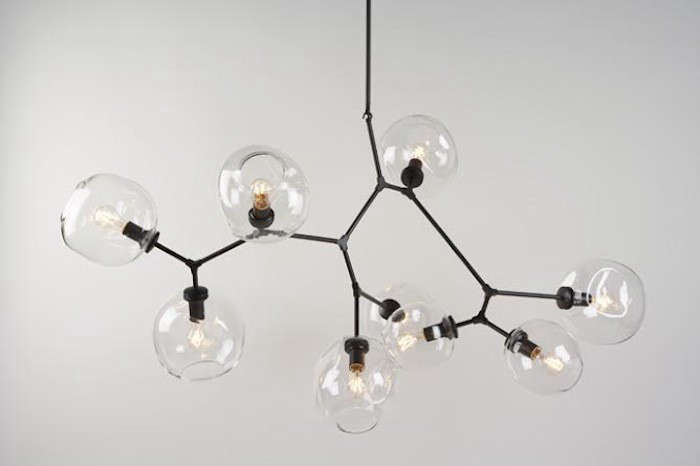
Globe light fixtures are the little black dress of home lighting: clean, classic, and somehow always appropriate. They can look crisp and modern in a minimalist kitchen, soft and nostalgic in a schoolhouse-style hallway, or downright glamorous in a dining room that wants to feel a bit more “dinner party” and a bit less “Tuesday leftovers.” That is the magic of the globe. It is simple enough to blend in, sculptural enough to stand out, and versatile enough to work whether your budget says “splurge” or “steady there, cowboy.”
This is where the high/low idea gets interesting. You do not need a museum-level lighting budget to get the polished look people associate with designer interiors. Globe light fixtures translate beautifully across price points because the form itself does so much of the visual work. A modest clear-glass pendant can feel airy and architectural. An opal-glass semi-flush mount can make a low ceiling look intentional instead of unfortunate. A clustered globe chandelier can become the star of the room without requiring the rest of the house to sell a kidney.
In other words, globe fixtures are one of the smartest places to play the high/low decorating game. Spend where it matters, save where it does not, and let shape, scale, finish, and bulb choice do the heavy lifting.
Why Globe Light Fixtures Never Really Go Out of Style
Some lighting trends arrive with great fanfare and leave just as dramatically. Remember the era when every fixture looked like a steampunk science experiment? Globe fixtures, by contrast, have staying power. Their rounded shape softens hard architectural lines, their symmetry feels balanced, and their materials adapt easily to changing tastes. Put a white globe on aged brass and it reads vintage. Put a smoked globe on matte black and suddenly it looks tailored and contemporary. Put several globes on a branching frame and your ceiling starts acting like it has an art degree.
The timelessness also comes from function. A globe diffuses light in a pleasing way, especially when paired with opal or frosted glass. Clear glass, meanwhile, offers more sparkle and shows off the bulb inside, which can feel more decorative and a bit more dramatic. That gives homeowners options instead of locking them into a single look. Globe fixtures can be quiet or theatrical, subtle or statement-making, which is exactly why they survive every trend cycle with suspicious ease.
The High/Low Formula: Where to Save and Where to Spend
Spend on scale, finish quality, and dimming
If you are going to invest, put your money into the things you will notice every day. Good proportions matter more than fancy marketing language. A globe fixture that is too small will look apologetic, like it is sorry for interrupting the room. One that is too large can dominate the space in a way that feels less “editorial” and more “oops.” Spend for the right diameter, the right drop length, and hardware that actually looks good up close.
Finish quality is another worthwhile upgrade. Brass, bronze, and black finishes can all look handsome, but cheaper versions may chip, discolor, or read flat under daylight. Better construction also tends to mean more reliable canopies, stronger rods or chains, and smoother installation. It is not the sexiest part of lighting, but nobody has ever stared lovingly at a crooked canopy.
Dimming is the final worthy splurge. A globe fixture on a dimmer can shift from practical task lighting to soft evening glow in seconds. That flexibility makes one fixture work harder, which is always a good deal no matter your budget.
Save on simple shapes and repeatable forms
Here is the good news: globe fixtures are often at their best when they are simple. A basic single-globe pendant can look expensive if the scale is right and the installation is clean. This is especially true over kitchen islands, breakfast nooks, and side-by-side vanities, where repetition creates visual rhythm. Three budget-friendly globes hung at the right height can outperform one overpriced “statement” fixture that is trying too hard.
Save by choosing classic forms in standard finishes, then elevate them with details around the room. Pair them with better bulbs, richer paint, handsome cabinet hardware, or a beautiful mirror. The fixture does not need to do all the decorating by itself. It just needs to show up on time and glow properly.
How to Choose the Right Globe Fixture for the Room
Dining rooms
Globe chandeliers and pendants are naturals above dining tables because they feel centered and intentional. As a practical rule, the fixture should generally be smaller than the width of the table and hung at a height that keeps it visually connected to the table without turning dinner into a game of duck-and-weave. If you have a rectangular table, a wider or multi-globe fixture often distributes light more evenly than a tiny centered pendant trying its best.
Design-wise, this is a great place to go a little higher-end. Dining room lighting is seen, admired, and occasionally judged by guests pretending not to judge. A sculptural globe chandelier in brass, black, or mixed finishes can become the room’s anchor. But a lower-cost schoolhouse-style globe can be just as charming if the room leans casual or vintage.
Kitchens and islands
Kitchen globe pendants work best when they balance task lighting with style. Over an island, spacing matters almost as much as the fixture itself. Too close together and the pendants look crowded. Too far apart and the island feels like it is missing a tooth. Clear or lightly tinted glass can help keep the kitchen feeling open while allowing more light through. Opal glass is softer and hides the bulb better, which is excellent if you dislike seeing the inner workings of civilization while making coffee.
If you want that high/low effect, use affordable globe pendants over the island and save your larger lighting budget for a dining fixture or entry chandelier. The kitchen often benefits more from thoughtful layout and consistent finish than from one ultra-expensive pendant acting like the main character.
Entryways and hallways
A globe fixture in an entryway can do a lot with very little square footage. It announces the style of the home immediately. In a grand foyer, a multi-globe chandelier feels welcoming and sculptural. In a narrow hall or modest entry, a single flush or semi-flush globe keeps the ceiling from feeling crowded while still looking polished.
This is where scale saves the day. Oversized fixtures can be beautiful in an entry, but they still need breathing room. If the ceiling is low, embrace a close-to-ceiling option instead of forcing a pendant to live a dangerous life.
Bedrooms, bathrooms, and home offices
Bedrooms benefit from globe fixtures because the shape is softer and less visually harsh than angular alternatives. A cluster of small globes can add texture overhead, while a milk-glass semi-flush mount keeps the mood calm and cozy. In bathrooms, globe sconces or pendants with glass shades help light move more freely, making them especially useful where clarity matters. Nobody wants to do eyeliner by guesswork.
In a home office, a globe fixture can add personality without going full spaceship. Just be sure it provides enough light for the space and pairs well with task lamps if needed. Decorative lighting is wonderful, but reading a spreadsheet in a cave is still reading a spreadsheet in a cave.
Clear Glass vs. Opal Glass vs. Smoked Glass
This choice affects both mood and performance. Clear glass creates a lighter, more open look and lets the bulb shine directly, which can feel brighter and more sparkling. It is ideal in kitchens, breakfast areas, and places where you want the fixture to feel airy. The trade-off is that the bulb becomes part of the design, so choose a bulb that actually deserves the attention.
Opal or frosted glass diffuses light more softly and hides the bulb, which makes it a strong choice for bedrooms, hallways, and traditional interiors. It also gives classic schoolhouse and globe fixtures their familiar glow. Smoked glass sits somewhere in the middle, moodier and more decorative, with a modern edge that works well in dining rooms or dramatic powder rooms.
If you are shopping high/low, this is one of the easiest ways to guide the vibe. Budget fixture plus opal glass? Timeless and forgiving. Budget fixture plus clear glass? Chic, but less forgiving if the bulb looks bad. Fancy fixture plus smoked glass? Very stylish, just make sure the room does not need stadium-level brightness.
Getting the Size Right Without Losing Your Mind
Lighting guides agree on one essential truth: proportion matters. Over dining tables and islands, globe fixtures should feel connected to the surface below, not randomly suspended in philosophical isolation. For counters and tables, pendants are commonly hung roughly 28 to 36 inches above the surface, depending on the room and fixture size. In spaces with standard 8-foot ceilings, pendant drops often begin around 12 to 20 inches below the ceiling, with more drop added as ceilings get taller.
For dining tables specifically, many designers and retailers recommend a fixture roughly one-half to two-thirds the table width, or otherwise narrower than the table so it does not interfere with movement. Over islands, multiple pendants generally need consistent spacing and some breathing room from the edges. The exact measurement will vary, but the idea stays the same: balance the visual weight, keep the work surface lit, and avoid making the kitchen look like it was decorated during a power outage.
Low ceilings deserve honesty. If the ceiling is 8 feet or less, flush and semi-flush globe fixtures are often the better call. There is no shame in choosing a close-to-ceiling light. In fact, forcing a long pendant into a short room is how homes end up feeling shorter, not more stylish.
Bulbs, Brightness, and Color Temperature
A beautiful globe fixture with the wrong bulb is like a tailored suit with clown shoes. Bulb choice matters. LED bulbs are usually the smartest option because they are energy efficient, long-lasting, and available in a wide range of color temperatures. For most living spaces, a warm white bulb around 2700K creates a comfortable residential glow. If you want a slightly crisper feel in kitchens or work zones, you can move a bit cooler, but be careful not to cross into “dentist office at 8 a.m.” territory.
Many homeowners also love dim-to-warm LEDs, which become warmer as they dim, mimicking the cozy behavior of older incandescent or halogen lighting. That is especially effective with globe fixtures, since their shape naturally emphasizes glow and atmosphere. In plain English: the right bulb turns a decent fixture into a very good one.
Styling Tips That Make Affordable Fixtures Look Pricier
- Choose larger globes rather than tiny ones when the room can handle them. Bigger often reads more intentional.
- Match or thoughtfully contrast the finish with nearby hardware, faucets, or furniture legs.
- Use the same family of globes across connected spaces for cohesion.
- Install them at the correct height. Even beautiful lights look wrong when hung badly.
- Add a dimmer. Mood is half the magic.
- Use high-quality bulbs with flattering light color and minimal glare.
- Let the fixture breathe. A globe chandelier wants space around it, not visual traffic jams.
The Real Beauty of High/Low Decorating
The point of high/low design is not to trick people into thinking everything cost a fortune. It is to spend strategically so your home feels layered, personal, and well considered. Globe light fixtures are perfect for that approach because they are visually strong even in their simplest form. A budget-friendly globe can look elevated in the right room, while a premium version can feel truly special when used as a focal point.
So yes, you can absolutely save on the pendant over the breakfast nook and splurge on the dining chandelier. You can keep the hallway simple and invest in dimmable globes for the living room. You can buy the affordable opal semi-flush mount and still sleep at night knowing your house has excellent taste. That, my friend, is the sweet spot.
Experiences With Globe Light Fixtures: Living With the Look
Living with globe light fixtures tends to change the way people think about lighting. At first, many homeowners pick them because they are attractive and easy to understand. A globe is not mysterious. It is a sphere. It hangs there. It glows. Very straightforward. But after a few weeks, people often realize the real pleasure comes from how adaptable these fixtures are across everyday life.
In kitchens, globe pendants often become part of the daily routine in a surprisingly emotional way. Morning coffee feels calmer under soft opal globes than under harsh recessed lights blasting the room awake before your brain has signed the paperwork. In the evening, dimmed globes over an island can make the same kitchen feel less like a workstation and more like a place to linger. That shift matters. Good lighting changes behavior. It encourages people to stay, talk, snack, read recipes, and somehow discuss life for forty minutes while standing three feet from perfectly good chairs.
Dining rooms get an even bigger payoff. A globe chandelier has a way of making a table feel anchored, even when the rest of the room is fairly simple. One of the most common experiences people report is that the room suddenly feels finished. Not renovated. Not transformed by fairy dust. Just finished. As though the room had been waiting politely for someone to remember the ceiling exists. Because globe fixtures distribute light in a soft, flattering way, they also tend to make dinners feel warmer and more relaxed. The food may still be questionable, but the mood improves dramatically.
In small entries and hallways, the experience is different but equally valuable. A flush or semi-flush globe can brighten transitional spaces without making them feel cluttered. People often discover that these overlooked areas become more welcoming simply because the light is gentler and more balanced. The hallway stops feeling like a tunnel and starts feeling like part of the home’s design story. That is a big return from one fixture and about twenty minutes of suddenly noticing your walls.
Bedrooms benefit from the emotional side of globe lighting. The rounded form reads softer than sharp-edged fixtures, so the room feels calmer before the light is even switched on. Add a warm LED and a dimmer, and the effect becomes more noticeable at night. Many people who switch from a stark ceiling fixture to a globe style say the room feels less clinical and more restful. That tracks. Bedrooms should whisper, not interrogate.
Another common experience with globe fixtures is realizing that maintenance is not as dramatic as feared, provided you choose wisely. Clear glass looks beautiful, but it does show dust, fingerprints, and the occasional reminder that gravity exists. Opal glass is more forgiving. Households with kids, pets, or a general commitment to chaos often prefer it for exactly that reason. Smoked glass can look incredibly stylish, though in lower-light rooms it may feel moodier than expected. That is not a flaw, just a personality trait.
Perhaps the most useful long-term experience is that globe fixtures age well visually. Homeowners may repaint walls, swap stools, replace rugs, or become emotionally attached to a different cabinet hardware finish by next Tuesday, but globe lighting tends to survive those updates. It has enough character to feel intentional and enough simplicity to stay relevant. In the high/low decorating game, that durability is a quiet luxury. A fixture that still looks right after trends come and go is often a better investment than one that arrives with a lot of drama and leaves with your patience.
Conclusion
Globe light fixtures earn their popularity honestly. They are stylish without being fussy, versatile without being boring, and available at nearly every budget level. Whether you are drawn to a dramatic multi-globe chandelier, a practical row of kitchen pendants, or a humble semi-flush mount for a low ceiling, the key is to match the fixture to the room’s proportions, function, and mood. Do that well, and the high/low choice becomes less about price and more about confidence. A good globe fixture does not need to shout. It just needs to glow.














