
Peppers are the extroverts of the vegetable drawer. They show up in red, yellow, orange, green, purple, and sometimes suspiciously dramatic shades of “farmers market fancy.” They can be sweet, smoky, crisp, silky, spicy, or mellow, depending on how you cook them. Better yet, learning how to cook peppers does not require chef school, a blowtorch, or a personality makeover. You need a knife, some heat, a little patience, and the courage to stop overcrowding the pan.
This guide covers 6 ways to cook peppers: sautéing, roasting, grilling, broiling and charring, steaming or microwaving, and stuffing and baking. Each method changes the texture and flavor in a different way. A quick sauté keeps bell peppers crisp-tender and bright. Roasting turns them sweet and caramelized. Grilling adds smoky edges. Broiling gives you that silky roasted-pepper texture people usually buy in jars. Steaming softens peppers without much oil. Stuffing transforms them from side dish to dinner with a roof.
Whether you are cooking bell peppers for fajitas, pasta, sandwiches, salads, soups, rice bowls, eggs, or a weeknight sheet-pan dinner, this article will help you choose the right method, avoid mushy results, and bring out the best flavor. Let’s give those peppers the glow-up they deserve.
Before You Cook: How to Choose and Prep Peppers
Great cooked peppers start before the stove even gets involved. Choose peppers that feel firm and heavy for their size, with shiny skin and no soft, wrinkled, or moldy spots. Red, yellow, and orange bell peppers tend to taste sweeter because they are more mature. Green bell peppers have a sharper, grassy flavor that works beautifully in savory dishes like sausage and peppers, gumbo-style bases, stuffed peppers, and fajitas.
Wash, Cut, and Remove the Seeds
Rinse peppers under cool running water and dry them well. Drying matters more than people think. Wet peppers steam before they brown, and browning is where the flavor party happens. Slice off the top, remove the core, shake out the seeds, and trim away the pale inner ribs if you want a softer, sweeter bite. For stir-fries and fajitas, slice peppers into strips. For roasting, cut them into wide planks or quarters. For stuffing, remove the tops or halve them lengthwise while keeping enough structure to hold the filling.
Know Your Pepper Personality
Bell peppers are mild and sweet. Poblanos are earthy with gentle heat. Jalapeños are brighter and spicier. Anaheim peppers are mild and great for roasting. Shishito and padrón peppers are small, thin-skinned, and ideal for blistering quickly. The method you choose should match the pepper. Thick bell peppers can handle roasting, grilling, stuffing, and sautéing. Thin-skinned peppers prefer fast, hot cooking so they blister instead of collapse into sadness.
1. Sauté Peppers for Fast Weeknight Flavor
Sautéing is one of the easiest ways to cook peppers because it is quick, flexible, and friendly to whatever else you have in the kitchen. Sautéed peppers are perfect for tacos, omelets, pasta, rice bowls, sandwiches, burgers, sausage, chicken, tofu, and anything that needs color without making dinner complicated.
How to Sauté Peppers
Heat a large skillet over medium-high heat. Add a tablespoon or two of olive oil, avocado oil, or another cooking oil. Add sliced peppers in a single-ish layer, then season with salt. Cook for 6 to 10 minutes, stirring occasionally, until the peppers are tender but still have a little bite. Add garlic during the final minute so it flavors the dish without burning. Finish with black pepper, red pepper flakes, lemon juice, vinegar, fresh herbs, or a small pat of butter.
The biggest sautéing mistake is crowding the pan. If you pile in too many peppers, they release moisture and steam. They will still cook, but they will not develop those lightly browned edges that make sautéed peppers taste restaurant-level. Use a wide skillet, cook in batches if needed, and let the peppers sit undisturbed for short stretches so they can actually brown.
Best Uses for Sautéed Peppers
Sautéed peppers and onions are classic for fajitas, hoagies, Italian sausage, breakfast skillets, and grain bowls. For a Mediterranean twist, add oregano, garlic, and a splash of red wine vinegar. For a Tex-Mex version, use cumin, chili powder, lime juice, and cilantro. For an Italian-style side, add basil, crushed tomatoes, and a pinch of sugar to balance the acidity. This is the method for nights when the question is “What can I cook in 15 minutes?” and the answer is “These peppers, before they file a complaint from the crisper drawer.”
2. Roast Peppers in the Oven for Sweetness
Oven-roasted peppers are soft, sweet, and lightly caramelized. Roasting is the best method when you want peppers to deepen in flavor and become more luxurious. The dry heat concentrates their natural sugars, softens the flesh, and creates browned edges that taste far more exciting than the effort required.
How to Roast Peppers
Preheat the oven to 425°F. Cut bell peppers into strips, chunks, or quarters. Toss them with olive oil, salt, and pepper, then spread them on a rimmed baking sheet in a single layer. Roast for 20 to 30 minutes, turning once, until the peppers are tender and browned in spots. For thicker slices or larger pieces, you may need a few extra minutes. For thinner strips, start checking early.
For better browning, give the peppers space. A crowded sheet pan creates steam, and steam is the enemy of caramelization. If your baking sheet looks like rush-hour traffic, use two pans. You can also preheat the sheet pan before adding the peppers, which helps the undersides begin browning quickly.
Flavor Ideas for Roasted Peppers
Roasted peppers love bold seasonings. Toss them with garlic cloves, sliced red onion, cherry tomatoes, thyme, rosemary, smoked paprika, or a sprinkle of crushed red pepper. After roasting, brighten them with balsamic vinegar, lemon juice, chopped parsley, or a spoonful of capers. They are excellent with chicken, fish, steak, beans, lentils, pasta, polenta, hummus, burrata, or crusty bread.
Roasted peppers also make excellent meal-prep ingredients. Add them to sandwiches, salads, scrambled eggs, pizza, wraps, or soups throughout the week. They bring color and flavor without asking for much attention, which is more than can be said for most group chats.
3. Grill Peppers for Smoky, Charred Edges
Grilling peppers gives them a smoky flavor that is hard to fake indoors. The high heat blisters the skin, softens the flesh, and adds those charred edges that make everything taste like summer, even if you are just standing next to a grill wondering whether you remembered to clean it last year.
How to Grill Peppers
Preheat the grill to medium-high heat. Cut bell peppers into large flat pieces or thick strips so they do not fall through the grates. Toss them lightly with oil, salt, and pepper. Place them directly on clean, oiled grates and grill for 3 to 5 minutes per side, or until they are tender and charred in spots. Smaller peppers, such as shishitos, can be grilled whole in a grill basket or on skewers.
If you want a peeled roasted-pepper texture, grill whole peppers or large halves until the skins are deeply blistered. Transfer them to a covered bowl for 10 to 15 minutes. The trapped steam loosens the skins, making them easier to peel. After peeling, slice the peppers and season them with olive oil, salt, vinegar, and herbs.
Best Uses for Grilled Peppers
Grilled peppers are fantastic in fajitas, kebabs, burgers, grilled cheese, tacos, pasta salads, antipasto platters, and grain bowls. Try them with grilled chicken and chimichurri, steak and salsa verde, or chickpeas and tahini sauce. They also pair well with salty ingredients like feta, olives, anchovies, Parmesan, and prosciutto. Sweet pepper plus salty topping is one of those combinations that makes people nod seriously while chewing.
4. Broil or Char Peppers for Silky Roasted Pepper Texture
Broiling is the shortcut to classic roasted peppers with blackened skins and soft, silky flesh. This is the method to use when you want homemade roasted red peppers for sandwiches, dips, sauces, salads, or pasta. It delivers big flavor with minimal ingredients: peppers, heat, and maybe a tiny pep talk because the broiler can look intense.
How to Broil Peppers
Set the oven rack close to the broiler and turn the broiler on high. Cut peppers in half from top to bottom, remove the stems, seeds, and ribs, and place the halves skin-side up on a foil-lined baking sheet. Broil for 8 to 14 minutes, rotating the pan as needed, until the skins are mostly blackened and blistered. Transfer the peppers to a bowl and cover it, or fold the foil around them to trap steam. Let them rest for 10 to 15 minutes, then peel away the skins.
Do not rinse the peppers unless absolutely necessary. Rinsing can wash away some of the smoky flavor. Instead, use your fingers, a small knife, or a paper towel to remove stubborn bits of skin. Slice the peeled peppers and season with olive oil, salt, garlic, vinegar, basil, or parsley.
What to Make with Broiled Peppers
Broiled peppers can become a smoky dip when blended with chickpeas, walnuts, breadcrumbs, yogurt, or cream cheese. They are also excellent on sandwiches with mozzarella and basil, tossed into pasta with garlic and olive oil, layered onto pizza, chopped into egg dishes, or served as a side with grilled meat or fish. If jarred roasted peppers are convenient, homemade broiled peppers are the deluxe versionthe kind that wears sunglasses indoors but somehow gets away with it.
5. Steam or Microwave Peppers for Tender Results with Less Oil
Steaming peppers is not the flashiest method, but it is practical, fast, and useful when you want tender peppers without much added fat. It is especially helpful before stuffing peppers, when you want the shells to soften before baking. Microwaving works similarly and can save time on busy nights.
How to Steam Peppers
Place sliced peppers in a steamer basket over simmering water. Cover and steam for 4 to 7 minutes for strips, or 8 to 10 minutes for larger halves, until crisp-tender. Season after steaming with salt, pepper, olive oil, lemon juice, herbs, or a light sauce. Because steam does not brown food, the flavor will be gentler than roasted or grilled peppers, but the color stays bright and the texture is clean.
How to Microwave Peppers
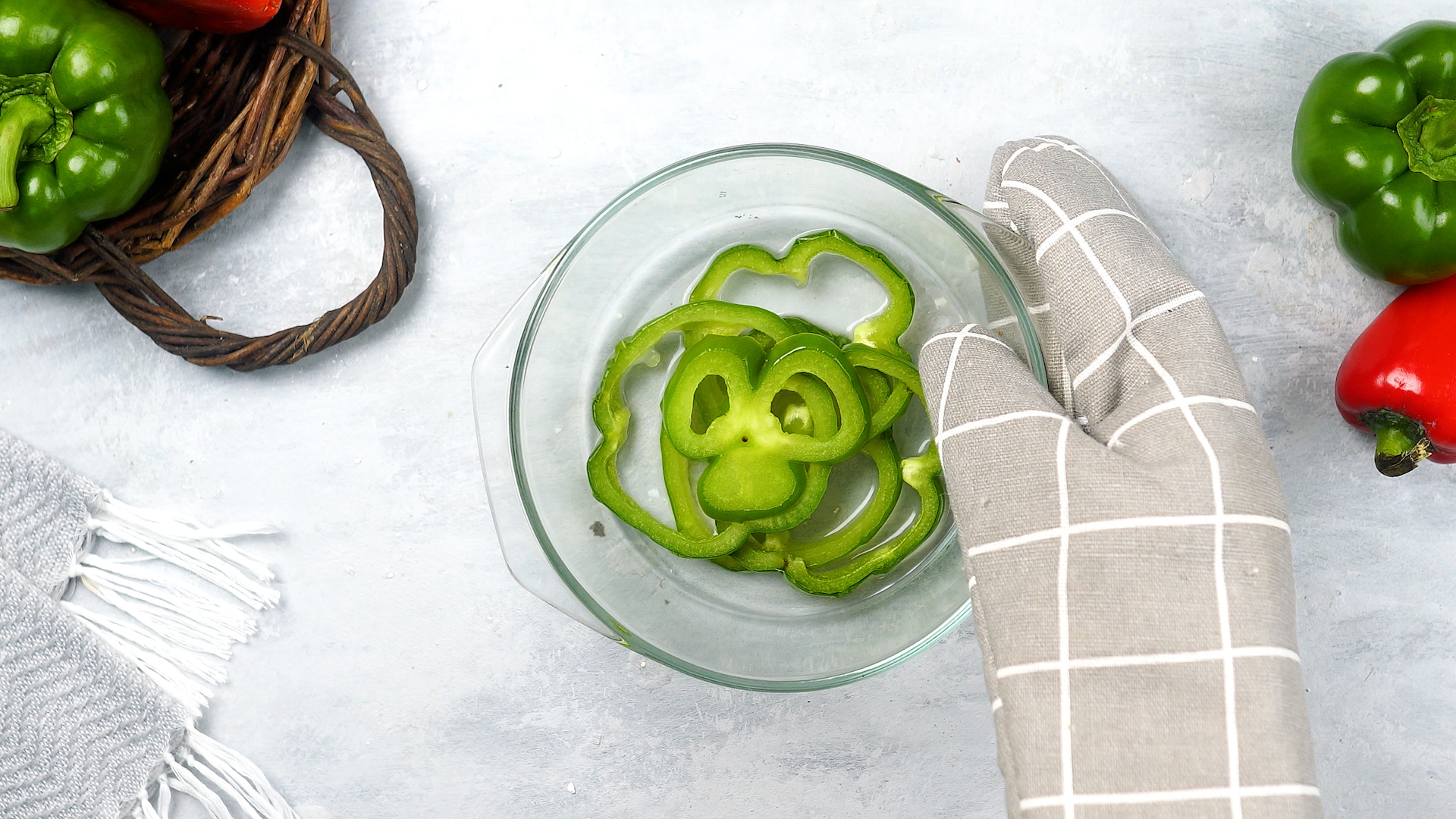
Place sliced peppers or pepper halves in a microwave-safe dish with a tablespoon or two of water. Cover loosely with a microwave-safe lid or plate. Microwave on high for 2 to 4 minutes for slices, or 4 to 6 minutes for halves, depending on thickness and your microwave. Let them stand for a minute before uncovering, because steam is sneaky and has no respect for fingertips.
Steamed or microwaved peppers are great for quick sides, soft fillings, omelets, casseroles, and stuffed peppers. They also work well for people who prefer a milder pepper flavor or need a lower-oil cooking method. For extra taste, toss them with a warm vinaigrette, soy-ginger sauce, garlic butter, or tomato sauce after cooking.
6. Stuff and Bake Peppers for a Full Meal
Stuffed peppers are proof that vegetables can be both container and dinner. They are cozy, colorful, customizable, and excellent for using up leftovers. A pepper can hold rice, quinoa, ground beef, turkey, sausage, beans, lentils, corn, tomatoes, cheese, herbs, and sauces. It is basically edible architecture.
How to Make Stuffed Peppers
Preheat the oven to 375°F or 400°F, depending on your recipe and filling. Cut the tops off whole peppers or slice them in half lengthwise. Remove seeds and ribs. For softer peppers, par-cook them first by steaming, microwaving, blanching, roasting, or baking them empty for a few minutes. This step helps the pepper become tender without overcooking the filling.
Prepare your filling separately. For a classic version, cook ground beef or turkey with onion, garlic, diced peppers, tomato sauce, cooked rice, Italian seasoning, salt, and pepper. For a vegetarian version, use black beans, corn, quinoa, salsa, cumin, and cheese. Spoon the filling into the peppers, place them in a baking dish, add a little sauce or broth to the bottom, cover with foil, and bake for 25 to 40 minutes. Remove the foil, add cheese if desired, and bake for another 5 to 10 minutes until melted and lightly browned.
Stuffed Pepper Tips
Do not pack the filling too tightly. A loose filling heats more evenly and has a better texture. Add moisture with tomato sauce, salsa, broth, or a spoonful of sour cream or yogurt in the filling. If the peppers wobble, slice a very thin piece from the bottom to stabilize them without cutting a hole. For meal prep, bake a full tray and refrigerate leftovers in shallow containers within two hours. Cooked leftovers are best used within a few days and should be reheated until hot and steaming.
Which Cooking Method Is Best?
The best way to cook peppers depends on what you want them to do. For fast flavor, sauté them. For sweetness, roast them. For smoky edges, grill them. For silky roasted peppers, broil and peel them. For a lower-oil option, steam or microwave them. For dinner, stuff and bake them.
If you want peppers to stay crisp, use high heat and short cooking time. If you want them soft and sweet, use longer cooking with dry heat. If you want them smoky, char the skins. If you want them tender enough to fill, par-cook them first. Peppers are flexible, but they reward cooks who match the method to the meal.
Common Mistakes When Cooking Peppers
Overcrowding the Pan
Too many peppers in one skillet or sheet pan will steam instead of brown. Give them space, cook in batches, or use a larger pan.
Adding Garlic Too Early
Garlic burns faster than peppers cook. Add it near the end of sautéing or roasting, or use whole cloves for longer roasting.
Using Too Little Heat
Low heat can make peppers limp before they develop flavor. Medium-high heat is usually best for sautéing, grilling, and blistering.
Forgetting Acid
Cooked peppers are naturally sweet. A splash of vinegar, lemon juice, or lime juice balances that sweetness and makes the flavor pop.
Skipping Salt
Salt draws out flavor. Season during cooking, then taste again before serving. Peppers are colorful, but they still appreciate basic manners.
Flavor Pairings That Love Peppers
Peppers pair beautifully with onions, garlic, tomatoes, zucchini, eggplant, mushrooms, potatoes, corn, beans, rice, eggs, sausage, chicken, beef, shrimp, tofu, and cheese. For herbs, try basil, parsley, cilantro, oregano, thyme, rosemary, or dill. For spices, use smoked paprika, cumin, chili powder, coriander, black pepper, cayenne, or crushed red pepper flakes.
For sauces and finishing touches, peppers work well with balsamic glaze, chimichurri, pesto, tahini, yogurt sauce, romesco, salsa, hot honey, soy sauce, teriyaki, and vinaigrettes. The easiest formula is simple: cook peppers, add something salty, add something acidic, and finish with herbs. That small move turns “vegetable side dish” into “Who made these?”
Personal Cooking Experiences: What Peppers Teach You in the Kitchen
Cooking peppers often feels like a small kitchen lesson disguised as dinner. The first lesson is patience. When you toss sliced bell peppers into a skillet, the temptation is to stir constantly like you are conducting a tiny vegetable orchestra. But if you leave them alone for a minute or two, they begin to brown. The edges darken, the sweetness deepens, and suddenly the kitchen smells like something intentional is happening. That is the moment when peppers stop being raw ingredients and start becoming dinner.
Roasting peppers teaches a different lesson: moisture matters. The first time many home cooks roast peppers, they crowd the pan. The peppers soften, release water, and sit there looking tired. The flavor is fine, but not exciting. Then one day you spread them out properly, use a hot oven, and let the edges caramelize. The difference is huge. The peppers turn sweeter, almost jammy in spots, and they suddenly belong on sandwiches, pasta, toast, and salads. It feels like unlocking a secret level in a very delicious video game.
Grilling peppers is where confidence enters the chat. At first, the char can look like a mistake. Black spots? Smoke? A pepper skin that looks like it had a dramatic afternoon? Perfect. Once the blistered skin is peeled away or the charred edges are chopped into a dish, that smoky flavor makes sense. Grilled peppers with a little olive oil, salt, and vinegar can taste like something served at a restaurant with small plates and very confident lighting.
Stuffed peppers, meanwhile, teach balance. A dry filling makes the whole dish feel heavy. Too much sauce makes it slump. Undercooked peppers stay too firm, while overcooked ones collapse like they just heard bad news. The sweet spot is a pepper that holds its shape but yields easily to a fork, with a filling that is moist, seasoned, and not packed like luggage before a long trip. Par-cooking the peppers helps, and so does adding a little sauce to the baking dish.
Another useful experience is learning that different colored peppers really do behave differently in recipes. Red peppers bring sweetness and softness. Yellow and orange peppers taste bright and mild. Green peppers hold onto that bold, slightly bitter edge, which can be exactly what you want in dishes with sausage, beef, tomato sauce, or melted cheese. Instead of treating all peppers as interchangeable, you start choosing them the way you choose music for a dinner party: based on the mood.
Peppers also reward improvisation. Leftover roasted peppers can become a quick pasta sauce when blended with garlic, olive oil, Parmesan, and a splash of pasta water. Sautéed peppers can slide into scrambled eggs the next morning. Grilled peppers can be chopped into salsa. Steamed peppers can be folded into casseroles or grain bowls. Even a slightly wrinkled pepper that no longer looks salad-worthy can become delicious once heat gets involved. Cooking peppers is a reminder that good home cooking is not always about perfect ingredients. Sometimes it is about knowing how to rescue the ones looking a little dramatic in the fridge.
The best part is that peppers make food look generous. A handful of sliced peppers can brighten a skillet of chicken, stretch a pasta dish, make rice bowls feel fresh, and turn a basic sandwich into something you would willingly eat standing over the sink. They are colorful, affordable, adaptable, and forgiving. Once you learn these six ways to cook peppers, you stop seeing them as a side ingredient and start seeing them as one of the easiest ways to add flavor, texture, and personality to everyday meals.
Conclusion
Learning 6 ways to cook peppers gives you a flexible kitchen skill you can use all week. Sauté peppers when you need speed. Roast them when you want sweetness. Grill them for smoke. Broil them for silky roasted pepper flavor. Steam or microwave them for tenderness with less oil. Stuff and bake them when you want a colorful, satisfying meal.
The real trick is understanding how heat changes peppers. High, dry heat brings browning and sweetness. Direct flame adds char. Moist heat softens them gently. Baking stuffed peppers turns them into comfort food with built-in portion control, which is very polite of them. With a few simple techniques, peppers can move from crunchy snack to smoky side dish, from pasta booster to dinner centerpiece. Not bad for something that started the day rolling around in the produce drawer.














