
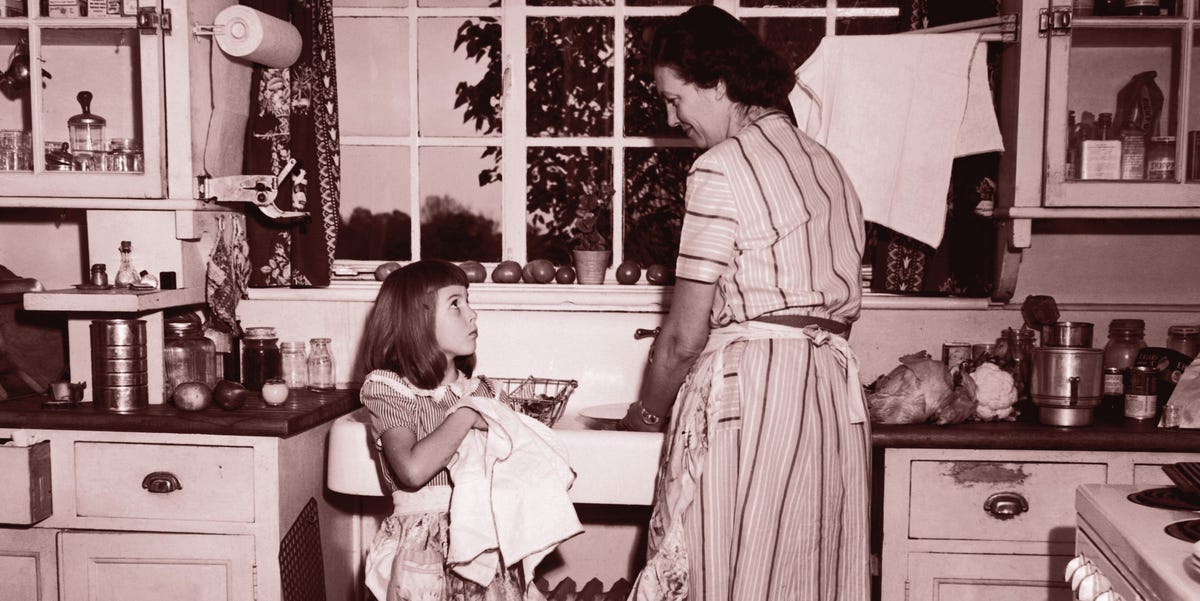
Grandma knew plenty. She could stretch leftovers into dinner, fold a fitted sheet with suspicious wizard energy, and diagnose a dirty window from across the street. But when it comes to old-fashioned cleaning tips, not every family secret deserves a standing ovation. Some vintage cleaning hacks are harmless. Some are outdated. And a few are the household equivalent of yelling, “Let’s see what happens!” while holding a bottle of bleach.
The problem is not that Grandma was careless. She cleaned with what she had, in homes with different materials, fewer electronics, and less information about chemical safety. Today, we have sealed stone countertops, nonstick cookware, stainless steel appliances, touch screens, microfiber cloths, high-efficiency washing machines, and cleaning labels that practically require a law degree. So yes, it is time to retire a few beloved cleaning myths before they damage your home, your lungs, or your patience.
Below are 10 cleaning tips from Grandma you should stop doing ASAP, plus safer, smarter alternatives that still get the house looking fresh without turning Saturday chores into a science fair gone rogue.
1. Stop Mixing Bleach With Vinegar, Ammonia, or “Just a Little Something Extra”
This is the big one. If there were a Cleaning Commandments tablet, “Thou shalt not mix bleach” would be etched at the top in bold letters and possibly surrounded by warning sirens.
Old-school advice sometimes treats bleach like a magic booster: add it to vinegar, pour it after toilet cleaner, splash it into a bucket with another cleaner, and suddenly everything is “extra disinfected.” Unfortunately, chemistry does not care about family traditions. Mixing bleach with acidic products, ammonia-based cleaners, or other household chemicals can release irritating and dangerous fumes.
What to do instead
Use one cleaning product at a time. Read the label. Ventilate the room. If you want to switch products, rinse the surface thoroughly and allow it to dry first. Bleach can be useful when used correctly, but it is not a team player. Think of it as the diva of the cleaning cabinet: powerful, dramatic, and best kept away from everyone else.
2. Stop Using Vinegar on Everything
White vinegar has earned its reputation as a budget-friendly cleaner. It can help remove mineral deposits, freshen some surfaces, and cut light grease. But the internet has promoted vinegar from “helpful household cleaner” to “liquid superhero,” and that is where trouble starts.
Vinegar is acidic. That acidity is useful in some places, but it can damage natural stone such as marble, limestone, and some granite sealers. It can dull finishes, harm waxed or unfinished wood, affect rubber parts in appliances, and make some metal surfaces look tired before their time. It is also not the best choice for electronics, touch screens, or anything with delicate coatings.
What to do instead
Use vinegar selectively. Save it for jobs where acidity helps, such as some glass, mineral buildup, and basic deodorizing. For stone counters, use a pH-neutral cleaner recommended for that material. For electronics, use a microfiber cloth and manufacturer-approved cleaning guidance. Vinegar is useful, but it is not a personality trait.
3. Stop Believing Baking Soda and Vinegar Are a Super-Cleaning Power Couple
The fizz is fun. It bubbles, foams, and makes you feel like you are starring in a kitchen-safe volcano experiment. But baking soda and vinegar together are often more theatrical than effective.
Baking soda is alkaline and mildly abrasive. Vinegar is acidic. When combined, they react and largely neutralize each other. The bubbling can help loosen light debris in some situations, such as fresh drain gunk or toilet bowl residue, but it is not the unstoppable cleaning force many people imagine.
What to do instead
Use them separately. Baking soda is great as a gentle scrub for sinks, pans, and some stubborn spots. Vinegar can help with mineral deposits and odors. Together, they are mostly a bubbly performance review with limited results. Applaud politely, then clean smarter.
4. Stop Using More Detergent Because “More Soap Means More Clean”
This tip probably came from a good place. If one scoop cleans clothes, two scoops must clean them twice as much, right? Sadly, laundry does not work like ordering extra fries.
Too much detergent can leave residue on clothing, make fabrics feel stiff, trap odors, and cause buildup inside washing machines. High-efficiency washers are especially sensitive because they use less water. Extra detergent can create extra suds, which makes rinsing harder and cleaning less effective.
What to do instead
Measure detergent according to the product label, washer type, load size, and soil level. For lightly worn clothes, you may need less than you think. If towels smell musty even after washing, detergent buildup may be part of the problem. Your washer wants balance, not a bubble bath with commitment issues.
5. Stop Cleaning Every Room With the Same Rag
Grandma may have had one heroic rag that handled counters, floors, furniture, and mysterious sticky spots. It probably had the emotional range of a family pet. But using one cloth all over the house can spread grime and germs from one area to another.
The kitchen sink, bathroom faucet, toilet handle, dining table, and bedroom dresser do not need to share a cleaning cloth. That is not efficiency. That is a germ road trip.
What to do instead
Use separate cloths for different zones. Microfiber cloths are excellent because they trap dust and debris better than many old rags. You can color-code them if you want to feel deeply organized: one for bathrooms, one for kitchen counters, one for dusting, and one for mirrors or glass. Wash them after use and let them dry fully before storage.
6. Stop Wiping Disinfectant Off Immediately
A common old habit is spraying disinfectant, wiping once, and declaring victory. The surface may look cleaner, but disinfectants usually need contact time to work properly. That means the surface must remain wet for the time listed on the product label.
Cleaning and disinfecting are not the same thing. Cleaning removes visible dirt, grease, crumbs, and the sticky evidence of snack decisions. Disinfecting uses a registered product to kill certain germs on a cleaned surface. If you wipe a disinfectant away too quickly, you may not get the benefit promised on the label.
What to do instead
Clean first, then disinfect when needed. Check the label for contact time, ventilation guidance, surface compatibility, and whether food-contact surfaces need rinsing afterward. High-touch areas such as doorknobs, light switches, toilet handles, and faucet knobs deserve more attention during cold and flu season or when someone in the home is sick.
7. Stop Dusting With a Dry Feather Duster
A feather duster looks charming. It gives “mansion housekeeper in a black-and-white movie.” Unfortunately, many dry dusters mostly move dust from one place to another. The shelf looks better for eight minutes, then the dust resettles like it paid rent.
Dry dusting can also stir particles into the air, which is not ideal for people with allergies, asthma, or general resentment toward sneezing. Old-school dusting often focused on appearance, but modern cleaning also cares about indoor air quality and allergen control.
What to do instead
Use a slightly damp microfiber cloth or a microfiber duster designed to trap dust. Work from top to bottom so falling dust does not ruin surfaces you already cleaned. Vacuum upholstery, vents, and baseboards regularly with the right attachment. Dusting should remove dust, not simply relocate it to a more dramatic location.
8. Stop Treating Bleach as the Cure for Every Mold Problem
Bleach can lighten mold stains on some hard, nonporous surfaces, but it does not solve the real reason mold is growing. Mold needs moisture. If the leak, humidity, poor ventilation, or damp material remains, mold can return like an uninvited houseguest with a suitcase.
Another issue: not every moldy material should be scrubbed and saved. Porous items such as ceiling tiles, carpet padding, insulation, and some damaged drywall may need removal if they are contaminated. Spraying more product on a moisture problem is like putting perfume on a gym sock. The core issue remains deeply committed.
What to do instead
Fix the moisture source first. Dry wet areas quickly, improve ventilation, repair leaks, and use appropriate cleaning methods for the surface. For large mold areas, recurring growth, or mold linked to water damage, consider professional help. The goal is not just to bleach the evidence. The goal is to stop the mold party from being hosted again.
9. Stop Scrubbing Delicate Surfaces With Abrasive Powders
Grandma loved a good scrub. To be fair, scrubbing works beautifully on some tough surfaces. But abrasive powders, stiff brushes, and rough pads can scratch nonstick pans, stainless steel, glass cooktops, acrylic tubs, sealed stone, and appliance finishes.
Scratches are not just cosmetic. They can trap grime, dull the surface, damage protective coatings, and make future cleaning harder. That means today’s enthusiastic scrubbing becomes tomorrow’s permanent cloudiness. Your sink may forgive you. Your glass cooktop will hold a grudge.
What to do instead
Match the tool to the surface. Use soft cloths, non-scratch sponges, and cleaners labeled safe for the material. Let cleaning products sit according to the directions so they can loosen residue before you start scrubbing. Gentle patience often beats aggressive elbow grease, which is annoying but true.
10. Stop Ignoring Dryer Lint and Vents
This one may not sound like a “Grandma cleaning tip,” but it is often part of old household wisdom: clean the visible lint screen when you remember, and the dryer will be fine. Modern safety guidance says otherwise.
Lint buildup can restrict airflow, make clothes take longer to dry, overheat the dryer, waste energy, and increase fire risk. The lint screen matters, but so does the vent duct and the area behind the dryer. If your towels need two cycles, your dryer is unusually hot, or you smell something odd while it runs, do not ignore it.
What to do instead
Clean the lint filter before or after every load. Check the vent system regularly and have it cleaned when needed. Make sure the outside vent opens properly and is not blocked. Dryer maintenance is not glamorous, but neither is explaining to your laundry room why it smells like scorched socks.
Why Old Cleaning Advice Sticks Around
Old cleaning tips survive because they are simple, cheap, and familiar. A bottle of vinegar, a box of baking soda, a rag, and determination can handle many everyday messes. The issue is not tradition itself. The issue is using the same trick on every surface and every situation without asking, “Is this still the best idea?”
Homes have changed. Countertops are often sealed stone or engineered materials. Appliances have rubber gaskets, touch panels, and sensors. Floors may have delicate finishes. Cookware can include nonstick coatings, enamel, cast iron, stainless steel, copper, and ceramic. One cleaner cannot safely handle all of that. Even your junk drawer has more categories than that.
The best modern cleaning approach combines Grandma’s discipline with today’s safety knowledge: clean regularly, use simple products when they work, avoid dangerous chemical mixing, respect product labels, and choose tools that protect surfaces instead of punishing them.
Smart Cleaning Rules That Still Honor Grandma
You do not have to throw away every old-fashioned cleaning habit. Some are still excellent. Opening windows for fresh air, cleaning spills quickly, washing reusable cloths, letting sunlight help freshen fabrics, and keeping a weekly routine are all timeless. Grandma’s real gift was not a specific bottle under the sink. It was the idea that caring for your home matters.
Here are the modern rules worth keeping close:
- Read labels first. Product directions explain surfaces, safety precautions, dilution, ventilation, and contact time.
- Do not mix cleaners. More ingredients do not automatically mean better results.
- Clean before disinfecting. Dirt and grease can interfere with disinfectants.
- Use the gentlest effective method. Start mild, then increase strength only when needed.
- Match cleaners to materials. Stone, wood, metal, electronics, and fabrics all have different needs.
- Maintain tools. Dirty mops, old sponges, clogged vacuums, and lint-filled dryers make cleaning harder and less safe.
Personal Experience: What Happens When You Retire Bad Cleaning Habits
I used to think old cleaning tricks were automatically better because they sounded practical and came with a story. You know the kind: “My grandmother used this on everything, and her house was spotless.” That sentence has power. It smells faintly of lemon furniture polish and moral superiority. But once I started paying attention to actual results, I realized some of those tips were creating more work than they solved.
The first habit I retired was using too much laundry detergent. I thought generous detergent use meant fresh clothes. Instead, towels slowly became stiff, dark shirts looked dull, and the washer developed a smell that could only be described as “wet basement with opinions.” Cutting back to the recommended amount made a noticeable difference. Towels rinsed cleaner, clothes felt softer, and the washer stopped acting like it had secrets.
The second big lesson came from vinegar. I loved vinegar because it was cheap, easy, and felt wonderfully old-fashioned. I used it on glass, faucets, and the occasional mystery spot. Then I learned that vinegar does not belong on everything, especially stone surfaces and delicate finishes. That changed my routine. Now I keep vinegar for jobs where it actually makes sense, and I use surface-safe cleaners for materials that need gentler treatment. The house still gets clean, but the countertops no longer live in fear.
Microfiber cloths also changed the game. I grew up seeing old rags used for everything, which seemed efficient until I realized one cloth could carry kitchen grease into the living room or bathroom grime toward places where snacks happen. Separating cloths by task made cleaning feel more organized and honestly less gross. A damp microfiber cloth picks up dust far better than a dry feather duster, and it does not send particles floating through the air like a tiny indoor weather event.
Another experience that made me rethink old habits was disinfecting. For years, I assumed a quick spray-and-wipe counted. Then I started reading product labels and noticed contact times. That was humbling. It turns out some disinfectants need to stay wet on the surface for a specific period. Now, when disinfecting is actually necessary, I clean first, apply the product properly, and give it time to work. It is slower, but it feels more intentional.
The dryer vent lesson was the least glamorous and possibly the most important. Cleaning the lint screen is easy, so it is tempting to believe that is the whole job. But when drying times started getting longer, checking the vent made the problem obvious. Lint buildup was restricting airflow. After cleaning it out, clothes dried faster, the laundry room felt less hot, and the dryer seemed less dramatic. It was a reminder that cleaning is not only about shiny surfaces. Sometimes it is about maintenance you barely see.
The biggest takeaway is simple: the best cleaning routine is not the oldest or the trendiest. It is the one that works safely for your actual home. Grandma’s dedication is still worth copying. Her vinegar-on-everything policy, however, can enjoy retirement.
Conclusion
Grandma’s cleaning wisdom deserves respect, but not blind obedience. Some traditional cleaning tips are still useful, while others can damage surfaces, waste money, reduce cleaning performance, or create safety risks. The smartest approach is to keep the spirit of old-fashioned housekeepingconsistency, thrift, and pridewhile updating the methods for modern homes.
Stop mixing chemicals. Stop treating vinegar like a universal cure. Stop assuming more detergent means cleaner laundry. Stop wiping disinfectant away too quickly. And please, for the love of fluffy towels, clean that dryer lint filter. Your home will be cleaner, safer, and easier to maintain. Grandma would probably approve after giving you one suspicious look and asking why your mop has a washable microfiber head.













