
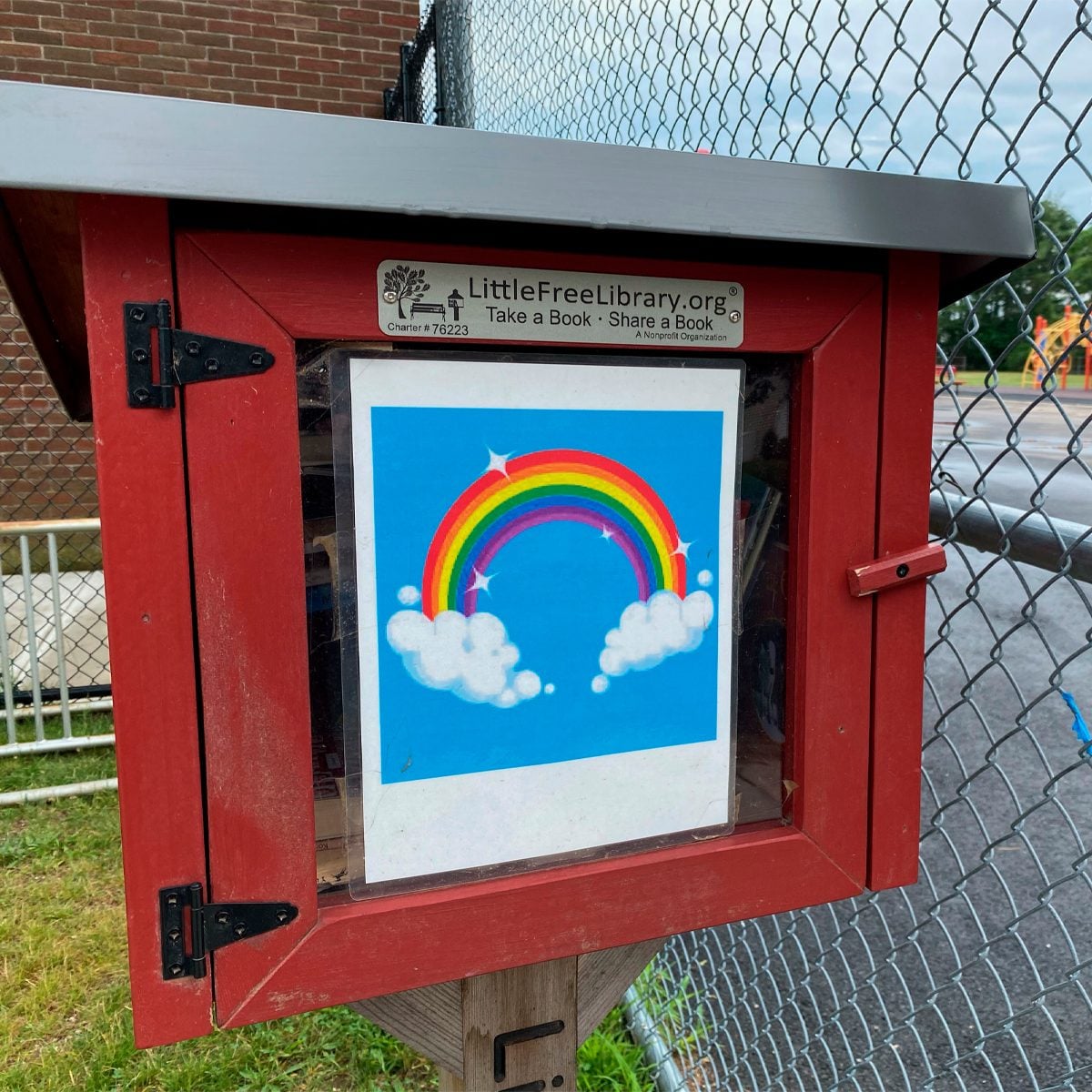
A Little Free Library is one of those rare DIY projects that checks every box: it is useful, charming, community-minded, and small enough that it will not swallow your garage for six months like “that simple kitchen update” did. Whether you want a classic book box on a post, a whimsical school bus, a modern mini-library, or a weatherproof cabinet made from leftovers, the right plan can turn a pile of boards into a neighborhood gathering point.
The best DIY Little Free Library plans are not just cute. They protect books from rain, invite people to browse, stand securely in the yard, and make restocking easy. A successful design has three jobs: keep books dry, make the door easy to open, and look friendly enough that neighbors do not wonder whether they are allowed to touch it.
Below are 10 practical Little Free Library ideas for different budgets, skill levels, and yard styles. Some are beginner-friendly weekend builds. Others are better for confident woodworkers who enjoy angled cuts, trim details, and the thrilling suspense of whether the door will actually close after painting.
What to Know Before Building a Little Free Library
Before choosing a plan, think about where the library will live. A visible spot near a sidewalk, front path, school, church, community garden, or neighborhood entrance usually works best. If you plan to place it near a public right-of-way, check local rules, homeowner association guidelines, and utility locations before digging. Your future self will appreciate not discovering a sprinkler line with a post-hole digger.
Basic materials most plans use
Most DIY Little Free Library plans rely on exterior-grade plywood, cedar, pine, pressure-treated lumber, acrylic or polycarbonate for the door window, exterior screws, wood glue, caulk, primer, exterior paint, hinges, a latch, and a sturdy 4×4 post. Cedar and pressure-treated lumber are popular for outdoor durability, while painted plywood is budget-friendly when sealed properly.
Weatherproofing matters more than decoration
A tiny library can have shutters, flower boxes, a dragon mural, and a roof shaped like a cupcake, but if rain gets inside, the books will turn into lasagna. Add roof overhangs, seal seams with exterior caulk, use primer and exterior paint, raise the floor slightly above the base, and choose a door that closes firmly. Clear acrylic or polycarbonate keeps books visible while blocking wind and rain.
Think about book size and access
Standard paperbacks fit almost anywhere, but picture books, cookbooks, and hardcover novels need more height and depth. A useful interior depth is often around 10 to 14 inches, with at least one tall section for larger books. If children are the main users, mount the library low enough that young readers can reach the shelves safely.
1. Classic House-Shaped Little Free Library Plan
The classic house-shaped design is the “little cottage with books inside” look most people imagine first. It typically has a rectangular box, peaked roof, front door with a clear window, and decorative trim. This plan is ideal for beginners who want a recognizable Little Free Library style without turning the project into a full architectural thesis.
Best for
Front yards, sidewalks, suburban neighborhoods, school entrances, and anyone who wants a traditional design that is easy to customize.
Build notes
Use exterior plywood for the sides, back, base, and roof panels. Add 1×2 trim around the front opening and door. A peaked roof gives the library charm and helps shed water, but it does require angled cuts. If angled cuts make you nervous, practice on scrap wood first. Scrap wood is cheaper than pride, and far easier to replace.
Add a roof overhang of at least an inch on each side to help rain drip away from the walls. Paint the body in a cheerful color and use contrasting trim so the little library looks intentional, not like a birdhouse that got promoted.
2. Beginner Box Library With a Shed Roof
A simple box with a single sloped shed roof is one of the easiest DIY Little Free Library plans. It is clean, sturdy, and forgiving. Instead of building two roof planes that meet at a ridge, you create one angled top that slopes from back to front or side to side.
Best for
First-time builders, renters with landlord permission, community groups, and anyone who wants a fast weekend project.
Build notes
Start with a rectangular cabinet shape. Cut two sides, a back, a base, a top, and a front frame. The roof should extend beyond the walls to create a drip edge. You can cover the roof with metal flashing, asphalt shingles, waterproof membrane, or a painted exterior panel.
This plan works well with leftover plywood and trim. Add one interior shelf only if the box is tall enough. Too many shelves can make the library look organized on day one and unusable by day seven, especially once someone donates a stack of oversized dinosaur books.
3. Repurposed Cabinet Little Free Library
If you love upcycling, start with an old kitchen cabinet, medicine cabinet, wall cabinet, or small display case. A repurposed cabinet library can save time because the basic box and door may already exist. The trick is making it weather-resistant enough for outdoor life.
Best for
Budget builders, thrift-store fans, apartment communities, makers who want to reuse materials, and people who enjoy saying, “I made that from an old cabinet,” with just the right amount of pride.
Build notes
Choose a solid cabinet with no swelling, soft spots, or broken joinery. Remove weak backing and replace it with exterior-grade plywood if needed. Sand the surface, prime every side, seal all seams, and add a new roof that overhangs the cabinet. A cabinet that worked indoors will need serious protection outdoors.
For the door, replace solid panels with acrylic if you want readers to see the books. Add a magnetic catch or hook latch so wind does not turn the door into a tiny neighborhood percussion instrument.
4. Two-Story Little Free Library Plan
A two-story Little Free Library is perfect when you want more capacity without making the box too wide. The design usually includes two stacked compartments, two doors, or one tall door with an interior shelf. It feels more like a miniature bookstore than a simple book box.
Best for
Busy neighborhoods, schools, parks, churches, and homes where book donations arrive faster than you can say, “Please stop giving me outdated travel guides.”
Build notes
Make the lower shelf strong enough to hold heavy books. Hardcover books add weight quickly, so reinforce the base and shelf with cleats or small support rails. A two-story plan also needs a stable post or pedestal because the filled library may become top-heavy.
Use separate sections for adults and kids, fiction and nonfiction, or books and small community items like bookmarks. Keep signage simple. “Take a book. Share a book.” works because everyone understands it in three seconds.
5. Little Free Library With a Planter Box
A Little Free Library with a built-in planter box adds instant curb appeal. The planter can sit below the library, beside the post, or as part of a wider base. Flowers, herbs, or low-maintenance greenery make the library look cared for, which encourages people to use it respectfully.
Best for
Gardeners, cottage-style homes, community gardens, and neighborhoods where curb appeal is practically a competitive sport.
Build notes
Keep the planter structurally separate from the book box so water does not soak into the library. Line the planter, add drainage holes, and avoid plants that need constant watering near unfinished wood. Choose compact plants such as sedum, marigolds, thyme, or seasonal annuals.
If the planter is at the base, it can help visually anchor the post. However, do not rely on soil weight alone for stability. Install the post securely, then let the flowers do what flowers do best: make everything look more charming than it actually was during construction.
6. School Bus Little Free Library Plan
A school bus Little Free Library is a playful choice for families, schools, daycare centers, and neighborhoods with lots of young readers. The shape can be simple: a rectangular box painted yellow with black trim, round wheels, and window details. The result is instantly recognizable and kid-approved.
Best for
Elementary schools, family neighborhoods, children’s book exchanges, and builders who want a design with personality.
Build notes
Build a standard rectangular cabinet, then use paint and trim to create the bus look. Add black circles for wheels, simple painted windows, and a front door with clear acrylic. A flat or slightly sloped roof is easier than a curved bus roof, and most readers will still understand the theme.
Stock this library with picture books, early readers, graphic novels, and family-friendly titles. A small “Kids’ Books Welcome” sign helps neighbors donate the right materials.
7. Modern Slat-Style Little Free Library
A modern slat-style library trades cottage charm for clean lines. Think cedar strips, a flat or angled roof, dark paint, simple hardware, and a large clear door. This plan pairs well with contemporary homes and minimalist landscaping.
Best for
Modern houses, urban yards, design-conscious homeowners, and anyone who believes even a tiny book box deserves good proportions.
Build notes
Use cedar or another rot-resistant wood for the exterior slats. Attach slats over a sealed plywood box, leaving small, even gaps for shadow lines. Be careful: the gaps should be decorative, not invitations for rain. The actual inner cabinet must remain weatherproof.
A single large acrylic door works beautifully with this design. Choose stainless or black exterior hardware for a crisp look. Keep the color palette simple so the books become part of the visual display.
8. Covered Bridge or Barn-Style Library
A covered bridge or barn-style Little Free Library brings rustic charm to the front yard. It may include a pitched roof, red siding, white trim, X-brace details, or a bridge-like extended roofline. This plan is a great way to use reclaimed wood, fencing, or cedar boards.
Best for
Farmhouse homes, rural areas, cabins, historic neighborhoods, and builders who enjoy decorative trim.
Build notes
Use sturdy boards for the walls and add trim pieces to create the barn or bridge effect. A larger roof overhang is especially useful for this style because it fits the look and helps protect the door. If using reclaimed wood, avoid old painted wood unless you know it is safe and lead-free.
This design looks great with a small solar light nearby, a gravel path, or a bench. Add a tasteful sign, and suddenly your front yard has more literary atmosphere than some coffee shops.
9. Living Roof Little Free Library
A living roof library adds a shallow planting tray on top of the book box. It is eco-friendly, memorable, and surprisingly practical when designed correctly. The planted roof can help the library blend into a garden and create a tiny habitat for pollinators.
Best for
Eco-conscious builders, garden clubs, community gardens, and creative homeowners who want a library that doubles as a conversation starter.
Build notes
The roof must be built like a waterproof tray. Use a liner, drainage layer, lightweight soil mix, and drought-tolerant plants such as sedum. Keep the planting shallow so the library does not become too heavy. Water plus soil plus books equals a structural math problem you do not want to solve after installation.
Build the book compartment as a fully sealed box beneath the planter. The living roof should drain away from the door and walls. This plan is more advanced, but the finished result can be spectacular.
10. Fence-Mounted or Porch-Mounted Mini Library
Not every Little Free Library needs a post in the yard. A fence-mounted or porch-mounted mini library can work beautifully where digging is difficult or space is limited. The box can attach to a sturdy fence, porch column, wall, or railing, as long as it is safe, visible, and accessible.
Best for
Small yards, townhomes, porches, urban neighborhoods, and builders who want to avoid digging a hole deep enough to question their life choices.
Build notes
Keep the box compact and lightweight. Use a strong back panel, exterior screws, and appropriate anchors for the mounting surface. Make sure the door has enough clearance to open fully. If the library is mounted under a porch roof, you gain extra weather protection, which can extend the life of the project.
This design is also a good option for a themed mini exchange, such as children’s books, poetry, cookbooks, seed packets, or puzzles. Just keep the purpose clear so visitors know what to share.
How to Install a DIY Little Free Library
For a post-mounted design, a common approach is to use a 4×4 post set about two feet into the ground. Dig a hole roughly 24 inches deep, place the post plumb, tamp soil firmly around it, and attach a platform or topper before securing the library with exterior lag screws. In some soils or high-wind areas, concrete may add stability, but many small installations can be firmly tamped with soil when built correctly.
Before digging, call the appropriate utility marking service in your area. Place the library where people can stand safely without blocking sidewalks, driveways, or traffic views. The best location is obvious, welcoming, and easy to visit without feeling like someone is trespassing through your begonias.
Budget Tips for DIY Little Free Library Plans
A DIY Little Free Library can be affordable if you build with smart substitutions. Look for leftover plywood, cabinet doors, exterior paint, hinges, knobs, roofing scraps, and trim pieces. Habitat ReStores, salvage shops, garage sales, and local buy-nothing groups can be treasure chests for small-project materials.
Do not save money on the wrong things. Use exterior screws, exterior-grade finish, and a durable clear door panel. Cheap indoor hardware will rust, swell, or fail faster than you can say, “But it looked fine in the package.” Spend where durability counts, then get creative with paint and decoration.
Design Details That Make People Use Your Library
A good Little Free Library is easy to understand at a glance. Add a friendly sign, keep the door clean, and arrange books so covers face forward when possible. Do not overfill it. A stuffed library looks generous, but it also makes browsing awkward. Leave enough space for visitors to add or remove books without performing literary Jenga.
Seasonal updates help keep interest high. Add spooky reads in October, holiday stories in December, gardening books in spring, beach reads in summer, and back-to-school books in late August. A small bookmark jar or “staff pick” note can make the library feel personal.
Maintenance Tips for Long-Lasting Little Free Libraries
Once your library is installed, maintenance is simple but important. Check it weekly at first. Remove damp, damaged, or inappropriate books. Wipe the window. Tighten loose screws. Touch up paint when needed. After storms, look for leaks, swelling, or doors that no longer close properly.
If the library gets too full, rotate books into storage and restock later. If it gets empty, ask friends, neighbors, teachers, or local book clubs for donations. The steward does not have to provide every book forever. The goal is shared responsibility, not becoming the unpaid manager of a tiny outdoor bookstore.
Conclusion: Build a Little Library That Fits Your Neighborhood
The best DIY Little Free Library plan is the one you will actually build, maintain, and enjoy. A simple shed-roof box can be just as beloved as a two-story masterpiece. A repurposed cabinet can serve the same purpose as a custom cedar build. What matters is that the library stays dry, opens easily, looks inviting, and gives neighbors a reason to pause, browse, and share.
Start with your skill level, your budget, and your location. Then choose a design that matches your home and community. Add solid weatherproofing, a secure installation, and a friendly sign. Before long, your little library may become the neighborhood’s smallest landmarkand possibly the only one stocked with mystery novels, board books, and one surprisingly persistent copy of a 1998 diet cookbook.
Real-World Experience: What Building a Little Free Library Teaches You
Building a Little Free Library sounds like a small woodworking project, but the experience often becomes bigger than the box itself. The first lesson is that outdoor projects are less forgiving than indoor ones. A shelf inside your house can be slightly imperfect and still live a peaceful life. A book box outdoors must deal with rain, wind, sun, insects, swelling wood, and the occasional enthusiastic child who opens the door with the force of a superhero entering battle.
During the planning stage, many builders realize that size matters more than expected. A tiny library looks adorable, but if it cannot fit picture books or hardcovers, it may frustrate families. On the other hand, a giant box can become heavy, awkward, and difficult to keep organized. The sweet spot is usually a medium-sized cabinet with flexible shelf space. One tall section and one shorter section often work better than perfectly equal shelves.
Another common lesson is that the door deserves extra attention. The door is the part people touch most, and it is also the part most likely to cause trouble. If the frame is slightly out of square, the door may stick. If the latch is weak, wind may pull it open. If the window panel is too thin, it may crack. A sturdy acrylic or polycarbonate panel, predrilled screw holes, smooth hinges, and a reliable latch make the library feel finished and dependable.
Painting also takes more patience than expected. It is tempting to rush because the library is small, but every exposed edge needs primer and paint. The underside matters. The back matters. The bottom matters. Water is very talented at finding the one spot you ignored. Caulk the seams, fill nail holes, prime the wood, and apply exterior paint in thin, even coats. This is not glamorous work, but it is the difference between a library that lasts and a soggy book aquarium.
Installation is where the project becomes real. Holding a finished library in your hands is satisfying; seeing it mounted on a post is even better. Take time to level the post from multiple sides. A slightly leaning library may look charming for five minutes, then annoying forever. Secure the box firmly to its base, and test the door after installation because movement can shift the frame.
The most rewarding part comes after the books arrive. Neighbors may stop to ask about it. Kids may check it on walks. Someone may leave a thank-you note, a bookmark, or a book you loved years ago and forgot existed. You will also learn that maintenance is part of the joy. Remove books that are damaged, rotate stale inventory, and keep the library clean. A well-cared-for Little Free Library sends a quiet message: this place is shared, and it matters.
In the end, the best experience is not just building the library. It is watching the library become part of the neighborhood’s routine. One small box can turn passing strangers into familiar faces, give old books a second life, and make reading feel delightfully public again.














