
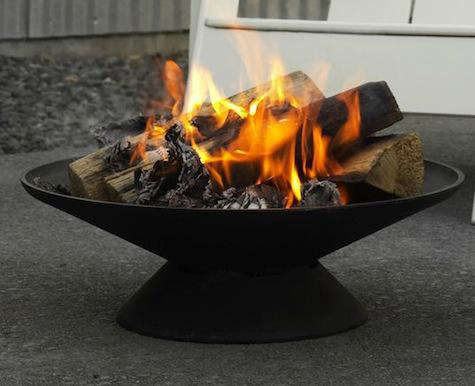
Some outdoor upgrades whisper. A fire pit does not. It crackles, glows, pulls chairs into a circle, and somehow convinces everyone to stay outside “for just 10 more minutes” until someone notices it is nearly midnight and the marshmallows have become a full dinner plan.
That is the enduring charm of outdoor fire pits and bowls. They are practical, social, decorative, and just theatrical enough to make a plain patio feel like a destination. Whether you want a sleek propane fire table for polished backyard dinners, a weathered steel bowl that looks better every season, or a wood-burning fire pit that makes everyone smell faintly like nostalgia, there is a version for you.
This guide rounds up 10 easy pieces worth knowing in today’s market and, more importantly, explains how to choose the right one without falling for the usual traps: buying too big for the space, too small for the guest list, too pretty for the climate, or too cheap for something that literally contains fire. Brave decorating choice? Sure. Reckless? Let’s not.
Why Outdoor Fire Pits and Bowls Keep Winning
Outdoor fire pits have moved far beyond the old metal bowl parked in the middle of the yard like an accidental UFO landing. Today’s options include sculptural bowls, slim rectangular fire tables, portable propane units for camping, tabletop models for compact patios, and smokeless designs that make socializing easier on eyes, lungs, and laundry.
Part of the appeal is flexibility. A round fire bowl encourages people to gather from every angle, which makes it a natural fit for conversation-heavy spaces. A fire pit table pulls double duty, giving you warmth plus a place to park drinks, plates, and that one phone nobody is supposed to be checking. Smokeless wood-burning models appeal to people who love a real flame but would prefer not to go home smelling like they lost a fight with a campsite. Propane models, meanwhile, are the kings and queens of convenience: turn a knob, click ignition, enjoy instant ambiance.
Design is another reason these pieces have become such a big deal. Fire bowls now show up in cast concrete, copper, cast iron, powder-coated steel, corten steel, and natural stone finishes. In other words, the fire pit is no longer just a utility object. It is outdoor furniture with heat. Frankly, that is a strong résumé.
How to Choose the Right Outdoor Fire Pit or Bowl
Fuel Comes First
The first question is not style. It is fuel. Wood-burning fire pits deliver the classic experience: real flames, real crackle, real smoke, and real cleanup. If you love the ritual of stacking logs and poking the fire like you are the world’s least qualified blacksmith, wood is still hard to beat.
Propane fire pits are much easier to live with. They ignite quickly, offer adjustable flames, and skip the ash pile. Many also feel more neighbor-friendly in dense residential areas. Natural gas models can be even more seamless if you have a fixed line and want a permanent feature.
Smokeless fire pits deserve their own category. They do not make smoke disappear by wizardry, but clever airflow design can reduce it significantly. For many buyers, that trade-off is worth the higher price tag.
Material Matters More Than Most People Think
Material affects looks, durability, maintenance, portability, and where the unit can safely go. Stainless steel has a clean, modern look and tends to hold up well in weather. Corten steel develops that coveted rust-like patina over time, which feels rugged and architectural rather than neglected. Concrete is hefty, sculptural, and often ideal for permanent gas-fueled setups. Copper looks rich and classic. Cast iron gives serious old-world charm but can be heavy enough to make “portable” a comedy term.
If you want a permanent statement piece, concrete, stone, and substantial metal bowls are excellent. If you need to move your fire pit seasonally, or between patio and lawn, lighter steel or propane units are easier to live with.
Size Should Match the Way You Gather
A compact tabletop or small bowl suits intimate spaces and quiet evenings. Bigger models create more heat and stronger visual presence, but they also demand more clearance, more fuel, and more outdoor real estate. A narrow patio may need a rectangular fire table rather than a classic round bowl. A wide backyard with Adirondack chairs can easily handle a dramatic center-stage pit.
Safety Is Not a Buzzkill. It Is the Whole Plot.
Even the prettiest fire pit is still an appliance with open flame. Place it on a stable, level, noncombustible surface, keep it well away from structures and overhanging branches, and always check local fire rules before buying. If you are using wood, dry seasoned logs burn cleaner than green or damp wood. If you are considering liquid-burning tabletop products, proceed with extreme caution; safety warnings in recent years have made that category much harder to recommend.
The 10 Easy Pieces
-
Solo Stove Yukon 2.0: The Big Smokeless Crowd-Pleaser
If your dream evening includes six people, snacks, and everyone facing the flame instead of waving smoke out of their eyes, this style makes sense. The Yukon 2.0 is the poster child for the large smokeless fire pit: stainless steel, high heat, modern lines, and a reputation for creating a cleaner-feeling wood fire experience. It is best for bigger patios and bigger friend groups. Not ideal if you want to feed it one tiny log and call it a night.
-
Breeo Y Series: For People Who Love Wood Fires but Hate Fuss
The Breeo Y Series stands out because it bridges performance and practicality. It offers the more traditional wood-burning experience many people still prefer, but with smarter airflow and easier cleanup than old-school bowls. Think of it as the grown-up version of the backyard bonfire: still fun, just less chaotic and less likely to perfume your jacket for three days.
-
Frontgate Classic Copper Fire Pit: The Timeless Entertainer
Copper fire pits have a way of making a patio feel instantly established, as though the backyard has been hosting excellent conversations since 1998. The Frontgate-style copper bowl works well for people who want warmth, visual richness, and a classic round gathering point. It is not the cheapest route, but it is one of the easiest ways to make a fire pit feel elegant rather than improvised.
-
Outland Living Mega Fire Pit: The Propane Convenience Champion
For buyers who want less smoke, faster setup, and more portability, the Outland Living Mega Fire Pit has become a familiar favorite. It is easy to use, fast to ignite, and practical for patios, tailgates, and camp-adjacent weekends. This is the fire pit for people who want the mood without the woodpile.
-
Latitude Run Caelan Round Concrete Fire Pit Table: The Stylish Hybrid
A round concrete fire pit table is a smart choice when you want the sculptural feel of a bowl and the utility of a table. The Caelan-style design looks substantial, blends easily into modern patios, and gives you that very useful ledge for cups, plates, and elbows. It is especially good in outdoor living rooms where the fire pit needs to look like furniture first and heating source second.
-
Ciays 42-Inch Fire Pit Table: The Narrow-Space Problem Solver
Long, slim fire pit tables are ideal for patios that do not have the depth for a centered round bowl. A piece like the Ciays 42-inch table offers a useful amount of tabletop space while still giving you a solid flame feature. It works well for small dinner patios, townhouse decks approved for gas use, or anyone who wants fire without rearranging every chair they own.
-
Giantex Stone-Look Propane Fire Pit: The Budget-Friendly Faux-Stone Looker
If you like the organic look of stone but do not want the weight, cost, or permanence of a custom masonry installation, a stone-look propane bowl can be a sweet spot. The appeal here is obvious: you get the softened, earthy presence of stone with easier setup and fewer construction-level commitments. It is a good option for people who want their patio to look relaxed and natural, not like an industrial design showroom.
-
Sunnydaze Rustic Cast Iron Fire Pit Bowl: The Old-Soul Favorite
There is something refreshingly honest about a cast-iron bowl. It looks like fire should happen in it. Rustic cast-iron styles work beautifully in cottage gardens, cabins, farmhouse patios, and spaces that lean more “blanket and cider” than “minimalist limestone villa.” They are simple, sturdy, and unapologetically traditional.
-
Solo Stove Mesa: The Small-Space Scene-Stealer
Not everyone has a giant backyard. Some people have a balcony, a tiny terrace, or a patio barely larger than a yoga mat. That is where a tabletop unit like the Solo Stove Mesa shines. It delivers a real flame experience on a very compact footprint and is ideal for cozy evenings with two chairs, a throw blanket, and the kind of conversation that gets better after sunset.
-
Corten Steel Fire Bowl: The Architectural Statement Piece
If you want your outdoor fire pit to look like a deliberate design decision rather than a seasonal accessory, corten steel is hard to beat. The weathering finish develops character over time, which means it often looks better after a few months outside than it did on delivery day. This is the piece for modern landscapes, desert-inspired yards, and anyone who believes patina is not damage, but personality.
What to Look For Beyond Looks
Ignition and Controls
For gas models, ignition style changes everyday usability. Match-lit models are usually more affordable. Push-button systems feel familiar, almost grill-like. Electronic ignition is the easiest of all, especially if you want a no-drama start on cold evenings.
Heat Output
Gas fire pits often list BTUs, which helps you compare warmth potential. Bigger numbers are not the whole story, but they do matter. If your goal is actual heat rather than decorative flicker, pay attention. If your goal is atmosphere with a side of glow, you may not need the highest output on the market.
Maintenance
Ash pans, removable trays, weather covers, and spark screens are not glamorous, but they separate the fire pits people use every weekend from the ones that slowly become expensive outdoor sculptures. Stainless steel and powder-coated finishes tend to be easier to maintain. Wood-burning models need more cleanup. That is not a flaw. It is just the tax you pay for old-school charm.
Placement
Before buying, decide exactly where the unit will live. A giant bowl that looks fabulous in a photo may overwhelm a modest patio. A narrow fire table may fit better between seating zones. Heavy concrete pieces can be stunning, but they are not the kind of item you casually “shift a little to the left” after delivery. Measure first. Save your future self from interesting vocabulary.
How to Make a Fire Pit Area Feel Finished
The best fire pit setups are not just about the flame. They are about the zone around it. Use outdoor chairs with enough depth for lingering, not just perching. Add a couple of side tables so guests are not balancing drinks like circus performers. Think about the walking path to the house, especially if snacks are involved, which they will be. Layer in planters, gravel, pavers, or an outdoor rug rated for the conditions. Keep seating close enough for conversation, far enough for comfort, and flexible enough that nobody feels like they got the “too hot” chair.
If your style is modern, pair a clean-lined fire bowl with concrete, black metal, teak, and restrained planting. If your style is more rustic, lean into copper, cast iron, weathered wood, and layered textiles. A good fire pit should not look dropped into the yard. It should look like the yard was waiting for it.
500 More Words From the Fireside: What Owning One Actually Feels Like
Buying an outdoor fire pit is easy. Living with one is where the real story begins. The first surprise for many people is that a fire pit changes the timing of outdoor life. A patio that felt pleasant for 20 minutes after dinner suddenly becomes somewhere people gather for two hours. You start lingering. Guests stop checking the time. Someone always says, “Wow, we should do this more often,” as if the fire pit has personally staged an intervention for everyone’s screen habits.
Wood-burning fire pits create the most memorable atmosphere, but they also demand the most participation. You do not simply light one and forget it. You build it. You watch the flame. You learn, usually after one smoky evening, that damp wood is a terrible romantic partner. You discover that wind direction is not an abstract meteorological concept but a force that will absolutely choose one specific chair and make it miserable. When the wood is dry and the air is calm, though, a real fire bowl delivers something gas models cannot fully imitate: sound, scent, and the hypnotic rhythm of a changing flame.
Gas fire pits are different, and that difference is exactly why people love them. A propane model turns outdoor entertaining into less of an event and more of a habit. You can light it on a random Tuesday for 30 minutes without needing kindling, a poker, and the emotional energy of a frontier settler. It is easier for quick gatherings, easier after work, and easier when the whole point is ambiance rather than ceremony. Many owners end up using gas pits more often simply because they are so convenient.
Then there is the social effect. A fire pit has a way of arranging people without forcing them. Indoors, guests spread out. Outdoors, the flame becomes a quiet magnet. Kids want marshmallows. Adults suddenly become experts in the ideal roasting color. Someone tells a story they have apparently been saving for years. Even people who do not normally enjoy “backyard decor” understand the point within five minutes of sitting beside a good fire.
Of course, reality has a few opinions. Ash cleanup is real. Covers matter more than you think. Cheap accessories fail at the exact moment you need them. If you own a wood-burning unit, you will eventually become more knowledgeable about firewood moisture than you ever expected. If you own a propane model, you will almost certainly discover the tank is empty right before guests arrive. This is one of the universe’s least charming traditions.
There is also a seasonal pleasure to ownership. In spring and fall, a fire pit can stretch outdoor time by weeks. In summer, it becomes less about heat and more about glow, atmosphere, and keeping a dinner party going. In winter, even a quick 20-minute fire can make a backyard feel magical instead of abandoned.
In the end, the best outdoor fire pits and bowls are not just products. They are pace-changers. They slow down the evening, make backyards more useful, and turn ordinary outdoor space into a place people remember. That may sound dramatic for a metal or concrete bowl with fire in it. Then again, once you have spent a cool evening around one, dramatic starts to feel like the correct word.
Final Thoughts
The best outdoor fire pit or bowl is the one that matches your space, your climate, your patience level, and the way you actually gather. If you want ritual, choose wood. If you want convenience, choose propane. If you want less smoke, look at engineered smokeless models. If you want serious style, pay close attention to material. And if you want your backyard to become the place everyone mysteriously prefers, well, you are very much on the right track.













