
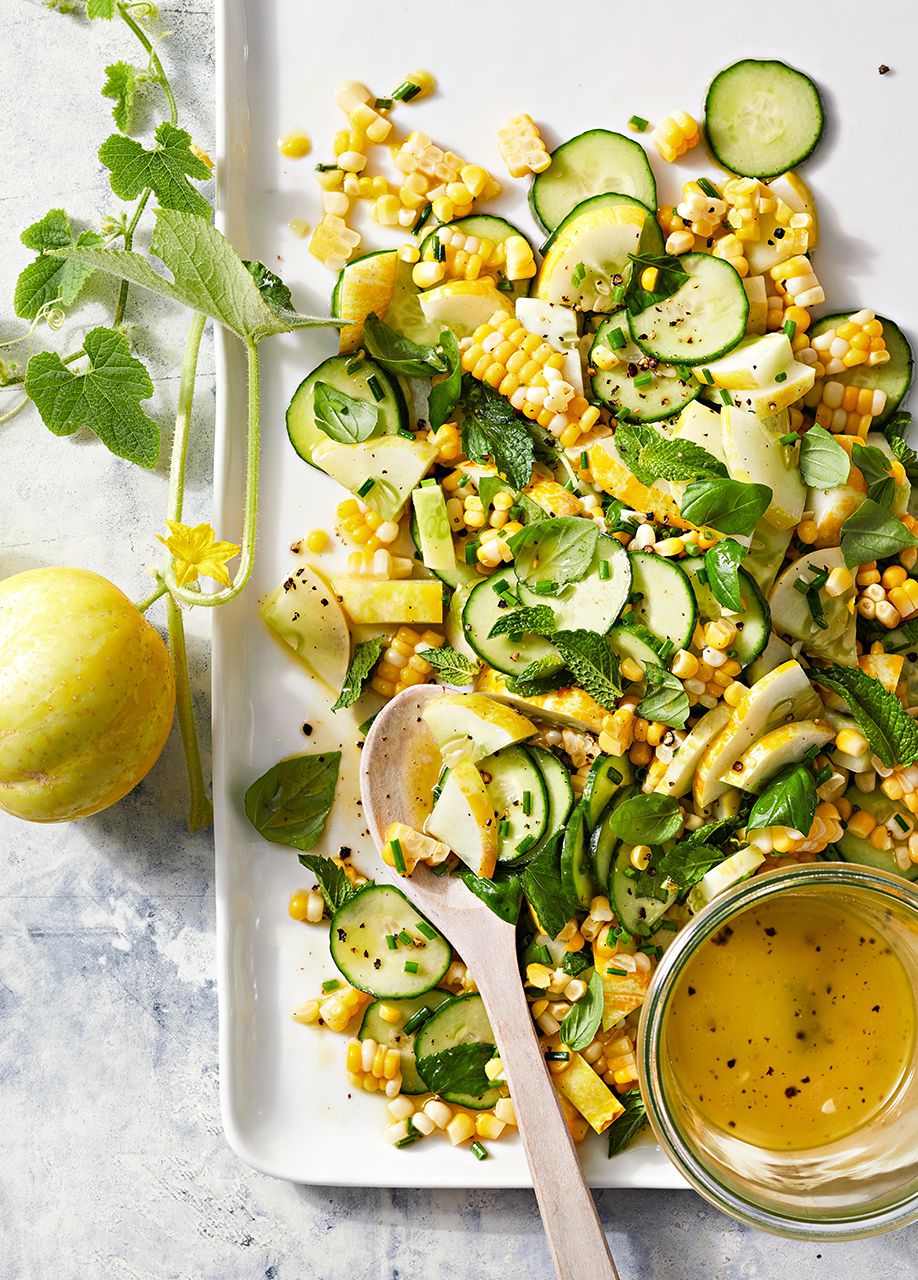
There are two kinds of people at the farmers market: the ones who arrive with a tidy shopping list and the ones who black out at the sight of heirloom tomatoes and somehow come home with six peaches, three bunches of basil, mystery greens, and enough zucchini to build a small canoe. This article is for both.
When produce is fresh, seasonal, and picked close to peak ripeness, you do not need to bully it with heavy sauces or bury it under a cheese avalanche the size of a throw pillow. The smartest farmers market recipes let fruits and vegetables do what they were born to do: taste like themselves, only better. That means juicy tomatoes in no-cook sauces, corn that barely needs heat, peaches that turn a salad into a main character, and herbs that make a bowl of grains feel suspiciously expensive.
If you want fresh produce recipes that feel creative without becoming a three-hour kitchen project, you are in the right place. Below, you will find 10 easy, flexible ideas built for whatever looked irresistible at the market. They are colorful, practical, and forgiving enough for weeknights, lazy weekends, or the moment you realize your eggplant is one day away from becoming a science experiment.
Why farmers market cooking works so well
The best seasonal produce recipes start with one simple truth: peak-season fruits and vegetables already bring flavor, texture, and color to the table. When tomatoes are sweet, corn is milky, berries are fragrant, and zucchini is tender instead of the size of a baseball bat, your job as the cook becomes much easier. You are not trying to rescue bland ingredients. You are just guiding them to dinner.
That is also why market cooking feels more creative than complicated. A market haul naturally pushes you to mix textures, colors, and temperatures. You combine charred corn with cool yogurt. You layer crunchy cucumbers with creamy ricotta. You toss peaches into savory dishes and suddenly feel like a genius, even though the peach did most of the work. That is the magic of farm-to-table recipes: they look thoughtful, taste bright, and reward simple technique.
One quick housekeeping note before we cook: wash produce under running water, not with soap, and chill delicate items like berries, lettuce, herbs, and mushrooms once you get home. In other words, treat your gorgeous market haul like the VIP it clearly believes it is.
10 farmers market recipes to try right now
1. Charred Corn and Peach Salad With Basil-Lime Dressing
This is the salad that convinces people salad is not a punishment. Grill or sear fresh corn until lightly blistered, then slice off the kernels and toss them with ripe peaches, cucumber, thinly sliced red onion, and torn basil. Finish with a dressing of lime juice, olive oil, salt, pepper, and a little honey.
The trick is contrast: sweet peaches, smoky corn, crisp cucumber, and punchy basil. Add feta for a salty edge or avocado if you want it more filling. Serve it beside grilled chicken, spoon it over toast with whipped goat cheese, or eat it straight from the mixing bowl while “testing for seasoning” six times.
2. Farmers Market Gazpacho With Tomato, Watermelon, and Cucumber
When the weather is hot enough to make your cutting board sweat, make gazpacho. Blend ripe tomatoes with cucumber, watermelon, red bell pepper, olive oil, sherry vinegar, garlic, and a piece of stale bread for body. Chill until cold, then top with diced vegetables and a drizzle of good olive oil.
The watermelon does not make the soup dessert-y. It just softens the acidity of the tomatoes and adds a refreshing finish. This is one of the smartest creative ways to use fresh produce because it handles overripe tomatoes beautifully and turns a pile of raw vegetables into something elegant enough for guests.
3. Herby Zucchini and Corn Fritters With Lemon Yogurt
Zucchini season has a habit of escalating quickly. One minute you buy two. The next minute someone hands you four more from their garden like you have been chosen for a sacred duty. These fritters are the answer. Grate zucchini, salt it, squeeze out the moisture, then mix it with fresh corn, scallions, eggs, flour, and chopped dill or parsley.
Pan-fry until crisp and serve with lemony yogurt or garlicky sour cream. They work for lunch, dinner, brunch, or standing at the stove eating one after another because you “cannot waste them while they are hot.” Add a poached egg on top and suddenly you are running a charming café in your own kitchen.
4. Roasted Tomato and Burrata Toast With Crushed Herbs
Yes, tomato toast sounds simple. That is because it is. Great food often is. Roast cherry tomatoes with olive oil and garlic until they slump and burst. Spoon them over thick toasted sourdough, add burrata or ricotta, and finish with crushed basil, mint, and black pepper.
This recipe works because it layers textures: crisp bread, creamy cheese, juicy tomatoes, and fresh herbs. It can be lunch, an appetizer, or the sort of dinner you make after promising yourself you would “just snack tonight.” To make it more substantial, add white beans or prosciutto. To make it even more summery, rub the toast with a cut clove of garlic before piling everything on.
5. Summer Squash Pasta With Brown Butter, Corn, and Toasted Breadcrumbs
If your market bag is full of yellow squash, zucchini, and corn, turn it into pasta that tastes like late summer. Sauté sliced squash until tender but not mushy, then toss with sweet corn, brown butter, lemon zest, and pasta. Top with toasted breadcrumbs, Parmesan, and a shower of chives.
The breadcrumbs matter. They add crunch and keep the dish from becoming too soft and buttery. This is one of those summer recipes with fresh produce that feels restaurant-worthy without requiring a culinary degree or three extra pans. Use orecchiette, spaghetti, or whatever pasta you forgot you bought in a bulk pack last month.
6. Stuffed Bell Peppers With Farro, Tomatoes, Greens, and Feta
Bell peppers are basically edible serving bowls, and we should respect them for that. Roast halved peppers until just tender, then fill them with farro, sautéed greens, chopped tomatoes, garlic, onions, and crumbled feta. Bake until everything is warm and the edges start to caramelize.
This recipe is perfect when your market visit left you with “a little of everything” but not enough of one thing to build a whole meal. The grains make it hearty, the greens keep it earthy, and the feta wakes everything up. You can also use quinoa or rice, and chickpeas fit nicely if you want extra protein. It is wholesome without being boring, which is honestly the dream.
7. Peach and Tomato Panzanella With Crispy Bread and Basil
Panzanella is what happens when salad and bread decide to stop pretending they are just friends. Toss chunks of toasted rustic bread with tomatoes, sliced peaches, cucumber, shallots, basil, olive oil, and vinegar. Let it sit for 10 minutes so the bread softens slightly while still keeping some chew.
Peaches and tomatoes sound unusual until you taste them together and realize they have been waiting for this moment all summer. The fruit adds sweetness, the tomatoes bring acidity, and the bread soaks up all the good juices like a delicious sponge with better boundaries. Add burrata, grilled shrimp, or a handful of arugula if you want to dress it up.
8. Eggplant and Tomato Skillet With Chickpeas and Fresh Mint
For a cozy option that still celebrates the market, cook diced eggplant in olive oil until golden, then add garlic, tomatoes, chickpeas, cumin, and a pinch of red pepper flakes. Simmer until saucy, then finish with mint, parsley, and lemon.
This is the kind of skillet dinner that improves if the tomatoes collapse a little and the eggplant gets silky. Spoon it over couscous, rice, or toasted bread. Add yogurt on top for creaminess. It is rich without being heavy and makes excellent leftovers, which is useful because most good market hauls somehow generate at least one suspiciously large eggplant.
9. Berry Caprese Skewers With Strawberries, Mozzarella, and Mint
Not every farmers market meal idea has to be a full dinner. Sometimes you need a quick appetizer that looks charming and disappears fast. Thread strawberries, mozzarella balls, and mint leaves onto skewers, then drizzle with balsamic glaze and cracked pepper.
The result is bright, juicy, creamy, and a little unexpected. You can swap in blackberries if they are firm or add basil instead of mint for a more classic caprese vibe. This one is especially useful for brunches, showers, picnics, and those gatherings where everyone pretends to be “lightly snacking” before destroying the entire tray in 11 minutes.
10. Market Veggie Frittata With Goat Cheese and Herbs
A frittata is one of the most forgiving ways to use up fresh produce. Sauté whatever vegetables need attention first: zucchini, mushrooms, peppers, spinach, cherry tomatoes, scallions, or tender greens. Pour in beaten eggs, dot with goat cheese, and cook until the edges set. Finish in the oven until puffed and golden.
This recipe works hot, warm, or cold, which makes it ideal for meal prep, easy lunches, or a low-effort dinner with a green salad on the side. The best part is that it teaches you how to cook by feel. If the market gave you asparagus, use asparagus. If it gave you corn and tomatoes, lean into that. A good frittata is less about rules and more about confidence.
How to build your own farmers market recipe without a strict recipe
If you want to get even more mileage from your produce, use this simple formula: pick one hero ingredient, one creamy or starchy element, one acid, and one herb. For example, tomatoes plus burrata plus vinegar plus basil. Or peaches plus yogurt plus lemon plus mint. Or corn plus pasta plus lime plus cilantro. Once you understand that balance, your market basket starts turning into dinner ideas automatically.
Another smart move is to think in categories rather than exact dishes. Tomatoes can become toast, salad, sauce, or soup. Zucchini can become fritters, ribbons, pasta, or a quick sauté. Berries can be breakfast, dessert, salsa, or snack boards. When you cook like this, you waste less, improvise more, and stop panicking when the market seduces you into buying “just one more thing.”
My experience with farmers market cooking
The first time I tried to cook from a farmers market haul, I made the classic beginner mistake: I bought based entirely on beauty. No plan, no strategy, just pure produce-induced optimism. I came home with striped tomatoes, tiny eggplants, peaches that smelled like perfume, three herbs, two bunches of radishes, and a basket of berries I absolutely did not need. It looked like the opening scene of a cooking show. It cooked like chaos.
By the end of that week, I learned something useful. Farmers market cooking is not about making complicated food. It is about noticing what the ingredients already want to be. Tomatoes wanted salt, bread, and olive oil. Corn wanted butter and lime. Peaches wanted to land somewhere between savory and sweet. Zucchini wanted either a very hot skillet or a grater and a second chance. Once I stopped trying to force everything into elaborate recipes, cooking became easier and way more fun.
Now I shop with a loose plan. I usually choose one ingredient for a salad, one for a warm dish, one fruit for breakfast or dessert, and one herb that can wander across all of them. That tiny shift changed everything. A bunch of basil can show up in pasta on Tuesday, tomato toast on Wednesday, and a peach salad on Thursday. A handful of cherry tomatoes can become a pan sauce, a snack board, or a roasted topping for grain bowls. It feels efficient, but not boring.
I also learned that the market changes the way you think about timing. Grocery store cooking often starts with a recipe. Farmers market cooking starts with a moment. Maybe the peaches are perfect today, so today becomes the peach day. Maybe the greens look tender, so dinner becomes a frittata whether you planned one or not. That flexibility is part of the charm. It makes cooking feel less like homework and more like paying attention.
There is also something satisfying about letting produce stay recognizable. You do not always need to transform everything beyond recognition. A ripe tomato does not need a speech and a spotlight crew. It needs a knife, flaky salt, and maybe a torn piece of mozzarella. Good produce invites restraint, which is excellent news for busy people and terrible news for anyone who bought 14 specialty condiments they swore would “totally change weeknight cooking.”
Over time, I started to love the little rituals around market food just as much as the meals themselves. Washing herbs and wrapping them properly. Slicing fruit while standing at the counter. Roasting a tray of vegetables because it buys you two more easy meals. Tucking leftover corn into eggs the next morning. Turning bread that is slightly past its prime into croutons for panzanella. The whole thing feels resourceful in the best way.
That is probably why these recipes work so well. They are not just dishes. They are strategies. They help you cook what is fresh, reduce waste, and make dinner feel colorful and alive instead of repetitive. And honestly, they make you look like the sort of person who has your life together, even if you are currently eating peach salad over the sink while Googling whether basil can be frozen.
In the end, farmers market cooking has made me a better cook because it taught me to trust ingredients, trust timing, and trust simple combinations. It reminded me that creativity in the kitchen is not always about doing more. Sometimes it is about doing less, but doing it on purpose. When the produce is good, your recipes do not need to shout. They just need to show up and let summer talk.
Conclusion
The beauty of farmers market recipes is that they help you cook with what is freshest, not what is most complicated. From gazpacho and fritters to pasta, frittatas, and peachy panzanella, these dishes prove that fresh produce can be creative, practical, and weeknight-friendly all at once. Buy what looks best, keep your techniques simple, and let texture, acid, herbs, and peak-season flavor do the work. That is how a market haul becomes something more than groceries. It becomes dinner with personality.










