
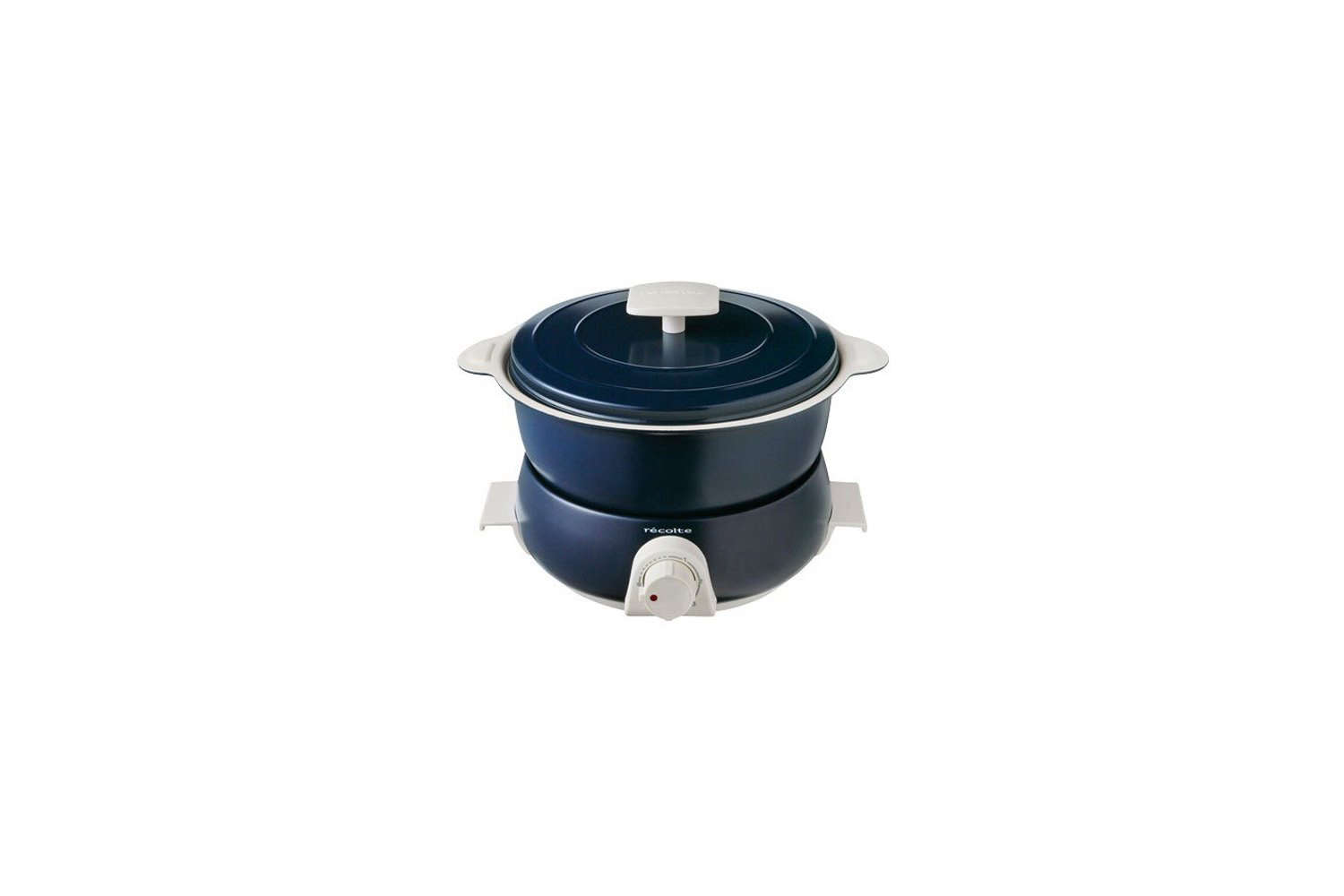
A countertop appliance earns unusually valuable real estate. Unlike the gadgets hiding in a cabinet beside the fondue forks, it remains visible every day. It should work beautifully, look intentional, and avoid making the kitchen resemble a small electronics warehouse.
The best design-forward countertop appliances accomplish more than matching the backsplash. Their controls are understandable, proportions are considered, and materials suit the work being performed. Many also reflect a recognizable national design tradition: Swedish practicality, Italian theatricality, Japanese precision, British durability, or Australian enthusiasm for very serious coffee.
This international selection covers mixing, blending, brewing, toasting, and sparkling water. Some are quiet minimalists; others enter the kitchen wearing the visual equivalent of a fabulous coat. All demonstrate how thoughtful industrial design can improve an ordinary routine.
What Makes a Countertop Appliance Design-Forward?
Good appliance design begins with function. A gorgeous toaster that burns one corner while leaving the opposite edge pale is merely an expensive metal sculpture with breakfast-related ambitions.
Before rewarding an appliance with permanent counter space, consider four qualities:
- Usability: Controls should be legible, logically positioned, and comfortable to operate.
- Materials: Surfaces must tolerate heat, moisture, fingerprints, crumbs, and hurried weekday cleaning.
- Proportions: A machine should fit beneath cabinets and leave enough workspace for actual cooking.
- Longevity: Replaceable parts, useful warranties, and timeless styling matter more than this season’s fashionable finish.
With those standards established, here are ten standout small kitchen appliances with international design credentials.
10 Design-Forward Countertop Appliances Worth Displaying
1. Ankarsrum Assistent Original Stand Mixer Sweden
The Ankarsrum Assistent Original looks less like a conventional mixer and more like a piece of cheerful Scandinavian laboratory equipment. Its unusual layout places the motor in the base and rotates the bowl while a roller, scraper, or dough hook works from above.
The seven-liter stainless-steel bowl accommodates substantial batches, making this Swedish stand mixer especially attractive to frequent bread bakers. Current models are assembled in Sweden and backed by a seven-year manufacturer’s warranty in the United States. Optional attachments expand the machine into a grinder, slicer, pasta maker, blender, and more.
The rotating-bowl technique requires a short learning period, particularly for cooks accustomed to planetary mixers. Once mastered, however, it handles heavy dough without occupying the visual or physical space of a commercial machine. The broad color range helps it work in minimalist, traditional, and highly colorful kitchens.
2. Dualit NewGen Classic Toaster United Kingdom
Dualit’s Classic toaster has the purposeful appearance of equipment borrowed from a very stylish British café. Its stainless-steel and die-cast aluminum body, mechanical timer, manual ejector, and chunky selector controls create an appealingly industrial composition.
The deeper design story is repairability. Classic models are handmade in the United Kingdom and use replaceable ProHeat elements, timers, and switches. A slot selector lets owners heat only the slots they need, while wide openings accommodate thicker bread and optional sandwich cages.
This is not an automated toaster that quietly makes every decision for you. Timing and ejection remain satisfyingly manual, so achieving consistent browning takes attention. Buyers should also distinguish the repairable Classic line from Dualit’s visually different collections. For anyone who prefers maintainable machinery to disposable gadgets, the NewGen is a compelling countertop landmark.
3. BALMUDA The Toaster Pro Japan
BALMUDA transformed reheating bread into a tiny ceremony. Before starting the Toaster Pro, the user pours approximately five cubic centimeters of water into a top inlet. Steam quickly surrounds the bread while separately controlled heaters crisp the exterior.
Specialized settings cover sandwich bread, artisan loaves, pizza, and croissants. The Pro model adds a high-heat Salamander mode for browning toppings or giving cheese a dramatic final flourish. Its compact body, restrained controls, and off-white or dark finishes capture the calm precision associated with contemporary Japanese appliance design.
It costs considerably more than an ordinary toaster oven and offers limited interior capacity. Families attempting to feed several impatient people may find themselves operating a miniature toast café. For one or two diners who regularly reheat good bread and pastries, however, its specialized performance can justify both the ritual and the counter space.
4. Alessi Plissé Temperature-Control Kettle Italy
Designed by Italian architect Michele De Lucchi, the Alessi Plissé kettle turns thermoplastic resin into something resembling pleated fabric. It is unmistakably an appliance, yet its folds produce the light-and-shadow effects of a small architectural object.
The updated US-plug model combines a roughly 1.7-liter capacity with adjustable temperature control, making it suitable for black tea, delicate green tea, pour-over coffee, and other drinks that benefit from water below boiling. Its concealed base keeps the silhouette clean when the kettle is carried to the table.
The sculptural exterior requires more wiping than a completely smooth shell because kitchen dust is remarkably talented at discovering decorative grooves. Still, this is one of the rare designer electric kettles whose appearance feels deliberate from every angle. It can provide color in a neutral kitchen or disappear elegantly in black or white.
5. HAY Sowden Toaster Denmark
British designer and Memphis Group cofounder George Sowden created this compact toaster for Danish brand HAY. Its rounded form and graphic color blocking reject the idea that countertop appliances must choose between corporate stainless steel and anonymous black plastic.
The design combines stainless steel with a durable plastic exterior, using oversized controls and contrasting colors to give an ordinary two-slot toaster a distinct personality. It pairs particularly well with simple cabinetry, open shelving, and kitchens that already contain playful modern accessories.
Availability can vary by color and market, and American buyers should confirm that a model is wired for 120 volts rather than ordering the first attractive European version they encounter. A plug adapter changes the plug shape, not the voltagea small electrical detail with a surprisingly large talent for ruining breakfast.
6. ZWILLING Enfinigy Personal Blender Germany
Many personal blenders look as though they were designed exclusively for a gym locker. The ZWILLING Enfinigy takes a calmer approach. Developed for the German company’s appliance collection, its cylindrical base, minimal control dial, and subdued finishes allow it to sit comfortably in a contemporary kitchen.
The compact cross blade was developed in Germany, and the approximately 20-fluid-ounce blending vessel converts into a drinking container with the included lid. A safety-lock system helps prevent operation unless the jar is correctly seated. The modest footprint is useful in apartments or in households that mainly prepare single smoothies, sauces, and dressings.
Its small capacity is a feature only when portions are actually small. Anyone making frozen drinks for a crowd will quickly become the reluctant operator of a one-person smoothie assembly line. For daily individual use, the blend-and-go format reduces dishes and visual clutter.
7. Wilfa Uniform Coffee Grinder Norway
The Wilfa Uniform resembles a compact aluminum column rather than a traditional coffee grinder. Its broad, low silhouette and simple power button reflect Norwegian designer Espen Øino’s restrained approach, while the numbered adjustment collar makes grind changes easy to understand.
The established Uniform model uses 58-millimeter flat burrs and offers 41 grind settings, primarily serving filter methods such as pour-over, automatic drip, AeroPress, and French press. Certain versions incorporate a digital scale into the lid, a clever way to make one object perform two countertop jobs.
The grinder operates relatively slowly to limit heat and stops automatically after the beans pass through. It can grind finely, but serious espresso drinkers may prefer equipment designed specifically for repeated micro-adjustments. US shoppers should seek a genuine 120-volt version from a domestic seller rather than assuming every imported Wilfa is electrically compatible.
8. Breville Barista Express Impress Australia
Founded in Sydney, Breville has built its identity around polished appliances with controls that make complicated cooking processes less intimidating. The Barista Express Impress applies that philosophy to home espresso.
Its integrated conical-burr grinder, assisted dosing, and lever-operated tamping system reduce the mess and uncertainty of preparing a coffee puck. The machine then uses low-pressure pre-infusion followed by nine-bar extraction through a 54-millimeter portafilter. A manual steam wand handles milk texturing for cappuccinos and lattes.
This is not a tiny appliance, but combining the grinder, espresso machine, tamper, and steam system prevents several separate tools from spreading across the counter. The stainless-steel form communicates its functions clearly, while newer colored finishes soften the professional look. It suits people who want to learn espresso technique without beginning every morning with an advanced engineering exam.
9. Bamix SwissLine Immersion Blender Switzerland
Invented in Switzerland and manufactured there for decades, the Bamix takes a different route to countertop beauty. The slender immersion blender rests upright on a dedicated stand, turning a normally drawer-bound tool into a compact, ready-to-use appliance.
The US SwissLine model uses a 120-volt motor, two operating speeds, a stainless-steel shaft, and interchangeable attachments for blending, whipping, chopping, and emulsifying. Rather than transferring hot soup into a blender jaran activity with strong potential for both mess and character developmentthe cook can blend directly in the pot.
Its simple body and small stand consume far less space than a full-size blender. It will not replace a high-powered countertop machine for every frozen mixture, but it is exceptionally convenient for soups, mayonnaise, sauces, baby food, and small quantities. Good design sometimes means making an object easy enough to reach that it actually gets used.
10. Fellow Aiden Precision Coffee Maker United States
San Francisco–based Fellow brings the visual language of specialty coffee shops into domestic kitchens. The Aiden Precision Coffee Maker is a compact black block with a clear display, removable water tank, thermal carafe, and controls that avoid covering the front panel in mysterious buttons.
It can brew one cup or a full carafe, offering guided profiles as well as control over variables such as temperature and bloom behavior. A dedicated single-serve basket supports smaller quantities, while the batch basket handles group coffee. It can also produce cold brew in hours instead of requiring an overnight wait.
At roughly nine inches wide, it uses counter space efficiently, although the lid needs additional clearance when opened. The digital features will appeal most to drinkers who enjoy experimenting with different beans. Someone seeking only a basic on-off brewer may be paying for precision they never invite to the party.
How to Choose the Right Designer Kitchen Appliance
Measure the Entire Operating Space
Record width, depth, and height, but do not stop there. Kettles need room to lift from their bases, coffee makers require overhead clearance for reservoirs, and espresso machines need working space in front. Check where steam vents and whether a cabinet above could be exposed to heat or moisture.
Match the Appliance to a Real Habit
A premium appliance earns its price through frequent use. A dedicated bread baker can exploit the Ankarsrum’s capacity; an occasional baker may not. Likewise, BALMUDA’s steam system makes more sense for someone who regularly buys artisan bread than for a household devoted to packaged sandwich slices.
Verify Voltage, Certification, and Warranty Coverage
International shopping makes foreign appliances easier to find, but electrical standards remain stubbornly local. The United States uses approximately 120 volts and 60 hertz. A simple travel adapter cannot safely convert a high-wattage 220-volt appliance. Purchase the official US version whenever possible, confirm safety certification, and determine whether the manufacturer will honor the warranty domestically.
Consider the Appliance as Part of a Visual Group
Countertop appliances do not need to match perfectly. In fact, collecting every item in one retro pastel range can make the kitchen resemble a themed showroom. A stronger approach is to repeat one or two characteristicsmatte black surfaces, rounded profiles, warm metal, or a single accent colorwhile allowing individual pieces to retain their personality.
The Living-With-It Experience: What Happens After the First Week
The first day with a beautiful countertop appliance is mostly visual. Packaging disappears, the cord is carefully routed, and the machine is rotated by half an inch until it achieves what can only be described as its best angle. The first week is when appearance must negotiate with ordinary life.
A successful appliance begins improving behavior almost accidentally. A kettle with precise temperature settings encourages better tea preparation. A blender that remains within reach makes a quick dressing more likely than another bottle of the suspiciously immortal kind from the refrigerator door. A coffee maker with a removable reservoir is refilled before it becomes an empty morning surprise.
Controls matter more than expected. Mechanical dials, such as those on the Dualit and Ankarsrum, communicate their state at a glance. Digital interfaces can be equally effective when they reveal only the information needed for the current task. Problems begin when a designer hides essential functions to preserve a perfectly smooth surface. Minimalism should remove confusion, not the labels.
Cleaning also becomes part of the aesthetic experience. Polished stainless steel looks magnificent until it hosts a convention for fingerprints. Black finishes conceal some stains but advertise flour. Deep decorative ribs create visual interest and tiny vacation properties for dust. Owners who dislike frequent wiping should favor removable crumb trays, washable attachments, accessible blades, and finishes with a little texture.
Noise changes how an appliance feels in the home. A slow, measured grinder can make a morning routine feel calm, while a powerful blender may briefly convince everyone that road construction has moved into the kitchen. Product specifications rarely communicate this emotional difference. When possible, watch demonstrations with sound, read long-term user reports, and consider when the appliance will operate.
Another lesson arrives around week three: the cord is part of the design whether anyone admits it or not. A short cord can make placement impossible; a long one forms an untidy loop beside the backsplash. Integrated cord storage is therefore not a minor detail. Neither is the direction in which the cord exits the base.
The most satisfying design-forward appliances tend to develop small rituals. Adding water to the BALMUDA, weighing beans on the Wilfa’s lid, or manually lifting toast from a Dualit creates participation without pointless complication. These actions make sense because they contribute to the result.
Less successful appliances create chores that merely support their own existence: complicated disassembly, fragile proprietary accessories, or an app that demands an account before allowing water to become hot. An appliance should serve the kitchen, not recruit the household into its technical support department.
Finally, living with an international appliance collection encourages a healthier definition of luxury. Luxury is not simply a higher price or a fashionable color. It can be a replaceable heating element, a motor protected by a long warranty, a handle that remains comfortable when the vessel is full, or a machine narrow enough to preserve a useful section of counter.
The real favorite is therefore not necessarily the most photogenic product. It is the one that still looks good after acquiring a few scratches, performs its task without negotiation, and remains on the counter because moving it into a cabinet would make everyday life less pleasant.
Conclusion
Design-forward countertop appliances prove that practical equipment can contribute to a room’s character. The strongest examples unite appearance, ergonomics, performance, and durability rather than treating beauty as a decorative shell.
Choose according to genuine cooking habits, measure carefully, and buy the correct electrical version for the United States. Whether the final choice is a Swedish mixer, Japanese steam toaster, British toaster, Italian kettle, or American precision brewer, it should make the kitchen work betterand ideally look excellent while waiting for its next assignment.
Note: Product specifications, colors, prices, inventory, safety certifications, and warranty terms may change. Confirm current details and US electrical compatibility with the manufacturer or an authorized domestic retailer before purchasing.













