
Cholesterol has a terrible public relations team. Mention the word at dinner and suddenly everyone looks at the butter dish like it just committed a federal crime. But cholesterol itself is not the villain. Your body needs it to build cells and hormones. The real issue is balance: too much LDL cholesterol, often called “bad” cholesterol, can contribute to plaque buildup in arteries, while HDL cholesterol helps move excess cholesterol away from the bloodstream.
The good news? Your plate can do a lot of friendly negotiating. A heart-smart eating pattern is not about surviving on plain lettuce while staring sadly at other people’s sandwiches. It is about choosing foods rich in soluble fiber, unsaturated fats, plant-based protein, antioxidants, and nutrients that support healthier cholesterol levels over time.
Below are 10 healthy cholesterol foods that fit easily into real life. They are practical, delicious, and do not require you to become the kind of person who says “I packed my own steamed kale” at a birthday party.
What Makes a Food Good for Cholesterol?
The best foods for healthy cholesterol usually work in one or more of these ways: they provide soluble fiber, replace saturated fat with unsaturated fat, deliver plant protein, or add protective nutrients such as omega-3 fatty acids and antioxidants. Soluble fiber is especially helpful because it forms a gel-like substance in the digestive tract and helps reduce cholesterol absorption.
At the same time, a cholesterol-friendly diet limits foods high in saturated fat and avoids trans fat as much as possible. That does not mean flavor has to leave the building. It simply means swapping creamy, fried, heavily processed choices for foods that give your heart something useful to work with.
10 Healthy Cholesterol Foods to Add to Your Menu
1. Oats: The Breakfast Classic That Actually Earned Its Reputation
Oats are one of the most famous cholesterol-lowering foods, and for good reason. They contain beta-glucan, a type of soluble fiber that can help support lower LDL cholesterol when eaten regularly. Old-fashioned rolled oats, steel-cut oats, and oat bran are all excellent choices.
A simple bowl of oatmeal can become much more exciting with toppings like berries, sliced apples, cinnamon, chia seeds, or a spoonful of nut butter. Just be careful with flavored instant packets, which may contain added sugar. Your oatmeal should support your heart, not audition to become dessert in a tiny paper envelope.
Easy idea: Make overnight oats with rolled oats, low-fat milk or unsweetened soy milk, chia seeds, blueberries, and a sprinkle of cinnamon.
2. Barley: The Underrated Whole Grain With Serious Fiber Power
Barley is another whole grain rich in soluble fiber. It has a chewy texture and a mild, nutty flavor that works beautifully in soups, grain bowls, and side dishes. If oats are the famous celebrity of cholesterol-friendly grains, barley is the talented character actor who quietly steals the scene.
Adding barley to meals can help increase fiber intake and make dishes more filling. It is especially useful as a replacement for refined grains like white rice or regular pasta. The goal is not to ban your favorite carbs; it is to invite better carbs to the table more often.
Easy idea: Add cooked barley to vegetable soup, or use it as the base for a grain bowl with roasted vegetables, chickpeas, and olive oil vinaigrette.
3. Beans and Lentils: Small, Affordable, and Surprisingly Mighty
Beans, lentils, chickpeas, split peas, black beans, kidney beans, and pinto beans are packed with soluble fiber and plant-based protein. They are naturally low in saturated fat and can help replace higher-saturated-fat proteins like processed meats or fatty cuts of red meat.
One of the best things about legumes is that they are budget-friendly. A can of beans can rescue dinner faster than most delivery apps, and it does not judge you for wearing sweatpants. Rinse canned beans to reduce sodium, then add them to salads, soups, tacos, wraps, or pasta dishes.
Easy idea: Make a cholesterol-friendly chili with black beans, kidney beans, tomatoes, onions, bell peppers, garlic, spices, and a little avocado on top.
4. Fatty Fish: Omega-3s Without the Drama
Fatty fish such as salmon, sardines, trout, tuna, and mackerel provide omega-3 fatty acids. Omega-3s are especially known for supporting heart health and helping manage triglycerides, another type of fat found in the blood. Fish can also be useful because it often replaces meats that are higher in saturated fat.
The cooking method matters. Baked, grilled, steamed, or broiled fish is a better choice than deep-fried fish. A salmon fillet is doing heart-friendly work; turning it into a crispy oil sponge is where the plot gets complicated.
Easy idea: Bake salmon with lemon, garlic, black pepper, and olive oil. Serve it with barley and roasted broccoli for a meal that feels restaurant-level without requiring a tiny garnish tower.
5. Nuts: Crunchy, Satisfying, and Heart-Smart
Nuts such as almonds, walnuts, pistachios, and pecans contain unsaturated fats, fiber, plant protein, and minerals. Walnuts are also known for plant-based omega-3 fats. Eating nuts in moderate portions can support a heart-healthy eating pattern, especially when they replace chips, cookies, or processed snack foods.
The key word is portion. Nuts are nutrient-dense, which is a polite way of saying they are powerful but not exactly shy on calories. A small handful is usually enough. Choose unsalted or lightly salted nuts when possible.
Easy idea: Sprinkle chopped walnuts over oatmeal, add almonds to a salad, or keep a small container of pistachios for a filling afternoon snack.
6. Avocados: Creamy Texture, Better Fat Profile
Avocados are rich in monounsaturated fats, fiber, potassium, and other nutrients. They can be a smart swap for foods high in saturated fat, such as butter, cream cheese, or certain creamy spreads. Avocado gives meals richness without leaning heavily on animal fat.
Of course, avocado is not magic. It will not cancel out a mountain of fried food, no matter how beautifully it is sliced. But used thoughtfully, it can help make meals more satisfying and heart-friendly.
Easy idea: Mash avocado with lime juice, black pepper, and chopped tomato. Spread it on whole-grain toast or use it as a topping for bean tacos.
7. Extra-Virgin Olive Oil: A Simple Swap With Big Kitchen Value
Extra-virgin olive oil is a staple in many heart-healthy eating patterns because it provides mostly monounsaturated fat. Using olive oil instead of butter, shortening, or tropical oils can improve the overall fat quality of your diet.
Olive oil works well for salad dressings, roasting vegetables, sautéing, and drizzling over grain bowls. You do not need to pour it like you are blessing the entire kitchen. A little goes a long way.
Easy idea: Make a quick dressing with olive oil, lemon juice, Dijon mustard, garlic, and herbs. Use it on salads, beans, or roasted vegetables.
8. Apples, Pears, Citrus, and Berries: Fruit With Fiber Benefits
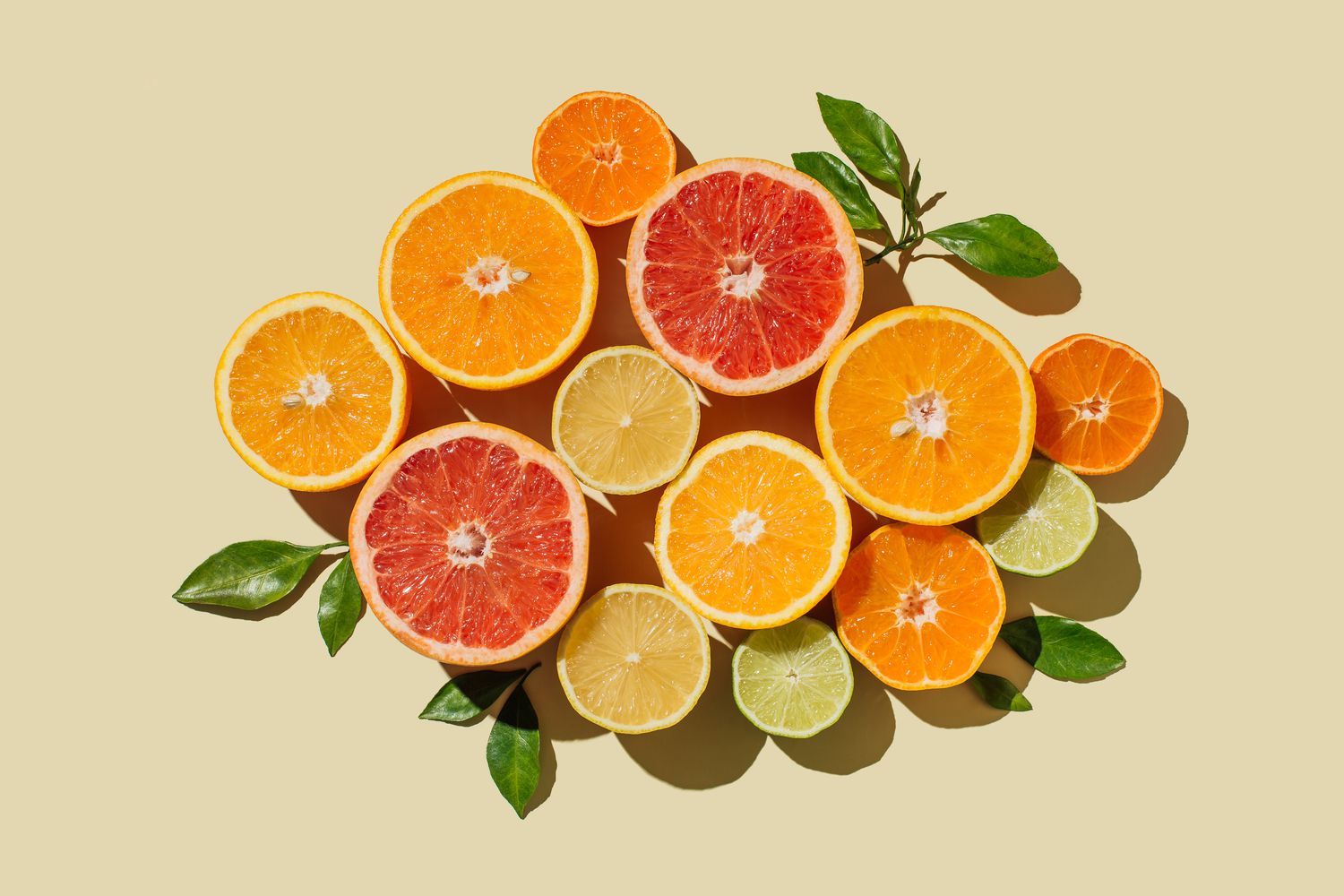
Fruits such as apples, pears, oranges, grapefruit, strawberries, blueberries, and raspberries bring fiber, vitamins, antioxidants, and natural sweetness. Many fruits contain pectin, a type of soluble fiber that can support cholesterol-friendly eating.
Whole fruit is usually a better choice than fruit juice because it keeps the fiber intact. Juice may sound innocent, but it often removes the part of fruit that helps you feel full. Basically, juice takes the fiber out and says, “Good luck, everyone.”
Easy idea: Pair apple slices with almond butter, add berries to oatmeal, or mix orange segments into a spinach salad with walnuts.
9. Vegetables: Especially Eggplant, Okra, Leafy Greens, and Cruciferous Veggies
Vegetables are essential for heart health because they add fiber, antioxidants, minerals, and volume to meals without a lot of saturated fat. Eggplant and okra are especially useful because they contain soluble fiber. Leafy greens, broccoli, Brussels sprouts, cauliflower, carrots, and peppers also belong in a cholesterol-friendly kitchen.
Vegetables help improve the overall quality of your diet. They also make plates look more alive, which is helpful if dinner has recently been beige, beige, and extra beige.
Easy idea: Roast Brussels sprouts with olive oil and black pepper, sauté okra with tomatoes, or add spinach to bean soup just before serving.
10. Soy Foods: Tofu, Tempeh, Edamame, and Unsweetened Soy Milk
Soy foods provide plant-based protein and can help replace higher-saturated-fat animal proteins in meals. Tofu, tempeh, edamame, and unsweetened soy milk are versatile options that fit into many cuisines.
Tofu has an unfair reputation for being boring, but that is usually because someone treated it like a wet eraser and expected miracles. Press it, season it, bake it, stir-fry it, or simmer it in a flavorful sauce, and it becomes a practical cholesterol-friendly protein.
Easy idea: Stir-fry tofu with broccoli, carrots, garlic, ginger, and a low-sodium sauce. Serve it over brown rice or barley.
How to Build a Cholesterol-Friendly Plate
A healthy cholesterol meal does not need to be complicated. Start with a high-fiber base such as oats, barley, beans, lentils, vegetables, or fruit. Add a protein source like fish, tofu, tempeh, or legumes. Include a small amount of healthy fat from nuts, avocado, or olive oil. Then season with herbs, spices, lemon, vinegar, garlic, onion, or pepper instead of relying heavily on salt, butter, cream, or processed sauces.
For example, breakfast could be oatmeal with berries and walnuts. Lunch could be a lentil vegetable soup with whole-grain bread. Dinner could be baked salmon with roasted vegetables and barley. Snacks might include fruit, a small handful of nuts, edamame, or carrots with hummus.
The real secret is consistency. One bowl of oatmeal will not instantly transform your cholesterol numbers, just like one salad will not erase a week of drive-thru decisions. But repeated, realistic choices can add up in a powerful way.
Foods to Limit for Better Cholesterol Balance
While this article focuses on what to eat, it helps to know what to reduce. Foods high in saturated fat can raise LDL cholesterol in many people. Common examples include fatty meats, processed meats, full-fat dairy products, butter, cream, and many fried or commercially baked foods. Trans fats should be avoided as much as possible.
That does not mean every meal must be perfect. A healthy diet is built by patterns, not panic. If you eat birthday cake, enjoy the birthday cake. Then return to meals built around fiber-rich plants, lean proteins, and better fats. No need for a dramatic food confession booth.
Simple Meal Ideas Using the 10 Healthy Cholesterol Foods
Breakfast Ideas
Try oatmeal with berries and almonds, whole-grain toast with avocado and tomato, or a smoothie made with unsweetened soy milk, berries, oats, and chia seeds. These meals provide fiber, healthy fats, and steady energy.
Lunch Ideas
Build a bean and barley bowl with roasted vegetables and olive oil dressing. Make lentil soup with spinach and carrots. Prepare a chickpea salad with cucumber, tomatoes, herbs, and lemon. These lunches are filling without depending on processed meats or heavy sauces.
Dinner Ideas
Serve baked trout with Brussels sprouts and barley. Make tofu stir-fry with broccoli and brown rice. Cook a vegetable and bean chili topped with avocado. Dinner can be heart-smart and still taste like something you actually want to eat.
Real-Life Experiences With 10 Healthy Cholesterol Foods
One of the most useful lessons about cholesterol-friendly eating is that people stick with habits that fit their lives. The best food plan is not the most dramatic one; it is the one you can repeat on a normal Tuesday when you are hungry, busy, and not emotionally prepared to wash seven pans.
A practical starting point is breakfast. Many people find that switching from pastries, sugary cereal, or breakfast sandwiches to oatmeal is the easiest first move. Oats are fast, affordable, and flexible. One day they can taste like apple cinnamon; the next day they can become peanut butter banana oatmeal. The bowl stays familiar, but the toppings keep boredom from entering the chat.
Beans and lentils are another real-life hero. They work especially well for people who want healthier meals without spending more money. A pot of lentil soup can become lunch for several days. Black beans can turn into tacos, bowls, salads, or chili. Chickpeas can become hummus, curry, or a crunchy roasted snack. They are the food equivalent of a reliable friend with a full toolbox.
For people who love meat, fatty fish can be a helpful bridge. Instead of trying to remove favorite foods overnight, it may be easier to choose fish once or twice a week in place of burgers, sausage, or heavy takeout meals. Baked salmon with lemon and garlic feels satisfying, not like a punishment. Sardines on whole-grain toast may sound old-fashioned, but they are convenient, affordable, and packed with nutrients.
Nuts and fruit also make cholesterol-friendly eating easier because they solve the snack problem. Many people struggle not at meals, but between meals, when hunger appears and suddenly the vending machine looks like a trusted advisor. Keeping apples, pears, berries, or a small portion of nuts nearby can prevent snack decisions from becoming a tiny nutritional circus.
Avocado and olive oil help because they make healthy food taste richer. A salad with no satisfying fat can feel like chewing through a landscaping project. Add olive oil dressing or a few avocado slices, and suddenly the meal feels complete. The point is not to remove pleasure from food. The point is to choose fats that support the heart more often.
Vegetables are easiest to eat when they are prepared with flavor. Roasting broccoli, Brussels sprouts, carrots, eggplant, or cauliflower with olive oil, garlic, and pepper can completely change the experience. Many people who “hate vegetables” actually hate sad, overboiled vegetables. Fair enough. Nobody wants broccoli that tastes like it gave up in 1998.
Soy foods can take a little experimentation. Tofu needs seasoning. Tempeh works well with marinades. Edamame is easy as a snack or salad topping. Unsweetened soy milk can be used in oatmeal or smoothies. Once soy foods become familiar, they are convenient plant-based proteins that fit into cholesterol-friendly meals without much fuss.
The biggest experience-based tip is to make one change at a time. Add oats three mornings a week. Replace one meat-heavy dinner with beans or fish. Keep fruit visible. Use olive oil instead of butter when it makes sense. Add vegetables to meals you already eat. These small choices may not feel dramatic, but they are exactly the kind of habits that become sustainable.
Healthy cholesterol eating is not about perfection. It is about building a plate that helps your body more often than it works against it. With oats, barley, beans, fish, nuts, avocado, olive oil, fruit, vegetables, and soy foods, you have plenty of options. Your heart gets support, your meals stay interesting, and your taste buds do not need to file a complaint.
Conclusion
The best healthy cholesterol foods are not rare, expensive, or locked inside a secret wellness temple. They are everyday foods like oats, beans, barley, fish, nuts, avocado, olive oil, fruit, vegetables, and soy. Together, they help create a diet rich in soluble fiber, unsaturated fats, plant-based protein, and heart-supporting nutrients.
For the best results, focus on patterns instead of perfection. Eat more fiber-rich plant foods, choose better fats, replace processed meats more often, and prepare meals in ways that keep flavor high and saturated fat lower. If you have high cholesterol, a family history of heart disease, or take medication, talk with a healthcare professional for personal guidance.
Note: This article is for general educational purposes and should not replace medical advice from a qualified healthcare professional.














