
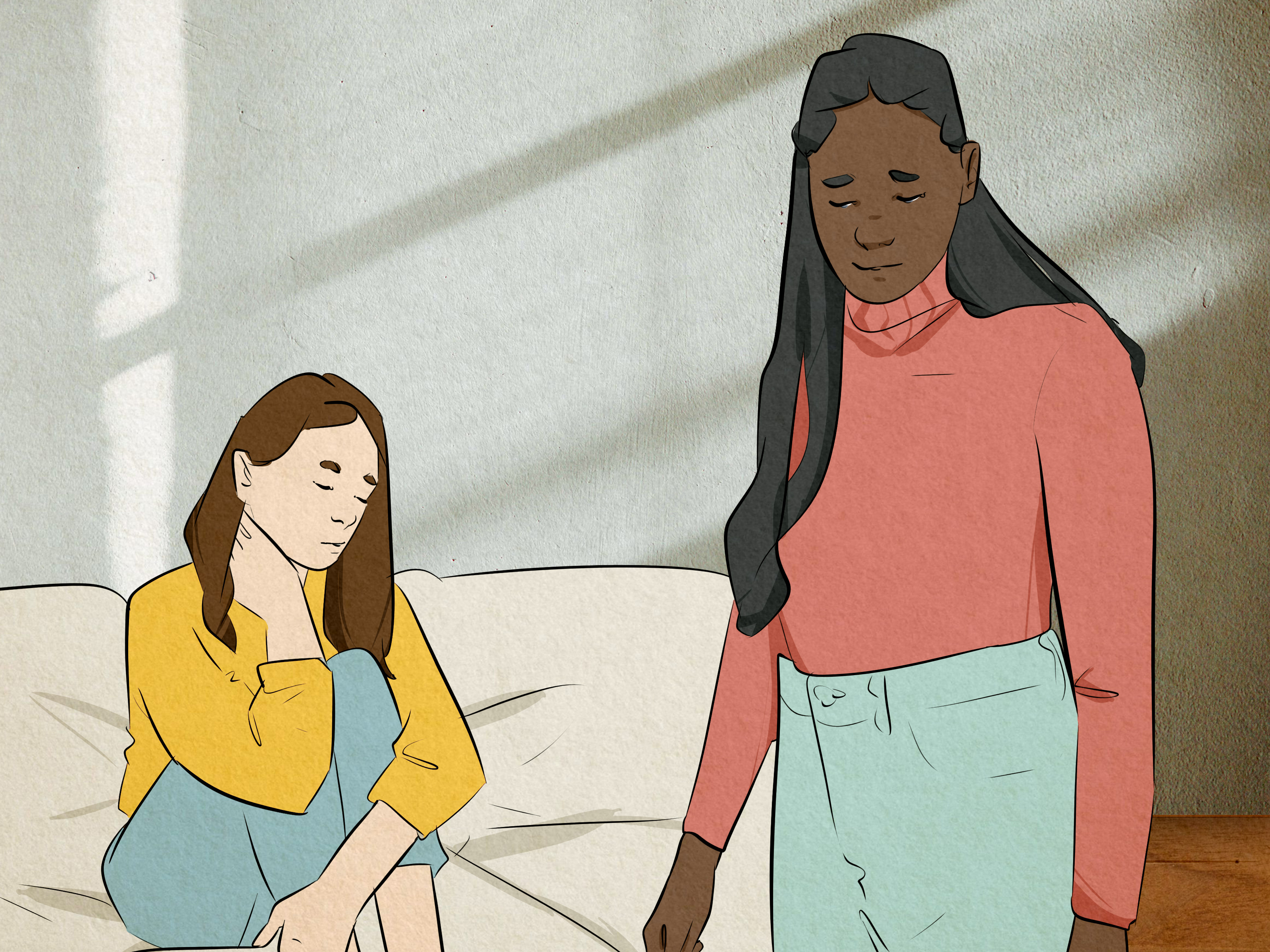
Some relationships feel less like a peaceful home and more like an emotional weather app that keeps flashing “severe turbulence.” One minute, you are being criticized, controlled, ignored, or frightened. The next, you receive an apology, a romantic gesture, or a promise that everything will finally change. That dizzying cycle can create a powerful attachment called trauma bonding.
A trauma bond is not simply two people sharing difficult life experiences. It is an unhealthy emotional attachment that can develop when abuse, intimidation, manipulation, or cruelty is repeatedly mixed with affection, relief, attention, or remorse. The result can be confusing: you may know a relationship is hurting you and still feel deeply attached to the person causing the pain.
This article explains common signs of trauma bonding, why the bond can feel so difficult to break, and practical ways to begin moving toward safety, clarity, and recovery.
What Is Trauma Bonding?
Trauma bonding often grows in relationships where one person uses power and control to keep the other person off balance. The harm may be physical, sexual, emotional, financial, verbal, digital, or psychological. It may also involve threats, isolation, intense jealousy, monitoring, humiliation, or blaming you for their behavior.
The pattern usually has a rhythm. There may be tension, an episode of abuse or intimidation, a period of remorse or affection, and then a temporary calm. That calm can feel like proof that the relationship is improving. Unfortunately, it may simply be the quiet part before the cycle begins again.
Your brain is not “weak” for responding to this pattern. When fear and relief become tangled together, your nervous system may start treating small moments of kindness as enormous emotional rewards. It is a little like being handed a glass of water after someone has repeatedly set your house on fire. The water feels meaningful, but the fire is still the real problem.
Trauma bonding is not an official mental health diagnosis, and no online article can diagnose your relationship. Still, recognizing these patterns can help you name what is happening and make choices that protect your well-being.
10 Signs of Trauma Bonding
1. The Relationship Swings Between Pain and Intense Affection
One of the clearest trauma bonding signs is a repeating cycle of hurt followed by tenderness. Your partner may insult, threaten, deceive, control, or frighten you, then become unusually loving afterward. They may cry, send long apologies, buy gifts, promise therapy, or suddenly become the person you hoped they would be.
The affectionate phase can feel so powerful that it temporarily erases the memory of the harmful behavior. You may find yourself thinking, “See? They really do love me.” Healthy love does not require emotional whiplash as a membership fee.
2. You Feel Like You Are Always Walking on Eggshells
You carefully monitor your words, facial expressions, clothing, tone, social plans, and even your breathing because you are trying to avoid setting the other person off. You may rehearse conversations in your head, delete harmless messages, or avoid asking normal questions because you fear their reaction.
In a healthy relationship, you should not need a PhD in Mood Forecasting just to make it through dinner. Constantly managing someone else’s anger is not the same as being considerate. It is often a sign that you do not feel emotionally safe.
3. You Minimize, Excuse, or Hide Their Behavior
You may tell yourself that they were stressed, tired, drunk, jealous because they care, upset because of childhood trauma, or under pressure at work. Those circumstances may explain feelings, but they do not excuse abuse. Plenty of stressed people do not threaten, shame, control, or harm their partners.
You might also hide incidents from friends and family because you do not want people to judge your partner, worry about you, or tell you to leave. Secrecy often gives the abusive pattern more room to grow.
4. You Feel Isolated From People Who Care About You
Trauma bonds often strengthen when a person becomes separated from supportive friends, relatives, coworkers, or community. The isolation may happen gradually. Your partner may complain about your best friend, criticize your family, start arguments before social events, demand constant updates, or make you feel guilty for having a life outside the relationship.
Eventually, reaching out can feel exhausting, embarrassing, or unsafe. You may begin to rely almost entirely on the same person who is causing you distress. That dependence can make leaving feel impossible, even when you know something is wrong.
5. You Crave Their Approval After They Hurt You
After an argument, insult, betrayal, or frightening episode, you may feel desperate for them to reassure you. You may chase an apology, beg them to stop being angry, or feel relief when they finally act warm again. The person who caused the wound becomes the person you look to for comfort.
This is one reason trauma bonding can feel so confusing. The attachment may be less about stable love and more about a cycle of distress followed by relief. Relief is real, but it is not the same thing as safety.
6. You Keep Returning Despite Repeated Harm
You may leave, block their number, spend time apart, or decide that you are donethen return after a heartfelt apology, a promise to change, or a period of loneliness. This does not mean you are foolish or that you secretly want the abuse. It means the relationship has become emotionally complicated and may involve practical barriers such as money, housing, children, immigration concerns, fear, shared work, or threats.
Breaking a trauma bond is rarely a single dramatic movie scene with a suitcase and perfect background music. More often, it is a process involving planning, support, setbacks, courage, and many small choices.
7. You Blame Yourself for Their Behavior
You may believe that if you were calmer, more attractive, more patient, more organized, less emotional, or more forgiving, they would stop hurting you. An abusive person may encourage this belief by saying things like, “You made me do it,” “You are too sensitive,” or “Nobody else would put up with you.”
But another person’s decision to intimidate, humiliate, manipulate, or hurt you belongs to them. You are responsible for your choices. They are responsible for theirs. Those are two separate lanes, and you do not need to carry their luggage.
8. Your Boundaries Lead to Punishment or Retaliation
In a healthy relationship, saying “no,” asking for space, spending time with friends, or disagreeing should not put you in danger. In a trauma-bonded relationship, boundaries may trigger rage, silent treatment, threats, guilt trips, financial punishment, humiliation, or accusations that you are selfish and uncaring.
When a person reacts badly to reasonable boundaries, the lesson you may absorb is, “It is safer not to have needs.” That lesson can follow you long after the relationship ends.
9. You Question Your Own Memory and Reality
Repeated denial, blame-shifting, and manipulation can make you doubt your own experiences. You may remember a cruel comment clearly, only to be told it never happened. You may be accused of imagining things, being dramatic, or causing the conflict. Over time, you might stop trusting your instincts.
Keeping a private journal, saving messages when safe, or talking with a trusted person can help restore perspective. The goal is not to build a courtroom exhibit in your bedroom. It is to reconnect with your own reality.
10. Your Body Feels Constantly On Alert
Trauma bonding can affect more than your thoughts. You may experience anxiety, trouble sleeping, panic, stomach problems, jumpiness, numbness, headaches, exhaustion, or difficulty concentrating. You may feel relaxed only when the other person is pleased with you, unavailable, or temporarily calm.
These reactions do not prove trauma bonding on their own, but they are important signals that your body may be carrying more stress than your mind has had time to process. Your nervous system deserves better than a permanent emergency drill.
Why Trauma Bonds Feel So Hard to Break
People often ask, “Why don’t they just leave?” That question sounds simple, but real life rarely is. Leaving may involve fear of retaliation, financial dependence, children, pets, housing, cultural pressure, religious beliefs, limited support, immigration issues, disability, trauma history, or concern that the abusive person will harm themselves or someone else.
There is also grief. You may not only be grieving the relationship as it is. You may be grieving the relationship you hoped it could become. That hope can be incredibly sticky because the caring version of the person may occasionally appear, just often enough to keep you waiting for it to return permanently.
Recognizing this does not mean you need to judge yourself. Shame tends to strengthen unhealthy attachment. Compassion, accurate information, and practical support make change more possible.
How to Break Free From Trauma Bonding
Start With Safety, Not Pressure
If you are dealing with threats, stalking, physical violence, sexual coercion, weapons, strangulation, escalating behavior, or fear that someone may hurt you, prioritize safety. Leaving can be a high-risk period, so avoid announcing a plan if doing so could put you in greater danger.
A personalized safety plan may include identifying a safe place to go, storing copies of important documents, setting aside emergency money, arranging transportation, creating a code word with someone you trust, and planning for children or pets. What is safest will depend on your situation.
Name the Pattern Without Blaming Yourself
Try replacing “Why am I still attached?” with “What pattern has kept me attached?” Naming the cycle can reduce confusion. Write down what happens before, during, and after harmful episodes. Notice whether apologies are followed by consistent change or by another round of control.
Real change is not a dramatic speech, a bouquet, a social media post, or three unusually pleasant days. It involves long-term accountability, respect for boundaries, and a sustained end to abusive behavior.
Reconnect With One Safe Person
Isolation thrives in silence. You do not need to tell your entire contact list at once. Start with one person who is calm, trustworthy, and unlikely to shame you. You might say, “I am worried about my relationship and I need someone to listen without pushing me.”
Support can also come from a therapist, domestic violence advocate, faith leader trained in abuse response, doctor, counselor, support group, or local community organization.
Create Distance Where It Is Safe
When safety allows, reducing contact can weaken the emotional loop. That may mean limiting calls, muting notifications, blocking accounts, changing passwords, using a separate email address, or communicating only about necessary practical matters. If you share children, work, housing, or legal obligations, you may need structured contact rather than complete no-contact.
Be cautious with digital safety. A controlling person may monitor devices, location services, accounts, or browser activity. Use a safer device or private location when seeking help if you think your technology may be monitored.
Expect Withdrawal-Like Feelings
After stepping back, you may feel intense loneliness, guilt, craving, panic, or a powerful urge to contact the person. This does not mean you made the wrong choice. It may mean your mind and body are adjusting to life without the familiar cycle.
Prepare a “when I miss them” list: call a friend, take a walk, read your journal, listen to a grounding playlist, attend a support group, schedule therapy, or remind yourself of the full pattern instead of only the good moments.
Seek Trauma-Informed Professional Support
A licensed mental health professional can help you process fear, grief, self-blame, and trauma symptoms without treating you like a broken appliance that needs one quick reboot. Therapy can help you rebuild trust in your thoughts, strengthen boundaries, and create healthier relationship expectations.
If abuse or coercive control is active, individual support and advocacy are often safer starting points than making couples counseling the only solution. A trained advocate can help you think through options without pressuring you to take steps that may increase risk.
Practice Tiny Acts of Self-Trust
Healing does not begin when you suddenly become fearless. It begins when you make small decisions that honor your needs: eating regularly, resting, returning a friend’s call, taking your own feelings seriously, saying no to one unreasonable request, or keeping an appointment that matters to you.
Each small act sends a new message: “My needs count. My reality matters. I am allowed to be safe.”
Common Experiences of Healing From Trauma Bonding
The following examples are composite experiences based on common recovery patterns. They are not stories of specific individuals.
“I Missed Them Most After They Hurt Me”
One common experience is feeling the strongest attachment immediately after a painful incident. A person may spend hours crying because their partner insulted them, then feel desperate for that same partner to provide comfort. They may send messages apologizing for “starting a fight,” even when they were the one who was yelled at, threatened, or mocked.
At first, this can feel deeply embarrassing. But it often makes more sense once the pattern is understood. The person is not craving mistreatment. They are craving relief from the distress that the relationship created. Recognizing that distinction can be a major turning point.
“I Thought the Good Days Proved Everything Was Fine”
Many people describe becoming highly focused on the good days. Their partner made breakfast, apologized sincerely, cuddled on the couch, acted charming around friends, or planned a special weekend. Those moments felt so warm that they seemed to cancel the frightening ones.
Over time, healing may involve learning to look at the entire pattern rather than grading the relationship on its best behavior. A relationship should not be judged only by its highlight reel. A person may begin asking, “How do I feel most of the time? Can I safely disagree? Do I feel free to be myself?” Those questions often reveal more than grand gestures ever could.
“I Did Not Leave All at Once”
Recovery is often gradual. Someone may first tell a friend. Later, they may begin saving money, reconnect with family, meet with a counselor, or quietly gather documents. They may leave and return more than once. They may block the person, unblock them, and then try again. Progress can look messy from the outside because safety and attachment do not follow a tidy calendar.
What matters is that each step can build knowledge and support. A setback does not erase the insight gained. It can become information: which messages pull you back, what times of day feel hardest, who makes you feel grounded, and which boundaries need stronger protection.
“Peace Felt Strange at First”
After a chaotic relationship, calm can initially feel unfamiliar. Some people mistake peace for boredom because they have become used to intensity. A healthy relationship may feel quieter: fewer dramatic apologies, fewer emotional emergencies, fewer tests of loyalty, and far less time spent decoding someone’s tone like it is an encrypted government memo.
With time, many people learn that calm is not empty. Calm can mean safety. It can mean being able to sleep, see friends, make plans, express an opinion, and have a bad day without fearing punishment. That kind of peace may not arrive with fireworks, but it is often far more valuable.
“I Started Believing Myself Again”
A powerful part of healing is rebuilding trust in your own perception. You may begin to notice that your discomfort was trying to protect you. You may realize that confusion was not proof you were irrational; it was often a reasonable response to inconsistent, manipulative, or frightening behavior.
Recovery can include grief, anger, relief, sadness, hope, and occasional doubtall sometimes within the same afternoon. That does not mean you are failing. It means you are untangling a bond that was built through stress and uncertainty. With support, patience, and practical safety planning, it is possible to move toward relationships that feel steady, respectful, and genuinely safe.
Final Thoughts
Trauma bonding can make harmful relationships feel impossible to leave, but attachment is not the same thing as destiny. The bond was learned through a painful pattern, which means it can be weakened through safety, support, distance, self-trust, and trauma-informed care.
You do not need to prove that your situation is “bad enough” before asking for help. If you feel afraid, controlled, isolated, constantly blamed, or emotionally exhausted, your concerns deserve attention. Healthy love makes room for your voice, your boundaries, your friendships, and your peace.
Safety note for U.S. readers: If you are in immediate danger, call 911. The National Domestic Violence Hotline provides confidential support at 800-799-SAFE (7233). If you are experiencing a mental health crisis or thinking about harming yourself, call or text 988 in the United States.














