
Note: This article is based on real disaster-relief guidance from reputable U.S. government agencies, national relief organizations, food banks, medical-aid nonprofits, animal-rescue groups, and fraud-prevention authorities.
When Hurricanes Helene and Milton swept through the Southeast in 2024, they did not politely knock, wipe their feet, and ask whether anyone had plans for the weekend. Helene made landfall in Florida’s Big Bend region before tearing through parts of Georgia, the Carolinas, Tennessee, and beyond. Milton followed soon after, slamming Florida’s Gulf Coast while many communities were still clearing debris, drying out homes, and trying to remember where they left the flashlight batteries.
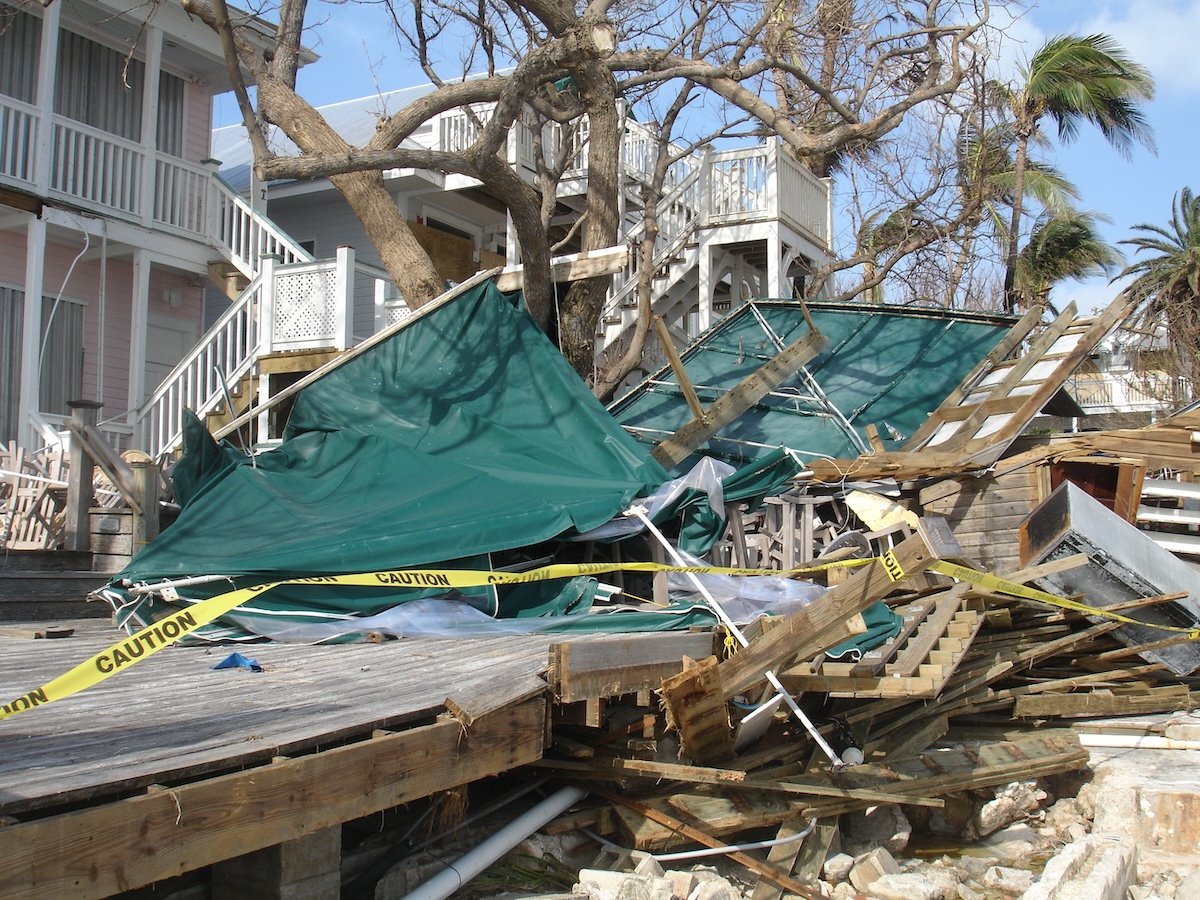
The result was not just storm damage. It was flooded neighborhoods, ruined businesses, displaced families, closed schools, medical interruptions, overwhelmed shelters, stressed pets, exhausted first responders, and communities facing a recovery measured not in days, but in months and years. That is why so many people search for practical ways to help hurricane victims, donate to Hurricane Helene relief, support Hurricane Milton recovery, and make sure their good intentions actually reach survivors.
The good news? You do not need a helicopter, a rescue boat, or a superhero cape. In fact, please do not show up with a cape unless a local volunteer coordinator specifically requested “dramatic wind-resistant outerwear.” The best disaster help is organized, thoughtful, flexible, and survivor-centered. Here are 10 meaningful ways you can help those impacted by Hurricanes Helene and Milton.
1. Donate Cash to Trusted Disaster Relief Organizations
Cash is usually the most effective way to help after a hurricane. It may not feel as cinematic as loading a truck with random canned goods, but relief organizations can stretch money farther, buy exactly what is needed, and source supplies close to the disaster zone. That means less waste, faster delivery, and fewer logistics headaches for people already dealing with enough chaos.
Trusted organizations involved in hurricane relief include groups such as the American Red Cross, National VOAD member organizations, state disaster funds, local United Way chapters, Feeding America food banks, World Central Kitchen, Salvation Army, Americares, Direct Relief, Save the Children, and community foundations serving affected regions. The strongest donation strategy is simple: give directly through the official website of a known organization and choose funds specifically tied to hurricane response or long-term recovery.
Why cash beats random supplies
After disasters, unsolicited donated goods can become what emergency managers sometimes call the “second disaster.” Boxes of mismatched clothing, expired food, or items no one asked for require sorting, storage, transportation, and volunteer time. Cash gives relief teams the flexibility to buy diapers, fuel, cleaning kits, medication, temporary housing support, or hot meals depending on what survivors actually need that week.
2. Support Local Organizations in the Hardest-Hit Communities
National organizations are important, but local nonprofits often know the streets, hollers, churches, community centers, apartment complexes, and rural roads where help is urgently needed. In western North Carolina, for example, local recovery funds and community foundations have supported nonprofits working on the ground after Helene. In Florida, the Florida Disaster Fund has helped direct resources to service organizations assisting communities affected by Helene and Milton.
Local groups can often respond to specific needs that larger systems may miss. They know which neighborhood lost its only laundromat, which senior community needs transportation, which family needs help replacing a wheelchair ramp, and which small business owner is one more repair bill away from closing for good.
Smart local giving ideas
Consider donating to regional food banks, community foundations, local United Way funds, churches or synagogues with transparent relief programs, disability-rights organizations, immigrant-serving nonprofits, mutual aid groups with public accountability, and local animal shelters. Before giving, check that the organization is real, active, and clear about how funds are used.
3. Volunteer Through Coordinated GroupsDo Not Self-Deploy
Volunteers are essential after hurricanes, but disaster zones are not the place for freestyle heroics. Roads may be washed out, cell service may be unreliable, gas may be scarce, and first responders do not need to rescue well-meaning helpers who arrived with enthusiasm, no assignment, and a granola bar from 2019.
The best way to volunteer after Hurricanes Helene and Milton is through established organizations such as state VOAD networks, Volunteer Florida, local emergency management agencies, faith-based disaster teams, food banks, cleanup groups, and trained volunteer programs. These groups match people with real needs: debris removal, muck-outs, food distribution, phone banking, supply packing, casework, translation, transportation, pet fostering, or administrative support.
Skills that matter
Chainsaw experience, construction knowledge, medical training, mental health support, legal aid, logistics, language interpretation, childcare, social work, animal care, and technology skills can all be useful. But even if your only certified skill is “excellent at carrying boxes without complaining,” coordinated groups can often use that too.
4. Help Food Banks and Meal Providers Feed Survivors
Food becomes one of the most urgent needs after a hurricane. Families may lose groceries during power outages. Roads can block supply chains. Restaurants may close. People cleaning out flooded homes need meals they can eat quickly, safely, and without a working kitchen.
Food banks and meal organizations played a major role in Helene and Milton response. Feeding America and local food banks coordinated food and funds for affected areas. Feeding the Carolinas emphasized that monetary donations help food banks provide multiple meals and tailor shipments to local needs. World Central Kitchen reopened its Tampa kitchen after Milton and served hundreds of thousands of meals while working with food trucks and restaurants.
How to help with food relief
Donate to a disaster response fund, support a food bank in an affected county, volunteer at a warehouse, sponsor fuel for delivery trucks, or follow local food banks online to see what they request. If a food bank asks for specific items, follow the list exactly. This is not the moment to donate artisanal beet crackers unless someone asked for them by name.
5. Give to Medical Aid and Health Recovery Efforts
Hurricanes do not only damage buildings; they interrupt health care. Pharmacies may close. Clinics may flood. Patients may lose refrigerated medication. People with diabetes, asthma, heart disease, mobility needs, dialysis schedules, pregnancy concerns, or mental health conditions can face serious risks when basic systems break down.
Medical-aid organizations such as Americares and Direct Relief have supported hurricane-affected regions with medicines, medical supplies, emergency funding, and help for clinics and health centers. Donations to reputable health-focused nonprofits can help restore care in communities where the storm turned routine medical needs into urgent problems.
Health needs continue long after landfall
After the news cameras move on, survivors may still need tetanus shots, wound care, mold-related respiratory support, replacement prescriptions, counseling, mobility equipment, and access to primary care. Long-term medical recovery is one reason steady giving matters.
6. Support Children, Families, Older Adults, and People With Disabilities
Disasters are hardest on people who already face barriers. Children may lose school routines, safe play spaces, childcare, toys, and a sense of normalcy. Older adults may struggle to evacuate, manage medications, or replace damaged assistive devices. People with disabilities may need accessible transportation, power for medical equipment, interpreters, or housing that actually works for their needs.
Organizations focused on children and families, such as Save the Children, have provided items like hygiene kits, cleaning supplies, diapers, wipes, cash assistance, education support, mental health resources, and childcare recovery services. Local disability organizations, senior centers, and community health groups may also need donations or volunteers.
Practical family-centered help
Give to groups distributing diapers, formula, school supplies, cleaning kits, and mental health support. Offer verified local organizations gift cards for groceries, gas, or home improvement stores. Support childcare centers trying to reopen. Recovery is easier when parents can work, children can learn, and grandparents can get to medical appointments without turning every errand into an expedition.
7. Help With Cleanup, Rebuilding, and Long-Term Recovery
Immediate relief gets the spotlight, but long-term recovery is where the heavy lifting happens. After Hurricanes Helene and Milton, many survivors faced flooded homes, mold, roof damage, lost vehicles, damaged businesses, debris piles, destroyed roads, and insurance paperwork thick enough to qualify as light exercise.
Cleanup and rebuilding support may include mucking out flooded homes, removing debris, tarping roofs, repairing ramps, replacing appliances, restoring community centers, and helping small businesses reopen. Some groups, including disaster recovery nonprofits and faith-based teams, organize trained volunteers for safe cleanup work. The American Red Cross has also supported long-term recovery through grants focused on individual household needs, community recovery capacity, and resilience.
Think beyond the first month
Recovery does not end when electricity returns. Donate later, not just immediately. Ask local organizations what they need three, six, or twelve months after landfall. By then, the emergency headlines may be gone, but the mold, debt, displacement, and emotional fatigue are often still very much present.
8. Support Pets, Livestock, and Animal Shelters
Hurricanes affect animals too. Families may evacuate with pets, shelters may overflow, veterinary clinics may close, and rescue groups may need foster homes, pet food, carriers, crates, medicine, and transportation. In the wake of Helene and Milton, animal welfare organizations worked with local shelters and rescue partners to move pets out of harm’s way and create space for animals in need.
Helping animals also helps people. For many survivors, a pet is not “just a pet.” It is comfort, routine, family, and emotional stability with fur, feathers, or a talent for stealing snacks. Supporting animal shelters can keep families together and reduce pressure on already strained local systems.
Ways to help animals after hurricanes
Donate to reputable animal-rescue organizations, foster a pet, adopt from a shelter receiving displaced animals, give pet food through official wish lists, or volunteer with local shelters. Always check what shelters need before sending supplies. Fifty leashes are helpful; fifty decorative hamster costumes may be less urgent.
9. Share Accurate Information and Fight Disaster Misinformation
After major storms, rumors spread almost as fast as floodwater. False posts about aid, fake donation links, misleading rescue claims, or incorrect shelter information can put people at risk. One of the simplest ways to help hurricane survivors is to share accurate information from official emergency management agencies, FEMA, state and local governments, reputable nonprofits, and verified local newsrooms.
Before reposting, pause. Check the date. Confirm the source. Make sure the shelter is still open, the donation drive is still active, and the emergency number is correct. A post from three weeks ago can become digital debris if it sends people to the wrong place.
Use your social media wisely
Share official donation pages, volunteer registration links, food distribution updates, cleanup hotline information, missing pet resources, and verified recovery programs. Add context when needed. If you see a rumor, do not amplify it with outrage. Correct it calmly and point people to reliable sources.
10. Protect Yourself and Others From Charity Scams
Sadly, disasters attract scammers. When people want to help quickly, criminals create fake websites, copycat charity names, emotional social media posts, suspicious texts, and pressure-filled phone calls. Hurricanes Helene and Milton were no exception, and federal authorities warned donors to be careful.
Donate directly to known organizations. Avoid clicking links in unsolicited texts or emails. Do not give by gift card, wire transfer, cryptocurrency, or cash to an individual claiming to represent a charity. Look for spelling differences in charity names. Use a credit card when possible because it offers more protection. If someone pressures you to donate immediately, that is not compassion; that is a red flag wearing a tiny scammer hat.
A quick donor safety checklist
- Search for the charity yourself instead of clicking a random link.
- Confirm the organization’s official website and mission.
- Check whether donations are tax-deductible if that matters to you.
- Read how funds will be used.
- Be cautious with crowdfunding unless you know the organizer or platform protections.
- Report suspected disaster fraud to the appropriate authorities.
What Not to Do When Helping Hurricane Survivors
Good intentions are wonderful. Uncoordinated good intentions can become a warehouse full of winter coats in Florida. To make your help useful, avoid sending unsolicited goods, traveling into damaged areas without an assignment, spreading unverified information, donating to unknown links, or assuming every community needs the same thing.
Also avoid centering yourself in someone else’s disaster. Survivors do not need pity tours, dramatic selfies, or “I came to save you” energy. They need respect, resources, patience, and practical support. Think less “main character in a storm movie” and more “quietly useful neighbor with gloves, snacks, and common sense.”
Why Long-Term Hurricane Recovery Matters
Hurricanes Helene and Milton created overlapping recovery needs across multiple states. Helene devastated communities across the Southeast, including mountain areas where flooding damaged roads, bridges, homes, and small businesses. Milton then hit Florida while many residents were still recovering from Helene. Back-to-back disasters can stretch volunteers, nonprofits, government agencies, and donors thin.
Long-term recovery includes housing repairs, rental assistance, insurance navigation, legal help, rebuilding schools and clinics, restoring local economies, reopening childcare centers, addressing trauma, replacing vehicles, and preparing communities for the next storm. That work is slower than emergency response, but it is just as important.
If you can, consider monthly giving. Even a small recurring donation helps organizations plan. If you run a business, match employee donations or organize a fundraiser. If you are part of a school, church, club, or professional association, adopt a verified local recovery organization and support it over time.
of Real-Life Experience: What Helping After a Hurricane Often Teaches Us
Anyone who has helped after a hurricane, flood, wildfire, or other disaster learns quickly that recovery is not neat. It does not arrive in a tidy box labeled “Phase Two.” It looks like a family standing in the driveway deciding which belongings can be saved. It looks like volunteers carrying soggy drywall to the curb while someone’s grandmother insists on making coffee even though the kitchen is half gone. It looks like a food bank worker answering the same question 200 times with patience that deserves its own national holiday.
The first lesson is that people need different things at different times. In the first days, survivors may need water, meals, shelter, medication, baby supplies, fuel, phone charging, and safe information. A few weeks later, they may need help with cleanup, mold removal, transportation, insurance claims, FEMA paperwork, legal documents, school supplies, and temporary rent. Months later, they may still need counseling, rebuilding funds, case management, and someone to remember that their crisis did not end when the headlines did.
The second lesson is that dignity matters. Disaster survivors are not props in a charity commercial. They are parents, nurses, roofers, teachers, veterans, restaurant owners, students, caregivers, farmers, retirees, and children who had normal lives before the storm barged in like a rude guest. The best helpers listen first. They ask what is needed. They do not assume. They do not dump unwanted items and call it generosity. They do not take photos without permission. They recognize that a hot meal, clean socks, a working phone charger, or a kind conversation can feel enormous when someone has spent days surrounded by mud, paperwork, and uncertainty.
The third lesson is that local knowledge is gold. A national organization may bring capacity, but a local volunteer knows which back road is open, which church has a generator, which apartment complex has older residents, and which family will not ask for help even when they desperately need it. That is why the strongest disaster response usually combines national resources with local leadership.
The fourth lesson is that flexibility beats perfection. Maybe you wanted your donation to buy bottled water, but the organization needs fuel. Maybe you planned to volunteer in person, but remote phone support is more useful. Maybe your company wants to ship supplies, but cash would help a local store stay open while providing exactly what survivors need. Good disaster help is not about feeling heroic. It is about being useful.
The final lesson is that hope is practical. Hope is not just a nice word on a poster. Hope is a rebuilt ramp, a reopened clinic, a pet reunited with its family, a child back in school, a hot meal handed through a truck window, a small business reopening its doors, and a community meeting where neighbors decide how to prepare for the next storm. When you help wisely, you are not just responding to Hurricanes Helene and Milton. You are helping communities stand back up with stronger roots.
Conclusion
Helping those impacted by Hurricanes Helene and Milton does not require doing everything. It requires doing the right things well. Donate cash to trusted organizations. Support local funds and food banks. Volunteer through coordinated channels. Help families, children, older adults, people with disabilities, medical providers, pets, and long-term recovery groups. Share accurate information. Avoid scams. Keep showing up after the initial wave of attention fades.
Disaster recovery is a marathon with mud on its shoes. But every smart donation, every verified share, every volunteer shift, every meal, every fostered pet, every repaired home, and every act of steady kindness helps survivors move from emergency to stability. Hurricanes Helene and Milton caused serious harm, but organized compassion can be remarkably powerful. No cape required.














